
Are you wondering whether your cooktop runs on 110 or 220 volts? Choosing the right voltage can make a big difference in how well your kitchen appliance performs.
If you pick the wrong one, you could face problems like slow heating or even electrical issues. Don’t worry—this article will help you understand the key differences and guide you to the best choice for your home. Keep reading, and you’ll feel confident about your cooktop’s power needs in no time.
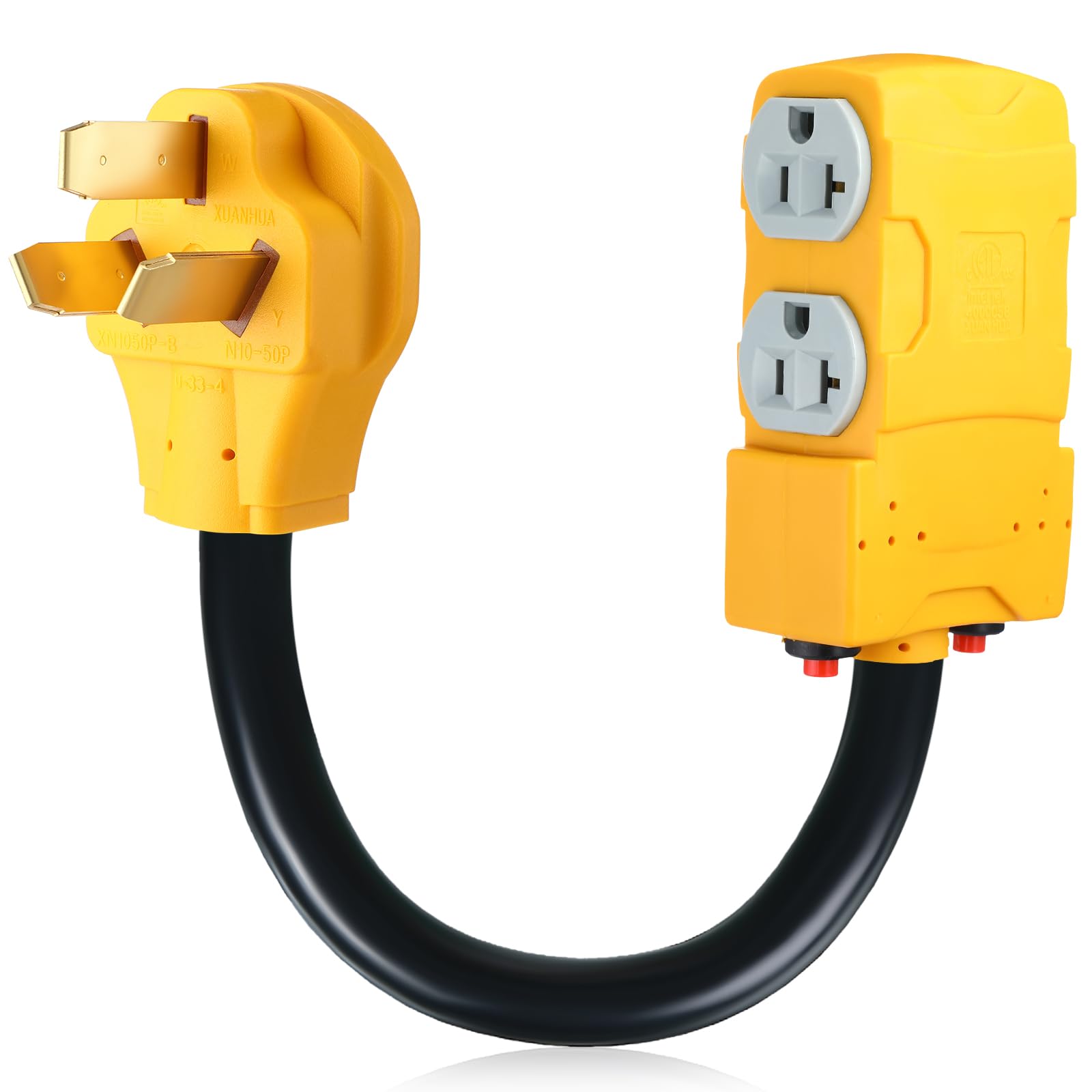
Credit: www.amazon.com
Voltage Basics For Cooktops
Understanding voltage is key when choosing a cooktop. Voltage affects how your cooktop heats and works with your home’s electrical system. Most cooktops use either 110V or 220V power. Knowing the difference helps you pick the right one for your kitchen.
What 110v And 220v Mean
110V and 220V refer to the amount of electrical power supplied. 110V is lower voltage, common in many home outlets. It provides enough power for small appliances and some cooktops.
220V supplies more power and is used for larger appliances. It heats cooktops faster and handles more cooking zones. Homes with electric stoves often have 220V outlets.
Common Uses In Kitchens
Cooktops with 110V usually have fewer burners and lower heat levels. They fit small kitchens or apartments well. These cooktops plug into standard wall outlets.
Cooktops using 220V offer more power and heat. They support multiple burners and larger cooking needs. These require special wiring and a dedicated outlet.
Advantages Of 110v Cooktops
Choosing a 110V cooktop offers several benefits. These cooktops are practical for many kitchens. They suit everyday cooking needs well. Many people find them easier to use and maintain. The advantages often relate to installation, compatibility, and safety.
Ease Of Installation
110V cooktops require no special wiring. They can plug into regular kitchen outlets. This makes setup faster and cheaper. No need to hire an electrician in most cases. It suits renters or those who move often.
Compatibility With Standard Outlets
Standard outlets in homes support 110V cooktops. This means you do not need new sockets. You can use the existing power supply safely. It fits most kitchen designs without extra work. This makes 110V cooktops very convenient.
Safety Considerations
110V cooktops use less power than 220V models. This lowers the risk of electrical shock. It also reduces the chance of overheating circuits. These cooktops often have built-in safety features. They provide peace of mind for daily cooking.
Benefits Of 220v Cooktops
220V cooktops offer several benefits over 110V models. They provide more power and efficiency for cooking tasks. Many homes and kitchens prefer 220V cooktops for these reasons. This section explains the main advantages of using a 220V cooktop.
Faster Heating Times
220V cooktops heat up much faster than 110V ones. This means pots and pans reach cooking temperature quickly. Faster heating saves time and energy during meal preparation. It helps cooks start cooking without long waiting periods.
Higher Power Efficiency
Cooktops with 220 volts use electricity more efficiently. They deliver stronger and more consistent heat. This reduces energy waste and lowers electricity bills. Efficient power use makes cooking smoother and more reliable.
Ideal For Large Or Multiple Burners
220V cooktops support larger or several burners at once. They can handle heavy cooking tasks without losing heat. This makes them perfect for big families or cooks who use many pots. Each burner works well without slowing down.
Electrical Requirements For Cooktops
Cooktops need specific electrical setups to work safely and well. Knowing the right power needs is key. Some cooktops use 110 volts, while others need 220 volts. Understanding the differences helps avoid problems and ensures your kitchen runs smoothly.
Circuit Breaker Specifications
Cooktops require their own circuit breaker in the electrical panel. A 110-volt cooktop usually needs a 15-20 amp breaker. For a 220-volt cooktop, the breaker must handle 30-50 amps. Using the correct breaker keeps the system safe and prevents overloads.
Wiring Differences
Wiring for 110-volt cooktops is simpler, with fewer wires involved. These cooktops use standard wiring found in most homes. Cooktops running on 220 volts need thicker wires and a special setup. This wiring includes two hot wires and a ground wire for safety.
Professional Installation Tips
Hire a licensed electrician for cooktop installation. They know local codes and safety rules. Professionals ensure wiring and breakers match the cooktop’s needs. This prevents electrical hazards and keeps your home safe.
Choosing Based On Kitchen Setup
Choosing the right cooktop voltage depends a lot on your kitchen setup. Your kitchen’s electrical system, space, and future plans all play a key role. These factors help decide if a 110-volt or 220-volt cooktop fits best.
Understanding your kitchen setup helps avoid costly changes. It also ensures your cooktop works safely and efficiently.
Assessing Your Home’s Electrical System
Check your home’s main electrical panel first. Most homes have circuits with 110 volts or 220 volts. A 110-volt cooktop uses a standard outlet. A 220-volt cooktop needs a special outlet and breaker.
Older homes may not support 220 volts easily. This means extra wiring work and higher costs. Confirm your panel’s capacity before buying a cooktop.
Space And Appliance Layout
Look at your kitchen’s layout and available space. A 220-volt cooktop is often larger and more powerful. It fits well in spacious kitchens with good ventilation.
Small kitchens may suit 110-volt cooktops better. These models are compact and use less power. Think about how your other appliances connect too.
Future Upgrade Plans
Consider any future kitchen updates or appliance upgrades. Installing a 220-volt cooktop now may save money later. It allows adding other high-power appliances easily.
Stick with 110 volts if you plan to keep low-power devices. Planning ahead helps avoid rewiring and extra expenses.
Cost Implications Of Voltage Choices
Choosing between a 110-volt or 220-volt cooktop affects more than just power. The voltage choice impacts costs in several key ways. Understanding these cost implications helps you make a wise decision for your kitchen and budget.
Initial Purchase And Installation
Cooktops with 220 volts often cost more upfront. Their parts handle higher power and require stronger materials. Installation also costs more. Electricians need special wiring and breakers for 220-volt models. Homes without existing 220-volt outlets will need electrical upgrades. These upgrades add to the initial expense.
Long-term Energy Consumption
Higher voltage cooktops usually run more efficiently. They heat faster and use energy better. This can lower your monthly electric bill. However, the difference depends on usage and local electricity rates. A 110-volt cooktop may use less power but take longer to cook. Over time, this can mean more energy used.
Maintenance Expenses
Maintenance costs vary by voltage and cooktop type. 220-volt models may have more complex parts. Repairs can be pricier due to specialized components. Finding technicians for 220-volt units might be harder. 110-volt cooktops have simpler designs. They often cost less to fix and maintain.
Safety Tips For Using Cooktops
Using a cooktop safely is very important to avoid accidents and damage. Many cooktops use either 110 or 220 volts. Knowing how to handle them correctly keeps you and your home safe. Follow these safety tips to use your cooktop without any trouble.
Proper Handling Of Electrical Appliances
Always plug your cooktop into the correct outlet. Check the voltage rating before use. Never touch the cooktop with wet hands. Keep the area around the cooktop dry and clean. Use only the power cords and plugs that come with the appliance. Turn off the cooktop after cooking and unplug it if not used for a long time.
Avoiding Overloads
Do not connect too many appliances to one outlet. Overloading can cause electrical fires. Use separate circuits for high-power appliances like cooktops. Avoid using extension cords or power strips with cooktops. Make sure your home wiring can handle the cooktop’s voltage and power needs.
Regular Inspection And Maintenance
Check your cooktop regularly for signs of damage. Look for frayed cords or loose plugs. Clean the cooktop surface and controls after use. Have a professional inspect the wiring every year. Replace parts immediately if they show wear or damage. Regular care helps prevent hazards and keeps your cooktop working well.

Credit: www.reddit.com
Troubleshooting Common Voltage Issues
Troubleshooting voltage issues with your cooktop can save time and prevent damage. Cooktops usually run on either 110 or 220 volts. Using the wrong voltage can cause problems with performance or safety. Understanding common voltage issues helps you fix small problems before they get worse.
Identifying Voltage Mismatches
Check the cooktop’s voltage rating on the label or manual. Your home’s electrical system must match this voltage. A 110-volt cooktop should never connect to a 220-volt outlet. A mismatch can cause the cooktop to fail or burn out quickly. Use a multimeter to measure the outlet voltage if unsure.
Signs Of Electrical Problems
The cooktop may not heat properly or may not turn on at all. Flickering lights or frequent tripping of circuit breakers can occur. You might hear unusual buzzing or see sparks near the plug. These signs often indicate voltage or wiring issues. Stop using the cooktop immediately if you notice any of these.
When To Call A Professional
Electrical issues can be dangerous. Call a licensed electrician if you suspect voltage problems. Professionals can check wiring, outlets, and connections safely. They ensure your cooktop runs on the correct voltage. Do not attempt complex repairs without experience. Safety must always come first.

Credit: www.reddit.com
Frequently Asked Questions
Is A Cooktop 110 Volts Or 220 Volts?
Most cooktops use 220 volts for efficient heating. Some smaller or portable models may run on 110 volts. Always check the manufacturer’s specifications before installation to ensure proper voltage and safety.
Can A 110-volt Cooktop Handle High Cooking Power?
110-volt cooktops generally have lower power output. They are suitable for light cooking but may struggle with heavy or fast cooking tasks. For high power needs, a 220-volt cooktop is recommended.
Do I Need A Special Outlet For A 220-volt Cooktop?
Yes, 220-volt cooktops require a dedicated double-pole circuit breaker and a compatible outlet. This ensures safe operation and prevents electrical hazards. Consult a licensed electrician for installation.
How To Know If My Kitchen Supports 110 Or 220 Volts?
Check your home’s electrical panel or outlets. Standard kitchen outlets usually supply 110 volts, while dedicated circuits provide 220 volts. You can also consult your home’s electrical blueprint or a professional electrician.
Conclusion
Choosing between a 110V and 220V cooktop depends on your kitchen needs. A 110V cooktop suits smaller spaces and basic cooking. A 220V cooktop offers more power and faster heating. Check your home’s electrical setup before deciding. This helps avoid extra costs and safety issues.
Understanding voltage helps you pick the right cooktop easily. Cook smart and enjoy cooking with the right appliance.

Hello, This is Annie Walker, a 38-year-old blogger, founder, and editor of Cookware Guider from NY, USA. I am a cookware fanatic and passionate cooker. I love to cook with different types of cooking appliances (example: all types of cookware, rice cookers, slow cookers, etc) almost every day in my kitchen. I love to share my experience with my readers in my blog. Also, I enjoy helping people to solve their problems through my website. You can follow me on Twitter & Pinterest. To know details about my blog please check the about us page.