
Are you wondering if your Masterclass cookware can safely go into the oven? Knowing this can save you from ruined meals and damaged pots.
You want your cookware to be as versatile as possible, but using it the wrong way might cause problems. Keep reading to find out exactly how oven-safe Masterclass cookware is, so you can cook with confidence and get the best results every time.
Masterclass Cookware Materials
Masterclass cookware is popular for its quality and design. Understanding the materials used in Masterclass cookware helps answer the question, Is Masterclass cookware oven safe? The materials affect heat conduction, durability, and oven compatibility. This section explains the key materials used in Masterclass cookware and how they perform in the oven.
Types Of Metals Used
Masterclass cookware mainly uses metals that offer good heat distribution and durability. These metals affect how well the cookware works on the stove and in the oven.
- Aluminum: Lightweight and excellent for fast, even heating. Often used in the core or base of cookware.
- Stainless Steel: Durable, resistant to rust, and easy to clean. Commonly used for the outer layer or cooking surface.
- Copper: Known for superior heat conduction but mostly found in higher-end or specialty pieces.
Many Masterclass pans use a layered metal design called clad construction. This means different metals combine to create a pan that heats evenly and resists warping.
| Metal Type | Key Feature | Oven Safety |
|---|---|---|
| Aluminum | Fast, even heating | Oven safe up to moderate temperatures (usually 180-220°C) |
| Stainless Steel | Durable and rust-resistant | Generally oven safe up to 260°C or more |
| Copper | Excellent heat control | Oven safe but requires gentle care |
Note: Oven safety depends on the cookware’s handles and lids too. Metal handles usually tolerate oven heat better than plastic or silicone ones.
Nonstick Coating Details
Masterclass cookware often features a nonstick coating to make cooking and cleaning easier. This coating affects how safe the cookware is in the oven.
The nonstick layer is typically made from materials like PTFE (Teflon) or ceramic. Each type has a different heat tolerance.
- PTFE (Teflon) Coating: Good nonstick performance but usually safe only up to about 230°C (450°F). Higher heat can damage the coating and release fumes.
- Ceramic Coating: More heat resistant than PTFE, often safe up to 260°C (500°F). It is also free from chemicals like PFOA.
Masterclass nonstick pans often include a multi-layer coating for extra durability and scratch resistance. This improves the lifespan but does not increase oven temperature limits.
| Coating Type | Max Oven Temperature | Benefits |
|---|---|---|
| PTFE (Teflon) | Up to 230°C (450°F) | Excellent nonstick, easy cleaning |
| Ceramic | Up to 260°C (500°F) | More heat resistant, chemical-free |
For oven use, check the cookware’s maximum temperature on the label or manual. Avoid sudden temperature changes to protect the coating. Handles and lids must also be oven safe to use the cookware safely inside an oven.
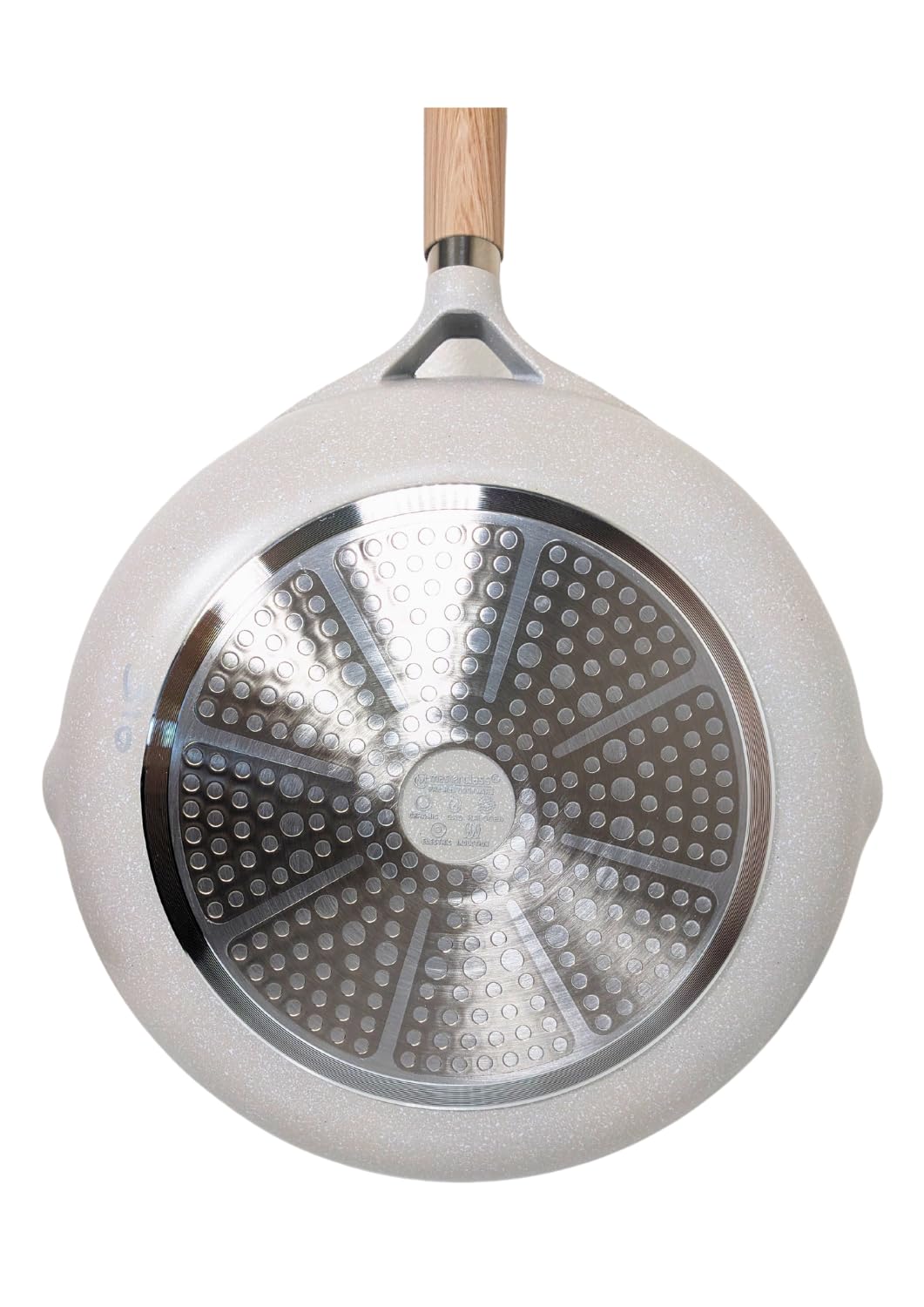
Credit: us.amazon.com
Oven Safety Limits
Understanding the oven safety limits of Masterclass cookware is key to using it without damage. Oven safety limits tell you how hot the cookware can get in the oven. This information helps prevent warping, melting, or other damage. Masterclass cookware is designed for durability, but knowing its limits protects your investment and ensures safe cooking.
Maximum Temperature Ratings
Masterclass cookware has specific maximum temperature ratings. These ratings show the highest oven heat the cookware can handle safely. Exceeding these temperatures can cause permanent damage.
Here are some important points about maximum temperature ratings:
- Standard range: Most Masterclass pots and pans can withstand oven temperatures up to 260°C (500°F).
- Non-stick coatings: Non-stick items usually have a lower limit, around 230°C (450°F).
- Check product details: Each product may have different limits. Always check the label or manual.
The table below summarizes typical Masterclass cookware temperature ratings:
| Cookware Type | Maximum Oven Temperature |
|---|---|
| Stainless Steel | 260°C / 500°F |
| Non-stick | 230°C / 450°F |
| Ceramic Coated | 240°C / 464°F |
Always avoid sudden temperature changes. For example, do not put hot cookware directly into cold water. This can damage the cookware even if it is oven safe.
Handle And Lid Considerations
Handles and lids often limit oven safety more than the cookware body. Masterclass uses different materials for handles and lids, which affect heat resistance.
Consider these key points:
- Metal handles: Usually safe up to the cookware’s max temperature.
- Silicone or plastic handles: These have lower heat limits, often between 150°C and 200°C (300°F to 400°F).
- Glass lids: Oven safe but typically rated up to 220°C (428°F).
- Remove lids: For higher temperatures, remove glass lids to prevent breakage.
Here is a quick guide to Masterclass handle and lid oven safety:
| Component | Material | Oven Safety Limit |
|---|---|---|
| Handles | Metal | Up to cookware max temp (260°C) |
| Handles | Silicone or plastic | 150°C to 200°C |
| Lids | Tempered glass | Up to 220°C |
| Lids | Metal | Up to cookware max temp |
Check your Masterclass cookware’s manual for specific guidance on handles and lids. Avoid using lids or handles in the oven beyond their heat limits to keep your cookware safe and lasting longer.
Comparing Cookware Lines
Choosing the right cookware means understanding how different lines perform, especially in the oven. Oven safety is a key feature for many cooks. Comparing cookware lines helps reveal which sets handle oven heat well and which do not. This guide focuses on Masterclass cookware and how it stands against other popular brands. It also looks at specialty pieces in the Masterclass line and their oven use.
Masterclass Vs Other Brands
Masterclass cookware offers good heat distribution and durability. Many sets are made from stainless steel with aluminum cores. This design allows even cooking and helps avoid hot spots.
Most Masterclass pieces are oven safe up to 260°C (500°F). This temperature covers most baking, roasting, and finishing needs. The handles are often metal or heat-resistant silicone, which adds oven safety.
Compare this to other brands:
| Brand | Oven Safe Temperature | Handle Material | Notes |
|---|---|---|---|
| Masterclass | Up to 260°C (500°F) | Metal or Silicone | Good heat resistance, durable |
| T-fal | Up to 175°C (350°F) | Bakelite or Plastic | Handles limit oven use |
| Cuisinart | Up to 230°C (450°F) | Metal | Oven safe, some plastic parts |
| Calphalon | Up to 260°C (500°F) | Metal or Silicone | Similar to Masterclass |
Masterclass stands out with higher oven temperature limits than many brands. It also balances handle comfort and heat resistance well.
- Metal handles are best for oven use.
- Silicone handles add grip but stay oven safe.
- Plastic handles usually limit oven use.
Masterclass cookware is versatile for stovetop and oven cooking. Other brands may need more care with handle types and temperature limits.
Specialty Pieces And Oven Use
Masterclass offers specialty cookware for different cooking tasks. These include sauté pans, roasting pans, and casserole dishes. Oven safety varies by piece because of design and materials.
Specialty pieces often have lids. Masterclass lids are usually tempered glass or stainless steel. Glass lids allow oven use but may have lower temperature limits.
Check these points for oven use of specialty pieces:
- Material: Stainless steel and aluminum pieces handle oven heat well.
- Handles: Metal or silicone handles are safe; plastic is not.
- Lids: Tempered glass lids are oven safe up to 180°C (350°F).
- Temperature limits: Specialty pieces may have lower oven temperature limits than basic pots.
Here is a quick overview:
| Specialty Piece | Oven Safe Temp | Lid Type | Oven Use Notes |
|---|---|---|---|
| Sauté Pan | Up to 260°C (500°F) | Tempered Glass or Metal | Safe if lid is metal; glass lids lower temp limit |
| Roasting Pan | Up to 260°C (500°F) | Metal | Ideal for oven roasting |
| Casserole Dish | Up to 180°C (350°F) | Tempered Glass | Use oven-safe lids only |
Masterclass specialty cookware suits many oven recipes. Knowing the lid and handle type helps keep cookware safe. Always check the product manual for exact oven limits.

Credit: mecanica.uaz.edu.mx
Tips For Oven Use
Using Masterclass cookware in the oven requires care to keep your pots and pans in top shape. Knowing the right steps for oven use helps prevent damage and ensures even cooking. Follow these tips to use your Masterclass cookware safely and effectively in the oven.
Preheating Guidelines
Preheating the oven correctly is important for Masterclass cookware. Sudden heat changes can cause warping or damage. Follow these simple rules:
- Preheat the oven fully before placing cookware inside. This helps the cookware heat evenly.
- Avoid putting cold cookware into a hot oven. Let the cookware come to room temperature first.
- Check the maximum oven-safe temperature. Most Masterclass cookware is safe up to 450°F (232°C).
- Use oven mitts or gloves. Cookware handles can get very hot.
Here is a quick guide to safe oven use with Masterclass cookware:
| Step | Action | Reason |
|---|---|---|
| 1 | Preheat oven fully | Ensures even heating of cookware |
| 2 | Bring cookware to room temp | Prevents thermal shock |
| 3 | Place cookware carefully inside | Avoids sudden temperature changes |
| 4 | Use oven mitts | Protects hands from burns |
Avoiding Damage
Masterclass cookware looks great and lasts long with proper care. Avoid common mistakes that cause damage:
- Do not use cookware on broiler settings. High direct heat can harm the finish.
- Avoid sudden temperature changes. Do not move cookware from oven to cold surfaces immediately.
- Do not use metal utensils. They can scratch non-stick surfaces.
- Check for oven-safe labels. Confirm the cookware model supports oven use.
Here are some quick tips to avoid damage:
- Let cookware cool gradually before washing or placing on cold surfaces.
- Use wooden or silicone utensils to protect coatings.
- Keep oven temperature within recommended limits (usually below 450°F).
- Clean cookware gently with non-abrasive sponges.
Following these simple steps keeps Masterclass cookware looking new and performing well for years.
Care And Maintenance After Oven Use
Masterclass cookware is designed to handle oven use safely, but proper care after using it in the oven helps extend its life. Cleaning and storing cookware correctly prevents damage and maintains its performance. Taking a few simple steps after oven use keeps your cookware in excellent shape for many meals to come.
Cleaning Recommendations
After using Masterclass cookware in the oven, allow it to cool down before cleaning. Avoid plunging hot cookware into cold water as sudden temperature changes can cause warping or damage.
Follow these cleaning tips:
- Use warm, soapy water and a soft sponge or cloth to clean the cookware.
- For stuck-on food, soak the cookware in warm water for 15-20 minutes before washing.
- Do not use abrasive sponges or steel wool, as they can scratch the surface.
- If the cookware has non-stick coating, avoid harsh chemicals or dishwasher use to protect the coating.
- Dry the cookware thoroughly with a soft towel to prevent water spots and rust.
Here is a simple table summarizing cleaning do’s and don’ts:
| Do | Don’t |
|---|---|
| Cool cookware before washing | Wash immediately with cold water |
| Use mild dish soap and soft sponge | Use abrasive scrubbers or steel wool |
| Soak to loosen stuck food | Scrape with sharp tools |
| Dry thoroughly after washing | Leave wet to air dry |
Storage Tips
Proper storage of Masterclass cookware helps keep it in top condition. Store cookware in a dry place to avoid rust or damage to coatings. Organize your pots and pans carefully to prevent scratches and dents.
Use these storage tips:
- Stack cookware with a soft cloth or paper towel between pieces to protect surfaces.
- Hang pans by their handles if you have a rack to save space and prevent scratches.
- Keep lids separate or store them upside down on pots to save space.
- Avoid overcrowding shelves, which can cause damage to cookware edges and coatings.
- Check cookware regularly for signs of wear and clean before storing.
Here is a quick checklist for cookware storage:
- Dry completely before storing
- Use protective layers between stacked items
- Store in a cool, dry place
- Avoid heavy stacking or overcrowding
- Keep lids organized and separate

Credit: www.ecoparkcampogrande.com.br
Frequently Asked Questions
Is Masterclass Cookware Safe For Oven Use?
Yes, most Masterclass cookware is oven safe up to 260°C (500°F). Always check the specific product details for temperature limits.
Can I Use Masterclass Pots In A Preheated Oven?
Yes, Masterclass pots can be used in a preheated oven. Ensure handles are oven safe and avoid sudden temperature changes.
What Is The Maximum Oven Temperature For Masterclass Pans?
Masterclass pans typically withstand oven temperatures up to 260°C (500°F). Exceeding this may damage the cookware or handles.
Are Masterclass Non-stick Pans Oven Safe?
Many Masterclass non-stick pans are oven safe but usually up to lower temperatures (around 180°C/350°F). Verify individual product instructions.
Conclusion
Masterclass cookware can safely go in the oven up to certain temperatures. Always check the product details for the exact oven limit. Avoid sudden temperature changes to keep your cookware in good shape. Using oven-safe cookware helps you cook a variety of meals easily.
Remember to use oven mitts to protect your hands. This cookware offers convenience and flexibility in the kitchen. Cooking with the right tools makes your time easier and more fun. Choose cookware that fits your cooking style and needs well.

Hello, This is Annie Walker, a 38-year-old blogger, founder, and editor of Cookware Guider from NY, USA. I am a cookware fanatic and passionate cooker. I love to cook with different types of cooking appliances (example: all types of cookware, rice cookers, slow cookers, etc) almost every day in my kitchen. I love to share my experience with my readers in my blog. Also, I enjoy helping people to solve their problems through my website. You can follow me on Twitter & Pinterest. To know details about my blog please check the about us page.