
Are you wondering if your Made In cookware can go straight into the dishwasher? You’re not alone.
When it comes to cleaning your favorite pots and pans, knowing what’s safe can save you time and keep your cookware looking new. Dishwasher safety isn’t just about convenience—it’s about protecting your investment. Keep reading to find out how to care for your Made In cookware the right way and avoid common mistakes that could damage it.
Your kitchen routine is about to get a whole lot easier.
Materials Used In Made In Cookware
Made In Cookware uses different materials to make their pots and pans. Each material affects how you clean and care for your cookware. Knowing what materials are used helps decide if they are dishwasher safe or need hand washing. This section explains the main materials Made In Cookware uses and their cleaning tips.
Stainless Steel Options
Made In offers stainless steel cookware that is strong and long-lasting. Stainless steel resists rust and scratches well. It is popular because it cooks food evenly and looks shiny.
These stainless steel pans have an aluminum core inside. This core spreads heat quickly and keeps it even. The outside is polished stainless steel, which makes them safe for high heat cooking.
Cleaning and dishwasher use:
- Most Made In stainless steel pans are dishwasher safe.
- Dishwashers can dull the shine over time.
- Hand washing with warm water and mild soap keeps the shine longer.
- Use a soft sponge to avoid scratches.
Quick care tips:
| Care Method | Effect |
|---|---|
| Dishwasher | Safe but may dull finish over time |
| Hand Wash | Preserves shine and extends life |
| Avoid abrasive scrubbers | Prevents scratches and damage |
Nonstick Surfaces
Made In also makes nonstick pans with a special coating. This coating stops food from sticking and makes cooking easier. Nonstick pans are great for eggs, pancakes, and delicate foods.
The nonstick layer is sensitive to heat and cleaning methods. It is important to protect this layer to keep the pan working well.
Dishwasher safety for nonstick pans:
- Most nonstick pans are labeled dishwasher safe by Made In.
- Dishwashers can wear down the nonstick coating faster.
- Hand washing with a soft cloth extends the life of the coating.
- Avoid metal utensils and harsh cleaning tools.
Tips for nonstick pan care:
- Use low to medium heat while cooking.
- Clean with warm soapy water and a soft sponge.
- Dry immediately after washing to prevent water spots.
- Store carefully to avoid scratches.
Cast Iron And Carbon Steel
Made In also offers cast iron and carbon steel cookware. These materials hold heat very well and are perfect for searing and frying. Both need special care to keep their seasoning and prevent rust.
Cast iron is heavier and keeps heat longer. Carbon steel is lighter but heats quickly. Both develop a natural nonstick surface after use.
Dishwasher safety:
- Cast iron and carbon steel are not dishwasher safe.
- Dishwashing strips away the seasoning and causes rust.
- Clean with hot water and a brush or sponge.
- Dry immediately and apply a thin layer of oil after cleaning.
Care tips for long life:
| Care Step | Why It Matters |
|---|---|
| Avoid soap and dishwasher | Preserves seasoning and prevents rust |
| Dry thoroughly after washing | Stops moisture that causes rust |
| Apply oil regularly | Maintains nonstick surface |
| Store in a dry place | Protects from moisture damage |
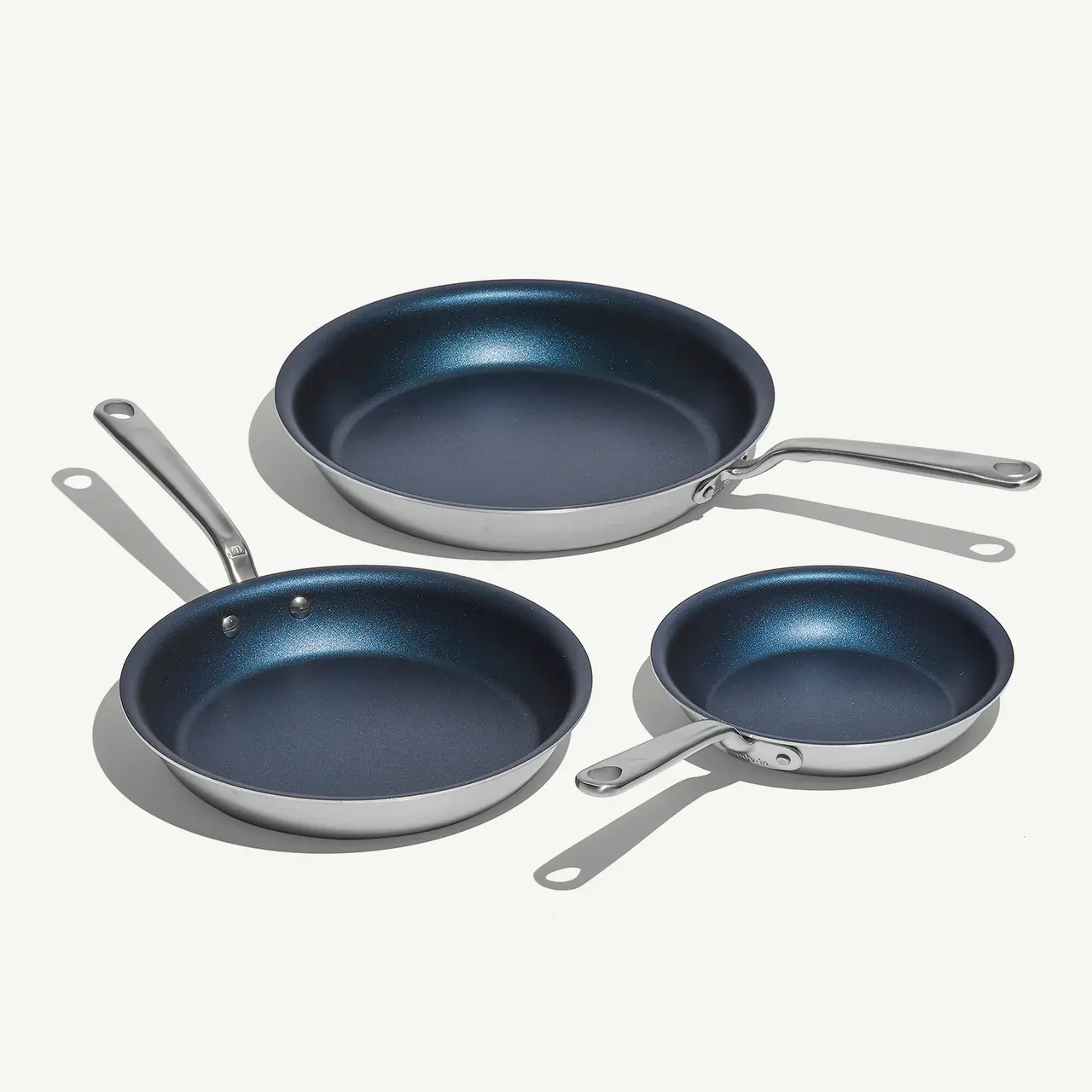
Credit: madeincookware.com
Dishwasher Safety Guidelines
Understanding dishwasher safety guidelines for Made In cookware helps keep your pots and pans in top shape. Not all cookware handles dishwasher cleaning well. Proper care avoids damage and maintains performance. This section guides you on following safety steps for dishwasher use with Made In products.
Manufacturer Recommendations
Made In cookware often comes with specific instructions about dishwasher use. The manufacturer usually suggests hand washing to protect the cookware’s finish and materials. Following these guidelines extends the life of your cookware.
Key points from manufacturer recommendations include:
- Hand wash preferred: Most Made In pans perform best with gentle hand washing.
- Dishwasher safe models: Some pieces may be labeled dishwasher safe; check product details carefully.
- Use mild detergents: Harsh chemicals can wear down coatings and metal.
- Avoid high heat cycles: Intense heat can warp or discolor cookware.
| Cookware Type | Dishwasher Safety | Recommended Cleaning |
|---|---|---|
| Stainless Steel | Usually safe | Hand wash preferred for best results |
| Carbon Steel | Not recommended | Hand wash only, dry immediately |
| Copper | Not recommended | Hand wash with gentle cleanser |
| Non-stick | Some models safe | Check label, hand wash if unsure |
Check the care guide included with your cookware for exact advice. Following manufacturer tips reduces risk of damage and keeps cookware looking new.
Impact Of Detergents And Heat
Detergents and heat in dishwashers can affect Made In cookware in different ways. Strong detergents may strip protective layers or dull finishes. High temperatures can cause warping or discoloration.
How detergents and heat impact cookware:
- Harsh chemicals: Some dishwasher soaps contain bleach or phosphates harmful to metal.
- Residue buildup: Detergents can leave spots or film if not fully rinsed.
- High heat cycles: Can distort shape or damage non-stick coatings.
- Repeated exposure: Gradual wear may reduce cookware lifespan.
| Factor | Effect on Cookware | Care Tip |
|---|---|---|
| Strong Detergents | Dull finish, remove seasoning | Use mild detergent or hand wash |
| High Heat | Warping, discoloration | Choose low heat dishwasher cycles |
| Rinse Quality | Spots, residue buildup | Ensure thorough rinse before drying |
To protect your cookware, select gentle dishwasher cycles and mild detergents. Avoid long or heavy-duty washes. This reduces the risk of damage from heat and chemicals.
Potential Damage Signs
Recognizing damage early helps save your Made In cookware. Watch for changes after dishwasher use that signal wear or harm.
Common signs of dishwasher damage include:
- Discoloration: Fading, dark spots, or uneven color on the surface.
- Warping: Cookware loses its flat shape, causing uneven cooking.
- Peeling or flaking: Non-stick coatings start to chip or peel off.
- Rust spots: Small rust marks appear, especially on carbon steel pans.
- Sticky residue: Detergent or mineral buildup that won’t wash off easily.
Check cookware regularly for these signs. Early detection allows for better care or repair. Avoid dishwasher use if you notice any damage, and switch to hand washing.
Maintaining your cookware preserves its quality and cooking performance. Proper cleaning habits prevent costly replacements.
Cleaning Tips For Made In Cookware
Made In cookware offers excellent performance, but proper cleaning keeps it in top shape. Many wonder if Made In cookware is dishwasher safe. Most Made In cookware pieces are dishwasher safe, but frequent dishwasher use can reduce their lifespan. Hand washing is the best way to maintain their look and function. Below are key cleaning tips to help you care for your Made In cookware and keep it lasting longer.
Hand Washing Techniques
Hand washing Made In cookware preserves its quality better than a dishwasher. Use warm water, mild dish soap, and a soft sponge or cloth. Avoid abrasive scrubbers that can scratch the surface. Follow these steps for effective cleaning:
- Rinse cookware with warm water immediately after use to prevent food from drying.
- Add a small amount of mild dish soap to the sponge.
- Gently scrub the inside and outside surfaces, focusing on food residue.
- Use a nylon brush or soft cloth for hard-to-reach spots.
- Rinse thoroughly with warm water to remove soap residue.
- Dry with a soft towel to avoid water spots and rust.
Here is a simple table summarizing recommended hand washing tools:
| Tool | Use |
|---|---|
| Soft sponge | General cleaning without scratching |
| Nylon brush | Cleaning tight corners and edges |
| Microfiber cloth | Drying and polishing surfaces |
Always avoid steel wool or metal scrubbers to protect your cookware’s surface. Regular hand washing keeps your Made In cookware looking new and prevents damage.
Removing Stubborn Stains
Stubborn stains can build up on Made In cookware after heavy cooking. A few gentle methods help remove these marks without harm:
- Baking Soda Paste: Mix baking soda with water to form a paste. Apply to stained areas and let sit for 15 minutes. Gently scrub with a soft sponge and rinse.
- White Vinegar Soak: Fill the cookware with equal parts water and white vinegar. Heat on low for 10 minutes, then let cool. Scrub and rinse well.
- Lemon and Salt: Sprinkle salt on the stain and rub with a lemon half. The natural acid helps lift stains.
Use the following table to match stains with treatments:
| Stain Type | Recommended Treatment |
|---|---|
| Burnt food | Baking soda paste + gentle scrubbing |
| Water spots | White vinegar soak |
| Mineral deposits | Lemon and salt rub |
Repeat treatments if stains persist, but avoid harsh chemicals or metal scrapers. These can damage the cookware’s finish.
Maintaining Nonstick Coatings
Many Made In pans feature nonstick coatings that need special care. Proper maintenance keeps the coating effective and extends the pan’s life. Follow these tips:
- Use soft utensils: Choose wooden, silicone, or plastic tools to avoid scratching the surface.
- Wash gently: Hand wash with mild soap and a soft sponge. Avoid abrasive materials.
- Avoid high heat: Nonstick coatings can break down at very high temperatures.
- Season occasionally: Rub a small amount of cooking oil on the surface after cleaning to maintain smoothness.
Here is a quick checklist for nonstick cookware care:
- Use soft utensils only - Hand wash with mild soap - Avoid metal scrubbers - Keep heat medium or low - Oil surface after washing Following these steps prevents peeling and loss of nonstick properties. Careful cleaning improves performance and keeps cooking easy.
Comparing Dishwasher And Hand Washing
Is Made In cookware dishwasher safe? This question often arises among home cooks who want to save time on cleaning. Comparing dishwasher use and hand washing helps decide the best method to keep cookware in great shape. Both methods have their benefits and drawbacks. Understanding these can help protect your investment in Made In cookware.
Pros And Cons Of Dishwasher Use
Dishwashers offer convenience and save time, but not all cookware handles the process well. Made In cookware often has a stainless steel exterior and non-stick coatings that require care.
- Pros of dishwasher use:
- Saves time and effort cleaning.
- Effective at removing grease and food residue.
- Sanitizes cookware at high temperatures.
- Cons of dishwasher use:
- Harsh detergents may damage non-stick surfaces.
- Water spots and discoloration can occur on stainless steel.
- High heat can weaken coatings over time.
| Factor | Dishwasher | Hand Washing |
|---|---|---|
| Time | Fast, automatic cleaning | Slower, manual process |
| Care for non-stick | Risk of damage | Gentle, safer |
| Energy use | Higher | Lower |
| Cleaning power | Strong, thorough | Depends on scrubbing |
Longevity And Performance Effects
Hand washing Made In cookware often extends its lifespan. The gentle cleaning helps protect finishes and coatings. Dishwasher use may cause wear faster, especially on delicate parts.
Non-stick surfaces can degrade with repeated dishwasher exposure. The heat and chemicals strip protective layers, making food stick more easily. The stainless steel exterior may lose its shine or develop water spots.
- How hand washing helps longevity:
- Uses mild soap and soft sponges.
- Prevents coating damage.
- Maintains cookware appearance.
- Allows quick drying to avoid rust.
- Dishwasher effects on performance:
- Can cause coating peeling.
- May dull surface finish.
- Increases risk of corrosion spots.
- Heat cycles stress materials.
The table below summarizes the impact on cookware life:
| Cleaning Method | Effect on Non-Stick Coating | Effect on Stainless Steel | Overall Longevity |
|---|---|---|---|
| Hand Washing | Preserves coating | Keeps shine, avoids spots | Longer lifespan |
| Dishwasher | May peel or wear off | Possible discoloration | Shorter lifespan |
User Experiences And Reviews
Many users of Made In cookware share their experiences regarding dishwasher use. Understanding their feedback helps decide if this cookware suits your cleaning habits. Some users report issues after dishwasher cycles, while others praise the ease of cleaning. Let’s explore these varied opinions to get a clear picture.
Common Complaints
Several users mention problems after washing Made In cookware in dishwashers. The main concerns involve discoloration, loss of shine, and damage to the cookware’s surface. Some users notice stains or spots that are hard to remove even after repeated washing.
- Discoloration: The cookware may develop a dull or rainbow-like tint after dishwasher use.
- Surface Damage: Harsh dishwasher detergents can cause the cookware’s finish to wear off.
- Handles and Rivets: Some report rust or looseness in the handles after multiple dishwasher cycles.
- Stubborn Residue: Food bits might remain stuck, requiring extra scrubbing.
Here is a summary of common complaints:
| Issue | Description | Frequency |
|---|---|---|
| Discoloration | Cookware surface loses shine or shows rainbow-like stains | Moderate |
| Surface Wear | Finish wears off due to detergent or heat | Low to Moderate |
| Handle Problems | Rust or looseness in rivets or handles | Low |
| Residue Build-up | Food residue remains after washing | Occasional |
These problems often occur when users rely solely on dishwashers for cleaning. Some suggest hand washing to keep the cookware in better condition.
Positive Feedback
Many users praise Made In cookware for its durability and dishwasher-safe claims. They find the cookware cleans easily without much effort. The stainless steel surface resists stains and retains its shine after several dishwasher cycles.
- Easy Cleaning: Most users say food residue washes off quickly in dishwashers.
- Maintains Appearance: The cookware looks new even after frequent dishwasher use.
- Sturdy Build: Handles and rivets stay strong and rust-free.
- Time-Saving: Dishwasher use saves time and effort compared to hand washing.
Below is a table showing positive user feedback highlights:
| Benefit | Details | Reported By |
|---|---|---|
| Durability | Cookware resists scratches and dents after dishwasher use | Many users |
| Appearance | Retains shine and color well over time | Majority |
| Ease of Cleaning | Food scraps come off easily | Most users |
| Handle Stability | Handles remain firmly attached and rust-free | Several users |
Users who follow the manufacturer’s care instructions usually have better dishwasher experiences. They recommend using gentle detergent and avoiding high heat drying cycles.

Credit: www.amazon.com

Credit: www.amazon.com
Frequently Asked Questions
Is Made In Cookware Dishwasher Safe?
Most Made In cookware is dishwasher safe, but hand washing is recommended. Harsh detergents and high heat may damage the finish over time. For longevity, use mild soap and a soft sponge instead of the dishwasher.
Can Dishwasher Damage Made In Cookware Finish?
Yes, dishwasher detergents and high heat can dull or damage the cookware’s finish. It may cause discoloration or degrade non-stick surfaces. Hand washing helps preserve the cookware’s appearance and performance longer.
Should I Hand Wash Made In Cookware Instead?
Hand washing Made In cookware is preferred to maintain its quality. Use warm water, mild detergent, and a soft cloth or sponge. This method prevents damage from dishwasher heat and chemicals, extending the cookware’s lifespan.
Does Dishwasher Use Void Made In Warranty?
Made In’s warranty typically doesn’t cover damage caused by improper cleaning, including dishwasher use if not recommended. Always check the warranty terms. Following manufacturer care instructions helps keep your warranty valid.
Conclusion
Made In cookware often holds up well in dishwashers. Still, checking the product care guide is wise. Some pieces may lose shine or coating over time. Hand washing can help keep cookware looking new longer. Avoid harsh soaps and scrubbers to protect the surface.
Taking simple steps extends the life of your pots and pans. Clean cookware means better cooking results every time. Choose what works best for your routine and cookware type. Care matters for lasting kitchen tools.

Hello, This is Annie Walker, a 38-year-old blogger, founder, and editor of Cookware Guider from NY, USA. I am a cookware fanatic and passionate cooker. I love to cook with different types of cooking appliances (example: all types of cookware, rice cookers, slow cookers, etc) almost every day in my kitchen. I love to share my experience with my readers in my blog. Also, I enjoy helping people to solve their problems through my website. You can follow me on Twitter & Pinterest. To know details about my blog please check the about us page.