
When it comes to cooking, the cookware you choose can make a big difference—not just in how your food tastes, but in how safe it is for you and your family. You might wonder, “What is the safest cookware to use every day?” With so many options out there, it’s easy to feel confused or overwhelmed.
But understanding which materials keep harmful chemicals out of your meals and protect your health is simpler than you think. Keep reading to discover the safest cookware choices that will help you cook with confidence and enjoy every bite without worry.
Types Of Cookware Materials
Choosing the safest cookware means understanding the materials they are made from. Different cookware materials affect how food cooks and how safe the cookware is for health. Some materials release metals or chemicals during cooking, while others stay stable. Knowing the types of cookware materials helps pick the best for your kitchen. Below are common types with their safety features and benefits.
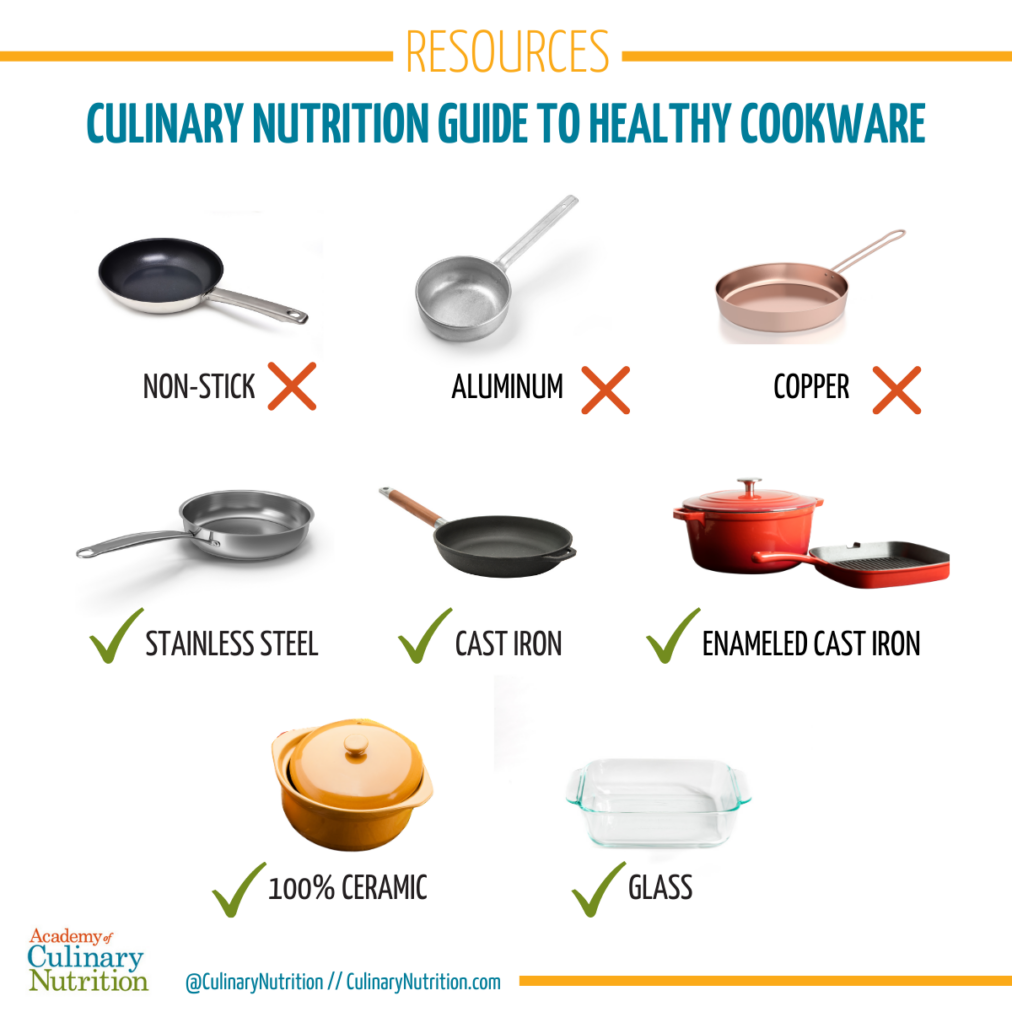
Stainless Steel
Stainless steel is a popular choice because it is durable and safe. This material does not react with food, so it does not change taste or color. It resists rust, scratches, and corrosion. Stainless steel cookware often contains a mix of iron, chromium, and nickel.
Some people worry about nickel or chromium exposure. But these metals usually stay locked inside the cookware and do not leach into food unless the surface is damaged.
- Does not release harmful chemicals.
- Heats evenly with a layered base (often aluminum or copper core).
- Easy to clean and dishwasher safe.
- Great for searing, sautéing, boiling, and frying.
Stainless steel is low maintenance but can cause food to stick if not used properly. Use enough oil and preheat the pan before cooking. It is one of the safest materials for everyday cooking.
Cast Iron
Cast iron cookware is very strong and lasts for decades. It heats slowly but keeps heat well. This makes it ideal for frying, baking, and slow cooking. Cast iron can release small amounts of iron into food, which can benefit those with iron deficiency.
Seasoning cast iron creates a natural nonstick surface and prevents rust. Proper care means avoiding soap and drying it fully after washing.
- Increases iron content in food slightly.
- Very durable and repairable.
- Requires seasoning to maintain nonstick quality.
- Heavy and needs careful handling.
Cast iron can react with acidic foods like tomato sauce, sometimes affecting flavor. It is best for stovetop and oven cooking but not for use with dishwasher or harsh cleaning.
Ceramic
Ceramic cookware includes both pure ceramic and ceramic-coated pans. Pure ceramic is made from natural clay baked at high temperatures. It is non-reactive and safe for cooking. Ceramic coatings are applied over metal pans to provide a nonstick surface.
Ceramic cookware does not release toxic chemicals or metals. It can handle high heat but may chip or crack if dropped.
- Non-toxic and free from PTFE and PFOA chemicals.
- Easy to clean due to smooth surface.
- Good for low to medium heat cooking.
- May wear down or lose nonstick quality over time.
Ceramic is lightweight compared to cast iron and stainless steel. Avoid overheating to keep the coating intact. Choose 100% ceramic or high-quality ceramic-coated cookware for safety and durability.
Nonstick Coatings
Nonstick cookware uses coatings like PTFE (Teflon) to prevent food from sticking. These pans make cooking and cleaning easier. Older nonstick coatings sometimes released harmful fumes when overheated above 500°F (260°C).
Modern nonstick pans are safer but still require care:
- Do not use metal utensils to avoid scratching.
- Avoid high heat to prevent coating damage.
- Replace pans if coating peels or chips.
Some newer nonstick coatings use ceramic or other safer materials. These reduce risk but may wear out faster. Nonstick pans are best for low-fat cooking and delicate foods like eggs or pancakes.
| Type | Safety | Care Tips |
|---|---|---|
| PTFE (Teflon) | Safe below 500°F, avoid overheating | Use wooden or silicone utensils |
| Ceramic-based | Non-toxic, less durable | Avoid sudden temperature changes |
Copper
Copper cookware heats quickly and evenly. It is popular among professional chefs for temperature control. Pure copper can react with acidic foods and cause a metallic taste or health risks.
Most copper pans have a lining made from stainless steel or tin to prevent direct contact with food. The lining protects both the pan and your health.
- Excellent heat conductor.
- Requires polishing to keep shine.
- Not dishwasher safe.
- Lined copper is safe; avoid unlined copper for cooking.
Copper cookware needs more care than others. Avoid cooking very acidic dishes in unlined copper pans. Lined copper offers safety and great cooking performance.
Aluminum
Aluminum is lightweight and conducts heat well. Uncoated aluminum can react with acidic or alkaline foods, affecting taste and color. This reaction can also cause aluminum to leach into food.
To avoid this, many aluminum pans are anodized or coated:
- Anodized aluminum has a hard surface that prevents leaching.
- Coated aluminum uses nonstick or ceramic coatings for safety.
Aluminum cookware is affordable but may dent easily. Use anodized or coated types for safer cooking. Avoid using uncoated aluminum with acidic foods like tomatoes or citrus.
Health Impacts Of Cookware
Choosing the safest cookware matters a lot for health. Cookware can affect the food’s quality and even release harmful substances. Understanding the health impacts of cookware helps people make wise choices. Safe cookware protects the body from chemicals and allergens. It also ensures food cooks evenly without risks. Knowing how different materials behave with heat and food is key for safety.
Chemical Leaching Risks
Chemical leaching happens when harmful substances move from cookware into food. This can occur if the cookware is scratched, overheated, or made from unsafe materials. Some common chemicals that may leach include:
- Aluminum: Can enter food, especially with acidic ingredients, possibly affecting the brain over time.
- Non-stick coatings (PTFE, PFOA): May release toxic fumes if overheated above 500°F (260°C).
- Copper: Can leach if the cookware is unlined and used with acidic foods, causing stomach issues.
Safe cookware types reduce or eliminate chemical leaching risks. Examples include:
| Cookware Material | Leaching Risk | Notes |
|---|---|---|
| Stainless Steel | Low | Durable, minimal chemical release |
| Ceramic | Very Low | Non-toxic glaze, safe for food |
| Cast Iron | Low to Moderate | Iron can leach, beneficial for some |
| Aluminum (Uncoated) | High | Can leach, not recommended for acidic foods |
Regularly inspect cookware for scratches or damage. Avoid overheating non-stick pans to keep toxins from forming.
Heat Resistance And Safety
Heat resistance is a crucial factor for safe cookware. Some materials handle high heat without breaking down or releasing harmful substances. Others may warp, crack, or emit toxins when overheated.
Cookware with high heat resistance ensures:
- Even cooking without hot spots
- Longer lifespan of the pan
- No release of harmful chemicals
- Reduced risk of burns or accidents
Here is a simple guide to common cookware heat resistance:
| Material | Max Safe Temperature | Heat Resistance Notes |
|---|---|---|
| Cast Iron | 700°F (370°C) | Excellent heat retention and durability |
| Stainless Steel | 500°F (260°C) | Good for high heat cooking |
| Ceramic | 450°F (230°C) | Fragile if overheated suddenly |
| Non-stick (PTFE) | 500°F (260°C) | Avoid overheating to prevent fumes |
Always use cookware according to the manufacturer’s heat guidelines. Preheating empty pans can cause damage. Using the right heat level improves safety and food quality.
Allergen Concerns
Cookware can cause allergen issues for sensitive individuals. Some materials may contain or absorb allergens. Cross-contamination can happen if cookware is shared without proper cleaning.
Common allergen concerns include:
- Nickel in stainless steel: Some people have nickel allergies and react to cookware containing it.
- Latex or rubber handles: May trigger allergies if handled frequently.
- Residue from previous foods: Can cause reactions if cookware is not cleaned well.
Tips to reduce allergen risks:
- Choose cookware made of hypoallergenic materials like pure ceramic or glass.
- Use separate cookware for allergen-containing foods.
- Clean cookware thoroughly after each use.
- Avoid damaged or worn surfaces that trap food particles.
Understanding allergen risks ensures safer cooking for everyone. Selecting cookware with non-porous surfaces helps prevent allergen buildup.
Durability And Maintenance
Choosing the safest cookware involves more than just the materials used. Durability and maintenance play a key role in keeping cookware safe and effective over time. Durable cookware lasts longer and resists wear, which prevents harmful chemicals from leaking into food. Proper maintenance keeps cookware clean and functioning well. Understanding how to care for different types helps you make the best choice for your kitchen and health.
Cleaning Tips
Cleaning cookware correctly protects its surface and ensures food safety. Use gentle methods that do not damage the material. Avoid harsh cleaners that can wear down coatings or metals.
- Hand wash most cookware with warm water and mild dish soap.
- Use a soft sponge or cloth to avoid scratching.
- For stuck-on food, soak the cookware in warm water before cleaning.
- Avoid using steel wool or abrasive pads on non-stick surfaces.
- Rinse thoroughly to remove all soap residues.
- Dry cookware immediately to prevent rust, especially for cast iron and carbon steel.
Some cookware types require special care:
| Cookware Type | Cleaning Method | Notes |
|---|---|---|
| Cast Iron | Warm water and brush | No soap; dry and oil after washing |
| Stainless Steel | Dish soap and sponge | Use baking soda for stains |
| Non-stick | Soft sponge and mild soap | Avoid abrasives and high heat |
Avoiding Scratches And Damage
Scratches reduce cookware safety by exposing underlying metals or coatings. Take steps to prevent damage and keep cookware safe.
- Use wooden, silicone, or plastic utensils instead of metal ones.
- Do not cut food directly in the cookware.
- Avoid stacking cookware without protective layers like cloth or paper towels.
- Store cookware carefully to prevent banging or sliding.
- Do not use abrasive cleaners or scrubbers on delicate surfaces.
For non-stick pans, scratches can release toxic chemicals. Avoid overheating, as it weakens coatings and causes peeling. Cast iron can chip if dropped, so handle with care.
Check cookware regularly. Replace items with deep scratches or peeling surfaces to protect health.
Longevity Of Different Materials
Cookware materials differ in how long they last and how easy they are to maintain. This affects safety and cost over time.
| Material | Expected Lifespan | Maintenance Level | Durability Notes |
|---|---|---|---|
| Cast Iron | 50+ years | High (seasoning needed) | Extremely durable; resists warping |
| Stainless Steel | 20-30 years | Low to medium | Resists rust and corrosion |
| Non-stick | 3-5 years | Medium (careful cleaning) | Coating wears off over time |
| Aluminum | 10-15 years | Low | Lightweight but scratches easily |
Choosing cookware with longer life reduces waste and saves money. Durable materials like cast iron and stainless steel often require more care but offer safety and reliability for many years.
Credit: www.cleaneatingkitchen.com
Environmental Considerations
Choosing the safest cookware means more than avoiding harmful chemicals. Environmental factors play a big role in deciding what to buy. Cookware affects the planet through the materials used, how it is made, and what happens when it is no longer useful. Understanding these environmental considerations helps select cookware that is safe for you and kind to the Earth. This section breaks down these key points.
Sustainability Of Materials
Cookware materials vary greatly in their impact on the environment. Some come from natural, renewable sources, while others rely on mining or heavy processing. Sustainable materials reduce harm and help preserve natural resources.
Common sustainable cookware materials include:
- Ceramic: Made from natural clay and minerals. It uses fewer resources and is non-toxic.
- Cast Iron: Durable and long-lasting. Made from abundant iron ore and can be recycled easily.
- Stainless Steel: Contains recycled metals and is very durable, reducing waste.
- Glass: Made from sand and is inert, though fragile.
Materials to avoid or use carefully include:
- Teflon/Non-stick coatings: Made with chemicals that may harm the environment.
- Aluminum: Lightweight but often mined with a high environmental cost unless recycled.
| Material | Sustainability | Durability | Environmental Impact |
|---|---|---|---|
| Ceramic | High | Moderate | Low |
| Cast Iron | High | Very High | Moderate |
| Stainless Steel | Moderate | High | Moderate |
| Aluminum | Low (if not recycled) | Moderate | High |
Choosing cookware made from sustainable materials helps reduce waste and pollution. It also supports a healthier planet for future generations.
Recyclability
Recyclability is a key factor in cookware’s environmental safety. Cookware that can be recycled reduces landfill waste and lowers demand for new raw materials.
Here are points to consider about recyclability:
- Metal Cookware: Cast iron, stainless steel, and aluminum can often be recycled.
- Ceramic and Glass: Harder to recycle but can sometimes be repurposed.
- Non-stick coatings: Often prevent recycling because of chemical layers.
Some cookware brands use recycled metal in their products. This reduces energy use and pollution during production.
| Cookware Type | Recyclable | Recycling Challenges |
|---|---|---|
| Cast Iron | Yes | Heavy, but widely accepted in metal recycling |
| Stainless Steel | Yes | May contain mixed metals; recycling facilities must sort properly |
| Aluminum | Yes | Easy to recycle but often mixed with coatings |
| Ceramic | No | Not commonly recyclable in regular facilities |
Recycling cookware extends its life cycle and lowers environmental damage. Opt for products with clear recycling options.
Manufacturing Impact
The way cookware is made affects its environmental footprint. Manufacturing processes can use lots of energy and water and create pollution.
Key factors in manufacturing impact include:
- Energy Use: High temperatures and machinery consume a lot of energy.
- Waste Production: Scrap metal, chemical runoff, and packaging waste add to pollution.
- Transportation: Shipping materials and finished products add carbon emissions.
Eco-friendly cookware brands focus on:
- Using renewable energy sources in factories.
- Reducing waste by recycling scrap materials.
- Minimizing packaging or using recyclable packaging.
- Choosing local materials to cut transportation emissions.
Understanding manufacturing impact helps choose cookware that supports cleaner production methods. This choice benefits the environment and promotes sustainable business practices.
Choosing Cookware For Your Needs
Choosing the right cookware is essential for safe and enjoyable cooking. Every kitchen has different needs based on cooking habits, budget, and health concerns. Understanding your cooking style, how much you want to spend, and the safety standards of the cookware can help you make a smart choice. This section explains these factors clearly to guide you in selecting the safest cookware for your home.
Cooking Style Compatibility
Cookware must match your cooking style to work well and stay safe. Different materials suit different types of cooking. For example, some pans heat quickly, while others hold heat longer. Some are best for frying, while others work well for slow cooking or baking.
- Non-stick pans are great for low-fat cooking and easy cleaning but need gentle heat.
- Cast iron is perfect for high-heat searing and retains heat well but requires maintenance.
- Stainless steel is durable and good for boiling, sautéing, and oven use.
- Ceramic cookware offers even heat distribution and is often free of harmful chemicals.
Here is a quick guide:
| Cookware Type | Best For | Heat Level | Maintenance |
|---|---|---|---|
| Non-stick | Low-fat frying, eggs, pancakes | Low to medium | Hand wash, avoid metal tools |
| Cast Iron | Searing, frying, slow cooking | High | Season regularly, dry thoroughly |
| Stainless Steel | Boiling, sautéing, oven use | Medium to high | Dishwasher safe, avoid abrasive cleaners |
| Ceramic | Even cooking, baking | Low to medium | Hand wash, avoid sudden temperature changes |
Choose cookware that fits your usual cooking methods to prevent damage and ensure safety. Matching cookware to your style also improves cooking results and saves time.
Budget Factors
Budget plays a big role in choosing safe cookware. Prices vary widely by material, brand, and quality. Spending more can mean better durability and safety features, but affordable options still exist.
Here are points to consider:
- Entry-level sets often use basic materials but may not last long.
- Mid-range cookware offers good quality and safety without high cost.
- High-end cookware provides premium materials, longer warranty, and advanced safety.
Use this table to balance cost and benefits:
| Price Range | Materials | Typical Features | Suitability |
|---|---|---|---|
| Low ($) | Aluminum, basic non-stick | Lightweight, limited durability | Occasional use, tight budget |
| Medium ($$) | Stainless steel, ceramic coated | Durable, safer coatings | Regular cooking, balanced budget |
| High ($$$) | Cast iron, high-grade stainless steel | Long-lasting, premium safety | Frequent cooking, long-term investment |
Buy cookware that fits your budget but does not compromise safety. Avoid very cheap sets that may use harmful chemicals or thin metals.
Safety Certifications
Certified cookware offers peace of mind for health and safety. Various organizations test and approve cookware materials and coatings.
Look for these safety certifications and labels:
- FDA Approved: Ensures materials are safe for food contact.
- NSF International: Tests for sanitation and safety in kitchens.
- LFGB Certification: German food safety standard for non-toxic coatings.
- Prop 65 Compliance: Limits harmful chemicals in cookware sold in California.
Choosing cookware with these certifications reduces risks like chemical leaching or toxic fumes. Check product packaging or manufacturer websites for certification details. Certified cookware supports safe cooking and protects your family’s health.
Credit: www.meghantelpner.com

Credit: www.healthierhomes.com
Frequently Asked Questions
What Materials Make Cookware The Safest Choice?
Cookware made from stainless steel, cast iron, and ceramic is generally safest. These materials don’t leach harmful chemicals. They resist scratching and withstand high heat well. Avoid cookware with non-stick coatings containing PFOA or PFAS for better safety.
Is Ceramic Cookware Safer Than Non-stick?
Yes, ceramic cookware is safer because it’s free from toxic chemicals. Unlike traditional non-stick pans, ceramic doesn’t release harmful fumes when heated. It’s naturally non-reactive and eco-friendly, making it a healthier choice for everyday cooking.
Can Stainless Steel Cookware Cause Health Issues?
No, high-quality stainless steel cookware is safe for cooking. It doesn’t leach metals into food under normal use. However, avoid cooking highly acidic foods in low-grade stainless steel to prevent slight metal transfer.
How Does Cast Iron Cookware Impact Food Safety?
Cast iron cookware is safe and adds beneficial iron to food. It’s durable and naturally non-toxic. Proper seasoning prevents rust and creates a non-stick surface, enhancing safety and cooking quality.
Conclusion
Choosing safe cookware protects your health and improves your cooking. Materials like stainless steel, cast iron, and ceramic are good options. Avoid cookware that can release harmful chemicals when heated. Clean and care for your pots and pans properly. Safe cookware lasts longer and cooks food evenly.
Your kitchen deserves tools that keep your family safe. Small changes make a big difference in daily meals. Cook smart, eat well, and enjoy every bite.

Hello, This is Annie Walker, a 38-year-old blogger, founder, and editor of Cookware Guider from NY, USA. I am a cookware fanatic and passionate cooker. I love to cook with different types of cooking appliances (example: all types of cookware, rice cookers, slow cookers, etc) almost every day in my kitchen. I love to share my experience with my readers in my blog. Also, I enjoy helping people to solve their problems through my website. You can follow me on Twitter & Pinterest. To know details about my blog please check the about us page.