
Are you thinking about switching to granite cookware but wondering if it’s truly safe for you and your family? You’re not alone.
When it comes to what you use in the kitchen, safety is a top priority. You want to cook delicious meals without worrying about harmful chemicals or toxins sneaking into your food. You’ll discover the facts about granite cookware, how it’s made, and whether it’s a healthy choice for your daily cooking.
Keep reading to find out everything you need to know before making your next cookware purchase.
Granite Cookware Basics
Granite cookware basics help us understand its safety and use in the kitchen. Many wonder if granite cookware is safe to use daily. This section explains what granite cookware is made of and the different types available. Knowing these facts helps in choosing the right cookware for healthy cooking.
What Is Granite Cookware Made Of
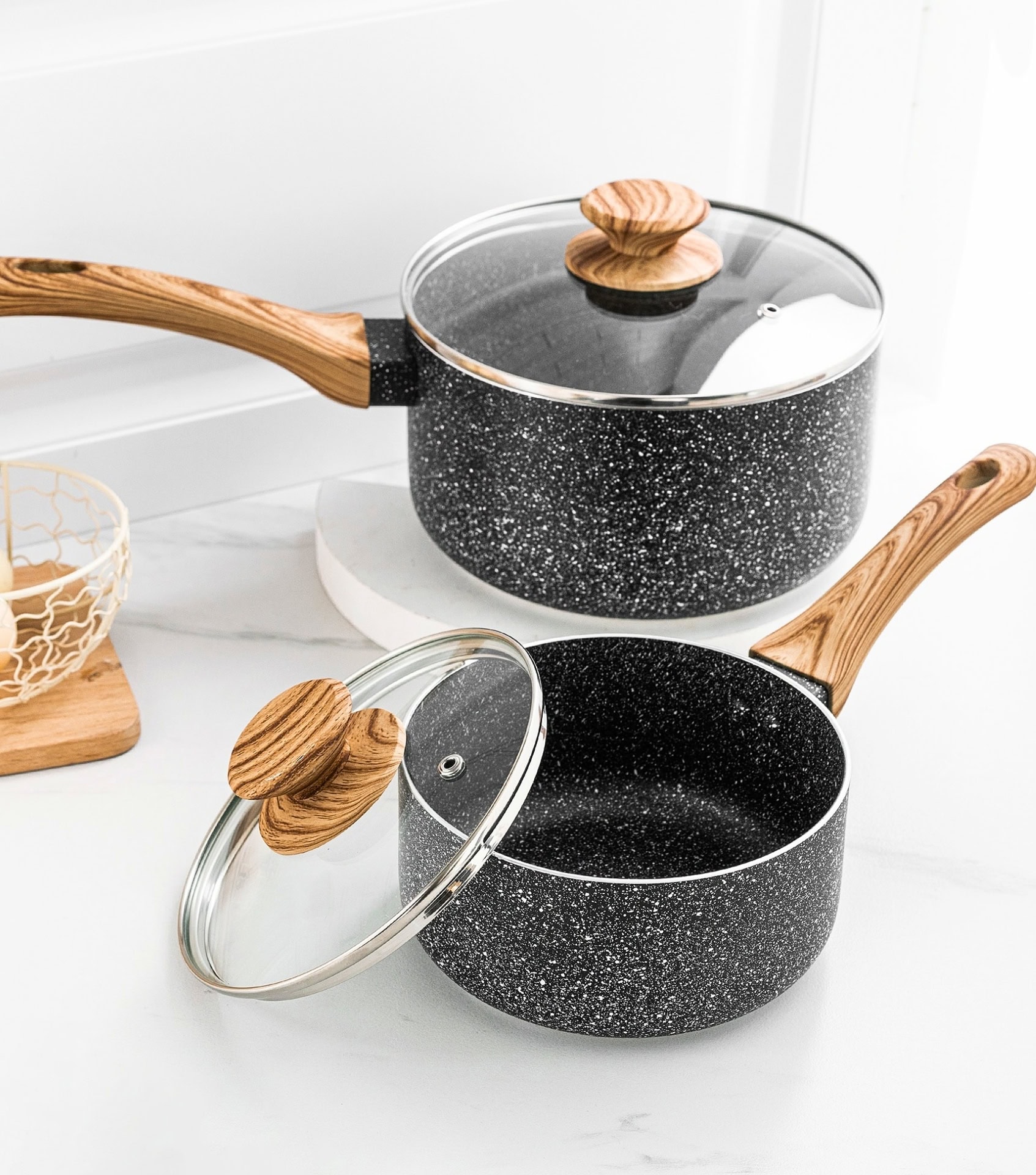
Granite cookware does not actually contain real granite stone. It is usually made from metal, like aluminum or stainless steel, coated with a granite-like surface. This surface is a type of non-stick coating designed to look like natural granite. The coating contains minerals and sometimes ceramic particles to make it strong and scratch-resistant.
Key materials in granite cookware:
- Base metal: Aluminum or stainless steel, which heats evenly and quickly.
- Granite-like coating: Non-stick layer made from ceramic and mineral particles.
- Protective layers: Several layers of coating improve durability and prevent peeling.
The coating is free from harmful chemicals like PFOA and PTFE found in some older non-stick pans. This makes granite cookware safer for cooking at moderate temperatures. The surface is also resistant to scratches and chips, which helps keep food from sticking and makes cleaning easier.
| Material | Purpose | Safety Feature |
|---|---|---|
| Aluminum / Stainless Steel | Heat conduction and pan structure | Non-reactive, durable base |
| Granite-like Coating | Non-stick surface and scratch resistance | Free from PFOA/PTFE, safer cooking |
| Protective Layers | Improves coating strength and longevity | Prevents peeling and flaking |
Types Of Granite Cookware
Granite cookware comes in several types, based on material and design. Each type offers different benefits and suits various cooking styles. Understanding these types helps pick the best option for your kitchen.
Common types of granite cookware include:
- Granite-coated aluminum pans: Lightweight and heat quickly. Good for everyday cooking.
- Granite-coated stainless steel pans: Heavier but more durable. Suitable for high heat and long cooking.
- Hard-anodized granite cookware: Extra strong and resistant to scratches. Lasts longer.
- Granite ceramic cookware: Combines granite look with ceramic coating for non-stick and safe cooking.
Here is a quick comparison table:
| Type | Weight | Durability | Heat Conductivity | Best For |
|---|---|---|---|---|
| Granite-coated Aluminum | Light | Moderate | Excellent | Everyday cooking |
| Granite-coated Stainless Steel | Heavy | High | Good | High heat cooking |
| Hard-anodized Granite | Medium | Very high | Good | Long-lasting use |
| Granite Ceramic | Light to Medium | High | Good | Non-stick, safe cooking |
Choosing the right type depends on your cooking needs and preferences. Granite cookware offers a safe, non-stick option with a stylish look. It fits well in most kitchens.
Health And Safety Concerns
Many people wonder about the safety of granite cookware in their kitchens. Health and safety concerns often arise because cookware directly contacts food. Understanding the risks and certifications can help you make a safe choice. This section explores possible chemical risks and the non-toxic claims surrounding granite cookware.
Potential Chemical Risks
Granite cookware usually has a non-stick coating infused with ceramic or other materials. Some coatings may contain chemicals that raise health concerns. One key worry is the presence of PTFE (polytetrafluoroethylene) or PFOA (perfluorooctanoic acid). These chemicals can release harmful fumes if overheated.
Common chemical risks include:
- Release of toxic fumes: Overheated coatings may emit gases that irritate lungs.
- Coating degradation: Scratches can cause coatings to chip and mix with food.
- Heavy metal contamination: Some low-quality granite cookware may contain lead or cadmium.
Here is a quick comparison of risks in different cookware types:
| Cookware Type | Chemical Risk | Risk Level |
|---|---|---|
| Granite (with PTFE) | Fumes when overheated | Moderate |
| Granite (ceramic coating) | Lower chemical risk | Low |
| Aluminum (uncoated) | Metal leaching | High |
| Stainless Steel | Minimal chemical risk | Very Low |
Choosing granite cookware without PTFE and PFOA can reduce risks. Use proper care to avoid scratches. Avoid cooking at very high temperatures to prevent fumes. These steps help maintain a safer cooking environment.
Non-toxic Claims And Certifications
Many granite cookware brands claim their products are non-toxic. These claims often depend on the materials and coatings used. Look for certifications to confirm safety and non-toxicity. Trusted certifications include:
- FDA approval: Ensures materials are safe for food contact.
- LFGB certification: German standard for food safety and chemical limits.
- Prop 65 compliance: California’s list of harmful chemicals to avoid.
Non-toxic cookware usually features:
- PTFE and PFOA free coatings.
- Lead and cadmium free surfaces.
- Durable, scratch-resistant finishes.
Brands often highlight these features on packaging or product descriptions. Always check labels and product details before buying. Keep in mind that no certification guarantees zero risk, but it lowers chances of exposure to harmful substances.
Here is a summary of common certifications and what they mean:
| Certification | Focus Area | Importance |
|---|---|---|
| FDA | Food contact safety | High |
| LFGB | Chemical safety limits | Very High |
| Prop 65 | Harmful chemicals warning | Medium |
Choosing granite cookware with these certifications helps protect health. Regularly inspect your cookware for damage. Replace cookware if coatings start to peel or crack. Safe use combined with certified products leads to better kitchen safety.
Durability And Performance
Granite cookware is popular for its look and cooking ability. Its durability and performance are key reasons many choose it. This type of cookware can handle high heat and resist damage from daily use. Understanding these traits helps decide if granite cookware fits your kitchen needs.
Heat Resistance
Granite cookware stands out for its strong heat resistance. It can safely handle high cooking temperatures without cracking or warping. This makes it perfect for frying, sautéing, and baking.
- High heat tolerance: Most granite cookware can withstand heat up to 500°F (260°C).
- Even heat distribution: The granite coating helps spread heat evenly, avoiding hot spots.
- Oven safe: Many granite pans can go from stovetop to oven safely.
Heat resistance reduces the chance of damage during cooking. It also helps food cook more evenly, improving the overall performance of the cookware.
| Feature | Benefit |
|---|---|
| High Heat Tolerance | Withstands temperatures up to 500°F (260°C) |
| Even Heat Distribution | Prevents hot spots and uneven cooking |
| Oven Safe | Allows versatile cooking methods |
Scratch And Chip Resistance
Granite cookware is known for being scratch and chip resistant. The tough granite coating protects the pan’s surface from damage caused by metal utensils or rough cleaning.
Here are key points about its durability:
- Hard surface: The granite layer is harder than many non-stick coatings.
- Long-lasting finish: Resists scratches better than traditional non-stick pans.
- Care tips: Use wooden or silicone utensils to keep the surface smooth.
Although granite cookware is durable, it is not fully immune to chips. Dropping or banging the pan on hard surfaces can cause damage. Proper care ensures the cookware stays in good shape for years.
| Durability Aspect | Details |
|---|---|
| Scratch Resistance | Granite coating resists scratches from daily use |
| Chip Resistance | Strong but can chip if dropped or hit hard |
| Recommended Utensils | Wood, silicone, or plastic to prevent damage |

Credit: safetouseit.com
Comparing Granite To Other Cookware
Granite cookware has gained popularity for its durability and attractive finish. It offers a different cooking experience compared to traditional cookware types. Comparing granite to other cookware helps to understand its safety and performance better. This section examines how granite stands against common options like non-stick and stainless steel pans.
Granite Vs Non-stick
Granite cookware often features a natural stone coating, which differs from the synthetic surface of non-stick pans. Non-stick pans usually contain chemicals like PTFE or PFOA, which can release harmful fumes if overheated. In contrast, granite-coated pans tend to be free from these chemicals, making them a safer choice for many users.
Key differences include:
- Durability: Granite coatings are harder and resist scratches better than many non-stick surfaces.
- Heat resistance: Granite pans can handle higher temperatures without releasing toxins.
- Maintenance: Non-stick pans require careful use to avoid damaging the coating, while granite is more forgiving.
- Food release: Non-stick pans generally have better food release but can degrade faster.
| Feature | Granite Cookware | Non-Stick Cookware |
|---|---|---|
| Coating Material | Natural stone or mineral-based | PTFE or ceramic-based |
| Scratch Resistance | High | Low to moderate |
| Heat Tolerance | Up to 450°F (232°C) | Up to 350-400°F (177-204°C) |
| Health Safety | Generally free from harmful chemicals | May release fumes if overheated |
| Cleaning | Dishwasher safe, but hand washing preferred | Hand wash recommended to preserve coating |
Granite Vs Stainless Steel
Stainless steel cookware is known for its strength and resistance to corrosion. It does not have a coating, unlike granite cookware, which can affect cooking style and safety. Stainless steel pans heat evenly but can cause food to stick without enough oil or butter.
Comparing both types:
- Non-reactive surface: Granite coatings prevent food from reacting with the metal. Stainless steel is also non-reactive but may sometimes cause slight sticking.
- Cleaning: Stainless steel is easier to clean and can handle abrasive scrubbing. Granite needs gentle care to keep the coating intact.
- Weight: Granite cookware tends to be heavier due to the coating. Stainless steel pans are often lighter and easier to handle.
- Heat conduction: Stainless steel heats quickly but unevenly unless it has an aluminum core. Granite pans provide more uniform heating.
| Aspect | Granite Cookware | Stainless Steel Cookware |
|---|---|---|
| Surface | Stone-based coating | Metal (no coating) |
| Stick Resistance | Good, but less than non-stick | Moderate, requires oil |
| Cleaning | Hand wash recommended | Dishwasher safe, durable |
| Weight | Heavier | Lighter |
| Durability | Coating may wear over time | Very durable, lasts long |
Maintenance And Care
Granite cookware offers a natural and sturdy option for cooking. To keep it safe and long-lasting, proper maintenance and care are essential. Regular cleaning and careful handling help preserve its non-stick surface and prevent damage. Following simple steps extends the life of your cookware and keeps it performing well.
Cleaning Tips
Clean granite cookware gently to maintain its smooth surface. Avoid harsh scrubbing or abrasive cleaners that can wear down the coating. Use warm water and mild dish soap for best results. Let the pan cool before washing to avoid warping.
- Use a soft sponge or cloth for cleaning.
- Rinse thoroughly to remove soap residue.
- Dry with a soft towel to prevent water spots.
- For stuck food, soak the pan in warm soapy water for 10-15 minutes.
Do not use steel wool or metal brushes. These tools can scratch the granite surface, reducing its non-stick quality. Avoid putting granite cookware in the dishwasher unless the manufacturer allows it. The strong detergents and heat may damage the coating over time.
| Do | Don’t |
|---|---|
| Wash with warm soapy water | Use abrasive scrubbers |
| Dry immediately after washing | Put in dishwasher (unless specified) |
| Soak for stuck-on food | Use harsh chemical cleaners |
Avoiding Damage
Protect granite cookware by handling it with care. Sudden temperature changes can cause cracking or warping. Always heat the pan gradually and avoid placing a hot pan directly under cold water. Use wooden, silicone, or plastic utensils to prevent scratching the surface.
- Heat the pan slowly on low to medium heat.
- Do not use metal utensils that scrape the coating.
- Store cookware carefully to avoid chipping.
- Keep away from sharp objects or heavy pots that can cause damage.
Check the manufacturer’s instructions for maximum temperature limits. Avoid overheating, which can break down the non-stick layer and release harmful fumes. Proper use and storage keep granite cookware safe and effective for years.
Consumer Experiences
Consumer experiences reveal many insights about the safety of granite cookware. Many users share their stories online about how these pots and pans perform in daily cooking. These experiences help others decide if granite cookware fits their kitchen needs. Both positive and negative feedback exist, showing the practical side of using this type of cookware. Understanding these opinions highlights common issues and benefits.
Common Complaints
Some consumers have faced challenges with granite cookware. The most reported problems include:
- Coating peeling: Over time, the granite coating may start to peel or chip, especially with metal utensils.
- Uneven heating: A few users notice hot spots where food cooks faster in some areas.
- Scratches and stains: Granite surfaces can scratch easily and sometimes stain from acidic foods.
- Weight: Some find granite cookware heavier than other types, making it harder to handle.
- Cleaning difficulties: Stuck-on food can be tough to remove without damaging the coating.
The table below summarizes these common complaints and their possible causes:
| Complaint | Possible Cause | Impact |
|---|---|---|
| Coating Peeling | Using metal utensils or harsh cleaning | Reduces cookware lifespan |
| Uneven Heating | Low-quality base material | Food cooks unevenly |
| Scratches & Stains | Improper cleaning or acidic foods | Appearance worsens |
| Heavy Weight | Thick granite coating and base | Harder to handle |
| Cleaning Difficulties | Sticky food and delicate surface | More effort needed |
These complaints do not always mean the cookware is unsafe but indicate care is needed.
Positive Feedback
Many users praise granite cookware for its benefits. They appreciate the following features:
- Non-stick surface: Food releases easily, reducing the need for oil.
- Durability: High-quality granite cookware lasts long when used properly.
- Even heat distribution: Good models provide consistent cooking temperatures.
- Easy to clean: Smooth surface often cleans with minimal effort.
- Health safety: Many consumers trust the cookware is free from harmful chemicals like PFOA and PTFE.
Here is a quick overview of the positive points and their benefits:
| Feature | Benefit |
|---|---|
| Non-stick Surface | Healthier cooking with less oil |
| Durability | Long-lasting cookware saves money |
| Even Heat | Food cooks evenly and tastes better |
| Easy Cleaning | Less time spent on washing |
| Health Safety | Peace of mind for families |
Consumers often recommend using silicone or wooden utensils to protect the surface. They also suggest gentle cleaning methods. These habits extend the cookware’s life and keep it safe to use.
Making The Right Choice
Choosing the right cookware is important for healthy cooking and lasting use. Granite cookware often looks appealing because of its style and non-stick surface. But safety and quality matter most when picking the best pots and pans. Understanding key points helps make the right choice in granite cookware.
Factors To Consider
Granite cookware is usually made by coating metal pans with a stone-like finish. This finish is often called “granite” but is not real granite stone. It offers a smooth, non-stick surface that cooks food evenly.
Look closely at these factors before buying:
- Material Quality: Check if the base is aluminum or stainless steel. Aluminum heats fast but may wear out quicker.
- Non-Toxic Coating: Confirm the coating is free of harmful chemicals like PFOA and PTFE.
- Heat Resistance: Make sure the cookware can handle the heat you use in your kitchen without damage.
- Durability: Good granite cookware resists scratches and chips better than cheap versions.
- Ease of Cleaning: Non-stick surfaces should clean easily without harsh scrubbing.
Here is a quick comparison table to understand these points better:
| Factor | Good Granite Cookware | Low-Quality Granite Cookware |
|---|---|---|
| Material | Aluminum or stainless steel base | Thin metal base, often aluminum only |
| Coating Safety | PFOA and PTFE free | May contain harmful chemicals |
| Heat Resistance | Handles medium to high heat | Prone to damage at high heat |
| Durability | Scratch and chip resistant | Scratches and chips easily |
| Cleaning | Easy to clean, dishwasher safe | Requires careful hand wash |
Budget And Longevity
Granite cookware prices vary widely. Cost often reflects material quality and brand reputation. Spending a bit more usually means better durability and safety.
Consider these points when thinking about budget and lifespan:
- Initial Cost vs. Long-Term Use: Cheap pans may need replacement sooner, costing more over time.
- Warranty and Brand Support: Good brands offer warranties, showing confidence in their product.
- Maintenance Needs: Some granite cookware lasts longer with simple care.
Below is a breakdown of typical price ranges and what to expect:
| Price Range | Expected Quality | Average Lifespan |
|---|---|---|
| Under $30 | Basic coating, lower durability | 1–2 years |
| $30 – $70 | Better coating, moderate durability | 3–5 years |
| Above $70 | High-quality coating, strong build | 5+ years |
Choose cookware that fits your budget but does not compromise safety or lifespan. Spending wisely saves money and stress over time.
Credit: www.sustainablejungle.com

Credit: sustainablereview.com
Frequently Asked Questions
Is Granite Cookware Truly Safe For Cooking?
Granite cookware is safe when it has a non-toxic coating. It doesn’t release harmful chemicals or metals during cooking. Always choose certified, high-quality granite cookware to ensure food safety and durability.
Can Granite Cookware Withstand High Cooking Temperatures?
Yes, granite cookware can withstand high heat. It distributes heat evenly without warping. However, avoid sudden temperature changes to prevent cracking and prolong its lifespan.
Does Granite Cookware Contain Harmful Chemicals?
Quality granite cookware is free from harmful chemicals like PFOA and PTFE. It uses natural materials and safe non-stick coatings, making it a healthier cooking option.
How Does Granite Cookware Compare To Traditional Cookware?
Granite cookware offers better heat distribution and is often non-stick. It is more durable and easier to clean than traditional pans. Its safety and performance make it a popular choice.
Conclusion
Granite cookware offers strong and durable options for cooking. It does not release harmful chemicals into food. Many people trust granite for everyday meal preparation. Cleaning granite cookware is simple and quick. It works well on most stovetops and ovens.
Just avoid sudden temperature changes to keep it safe. Choosing quality granite cookware helps ensure safe use. Overall, granite cookware can be a healthy choice in the kitchen. Care and proper use keep it lasting a long time. Safe, reliable, and easy to use—granite cookware fits many kitchens.

Hello, This is Annie Walker, a 38-year-old blogger, founder, and editor of Cookware Guider from NY, USA. I am a cookware fanatic and passionate cooker. I love to cook with different types of cooking appliances (example: all types of cookware, rice cookers, slow cookers, etc) almost every day in my kitchen. I love to share my experience with my readers in my blog. Also, I enjoy helping people to solve their problems through my website. You can follow me on Twitter & Pinterest. To know details about my blog please check the about us page.