
Are you worried about what’s really in your cookware? If you’ve been thinking about switching to ceramic non stick pans, you’re not alone.
Many people ask: Is ceramic non stick cookware safe for you and your family? You want to cook delicious meals without worrying about harmful chemicals or toxins. You’ll discover the truth about ceramic non stick cookware—how it works, its safety, and what you should watch out for.
Keep reading to make sure your kitchen stays a healthy place for everyone.
Ceramic Non Stick Basics
Ceramic non stick cookware has become popular for many kitchens. People want safe, easy-to-clean pots and pans. Understanding the basics of ceramic non stick helps to decide if this cookware fits your needs. Ceramic coatings offer a smooth surface that food does not stick to. This makes cooking and cleaning easier. The materials used and how the coating works affect the safety and performance of the cookware.
How Ceramic Coatings Work
Ceramic coatings are made from a silica-based gel. This gel forms a hard, smooth surface on the pan. The coating is free from chemicals like PTFE or PFOA, which some worry about in traditional non-stick pans.
Here is what happens in ceramic coatings:
- Heat Resistance: Ceramic can handle high heat without breaking down.
- Non-stick Surface: The smooth ceramic layer prevents food from sticking.
- Eco-Friendly: Many ceramic coatings use natural materials and less harmful chemicals.
Unlike traditional non-stick pans, ceramic coatings do not release toxic fumes if overheated. They can last a long time with proper care. Avoid metal utensils to keep the surface smooth. Use lower to medium heat for best results.
| Feature | Ceramic Coatings | Traditional Non-Stick (PTFE) |
|---|---|---|
| Material Base | Silica-based (natural minerals) | Polytetrafluoroethylene (PTFE) |
| Heat Tolerance | Up to 450°F (232°C) | Up to 500°F (260°C), but toxic fumes above 500°F |
| Toxic Fumes | No toxic fumes | May release toxic fumes if overheated |
| Durability | Moderate, can chip or wear over time | High, but coating can peel |
Types Of Ceramic Cookware
Ceramic cookware comes in different forms. The main types depend on the coating and base material. Each type works best for certain cooking needs.
Here are popular types:
- 100% Ceramic Cookware: Made completely from ceramic material. It heats evenly and holds heat well. Ideal for slow cooking and baking.
- Ceramic-Coated Cookware: Metal pans coated with ceramic layers. These are lightweight and good for frying or sautéing.
- Hard-Anodized Ceramic: Combines hard-anodized metal with ceramic coating. Offers durability and better heat conduction.
Each type has pros and cons. For example, 100% ceramic is fragile but very safe. Ceramic-coated pans are more versatile but need careful use to avoid scratches.
| Type | Material | Best Use | Care Tips |
|---|---|---|---|
| 100% Ceramic | Pure ceramic (clay) | Baking, slow cooking | Hand wash, avoid sudden temperature changes |
| Ceramic-Coated Metal | Aluminum or steel base with ceramic layer | Frying, sautéing | Use wooden or silicone utensils |
| Hard-Anodized Ceramic | Hard-anodized aluminum with ceramic coating | Everyday cooking | Avoid metal tools, hand wash preferred |

Credit: thecookwareadvisor.com
Health Aspects Of Ceramic Cookware
Ceramic non-stick cookware has gained popularity for its sleek look and ease of use. Many people wonder about its health effects and whether it is truly safe for daily cooking. Understanding the health aspects of ceramic cookware helps in making smart choices for your kitchen and family.
Chemical Components And Safety
Ceramic cookware uses a coating made from natural materials, mainly silica-based minerals. This coating is free from harmful chemicals like PTFE (polytetrafluoroethylene) and PFOA (perfluorooctanoic acid), common in traditional non-stick pans. These chemicals have raised health concerns over the years.
The ceramic layer is created by applying a liquid inorganic coating on metal, then baking it at high temperatures. This process results in a hard, smooth surface that resists sticking and scratches.
- Non-toxic coating: No harmful fumes or chemicals release during cooking.
- Heat resistant: Can handle medium to high heat without breaking down.
- Environmentally friendly: Made from natural minerals and often biodegradable.
| Feature | Ceramic Cookware | Traditional Non-Stick |
|---|---|---|
| PTFE | None | Present |
| PFOA | None | Present (in older products) |
| Toxic Fume Risk | Very Low | Higher at high heat |
| Durability | Moderate | High |
Summary: Ceramic cookware is generally safe and free from toxic chemicals. It offers a non-stick surface without worrying about harmful coatings.
Potential Risks And Concerns
Ceramic cookware is safer than many alternatives, but some risks exist. The ceramic coating can wear out or chip after long use. When damaged, it may lose its non-stick ability, and food might stick more.
Some cheaper ceramic pans may contain heavy metals like lead or cadmium in the coating. These metals can be harmful if they leach into food. Always buy ceramic cookware from trusted brands that test for safety.
- Coating wear: Avoid using metal utensils to prevent scratches.
- Temperature limits: High heat can crack or damage the ceramic layer.
- Quality variation: Low-quality products may not meet safety standards.
Use these tips to reduce risks:
- Buy cookware from reputable sources.
- Use soft utensils such as silicone or wood.
- Cook on low to medium heat.
- Replace cookware if the coating is chipped or peeling.
Health safety depends on proper use and product quality. Regularly check the cookware for damage. Avoid overheating and follow manufacturer instructions for the longest safe use.
Comparing Ceramic To Other Non Stick Options
Choosing the right non-stick cookware can affect cooking ease and health safety. Ceramic cookware has gained popularity as a non-stick choice. Comparing ceramic to other non-stick types helps understand its safety and performance. This section explores how ceramic stacks up against common options like Teflon.
Ceramic Vs. Teflon
Ceramic and Teflon are two popular non-stick coatings. Both make cooking and cleaning easier but differ in materials and safety.
Ceramic cookware uses a silica-based coating derived from sand. It is free from PTFE and PFOA chemicals found in some Teflon products. This makes ceramic a chemical-free option for many users.
Teflon is a brand name for polytetrafluoroethylene (PTFE). It creates a very smooth, non-stick surface but may release harmful fumes if overheated above 500°F (260°C).
- Heat resistance: Ceramic can handle higher temperatures safely.
- Safety: Ceramic has no toxic fumes risk under normal use.
- Non-stick power: Teflon generally offers stronger initial non-stick properties.
- Environmental impact: Ceramic coatings are more eco-friendly.
| Feature | Ceramic | Teflon |
|---|---|---|
| Main Material | Silica-based, natural | PTFE (synthetic polymer) |
| Heat Tolerance | Up to 850°F (450°C) | Up to 500°F (260°C) |
| Health Concerns | No known toxic fumes | Fumes can be harmful if overheated |
| Non-stick Quality | Good, may weaken over time | Excellent, but can scratch easily |
| Eco-friendliness | More environmentally friendly | Less eco-friendly |
Durability And Performance Differences
Durability affects cookware lifespan and value. Ceramic and Teflon differ in how long they last and their cooking performance.
Ceramic coatings tend to wear down faster. Over time, the surface may lose some non-stick ability and become prone to chipping. Careful use of wooden or silicone utensils can help extend its life.
Teflon coatings usually last longer if handled gently. Scratches can reduce non-stick power and release particles. Avoid metal utensils and abrasive cleaners to maintain Teflon’s surface.
- Ceramic: Best for medium heat cooking, less prone to scratching but may chip.
- Teflon: Better for low to medium heat, very smooth but scratch-sensitive.
| Durability Aspect | Ceramic | Teflon |
|---|---|---|
| Scratch Resistance | Moderate resistance | Low resistance |
| Wear Over Time | Coating thins, may chip | Coating wears but rarely chips |
| Cleaning | Easy with gentle scrubbing | Needs careful cleaning to avoid scratches |
| Performance Consistency | Can decline after months of use | Remains consistent longer with care |
Performance tips:
- Use low to medium heat for both types.
- Avoid metal utensils.
- Hand wash to protect coating.
- Replace cookware if coating peels or chips.
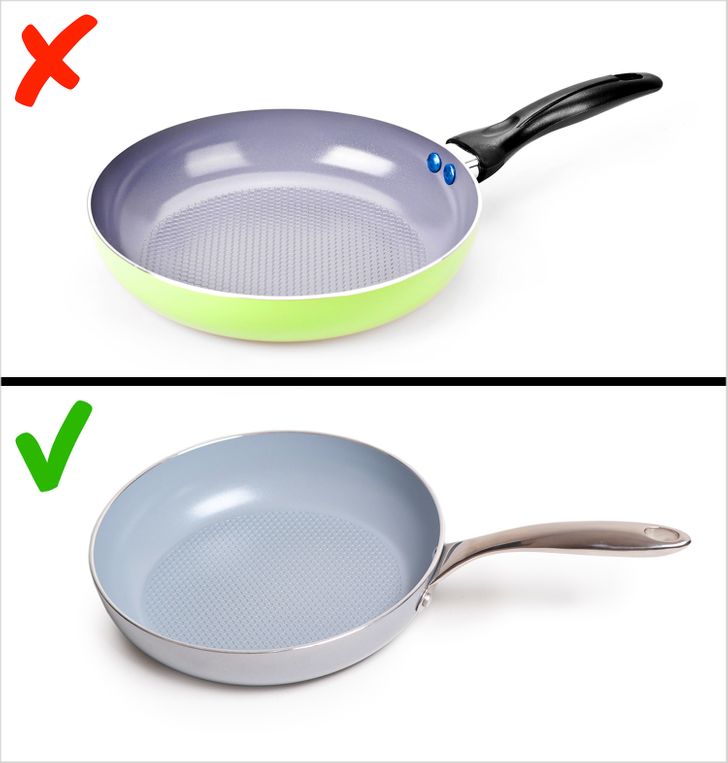
Credit: brightside.me
Usage Tips For Safety
Ceramic non-stick cookware offers a healthier and eco-friendly option for cooking. To keep it safe and extend its life, proper usage is important. Following specific safety tips helps prevent damage and ensures the cookware works well for a long time. Focus on correct heating methods and proper cleaning to protect the ceramic coating and avoid health risks.
Proper Heating Practices
Using ceramic non-stick cookware safely starts with how you heat it. Avoid exposing the pan to very high heat. Ceramic coatings can break down or crack if overheated. Medium or low heat is best for cooking with these pans.
- Preheat Slowly: Heat the pan gradually to avoid sudden temperature changes.
- Use Medium or Low Heat: High heat can damage the non-stick surface.
- Avoid Empty Heating: Do not heat the pan empty for a long time; this can cause overheating.
- Use Suitable Cookware Size: Match the pan size with the burner to ensure even heating.
Here is a quick guide for heating ceramic cookware safely:
| Heating Step | Recommended Action | What to Avoid |
|---|---|---|
| Preheating | Start on low heat and raise gradually | High heat from start |
| Cooking | Use medium or low heat | Using high heat for long time |
| Burner Size | Choose pan matching burner size | Pan smaller or bigger than burner |
Using these methods prevents damage and keeps the ceramic coating intact. It also keeps food safe and tasty.
Cleaning And Maintenance
Cleaning ceramic non-stick cookware correctly keeps it safe and working well. Avoid harsh scrubbing or strong chemicals that can damage the coating. Use gentle cleaning tools and mild detergents.
- Cool Before Cleaning: Let the pan cool down before washing to avoid cracking.
- Hand Wash Only: Avoid dishwashers as they may wear the coating fast.
- Use Soft Sponges: Use non-abrasive sponges or cloths to clean the surface.
- Remove Stubborn Food: Soak the pan in warm water for a few minutes before cleaning tough spots.
Follow this cleaning routine for best results:
- Rinse the pan with warm water.
- Add a few drops of mild dish soap.
- Gently scrub with a soft sponge.
- Rinse thoroughly and dry with a soft towel.
- Store in a dry place to avoid moisture damage.
Proper maintenance also includes avoiding metal utensils that can scratch the surface. Use wooden, silicone, or plastic tools instead. Regular care keeps the non-stick surface smooth and safe for cooking.
Environmental Impact
The environmental impact of ceramic non-stick cookware draws attention from eco-conscious consumers. Many wonder if these pans harm the planet or offer a greener choice compared to traditional non-stick options. Understanding how ceramic coatings affect the environment helps make better kitchen decisions. This section explores the eco-friendliness of ceramic coatings and what happens to the cookware after its use.
Eco-friendliness Of Ceramic Coatings
Ceramic coatings are made from natural materials like sand and minerals. Unlike some traditional non-stick coatings, ceramic does not contain harmful chemicals such as PFOA or PTFE. These chemicals can release toxic fumes when overheated and pose environmental risks during manufacturing and disposal.
Key benefits of ceramic coatings for the environment:
- Non-toxic materials: Ceramic coatings use fewer synthetic chemicals.
- Lower emissions during production: Manufacturing ceramic coatings produces less pollution.
- Biodegradable elements: Some components of ceramic coatings can break down naturally.
Here is a comparison of common cookware coatings and their environmental impact:
| Coating Type | Contains Harmful Chemicals | Production Emissions | Biodegradability |
|---|---|---|---|
| Ceramic | No | Low | Partial |
| PTFE (Teflon) | Yes (PFOA, PFAS) | High | No |
| Cast Iron | No | Moderate | Yes |
Choosing ceramic cookware supports a less toxic kitchen and reduces chemical pollution. It offers a safer option for people and nature alike.
Disposal And Longevity
The lifespan and disposal methods of ceramic non-stick cookware impact the environment significantly. High-quality ceramic pans often last several years with proper care. Longer use means less waste and fewer products ending in landfills.
Tips to extend ceramic cookware life:
- Use wooden or silicone utensils to avoid scratching.
- Clean with mild soaps and soft sponges.
- Avoid overheating, which can damage the coating.
When ceramic cookware reaches the end of its life, disposal options vary. Ceramic coatings are not fully biodegradable but degrade better than synthetic coatings. The metal base of pans can often be recycled.
Disposal considerations:
- Separate metal parts for recycling.
- Check local recycling programs for cookware.
- Consider donating usable pans to reduce waste.
The durability of ceramic cookware reduces the need for frequent replacement. This lowers the overall environmental footprint compared to less durable non-stick options.
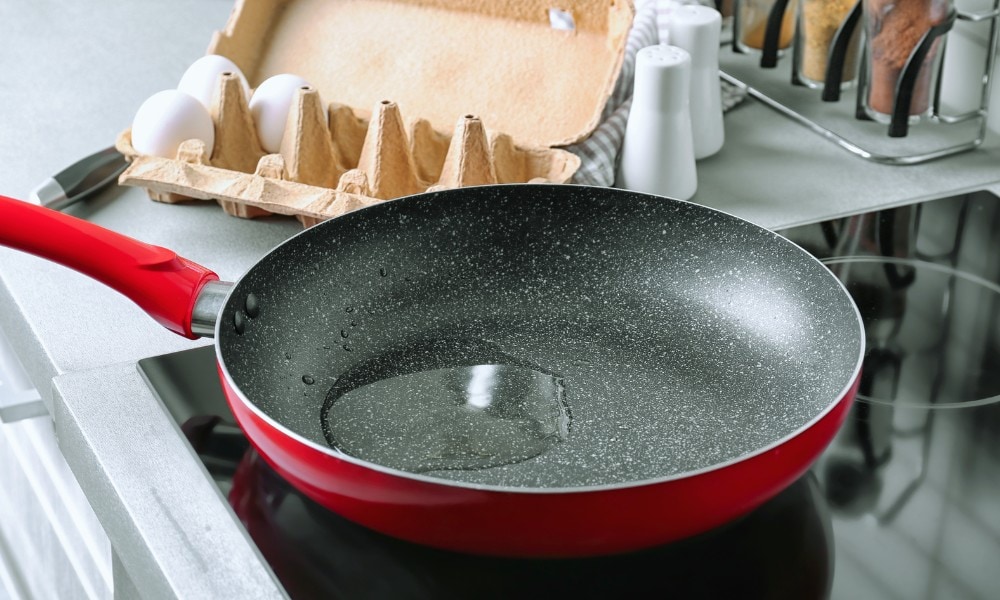
Credit: theskillfulcook.com
Frequently Asked Questions
Is Ceramic Non Stick Cookware Safer Than Traditional Non-stick?
Yes, ceramic cookware is generally safer. It uses a natural, non-toxic coating without PTFE or PFOA chemicals. This reduces health risks linked to traditional non-stick pans, making ceramic a healthier option for everyday cooking.
Can Ceramic Cookware Release Harmful Chemicals When Heated?
No, ceramic cookware does not release harmful chemicals when heated. It is free from toxic substances like PTFE and PFOA. This makes it a safer choice for cooking at high temperatures without worrying about chemical fumes.
How Long Does Ceramic Non Stick Coating Last?
Ceramic non-stick coatings typically last 1 to 3 years. Longevity depends on usage and care, including avoiding metal utensils and high heat. Proper maintenance extends the coating’s life, preserving its non-stick properties effectively.
Is Ceramic Cookware Safe For High Heat Cooking?
Ceramic cookware is safe for moderate to medium-high heat but not extreme heat. Excessive temperatures can damage the coating. Use medium heat for best results and longer lifespan of your ceramic cookware.
Conclusion
Ceramic non stick cookware offers a safer option for everyday cooking. It does not release harmful chemicals at normal temperatures. Cleaning is easy, and food tends to stick less. Still, avoid overheating to keep the coating intact. Choose quality brands for better durability and safety.
Proper care helps the cookware last longer. This makes ceramic non stick a smart choice for many kitchens. Safe, simple, and effective—ceramic cookware fits well in most homes. Your cooking can stay healthy without extra worry. A good kitchen tool for daily meals.

Hello, This is Annie Walker, a 38-year-old blogger, founder, and editor of Cookware Guider from NY, USA. I am a cookware fanatic and passionate cooker. I love to cook with different types of cooking appliances (example: all types of cookware, rice cookers, slow cookers, etc) almost every day in my kitchen. I love to share my experience with my readers in my blog. Also, I enjoy helping people to solve their problems through my website. You can follow me on Twitter & Pinterest. To know details about my blog please check the about us page.