
Silicone bakeware has become a favorite in home kitchens and bakeries around the world. Its bright colors and flexibility make it stand out from traditional metal and glass pans. But what makes silicone bakeware work so well? Is it safe and reliable for everyday baking?
Let’s explore how silicone bakeware works, why it’s popular, and what you need to know before using it.
What Is Silicone Bakeware?
Silicone bakeware is made from a special material called food-grade silicone. This is a synthetic rubber composed mainly of silicon, oxygen, carbon, and hydrogen. Unlike regular rubber, food-grade silicone is designed to handle high and low temperatures without breaking down or releasing harmful chemicals. It is non-toxic, odorless, and tasteless, making it safe for baking and cooking.
Silicone is used to create many kitchen tools, but bakeware items include:
- Muffin pans
- Cake molds
- Loaf pans
- Baking mats
- Cupcake liners
- Bundt pans
The main reason for its popularity is its flexibility. You can bend, fold, or twist silicone bakeware, and it snaps back to its original shape.
How Does Silicone Bakeware Work?
The magic of silicone bakeware lies in its unique material properties. Here’s how it works in your oven and kitchen:
Heat Resistance
Silicone can withstand temperatures from about -40°F to 450°F (sometimes up to 500°F). This means you can take it from the freezer to a hot oven without worrying about warping or melting. The material doesn’t become brittle in the cold or lose its shape in the heat.
Even Heat Distribution
Silicone itself is not a good conductor of heat. Instead of absorbing heat quickly, it allows for gentle and even baking. This helps reduce the risk of burnt edges and undercooked centers. However, this also means that baking times may be slightly longer compared to metal pans, as the heat transfer is slower.
Nonstick Surface
One of the biggest advantages is the nonstick quality of silicone. Food usually releases easily from silicone pans, even without greasing. You can bake cakes, muffins, or brownies and pop them out without scraping or sticking.
Flexibility And Easy Removal
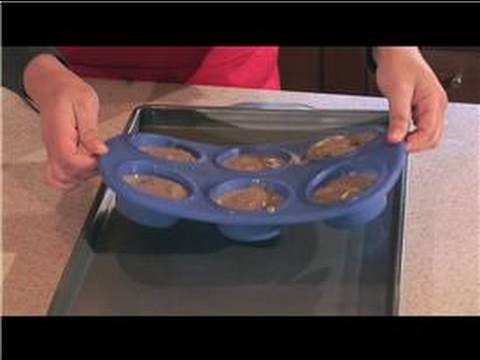
Because silicone is flexible, you can bend or push the pan to release the baked goods. This is especially helpful for delicate treats like madeleines or shaped cakes, where you don’t want to break the edges.
Durability
Food-grade silicone is tough and resistant to cracks, chips, or stains. It doesn’t rust, corrode, or hold onto odors. With proper care, a good silicone pan can last for years.
Comparing Silicone Bakeware To Other Materials
When deciding on bakeware, it helps to compare the main types side by side. Here’s a look at how silicone, metal, and glass pans perform in key areas:
| Feature | Silicone | Metal | Glass |
|---|---|---|---|
| Heat Conductivity | Low | High | Medium |
| Nonstick | Excellent | Good (if coated) | Fair (needs greasing) |
| Flexibility | High | Low | Low |
| Heat Resistance | High | High | High |
| Cleaning | Easy | Easy-Moderate | Easy |
| Durability | Very Good | Excellent | Can Break |
Silicone stands out for its nonstick surface and flexibility. However, it doesn’t brown food as much as metal pans, which can be a downside for some recipes.
The Science Behind Silicone In The Oven
Baking is a science, and the material of your pan affects the final results. Here’s why silicone behaves the way it does:
- Low Thermal Conductivity: Silicone does not transfer heat quickly. Metal pans create crisp edges because they heat up fast, while silicone gives softer edges.
- Heat Stability: Silicone remains stable under high heat, so it won’t leach chemicals or melt if used within safe temperature ranges.
- Moisture Retention: Silicone traps moisture better than metal. This can help make cakes and muffins more moist but may not be ideal for recipes needing a crisp finish.
Non-obvious insight: If you want a crisp crust (like for bread or pies), silicone may not be the best choice. For moist cakes or muffins, it’s ideal.
Credit: www.walmart.com
Practical Tips For Using Silicone Bakeware
Even though silicone is easy to use, a few tips can help you get the best results:
1. Place On A Firm Tray
Silicone pans are floppy. Put them on a metal baking sheet before filling to prevent spills and make moving easier.
2. Check Baking Times
Baked goods in silicone might need a few extra minutes. Start checking at the earliest recommended time, then add as needed.
3. Grease For Certain Recipes
While most foods release easily, some recipes (like angel food cake) may benefit from a light grease or flour dusting.
4. Cool Before Removing
Let baked items cool for a few minutes before unmolding. This helps them hold their shape and release cleanly.
5. Avoid Sharp Utensils
Knives or metal tools can cut or damage silicone. Use plastic, silicone, or wooden utensils instead.
Non-obvious insight: New silicone bakeware may have a slight smell the first few times it’s heated. This is normal and fades after washing and baking.
Cleaning And Maintenance
Cleaning silicone bakeware is usually simple:
- Wash by hand with warm, soapy water or place in the dishwasher.
- For stubborn grease, soak in hot water with baking soda, then scrub gently.
- Avoid strong-smelling soaps, as silicone can absorb odors.
- Store pieces flat or upright to prevent bending or misshaping.
Silicone doesn’t stain easily, but some foods (like tomato sauce) may leave marks. These don’t affect performance.
Safety And Health Considerations
Many people wonder if silicone bakeware is safe. Food-grade silicone has been approved by the U.S. Food and Drug Administration (FDA). When used at normal baking temperatures, it does not release harmful chemicals or react with food.
However, here are a few things to remember:
- Only buy food-grade silicone. Lower-quality products may contain fillers or unsafe additives.
- Avoid baking above the recommended temperature (usually 450°F or 232°C).
- If the bakeware shows signs of sticky residue, cracking, or a strong smell that doesn’t fade, replace it.
For more on silicone safety, you can visit the Wikipedia page on silicone cookware.
When To Use Silicone Bakeware—and When Not To
Silicone bakeware is excellent for:
- Cakes, muffins, and cupcakes
- Brownies and bars
- Egg bites and mini quiches
- Shaped treats (because of easy release)
- Freezer desserts (like ice cream cakes)
But it’s less suitable for:
- Sourdough or crusty bread (needs a crisp crust)
- Roasting meats or vegetables (may not brown well)
- Recipes requiring direct heat, such as broiling
Experience-based tip: For best results, use silicone for moist baked goods and stick with metal for items needing crisp edges.

Credit: www.amazon.com
Common Mistakes To Avoid
Beginners sometimes run into problems with silicone bakeware. Here are mistakes to watch for:
1. Overfilling Molds
Silicone is flexible, so too much batter can spill or overflow. Fill molds only to the recommended level.
2. Skipping The Tray
Moving a filled silicone pan without a support tray can be messy. Always use a baking sheet underneath.
3. Not Adjusting Baking Time
If you use the same time as metal pans, your baked goods may be underdone. Check for doneness with a toothpick.
4. Using Sharp Tools
Cutting inside the pan damages the surface. Remove food first, then cut.
5. Using On Open Flame
Silicone is heat-resistant, but not flame-proof. Never use it on stovetops or under broilers.
Real-world Examples And Data
Many home bakers report that muffins or cupcakes baked in silicone come out with a softer texture and are easy to remove. In a 2022 survey by the Cookware Manufacturers Association, about 40% of US households own at least one piece of silicone bakeware.
Professional chefs sometimes prefer metal for consistent browning but choose silicone for molded desserts or sticky treats. In blind taste tests, cakes from silicone pans scored the same as those from metal pans for flavor, but metal won for crispness.
Credit: www.youtube.com
Buying Quality Silicone Bakeware
If you want to add silicone bakeware to your kitchen, here’s what to look for:
- Food-grade and BPA-free: Always check labels for safety.
- Sturdy construction: Thicker walls hold shape better and last longer.
- Trusted brands: Choose products with good reviews and clear temperature ratings.
- No fillers: Pure silicone is slightly shiny and bends without whitening. If you twist the pan and see white streaks, it may have fillers and is lower quality.
A quick guide for choosing:
| Feature | What to Look For | What to Avoid |
|---|---|---|
| Material | 100% food-grade silicone | Unknown brands, white streaks when bent |
| Temperature Range | -40°F to 450°F or higher | No temperature listed |
| Thickness | Sturdy, doesn’t wobble | Thin, floppy pans |
| Certifications | FDA, BPA-free | Unlabeled products |
Frequently Asked Questions
How Do I Know If My Silicone Bakeware Is Food-grade?
Food-grade silicone is usually labeled as such on the packaging. You can also bend the pan; if it shows white streaks, it may contain fillers. Trusted brands and clear temperature ratings are good signs of safe material.
Can I Use Silicone Bakeware In A Microwave Or Freezer?
Yes, silicone bakeware is safe for both the microwave and freezer. It handles extreme cold and heat without damage, making it very versatile.
Does Silicone Bakeware Affect The Taste Of Food?
High-quality silicone is odorless and tasteless. If your food tastes or smells funny, the bakeware may be poor quality or not fully cured. Try washing it well and baking at a high temperature before first use.
Do I Need To Grease Silicone Bakeware?
Often, you don’t need to grease silicone because of its natural nonstick surface. For some recipes or older bakeware, a light grease or flour dusting can help with easy release.
How Do I Clean And Store Silicone Bakeware?
Wash with warm, soapy water or in the dishwasher. For tough stains, soak in water with baking soda. Store flat or upright, away from sharp objects, to keep its shape.
Silicone bakeware offers many benefits and brings ease to home baking. With a little care and the right recipes, it can help you bake delicious treats with less mess and stress. Whether you’re a beginner or an experienced baker, understanding how silicone bakeware works lets you get the best results in your kitchen.

Hello, This is Annie Walker, a 38-year-old blogger, founder, and editor of Cookware Guider from NY, USA. I am a cookware fanatic and passionate cooker. I love to cook with different types of cooking appliances (example: all types of cookware, rice cookers, slow cookers, etc) almost every day in my kitchen. I love to share my experience with my readers in my blog. Also, I enjoy helping people to solve their problems through my website. You can follow me on Twitter & Pinterest. To know details about my blog please check the about us page.