
Cooking a perfect T-bone steak in a frying pan can feel intimidating, even for people who love steak. The T-bone is famous for its rich flavor, tender texture, and impressive appearance. Many believe you need a grill or restaurant equipment to make it right. But with the right approach, you can get steakhouse results right on your stovetop. This guide will walk you through every detail, from choosing the best cut to finishing with butter, so you can enjoy a juicy, flavorful T-bone at home.
You’ll also discover tips and common mistakes most beginners overlook. Whether you’re cooking for yourself or hoping to impress guests, you’ll find clear steps, practical advice, and answers to questions you didn’t even know to ask. Get ready to turn your kitchen into a steak lover’s paradise.
Understanding The T-bone Steak
The T-bone steak is unique because it includes two different cuts in one: the strip steak (also called New York strip) and the tenderloin (the smaller, softer part). These cuts are separated by a T-shaped bone, which helps the meat cook evenly and keeps it juicy.
A typical T-bone steak weighs about 16–24 ounces (450–680 grams) and is usually 1 to 1.5 inches thick. The thickness matters—a thin steak can overcook quickly, while a thicker steak gives you a better sear and more control over the doneness.
Why The Frying Pan Works
Many people think grilling is the only way to cook a steak, but a frying pan (especially cast iron) can give you a strong, even sear. The pan holds heat well, browns the meat, and lets you add flavor with butter, herbs, and garlic right at the end. If you don’t have a grill or want more control, the frying pan is your best tool.
T-bone Vs. Porterhouse: What’s The Difference?
These two steaks look similar, but there’s a key difference:
| Feature | T-Bone | Porterhouse |
|---|---|---|
| Tenderloin Size | Smaller (usually <1.5 in.) | Larger (usually >1.5 in.) |
| Location on Cow | Front of short loin | Back of short loin |
| Price | Usually less expensive | Often more expensive |
For frying pan cooking, the technique is the same for both, but T-bones are easier to find and usually fit better in a home pan.
Choosing The Right T-bone Steak
Success starts at the store. Look for these signs of a high-quality steak:
- Bright red color: Fresh beef should be bright red, not brown or gray.
- Marbling: Thin white lines of fat throughout the meat. More marbling means more flavor and juiciness.
- Thickness: At least 1 inch thick (1.5 inches is ideal).
- Moist, not wet: The steak should feel moist but not slimy or sticky.
Prime, Choice, Or Select?
U.S. beef is graded by quality. Here’s what to know:
| Grade | Marbling | Flavor | Price |
|---|---|---|---|
| Prime | High | Best | Most expensive |
| Choice | Moderate | Very good | Affordable |
| Select | Low | Less juicy | Least expensive |
Choice is usually the best value for home cooks. Prime is top quality if you want to splurge.
Bone-in Vs. Boneless
T-bone steaks are always bone-in. The bone gives extra flavor and helps keep the meat juicy. You may see boneless strip or tenderloin, but for true T-bone steak, always choose bone-in.
Essential Tools And Ingredients
Before you start, gather everything you need. This keeps the process smooth and prevents mistakes.
Tools
- Heavy frying pan (cast iron is best, stainless steel works)
- Tongs
- Instant-read thermometer (for perfect doneness)
- Spoon (for basting with butter)
- Paper towels
- Cutting board
- Sharp knife
- Aluminum foil (optional, for resting)
Ingredients
- 1 T-bone steak (1–1.5 inches thick, 16–24 oz)
- Kosher salt (about 1 tablespoon)
- Freshly ground black pepper (about 1 teaspoon)
- High-heat cooking oil (like canola, avocado, or grapeseed—1–2 tablespoons)
- 2–3 tablespoons unsalted butter
- 2–3 sprigs fresh thyme or rosemary (optional)
- 2–3 cloves garlic, smashed (optional)
Why These Ingredients?
- Kosher salt is coarse and sticks well, helping form a crust.
- High-heat oil won’t burn at searing temperatures.
- Butter, herbs, and garlic add flavor during finishing.
Pro Tip: Avoid olive oil for searing—it burns at high heat.
Preparing The Steak
Good preparation makes a big difference in the result. Here’s what to do:
Bring To Room Temperature
Take your steak out of the fridge at least 30–60 minutes before cooking. This helps it cook evenly. If you cook a cold steak, the outside burns before the inside cooks.
Dry The Surface
Pat the steak dry with paper towels. Removing moisture helps create a crispy, brown crust.
Seasoning
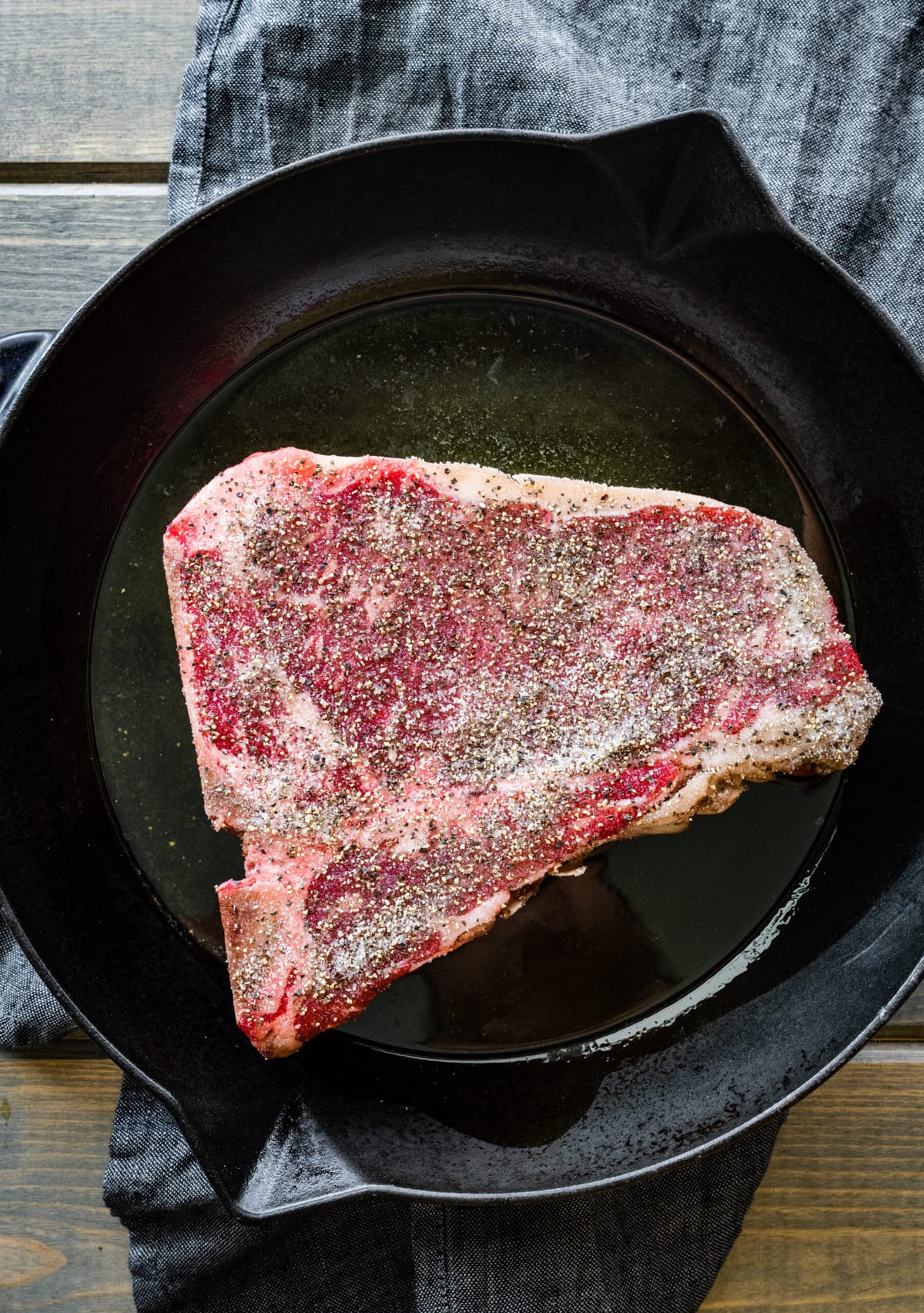
Season the steak generously on both sides and the edges with kosher salt and black pepper. The thick cut can take a lot of seasoning—don’t be shy.
Advanced Tip: Salt the steak at least 40 minutes before cooking, if you have time. The salt will draw out moisture, then re-absorb, making the steak even juicier.
Credit: tipbuzz.com
How To Cook T-bone Steak In Frying Pan: Step-by-step
Here’s the process for a perfect pan-seared T-bone steak.
1. Preheat Your Pan
Set your pan over high heat for at least 3–5 minutes. It should be very hot—almost smoking. This high heat is key for a good sear.
2. Add Oil
Pour in 1–2 tablespoons of high-heat oil. Swirl to coat the bottom. The oil should shimmer but not smoke heavily.
3. Sear The Steak
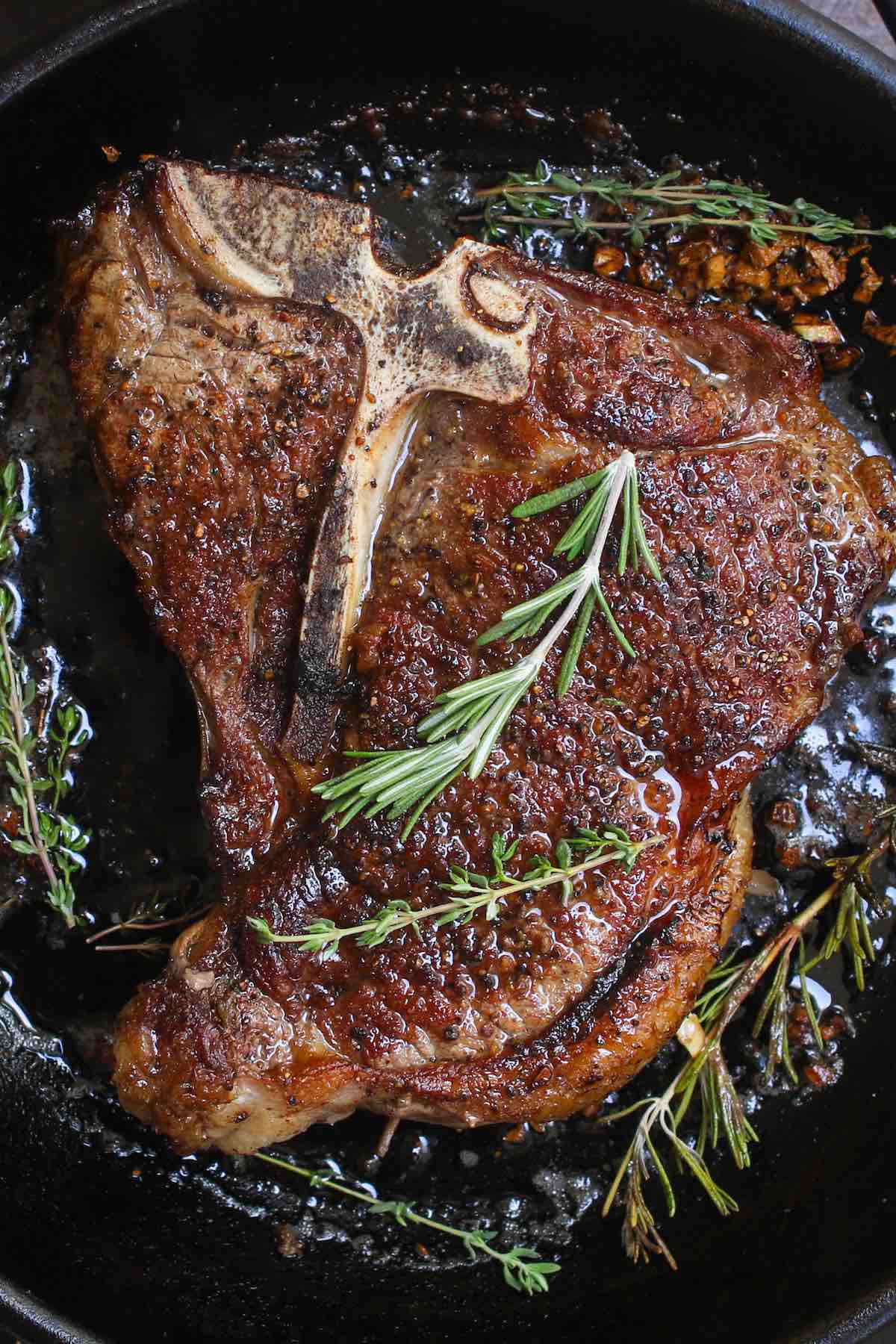
Place the steak in the pan, laying it away from you to prevent splatter. You should hear a loud sizzle. Don’t move it for at least 2–3 minutes. This lets a brown crust form.
4. Flip And Sear The Other Side
Use tongs to flip the steak. Sear the second side for another 2–3 minutes. If your steak is thick, hold it up on the sides (especially the fat cap) for 30 seconds to brown all surfaces.
5. Lower Heat And Add Butter
Turn the heat down to medium-low. Add butter, smashed garlic, and herbs to the pan. As the butter melts, tilt the pan and use a spoon to baste the steak with the melted, flavored butter for 1–2 minutes.
6. Check Doneness
Use an instant-read thermometer to check the center (avoid touching the bone):
- Rare: 120–125°F (49–52°C)
- Medium-rare: 130–135°F (54–57°C)
- Medium: 140–145°F (60–63°C)
- Medium-well: 150–155°F (66–68°C)
- Well-done: 160°F+ (71°C+)
Remember, the steak will rise another 5°F as it rests.
7. Rest The Steak
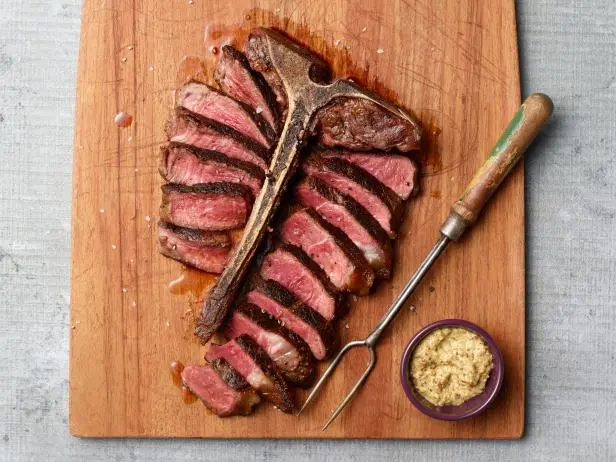
Remove the steak from the pan and set it on a cutting board. Loosely tent with foil (optional) and let it rest for 5–10 minutes. This lets juices settle, so they stay in the meat instead of running out.
8. Slice And Serve
Cut the meat away from the bone, then slice it against the grain. Serve with pan juices or your favorite sides.
Cooking Times And Temperature Guide
How long should you cook a T-bone steak in a frying pan? It depends on thickness and your desired doneness.
| Doneness | 1-inch Steak | 1.5-inch Steak | Final Temp |
|---|---|---|---|
| Rare | 2 min/side | 3 min/side | 125°F (52°C) |
| Medium-rare | 3–4 min/side | 4–5 min/side | 130–135°F (54–57°C) |
| Medium | 4–5 min/side | 6–7 min/side | 140–145°F (60–63°C) |
| Medium-well | 5–6 min/side | 7–8 min/side | 150–155°F (66–68°C) |
Note: These are guidelines. Always use a thermometer for best results.
Flavor Boosters: Simple Upgrades
A steak is great with just salt and pepper, but you can add more flavor with these easy ideas:
- Herb butter: Mix softened butter with chopped parsley, thyme, or chives.
- Garlic basting: Add smashed garlic cloves to the pan with butter.
- Finishing salt: Sprinkle flaky sea salt just before serving.
- Cracked pepper crust: Press extra cracked black pepper into the steak before searing.
Try one or two, not all at once, to keep the steak flavor front and center.
Common Mistakes And How To Avoid Them
Many home cooks make the same errors with T-bone steaks. Here’s what to watch out for:
- Pan not hot enough: A cool pan won’t brown the steak. Preheat until very hot.
- Steak too wet: Wet steak steams instead of searing. Always pat dry.
- Not enough salt: Thick steaks need a lot of seasoning.
- Skipping the rest: Cutting too soon lets juices run out. Always rest.
- Overcooking: Use a thermometer. Err on the side of rare—you can always cook it more.
- Crowding the pan: Cook one steak at a time for best crust.
Hidden Insight: Most beginners forget to sear the fat cap (the edge of the strip side). Sear it by holding the steak upright with tongs for a crisp, tasty bite.
Another Insight: If your steak is very thick (over 1.5 inches), start with a quick sear in the pan, then finish in a 400°F oven for 5–10 minutes for even cooking. This is called the “oven-finish” or “steakhouse method.”
Serving Suggestions
A great steak deserves great sides. Here are some classic pairings:
- Roasted potatoes or mashed potatoes
- Steamed or roasted asparagus
- Sautéed mushrooms
- Classic Caesar salad
- Grilled or roasted vegetables
- Crusty bread to mop up juices
For sauces, try a little chimichurri, peppercorn sauce, or a squeeze of lemon for brightness.
Cleaning Up: How To Care For Your Pan
If you used a cast iron pan, clean it while it’s still warm (not hot). Wipe out excess fat with paper towels, rinse with hot water, and scrub with a stiff brush if needed. Dry fully, then rub with a thin layer of oil.
This keeps your pan non-stick and rust-free.
For stainless steel, soak in hot water, scrub, and dry. Avoid harsh chemicals.
Credit: www.foodnetwork.com
Nutritional Information
A typical 16-ounce T-bone steak (before trimming) contains:
- Calories: 900–1200
- Protein: 80–90 grams
- Fat: 60–80 grams
- Carbohydrates: 0 grams
Steak is rich in iron, zinc, and B vitamins. The calorie and fat content depend on how much fat you trim and whether you eat the fat cap.
Sustainable And Ethical Choices
Consider where your steak comes from. Grass-fed and pasture-raised beef is more sustainable and often has a richer taste. Look for certifications like Certified Humane or USDA Organic for higher animal welfare standards.
For more information, check resources like Wikipedia’s beef page.
Credit: www.cucinabyelena.com
Frequently Asked Questions
How Do I Know When My T-bone Steak Is Done Without A Thermometer?
You can use the finger test—press the steak with your finger and compare the firmness to different parts of your hand. Rare feels soft, medium-rare is slightly springy, and well-done is firm. However, this method takes practice and is less reliable than a thermometer.
Can I Use Butter Instead Of Oil For Searing?
It’s best to use a high-heat oil for the initial sear because butter burns easily. Add butter near the end for flavor and basting.
What If My Steak Is Too Large For The Pan?
If your T-bone is bigger than your pan, cut it in half or sear one side, then shift and finish the other side. Avoid overcrowding—the steak needs full contact with the pan for a good crust.
How Long Should I Rest The Steak After Cooking?
Rest the steak for 5–10 minutes. This lets the juices redistribute, making the steak juicier. Cover loosely with foil, but don’t wrap tightly or it will steam.
Can I Marinate A T-bone Steak?
You can, but most chefs recommend only salt and pepper for top-quality steaks. Marinades can mask the natural flavor. If you want extra flavor, use a simple garlic and herb rub or a quick 30-minute marinade.
Cooking a T-bone steak in a frying pan is an art anyone can master with a little practice. The key is to start with a great cut, use high heat, and finish with patience. Soon, you’ll be making steaks as good—or better—than any restaurant.
Enjoy the process and the delicious results!

Hello, This is Annie Walker, a 38-year-old blogger, founder, and editor of Cookware Guider from NY, USA. I am a cookware fanatic and passionate cooker. I love to cook with different types of cooking appliances (example: all types of cookware, rice cookers, slow cookers, etc) almost every day in my kitchen. I love to share my experience with my readers in my blog. Also, I enjoy helping people to solve their problems through my website. You can follow me on Twitter & Pinterest. To know details about my blog please check the about us page.