
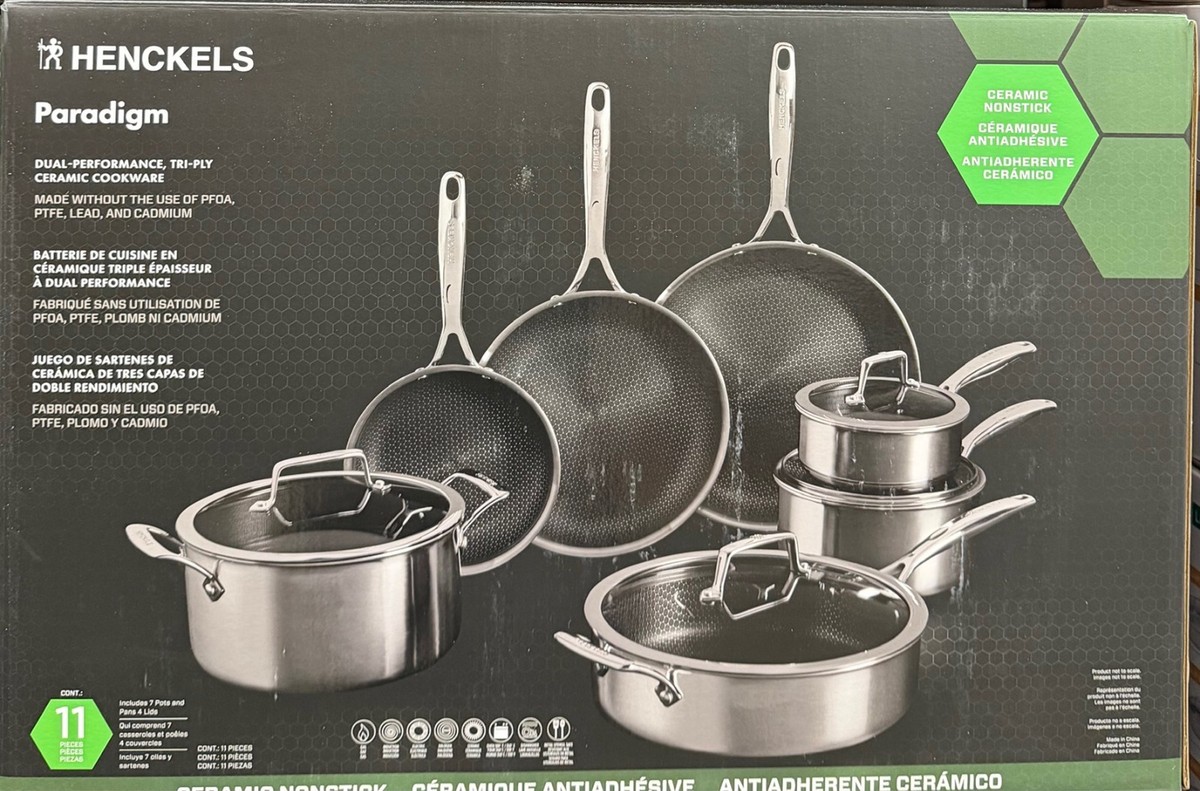
Are you curious about where your Henckels cookware is made? Knowing the origin of your kitchen tools can help you feel more confident about their quality and durability.
Whether you’re a home cook or a professional chef, understanding where your pots and pans come from matters. You’ll discover the exact places Henckels cookware is manufactured and why that matters for your cooking experience. Keep reading to uncover the story behind your favorite kitchen companion.
Credit: www.ebay.com
Henckels Brand History
Henckels cookware is known for its quality and durability. Many people ask, where is Henckels cookware made? To understand this, it helps to know the brand’s history. Henckels has a long tradition of making kitchen tools. This history shows why the brand is trusted worldwide. Let’s explore the Henckels brand history to see where it started and how it became a top name in cookware.
Origins And Heritage
The Henckels story began in 1731 in Solingen, Germany, a city famous for its blade and steel craftsmanship. The company was founded by two brothers, Peter and Paul Henckels. They aimed to create the best knives and kitchen tools using strong German steel.
Key points about Henckels origins:
- Founded in 1731 in Solingen, Germany
- Started by brothers Peter and Paul Henckels
- Focus on high-quality steel and craftsmanship
- Early products included knives, scissors, and cookware
Henckels built its reputation on combining traditional handcrafting skills with modern technology. The company has passed through many generations but kept the original values. Solingen remains the heart of Henckels’ production and innovation.
| Year | Event |
|---|---|
| 1731 | Henckels company founded in Solingen, Germany |
| 1800s | Expansion into knives and cookware production |
| 1900s | Global brand recognition established |
| Today | Products made in Germany and other countries |
Reputation In Cookware
Henckels is well known for making cookware that lasts long and performs well. The company uses strong materials like stainless steel to ensure durability. Many chefs and home cooks trust Henckels for their cooking needs.
What makes Henckels cookware popular?
- Quality materials: High-grade stainless steel resists rust and scratches.
- Innovative design: Cookware offers even heat distribution.
- Comfort and safety: Handles designed for easy grip and heat resistance.
- Wide range: Pots, pans, and specialty cookware available.
Henckels cookware often features:
- Multi-layer bases for better heat control
- Oven-safe and dishwasher-safe models
- Warranty on many product lines
Despite its German roots, Henckels makes cookware in several locations. Some lines are produced in Germany, while others come from factories in Asia and Europe. This helps keep prices reasonable without losing quality.
Credit: www.walmart.com
Manufacturing Locations
Henckels cookware is known worldwide for its quality and durability. The brand’s manufacturing locations play a key role in maintaining these high standards. Understanding where Henckels cookware is made helps buyers trust the product’s craftsmanship and origin. The company produces its cookware in several sites globally, focusing heavily on German engineering and precision. This section covers the main manufacturing locations, highlighting the importance of each site.
Germany Production Sites
Germany is the heart of Henckels’ production. The company has several factories here, each specializing in different parts of the cookware-making process.
- Solingen: Known as the “City of Blades,” Solingen is where Henckels started. It remains a major production site for knives and some cookware components.
- Wertheim: This factory focuses on assembling and finishing cookware sets, ensuring every piece meets strict quality checks.
- Deizisau: Specializes in stainless steel cookware manufacturing and polishing.
The German sites use advanced technology combined with skilled craftsmanship. This blend ensures Henckels cookware is durable and well-made. The company invests in sustainable practices here, reducing waste and energy use.
| Factory Location | Main Focus | Key Features |
|---|---|---|
| Solingen | Knives & cookware parts | High precision, traditional skills |
| Wertheim | Assembly & finishing | Quality control, packaging |
| Deizisau | Stainless steel cookware | Polishing, durability focus |
German factories emphasize quality and tradition. They ensure every Henckels product carries the brand’s reputation for excellence.
Other Global Factories
Henckels also operates factories outside Germany to meet global demand. These locations help produce cookware with cost efficiency without losing quality.
- China: Produces a large portion of Henckels’ non-premium cookware. Factories here follow strict guidelines to meet Henckels’ standards.
- Portugal: Known for mid-range cookware production, focusing on stainless steel and non-stick pieces.
- Thailand: Specializes in certain cookware lines, mainly those with aluminum cores or specialty coatings.
These factories use modern manufacturing techniques. Employees receive training to maintain quality close to German standards.
| Country | Production Focus | Quality Control |
|---|---|---|
| China | Entry-level cookware | Strict process monitoring |
| Portugal | Mid-range stainless steel | Regular inspections |
| Thailand | Specialty cookware | Advanced training |
Henckels ensures all global factories follow core production principles. This guarantees consistent quality, no matter the location.
Materials And Craftsmanship
Henckels cookware is known for its excellent quality and durability. The secret lies in the materials used and the careful craftsmanship behind each piece. Understanding the materials and how the cookware is made helps explain why Henckels products last long and perform well in kitchens worldwide. Every step, from choosing steel to the final finishing touches, plays a key role in ensuring top quality.
Steel Quality And Sources
Henckels uses high-grade stainless steel for its cookware. This steel is strong, resistant to rust, and safe for cooking. The company often selects steel with a high content of chromium and nickel. These metals help protect the cookware from corrosion and give it a shiny finish.
- Chromium: Adds resistance to rust and stains.
- Nickel: Improves durability and shine.
- Iron: Provides strength and heat conduction.
The steel comes from trusted suppliers in Europe, mainly Germany. German steel is famous for its purity and consistency. Henckels tests the steel before production to meet strict quality rules. This testing ensures no weak spots or impurities.
| Material | Purpose | Benefit |
|---|---|---|
| Chromium (18%) | Rust resistance | Long-lasting shine and protection |
| Nickel (10-12%) | Durability | Strong and corrosion-resistant |
| Iron (Balance) | Strength and heat conduction | Even cooking and toughness |
Using high-quality steel ensures Henckels cookware stays reliable over many years. The materials allow quick heating and easy cleaning, which cooks appreciate.
Assembly And Finishing
Each Henckels cookware piece goes through detailed assembly and finishing. Skilled workers use both machines and handcrafting techniques. The process focuses on making the cookware strong, safe, and beautiful.
First, the steel parts are shaped and joined. Henckels uses precision welding to connect handles and lids firmly. This method avoids weak points and improves durability. Next, the cookware is polished to a smooth, shiny surface. This step removes rough edges and prevents food from sticking.
- Handles are attached with rivets or welding for extra strength.
- Polishing creates a smooth surface that resists scratches.
- Non-stick coatings or special finishes may be added for certain lines.
Quality checks happen at every stage. Workers inspect each item for defects or damage. The finishing touches include stamping the brand logo and product details. This final step guarantees authenticity and traceability.
| Step | Description | Purpose |
|---|---|---|
| Shaping | Forming steel into pots and pans | Correct size and design |
| Welding/Riveting | Attaching handles and parts | Strong, durable joints |
| Polishing | Smoothing surfaces | Easy cleaning and look |
| Quality Inspection | Checking for flaws | Ensuring product reliability |
Henckels craftsmanship blends tradition with technology. This combination creates cookware that cooks well and looks great in any kitchen.

Credit: www.amazon.com
Product Lines And Origins
Henckels cookware is known for its quality and durability. The brand offers different product lines to meet various cooking needs. Each line has its own origin and manufacturing background. Understanding where Henckels cookware is made helps buyers choose the right product. This section explains the origins of Henckels’ main product lines and their features.
Classic Series Origins
The Classic Series by Henckels represents the brand’s heritage and craftsmanship. This line is mainly produced in Germany, where Henckels started over 280 years ago. German factories use traditional methods combined with modern technology. This ensures high-quality cookware with strong materials and precise design.
Key features of the Classic Series:
- Made from high-grade stainless steel
- Multi-ply construction for even heat distribution
- Durable and resistant to warping
- Ergonomic handles for comfort
- Oven safe and dishwasher friendly
The Classic Series is perfect for serious cooks who want long-lasting cookware. Its origin in Germany is a mark of reliability and excellence. The production process includes:
- Forging and shaping of steel in German factories
- Multiple layers bonded to enhance heat retention
- Polishing and finishing for a sleek look
- Quality control checks to ensure durability
| Feature | Details |
|---|---|
| Material | 18/10 Stainless Steel |
| Construction | Tri-ply or Multi-ply |
| Country of Manufacture | Germany |
| Heat Source Compatibility | Gas, Electric, Induction, Oven |
Modern And Affordable Lines
Henckels also offers modern cookware lines that are more affordable. These lines often come from factories outside Germany. Countries like China and Thailand produce these items under strict Henckels standards. This approach keeps prices lower while maintaining good quality.
Characteristics of the modern and affordable lines:
- Use of lighter materials to reduce cost
- Simpler designs for everyday use
- Good heat conduction, but less heavy-duty
- Often feature non-stick coatings
- Suitable for casual cooks and beginners
Production steps for these lines include:
- Manufacturing in Asian factories with Henckels oversight
- Material sourcing to meet quality guidelines
- Assembly and coating application
- Final inspection before shipping
| Feature | Details |
|---|---|
| Material | Stainless Steel or Aluminum with Non-stick |
| Construction | Single-ply or Double-ply |
| Country of Manufacture | China, Thailand |
| Heat Source Compatibility | Gas, Electric, Induction (varies) |
Quality Control And Standards
Henckels cookware is known for its durability and excellent performance. The brand ensures each product meets high quality control and standards. This process begins at the manufacturing stage and continues through rigorous testing and inspection. Henckels takes great care in maintaining product consistency and safety. Their goal is to provide cookware that lasts long and performs well in everyday kitchens.
Testing Procedures
Henckels uses strict testing methods to guarantee cookware quality. Every piece goes through several checks before it reaches customers. These tests cover material strength, heat distribution, and safety. The company uses both manual and machine inspections.
- Material Inspection: Raw materials are checked for purity and durability.
- Heat Resistance Test: Cookware is heated to high temperatures to check stability.
- Non-stick Coating Test: Coatings are tested for adhesion and scratch resistance.
- Weight and Balance: Ensures the cookware feels comfortable and stable.
Below is a simple table showing the typical tests and their purposes:
| Test | Purpose | Result Expected |
|---|---|---|
| Material Purity Check | Ensure no impurities weaken the cookware | High purity metals only |
| Heat Resistance | Test durability under high temperatures | No warping or damage |
| Coating Adhesion | Verify non-stick coating stays intact | No peeling or scratching |
| Weight Consistency | Confirm comfortable handling and balance | Uniform weight across models |
These procedures help Henckels maintain top quality in all cookware. Each test ensures products perform well and are safe to use.
Certifications And Guarantees
Henckels cookware carries important certifications that show product quality and safety. These certificates come from trusted organizations. They prove that the cookware meets industry rules and standards. Customers can trust these marks when choosing products.
- ISO Certification: Shows compliance with international quality management rules.
- FDA Approval: Ensures cookware materials are safe for food contact.
- European CE Mark: Confirms products meet European safety standards.
- Non-toxic and PFOA-Free: Guarantees coatings do not release harmful chemicals.
Henckels also offers guarantees to back product quality. These include:
- Limited Lifetime Warranty: Covers defects in materials and workmanship.
- Customer Support: Helps with questions or replacement requests.
- Return Policy: Allows returns within a set period if customers are unsatisfied.
These certifications and guarantees build trust and show Henckels’ commitment to quality. Buyers gain peace of mind knowing the cookware is tested and certified. Clear policies make shopping safer and easier.
Impact Of Manufacturing Location
Henckels cookware is known for quality and durability. The place where these products are made affects many things. Manufacturing location impacts costs, quality control, and brand image. It also influences customer trust and product pricing. Understanding this helps buyers make smart choices.
Pricing Differences
The cost of Henckels cookware changes depending on where it is made. Some factories are in Germany, others in Asia. This difference in location affects material costs, labor, and production methods.
- German-made products usually cost more due to higher wages and strict quality rules.
- Asian factories often have lower labor costs and faster production, which lowers the price.
- Shipping and import taxes also affect final prices in different countries.
Here is a simple comparison of factors influencing pricing:
| Factor | Germany | Asia |
|---|---|---|
| Labor Cost | High | Low |
| Material Quality | Premium | Varies |
| Quality Control | Strict | Moderate |
| Production Speed | Moderate | Fast |
Price differences do not always mean lower quality. Henckels maintains standards in all factories, but costs reflect local expenses.
Consumer Perceptions
Where Henckels cookware is made affects how customers see the brand. Many buyers trust German-made products for their history and quality. They often believe these items last longer and perform better.
Some points about consumer views:
- German origin adds a sense of tradition and craftsmanship.
- Products from Asia sometimes face doubts about durability and material quality.
- Brand transparency about manufacturing helps build trust.
Consumers also compare Henckels to other brands based on the production location. A clear label stating where the cookware is made influences buying decisions.
In short, manufacturing location plays a key role in shaping product value in the eyes of customers. It affects their confidence and willingness to pay more for certain items.
Frequently Asked Questions
Where Is Henckels Cookware Manufactured?
Henckels cookware is primarily made in Germany. The company’s main production facility is in Solingen, known for high-quality steel craftsmanship. Some lines may be produced in other countries, but German manufacturing ensures durability and premium quality.
Are Henckels Pots And Pans Made In Germany?
Yes, most Henckels pots and pans are made in Germany. The brand emphasizes German engineering and craftsmanship. This origin guarantees excellent performance, long-lasting materials, and superior cooking results.
Is Henckels Cookware Made In China?
Some Henckels cookware lines might be manufactured in China. However, the brand maintains strict quality controls to meet its high standards. German-made products remain the premium choice for customers.
What Materials Are Used In Henckels Cookware?
Henckels cookware uses stainless steel, aluminum, and nonstick coatings. German stainless steel offers corrosion resistance and durability. The materials provide excellent heat distribution and easy cleaning.
Conclusion
Henckels cookware is mainly made in Germany and Spain. These places are known for good quality and strong materials. The company focuses on making durable and reliable kitchen tools. You can trust their products for everyday cooking needs. Knowing where Henckels cookware is made helps you understand its value.
It shows the care and skill behind each piece. Choose Henckels for cookware made with solid craftsmanship. Quality that lasts in your kitchen. Simple, strong, and dependable.

Hello, This is Annie Walker, a 38-year-old blogger, founder, and editor of Cookware Guider from NY, USA. I am a cookware fanatic and passionate cooker. I love to cook with different types of cooking appliances (example: all types of cookware, rice cookers, slow cookers, etc) almost every day in my kitchen. I love to share my experience with my readers in my blog. Also, I enjoy helping people to solve their problems through my website. You can follow me on Twitter & Pinterest. To know details about my blog please check the about us page.