
Are you tired of your nonstick cookware peeling, scratching, or losing its shine? You’re not alone.
Many people want a safer, more durable option that still makes cooking easy and mess-free. If you’ve been searching for the best alternative to nonstick cookware, you’re in the right place. This article will help you discover options that protect your health, last longer, and give you better cooking results.
Keep reading to find the perfect cookware that fits your kitchen and lifestyle.

Credit: thecookwareadvisor.com
Why Choose Alternatives
Choosing the best alternative to nonstick cookware makes sense for many reasons. Nonstick pans are popular because food does not stick and cooking is easy. Still, there are important reasons to consider other options. Alternatives often offer better durability, safety, and cooking performance. They also work well with different cooking methods and tools. Many cooks want cookware that lasts longer and stays safe for health. Alternatives give more control over cooking and can improve food taste. Understanding why alternatives matter helps pick the right cookware for your kitchen.
Limitations Of Nonstick Cookware
Nonstick cookware has clear limits. The coating can wear off after some use. This makes the pan less effective at preventing food from sticking. Scratches from metal utensils can damage the surface. Once damaged, the pan needs replacing. Nonstick pans often do not handle very high heat well. High heat can break down the coating and release harmful fumes. Nonstick pans sometimes do not brown food as well as other types. This can affect flavor and texture.
- Short lifespan: Coating wears off in 1-3 years.
- Heat limits: Not safe above 500°F (260°C).
- Fragile surface: Easy to scratch with metal tools.
- Less versatile: Not ideal for searing or broiling.
Here is a comparison table showing common cookware types and their durability:
| Cookware Type | Durability | Heat Resistance | Scratch Resistance |
|---|---|---|---|
| Nonstick | Low (1-3 years) | Medium (up to 500°F) | Low (scratches easily) |
| Cast Iron | Very High (decades) | Very High (can use in oven) | High (seasoning protects) |
| Stainless Steel | High (many years) | Very High (oven safe) | High (resists scratches) |
| Ceramic | Medium (3-5 years) | Medium (varies by brand) | Medium (can chip) |
Health And Safety Concerns
Nonstick cookware raises health and safety questions. The coating often contains chemicals like PTFE and PFOA. PFOA is mostly removed from newer pans, but PTFE remains common. At high temperatures, these chemicals can release toxic fumes. These fumes can cause flu-like symptoms in people and harm pet birds. Cooking on scratched or worn nonstick surfaces may let tiny particles enter food. Eating such particles is not safe.
Here are key health points to consider:
- Toxic fumes: Released above 500°F from damaged pans.
- Chemical exposure: Potential from coating breakdown.
- Food contamination: From flakes of nonstick material.
- Environmental impact: Chemicals can pollute water and soil.
Alternatives like cast iron, stainless steel, and ceramic avoid these risks. They do not have synthetic coatings that break down. These materials stay safe at high heat and last longer. Choosing safer cookware reduces worries about chemicals in your food and air. It supports a healthier kitchen environment for your family.
Credit: ceh.org
Top Alternatives To Nonstick Cookware
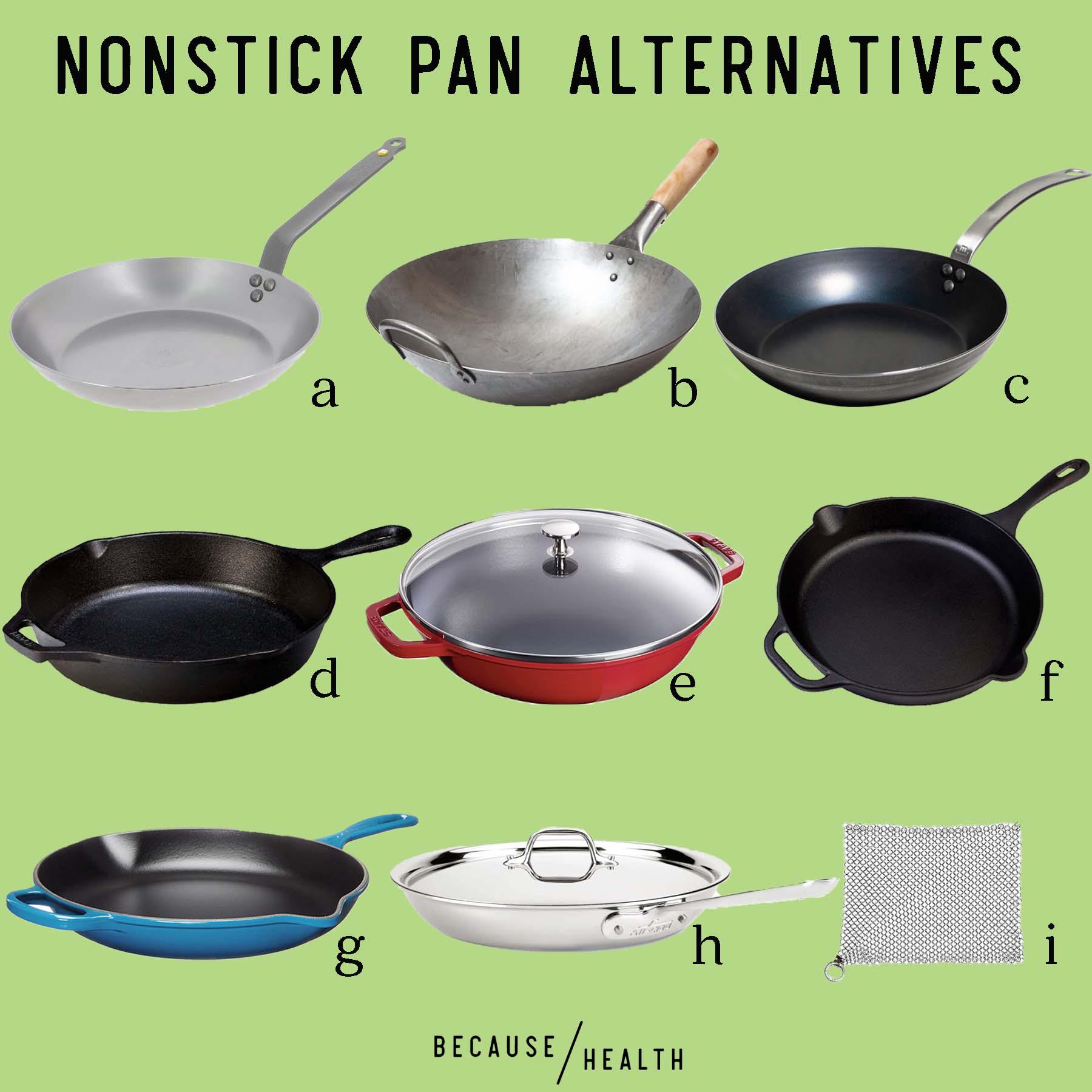
Nonstick cookware is popular for easy cooking and cleaning. Still, some prefer alternatives for health, durability, or cooking style reasons. Various cookware types offer different benefits and can replace nonstick pans in your kitchen. Here are the top alternatives to nonstick cookware that bring versatility and long-lasting performance to your cooking.
Cast Iron Cookware
Cast iron cookware is a classic choice that lasts for decades. It heats evenly and retains heat very well. This makes it ideal for searing, frying, and slow-cooking. Cast iron pans develop a natural nonstick surface when properly seasoned.
- Durability: Very strong and can handle high heat.
- Versatility: Works on stovetop, oven, and even campfires.
- Maintenance: Requires seasoning and careful drying to prevent rust.
Seasoning cast iron means coating it with oil and heating it. This process builds a smooth, nonstick layer over time. Cast iron can add iron to your food, which benefits some people. It is heavy but improves with use.
| Pros | Cons |
|---|---|
| Excellent heat retention | Heavy and requires care |
| Natural nonstick when seasoned | Needs regular seasoning |
| Very durable and long-lasting | Can rust if not dried properly |
Stainless Steel Cookware
Stainless steel pans are a popular alternative for many cooks. They do not have a nonstick coating but offer great heat control and durability. Stainless steel is resistant to rust and scratches, making it a good choice for everyday use.
These pans work well for browning, sautéing, and boiling. Stainless steel cookware often has a layered base with aluminum or copper for better heat distribution. It is dishwasher safe and easy to clean with the right technique.
- Does not react with acidic foods
- Can create fond for sauces and gravies
- Requires oil or butter to prevent sticking
Cooking with stainless steel takes some practice. Food sticks less with proper temperature and enough oil. It can handle very high heat and is oven safe. The shiny surface stays bright with regular cleaning.
Ceramic Cookware
Ceramic cookware uses a natural, non-toxic coating made from sand. It offers a nonstick surface without chemicals like PTFE or PFOA. Ceramic pans heat evenly and look attractive in the kitchen.
This cookware is lightweight and easy to handle. It works best on medium heat to protect the coating. Ceramic pans are good for low-fat cooking and gentle sautéing.
- Non-toxic and eco-friendly coating
- Easy to clean with warm water and soap
- Less durable than metal pans; coating may wear off
Care tips:
- Avoid high heat to extend coating life.
- Use silicone or wooden utensils to prevent scratches.
- Hand wash recommended for longer use.
Enameled Cast Iron
Enameled cast iron is cast iron coated with a smooth, colorful enamel layer. This coating prevents rust and removes the need for seasoning. It combines cast iron’s heat retention with easy maintenance.
These pans are perfect for slow cooking, braising, and baking. The enamel surface is non-reactive, so it won’t change food flavors. Enameled cast iron is heavier than other pans but very durable.
- Does not require seasoning
- Resists acidic and alkaline foods
- Easy to clean and dishwasher safe
Limitations:
- Can chip if dropped
- Usually more expensive
- Heavier and takes longer to heat
Carbon Steel Cookware
Carbon steel pans share qualities with cast iron but are lighter and more responsive to heat changes. They develop a natural nonstick surface after seasoning. Carbon steel is common in professional kitchens for stir-frying and searing.
These pans heat quickly and cool down fast, giving precise control. They work well on gas and induction stoves. Carbon steel requires seasoning and careful cleaning to prevent rust.
- Lightweight and durable
- Excellent heat conductivity
- Needs seasoning like cast iron
Care tips:
- Season regularly for best performance.
- Avoid soap; wipe clean and dry after use.
- Store in a dry place to prevent rust.
Benefits Of Alternative Cookware
Choosing the best alternative to nonstick cookware offers many benefits that suit everyday cooking. Alternative cookware types, such as stainless steel, cast iron, and ceramic, provide safer and more durable options. These alternatives improve your cooking experience with better heat control and longevity. They also avoid the health concerns linked to some nonstick coatings. Understanding the benefits helps you make a smart choice for your kitchen.
Durability And Longevity
Alternative cookware often lasts much longer than traditional nonstick pans. Many nonstick coatings wear off after a few years, making the pan less effective and unsafe. Alternatives like cast iron and stainless steel develop a strong surface that improves over time. These materials resist scratches, dents, and high heat better than nonstick.
- Cast iron: Can last a lifetime with proper care. It becomes more nonstick as it seasons.
- Stainless steel: Resistant to rust and warping, ideal for daily use.
- Ceramic: Provides a durable surface without toxic chemicals.
Here is a simple comparison table:
| Cookware Type | Durability | Expected Lifespan | Resistance to Damage |
|---|---|---|---|
| Nonstick | Low | 2-3 years | Prone to scratching |
| Cast Iron | Very High | Decades | Scratch and heat resistant |
| Stainless Steel | High | 10+ years | Resistant to dents and rust |
| Ceramic | Moderate | 5-7 years | Scratch resistant but can chip |
Cooking Performance
Alternative cookware types offer excellent cooking results. They handle high heat well and provide even heat distribution. This improves the taste and texture of your food. Nonstick pans often do not allow searing or browning, which adds flavor.
- Cast iron: Ideal for searing, frying, and baking. Retains heat long after cooking.
- Stainless steel: Great for sautéing and boiling. Does not react with acidic foods.
- Ceramic: Offers nonstick-like surface without chemicals. Suitable for low to medium heat cooking.
Benefits include:
- Better control over cooking temperature.
- Ability to use metal utensils safely.
- More versatile for different cooking styles.
- Improved food flavor and texture.
These cookware types allow you to cook with less oil or fat while still achieving great results. The heat retention and distribution help cook food evenly without hot spots.
Maintenance And Care
Alternative cookware requires different care but often less replacement. Cast iron needs seasoning to keep its surface smooth and nonstick. Stainless steel is easy to clean but may need special cleaners to keep its shine. Ceramic is simple to wash but avoid sudden temperature changes to prevent cracks.
Care tips for each type:
- Cast Iron: Wash with warm water, dry immediately, and apply a light oil coat.
- Stainless Steel: Use mild detergent and scrub with a non-abrasive sponge.
- Ceramic: Hand wash with gentle soap and avoid metal scrubbers.
Here is a maintenance comparison:
| Cookware Type | Cleaning Method | Special Care | Longevity with Proper Care |
|---|---|---|---|
| Cast Iron | Hand wash only | Season regularly | Lifetime |
| Stainless Steel | Dishwasher safe | Polish to maintain shine | 10+ years |
| Ceramic | Hand wash recommended | Avoid thermal shock | 5-7 years |
Proper care extends the life of alternative cookware. It keeps the surface safe for cooking and maintains the cookware’s appearance. This reduces costs over time and improves safety.

Credit: prudentreviews.com
Choosing The Right Alternative
Choosing the right alternative to nonstick cookware means thinking about how you cook, what you spend, and which cooktop you use. Different materials work better for different needs and kitchens. This guide helps you pick cookware that fits your lifestyle and kitchen setup. The goal is to find cookware that lasts, cooks well, and feels good to use every day.
Cooking Style And Preferences
Every cook has a unique style. Some like frying eggs or pancakes, while others often stew or bake. This affects the choice of cookware. The right alternative should match your cooking habits for the best results.
Consider these points:
- Heat control: Cast iron heats slowly but keeps heat well, ideal for frying and searing.
- Ease of cleaning: Stainless steel is easy to clean but may need more oil to prevent sticking.
- Weight: Aluminum cookware is lightweight, good for quick cooking and easy handling.
- Flavor impact: Some materials like cast iron add a unique flavor after seasoning.
The table below shows which cookware suits common cooking styles:
| Cooking Style | Recommended Cookware | Benefits |
|---|---|---|
| Frying, Searing | Cast Iron, Stainless Steel | Even heat, good browning |
| Boiling, Simmering | Stainless Steel, Enameled Cast Iron | Durable, non-reactive |
| Quick Cooking | Aluminum, Hard-Anodized | Lightweight, heats fast |
Match cookware with your most common meals for better cooking results.
Budget Considerations
Cookware prices vary widely. Setting a clear budget helps narrow down choices. Some materials cost more upfront but last longer.
Think about these budget points:
- Initial cost: Aluminum and stainless steel are usually affordable.
- Longevity: Cast iron may cost more but can last decades with care.
- Maintenance cost: Some cookware needs seasoning or special cleaners.
- Replacement frequency: Durable cookware saves money over time.
Below is a simple price range guide:
| Cookware Type | Price Range (USD) | Durability |
|---|---|---|
| Aluminum | $20 – $60 | Moderate |
| Stainless Steel | $40 – $150 | High |
| Cast Iron | $30 – $200 | Very High |
| Enameled Cast Iron | $80 – $300 | Very High |
Plan your budget to get the best cookware within your price range and needs.
Compatibility With Cooktops
Cooktops vary: gas, electric, induction, or ceramic. Not all cookware works with each type. Choosing compatible cookware ensures even cooking and safety.
Cookware and cooktop compatibility:
- Gas cooktops: Most cookware types work well here.
- Electric cooktops: Flat-bottom cookware like stainless steel or cast iron works best.
- Induction cooktops: Require magnetic cookware such as cast iron or stainless steel with a magnetic base.
- Ceramic cooktops: Use smooth, flat cookware to avoid scratching.
The table below shows compatibility at a glance:
| Cookware Type | Gas | Electric | Induction | Ceramic |
|---|---|---|---|---|
| Cast Iron | Yes | Yes | Yes | Yes |
| Stainless Steel | Yes | Yes | Yes (if magnetic) | Yes |
| Aluminum | Yes | Yes | No | Yes |
| Enameled Cast Iron | Yes | Yes | Yes | Yes |
Check your cooktop type before buying cookware to avoid issues and ensure good cooking.
Tips For Using Alternative Cookware
Choosing the best alternative to nonstick cookware often means using materials like cast iron, stainless steel, or carbon steel. These alternatives require special care and techniques to work well in your kitchen. Knowing how to use and maintain them properly helps you cook better and make your cookware last longer. Here are some useful tips for using alternative cookware effectively.
Seasoning And Maintenance
Seasoning is a crucial step for cookware like cast iron and carbon steel. It creates a natural nonstick surface and protects the pan from rust. Start by washing the pan with warm water and mild soap to remove factory oils. Dry it completely before seasoning.
To season:
- Apply a thin layer of vegetable oil or flaxseed oil over the entire surface.
- Place the pan upside down in an oven preheated to 375°F (190°C).
- Bake for one hour, then turn off the oven and let the pan cool inside.
Repeat seasoning a few times for better results. After each use, clean the pan with hot water and a soft brush. Avoid soap to preserve the seasoning. Dry immediately and apply a light coat of oil before storing.
| Cookware Type | Cleaning Method | Maintenance Tip |
|---|---|---|
| Cast Iron | Hot water, soft brush, no soap | Dry completely, apply oil after use |
| Carbon Steel | Similar to cast iron | Season regularly, avoid soaking |
| Stainless Steel | Dish soap and sponge | Polish to remove stains, dry well |
Proper maintenance keeps your cookware safe and effective. Seasoning builds a strong, natural coating that improves cooking over time. Clean and dry your pans well to avoid rust and damage. Store them in a dry place with a light oil layer for protection.
Avoiding Common Mistakes
Many people make mistakes when switching from nonstick to alternative cookware. These errors can damage the pan or cause food to stick more. Knowing what to avoid helps you get the best cooking experience.
- Using high heat too soon: Alternative pans need time to heat evenly. Start with medium heat and raise it gradually.
- Cooking acidic foods in cast iron: Tomatoes and vinegar can break down seasoning. Use stainless steel for these dishes.
- Using metal utensils on seasoned surfaces: Metal can scratch the seasoning. Use wooden, silicone, or plastic tools instead.
- Soaking pans for a long time: Prolonged water exposure causes rust, especially in cast iron and carbon steel.
- Ignoring oil before cooking: Always add some oil or fat to prevent sticking and maintain seasoning.
Follow this simple checklist to avoid common problems:
| Mistake | Why It’s Bad | How to Fix |
|---|---|---|
| High heat from cold | Uneven cooking, food sticks | Preheat gradually |
| Cooking acid in cast iron | Damages seasoning | Use stainless steel for acids |
| Metal utensils | Scratches seasoning | Use wooden or silicone tools |
| Soaking in water | Rust forms | Wash quickly, dry immediately |
| No oil before cooking | Food sticks, seasoning wears | Always add oil or fat |
Patience and care improve your alternative cookware’s performance. Avoid rushing or harsh cleaning. Use the right tools and cooking methods to enjoy delicious meals and long-lasting pans.
Frequently Asked Questions
What Are The Best Alternatives To Nonstick Cookware?
Ceramic, stainless steel, and cast iron are top alternatives. They offer durability, even heat, and are chemical-free. Each has unique benefits suitable for various cooking styles and health preferences.
Is Ceramic Cookware Safer Than Nonstick Pans?
Yes, ceramic cookware is free from PTFE and PFOA chemicals. It heats evenly and is less likely to release harmful fumes. Ceramic is a popular safe choice for health-conscious cooks.
Can Cast Iron Replace Nonstick Cookware Effectively?
Cast iron provides excellent heat retention and natural nonstick properties when seasoned. It’s durable and ideal for high-heat cooking, making it a reliable alternative to traditional nonstick pans.
How Does Stainless Steel Compare To Nonstick Cookware?
Stainless steel is durable, non-reactive, and perfect for searing and browning. It requires oil to prevent sticking but offers excellent heat distribution and longevity without synthetic coatings.
Conclusion
Choosing the right cookware matters for your health and cooking. Cast iron, stainless steel, and ceramic pans work well without chemicals. They last long and handle heat better than nonstick ones. These options need some care but give great results.
Cook with confidence and enjoy tasty meals every day. Your kitchen deserves tools that are safe and strong. Try these alternatives and see the difference yourself. Simple changes can improve your cooking experience a lot.

Hello, This is Annie Walker, a 38-year-old blogger, founder, and editor of Cookware Guider from NY, USA. I am a cookware fanatic and passionate cooker. I love to cook with different types of cooking appliances (example: all types of cookware, rice cookers, slow cookers, etc) almost every day in my kitchen. I love to share my experience with my readers in my blog. Also, I enjoy helping people to solve their problems through my website. You can follow me on Twitter & Pinterest. To know details about my blog please check the about us page.