
When it comes to cooking, the cookware you choose can affect more than just the taste of your food—it can impact your health too. You might not realize it, but some pots and pans release harmful chemicals or metals into your meals.
So, what is the safest cookware for your health? You’ll discover which materials protect you and your family from unwanted toxins. By the end, you’ll know exactly what to look for when buying cookware that keeps your meals both delicious and safe.
Keep reading to make the healthiest choice for your kitchen.
Credit: www.meghantelpner.com
Health Risks In Cookware
Cookware plays a big role in our daily meals. Choosing the wrong type can pose health risks. Some materials release harmful substances while cooking. Understanding these risks helps you pick safer options.
Toxic Chemicals To Avoid
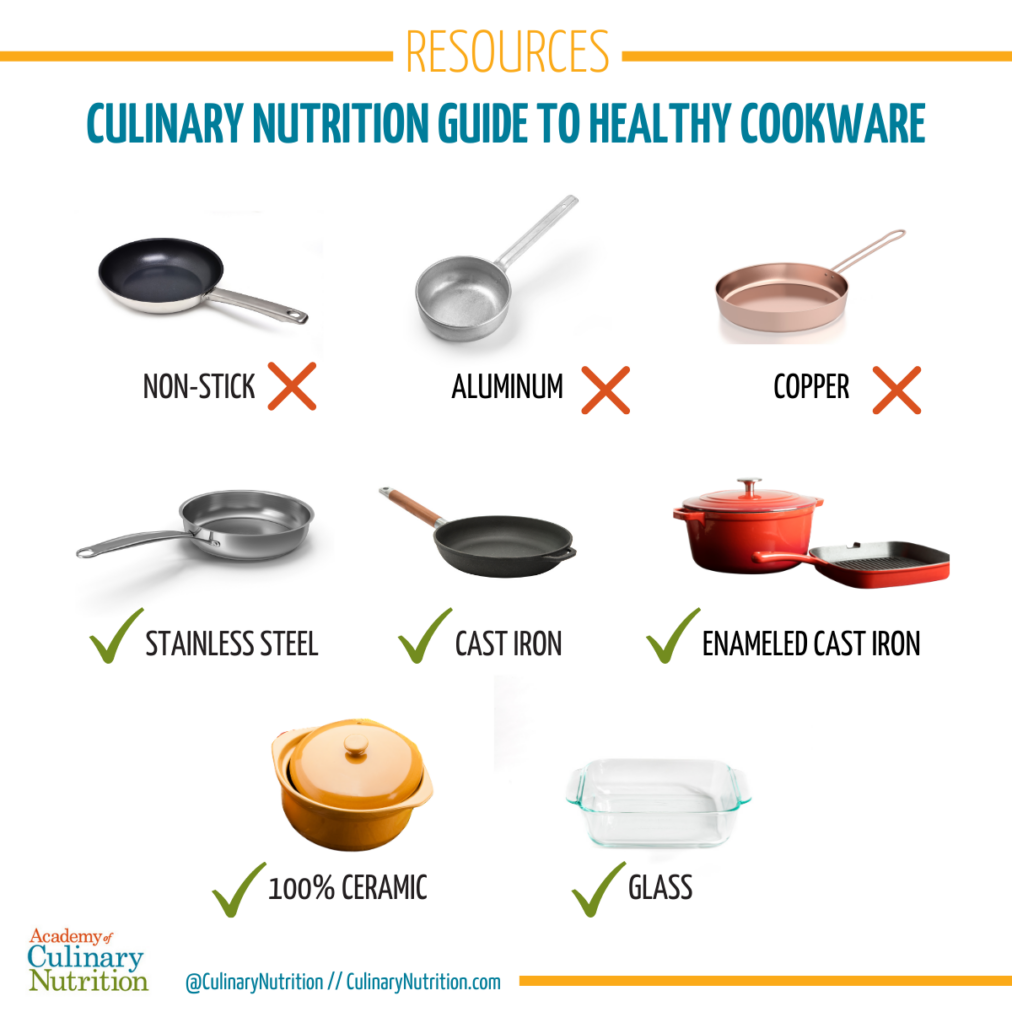
Many cookware types contain chemicals that can harm health. Avoid cookware with PFOA and PFOS. These chemicals may cause hormone problems and increase cancer risk. Lead and cadmium are also dangerous metals found in some pots. They can poison the body over time. Always check for cookware free of toxic chemicals.
Effects Of Non-stick Coatings
Non-stick pans use coatings like Teflon to prevent food from sticking. When overheated, these coatings can release toxic fumes. These fumes cause flu-like symptoms called “polymer fume fever.” Scratched coatings may let chemicals mix with food. Use non-stick pans carefully and avoid high heat to reduce risks.
Metal Leaching Concerns
Some metals in cookware can leach into food during cooking. Aluminum pots may release aluminum, linked to brain issues. Copper pans can leach copper, causing stomach pain. Stainless steel is safer but may release nickel or chromium for sensitive people. Choose high-quality cookware to limit metal leaching and protect health.
Credit: www.goingzerowaste.com
Safe Cookware Materials
Choosing the right cookware affects your health. Some materials release harmful chemicals or metals during cooking. Safe cookware materials keep your food pure and protect your body. They last long and handle heat well. Knowing each type helps pick the best for your kitchen.
Below are common safe cookware options. Each has unique benefits and uses.
Stainless Steel Benefits
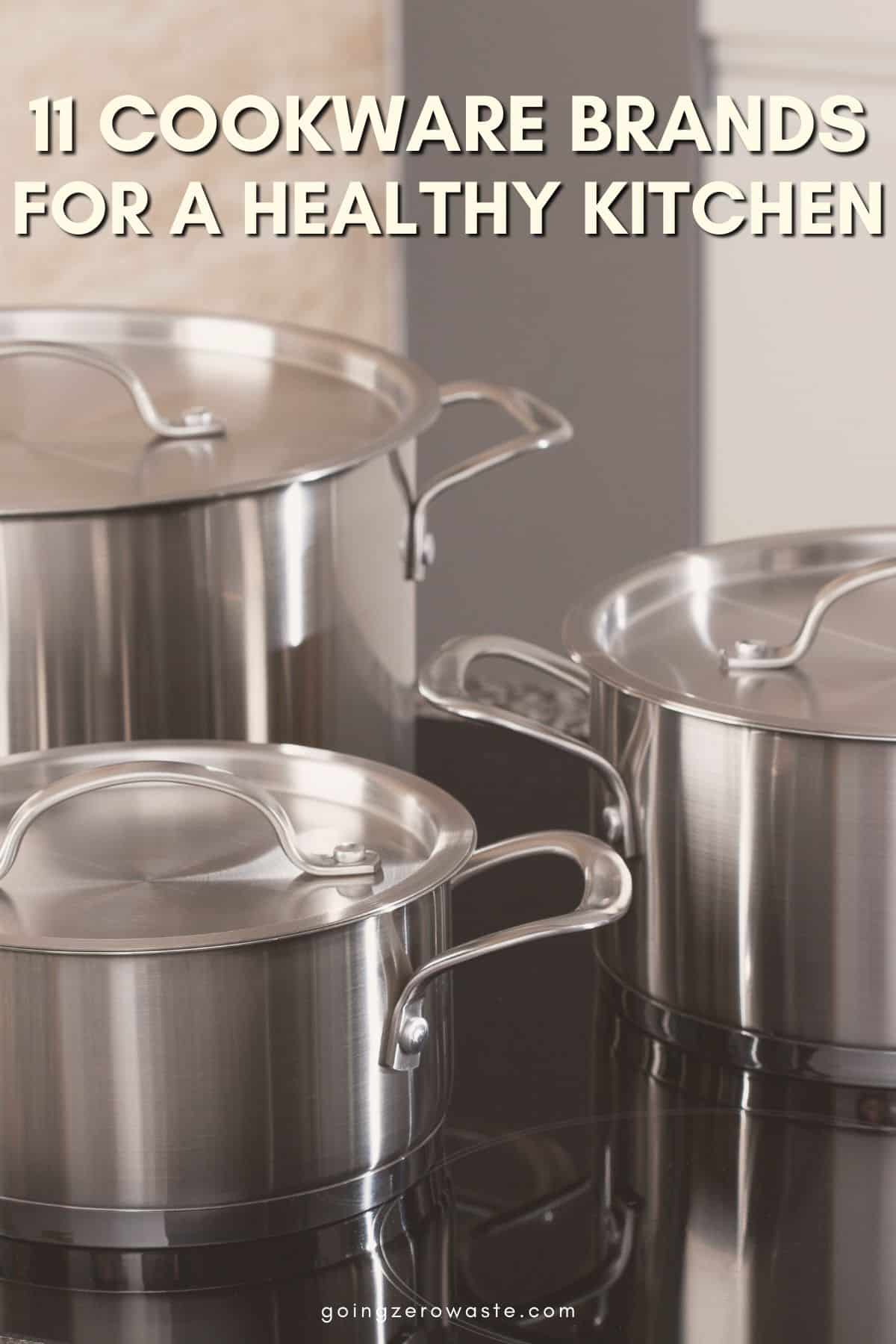
Stainless steel does not react with food. It resists rust and corrosion. This material is very durable and long-lasting. It does not release toxins into meals. Great for frying, boiling, and sautéing. Easy to clean and maintain. It keeps food flavor intact without altering taste.
Cast Iron Advantages
Cast iron heats evenly and holds heat well. It adds a small amount of iron to food. This is good for people with iron deficiency. Cast iron can last for decades with care. It develops a natural non-stick surface over time. Perfect for frying, baking, and slow cooking. Needs seasoning to prevent rust.
Ceramic Cookware Insights
Ceramic cookware is non-toxic and free from metals. It provides a smooth, non-stick surface without chemicals. Ceramic does not react with acidic foods. It cooks evenly and retains heat well. Ideal for low to medium heat cooking. Requires gentle cleaning to avoid damage.
Glass Cookware Safety
Glass cookware is inert and does not leach chemicals. It is safe for baking and microwave use. Glass does not stain or absorb odors. It allows easy monitoring of food while cooking. Fragile and can break if dropped. Best for oven use and reheating food.
Titanium And Other Options
Titanium cookware is lightweight and strong. It resists corrosion and does not react with food. Often coated with ceramic or non-stick layers. Good for grilling and frying. Other safe options include anodized aluminum and enamel-coated pans. Choose based on cooking style and care ability.
Non-stick Cookware: Pros And Cons
Non-stick cookware is a popular choice in many kitchens. It makes cooking and cleaning easy. Food slides off the surface without sticking. This saves time and reduces the need for oil or butter. Still, non-stick pans have both benefits and drawbacks. Understanding these can help you choose safer cookware for your health.
Ptfe And Pfoa Explained
PTFE is a chemical used to create non-stick surfaces. It helps food release easily during cooking. PFOA is a chemical once used in making PTFE coatings. PFOA may cause health risks if released at high heat. Most modern non-stick cookware is made without PFOA. Still, overheating non-stick pans can break down PTFE and release fumes. These fumes can cause flu-like symptoms in some people.
Natural Non-stick Alternatives
Ceramic-coated pans offer a natural non-stick surface. They do not use PTFE or PFOA chemicals. Cast iron cookware provides a natural, non-stick surface after seasoning. It is durable and can last many years. Stainless steel pans do not have a non-stick coating but are safe and healthy. These options avoid chemical risks linked to traditional non-stick pans.
Maintenance Tips For Longevity
Use wooden or silicone utensils to avoid scratching. Clean pans with soft sponges and mild soap. Avoid heating empty non-stick pans on high heat. Store pans carefully to prevent damage to the surface. Proper care extends the life of non-stick cookware. It also reduces health risks from damaged coatings.
Credit: www.cleaneatingkitchen.com
How To Choose Safe Cookware
Choosing safe cookware is important for your health and cooking quality. The right cookware can prevent harmful chemicals from entering your food. It also affects how evenly your food cooks. Several factors matter when picking safe cookware. Focus on material, durability, heat conductivity, budget, and certifications. Each factor helps you make a smart choice.
Material Durability And Safety
Cookware material affects both safety and lifespan. Stainless steel is strong and safe for most cooking. Cast iron lasts long and adds iron to food. Non-stick pans need careful use to avoid toxic chemicals. Ceramic cookware offers a natural, chemical-free option. Avoid cookware with damaged coatings. Old or scratched pans may release harmful substances.
Heat Conductivity And Cooking Style
Different materials heat food differently. Copper and aluminum heat quickly but need a safe lining. Cast iron holds heat well for slow cooking. Stainless steel heats unevenly but is good for boiling and frying. Choose cookware that matches your cooking style. This helps food cook evenly and safely.
Budget Considerations
Safe cookware does not always mean expensive. Affordable options like stainless steel and ceramic exist. High price does not guarantee safety or quality. Look for durable cookware within your budget. Investing in quality means less replacement and better health.
Certifications And Labels To Look For
Certifications show cookware meets safety standards. Look for labels like FDA approval or NSF certification. These ensure materials are free from harmful chemicals. Some brands offer PFOA-free or BPA-free labels. These help avoid toxic substances in your cookware.
Care And Maintenance Tips
Taking good care of your cookware helps keep it safe and healthy for cooking. Proper care also extends the life of your pots and pans. Following simple maintenance tips can prevent damage and avoid health risks.
Cleaning Without Damage
Use mild soap and warm water for cleaning. Avoid harsh scrubbers that scratch the surface. For stuck food, soak the cookware before cleaning. Dry cookware completely to prevent rust or stains. Never use metal brushes on non-stick or ceramic pans.
Proper Storage Practices
Store cookware in a dry place to avoid moisture build-up. Use soft cloth or paper towels between stacked pans. Avoid piling heavy items on delicate cookware. Hang pots and pans if possible, to save space and prevent scratches. Keep lids separate to avoid damage.
When To Replace Cookware
Replace cookware if it has deep scratches or chips. Non-stick coatings that peel or flake need replacing. Rust or corrosion is a sign to stop using it. Warped or uneven cookware affects cooking performance. Old cookware can release harmful substances during cooking.
Trends And Innovations In Cookware
Cookware is changing fast. New trends and innovations focus on health and safety. People want pots and pans that do not harm their food or bodies. These changes help make cooking safer and better.
Manufacturers use new materials and smart technology to meet these needs. The future of cookware looks bright with safer options and smart features. Let’s explore these exciting developments.
Eco-friendly Materials
Eco-friendly cookware uses natural and safe materials. Many brands choose ceramic, glass, and stainless steel. These materials do not release harmful chemicals. They also last longer, reducing waste. Using eco-friendly cookware helps both health and environment.
Smart Cookware Technologies
Smart cookware includes sensors and apps to control cooking. These tools avoid overheating and burning food. Smart pots can tell you when food is ready. They save energy and reduce health risks. Cooking becomes easier and safer with smart technology.
Future Of Safe Cooking Surfaces
New cooking surfaces aim to be non-toxic and durable. Researchers create coatings free from harmful chemicals like PFOA. Surfaces that resist scratching and peeling are common. These advances keep food pure and cookware long-lasting. Safe cooking surfaces protect your health every day.
Frequently Asked Questions
What Materials Make Cookware Safest For Health?
Cookware made from stainless steel, cast iron, and ceramic is generally safest. These materials do not leach harmful chemicals into food. They also withstand high temperatures without degrading, preserving food quality and safety.
Is Non-stick Cookware Safe For Daily Use?
Non-stick cookware can release toxins if overheated. Choose PFOA-free options and avoid using metal utensils. Proper care extends non-stick cookware’s safe use and reduces health risks.
How Does Cookware Affect Food Nutrient Retention?
Cookware that heats evenly, like cast iron or stainless steel, preserves nutrients better. Avoid high heat and prolonged cooking to maintain food’s nutritional value during preparation.
Can Aluminum Cookware Impact Health Negatively?
Uncoated aluminum cookware may leach aluminum into acidic foods. However, anodized aluminum is safer and prevents leaching. It’s best to choose anodized or coated aluminum to minimize health risks.
Conclusion
Choosing safe cookware protects your health and enhances your meals. Materials like stainless steel, cast iron, and ceramic offer safe options. Avoid cookware that releases harmful chemicals when heated. Regular care keeps your pots and pans in good shape. Simple changes in your kitchen can make a big difference.
Safe cookware helps you cook with peace of mind. Start with what fits your needs and budget best. Your health matters most in every meal you prepare.

Hello, This is Annie Walker, a 38-year-old blogger, founder, and editor of Cookware Guider from NY, USA. I am a cookware fanatic and passionate cooker. I love to cook with different types of cooking appliances (example: all types of cookware, rice cookers, slow cookers, etc) almost every day in my kitchen. I love to share my experience with my readers in my blog. Also, I enjoy helping people to solve their problems through my website. You can follow me on Twitter & Pinterest. To know details about my blog please check the about us page.