
Cooking rice seems simple, but the answer to “How long does it take for rice to cook? ” is not always easy. The time depends on the type of rice, the cooking method, and even the equipment you use. Many people have faced undercooked grains, mushy textures, or burnt bottoms.
Getting rice right is important for meals all over the world, and understanding how long it takes to cook can save you both time and frustration. This guide explains everything you need to know about rice cooking times, from white rice to wild rice, and from stovetop to rice cooker.
Whether you’re a beginner or someone who cooks rice often, you’ll find practical advice, real-world examples, and answers to common questions.
Why Cooking Time For Rice Varies
Rice might look similar across the world, but it comes in many varieties. Cooking time can change based on several factors:
- Type of rice: Long grain, short grain, brown, wild, and specialty rices all have different cooking times.
- Water-to-rice ratio: More water can mean longer cooking if it needs to be absorbed.
- Cooking method: Stovetop, rice cooker, microwave, or pressure cooker each affect how fast rice cooks.
- Altitude and climate: Higher altitudes mean water boils at a lower temperature, which can extend cooking time.
- Soaking: Some rice types, especially brown or wild, benefit from soaking, which cuts down the active cooking time.
Knowing these factors helps you plan your meals and avoid mistakes. For example, if you use the same time for brown rice as for white rice, you’ll end up with hard grains.
Rice Types And Their Average Cooking Times
Let’s look at how long different kinds of rice take to cook. These times assume you’re using the stovetop method and have not soaked your rice unless noted.
| Rice Type | Cooking Time (minutes) | Common Water Ratio | Notes |
|---|---|---|---|
| White Long Grain | 15–20 | 2:1 (water:rice) | Fluffy texture |
| White Short Grain | 15–18 | 1.25–1.5:1 | Sticky, ideal for sushi |
| Jasmine | 12–15 | 1.5:1 | Fragrant, slightly sticky |
| Basmati | 12–15 | 1.5:1 | Long, separate grains |
| Brown Rice | 35–45 | 2–2.5:1 | Chewy, more nutrients |
| Wild Rice | 45–60 | 3:1 | Earthy flavor, longer grains |
| Black Rice | 30–35 | 2:1 | Nutty, turns water purple |
| Arborio | 18–22 | Gradual addition | Used for risotto |
| Parboiled (Converted) | 20–25 | 2:1 | Firmer, less sticky |
| Sticky (Glutinous) | 20–30 | 1–1.25:1 | Soak before cooking |
Quick Insights
- White rice usually cooks the fastest.
- Brown and wild rice need much longer because of the outer bran layer.
- Soaking specialty rices like sticky or wild rice can reduce cooking times by up to 10–15 minutes.
Cooking Methods And Their Impact On Time
Rice can be cooked in many ways. Each method has its own time range and advantages.
Stovetop (absorption Method)
This is the classic way to cook rice. You add rice and water to a pot, bring to a boil, cover, and simmer.
- White rice: 15–20 minutes
- Brown rice: 35–45 minutes
- Wild rice: 45–60 minutes
The stovetop method gives you control but requires attention. If the heat is too high, rice may burn before it’s cooked.
Rice Cooker
A rice cooker automates the process. Just add rice and water, press a button, and wait.
- White rice: 15–20 minutes (similar to stovetop)
- Brown rice: 40–50 minutes
- Wild rice: 50–60 minutes
Rice cookers use sensors to detect when water is gone and rice is done. This means less risk of burning and more consistent results.
Pressure Cooker
Pressure cookers (like Instant Pot) cook rice under high pressure, reducing time.
- White rice: 3–7 minutes at pressure, plus time to build and release pressure (total 12–15 minutes)
- Brown rice: 15–20 minutes at pressure (total 25–30 minutes)
- Wild rice: 20–25 minutes at pressure (total 30–35 minutes)
This method is great for meal prep but can overcook rice if you’re not careful.
Microwave
Microwaves are fast but less precise. Cook rice in a microwave-safe bowl with a loose lid.
- White rice: 10–12 minutes
- Brown rice: 22–25 minutes
Microwave rice often needs stirring halfway to prevent uneven cooking.
Steaming
Steaming is common for sticky rice. Soak rice for several hours, then steam for 20–30 minutes. Steaming preserves the texture and prevents stickiness on the bottom.
Water-to-rice Ratio: Why It Matters
Getting the right water-to-rice ratio is as important as timing. Too much water makes rice mushy, while too little leaves it crunchy. Here’s a quick reference:
| Rice Type | Water Ratio (cups per 1 cup rice) | Notes |
|---|---|---|
| White long-grain | 2 | Standard ratio |
| Basmati/Jasmine | 1.5 | Less water for fluffiness |
| Brown rice | 2–2.5 | Needs more to soften bran |
| Wild rice | 3 | Very absorbent |
| Sticky rice | 1–1.25 | After soaking |
Hidden Insight
Many beginners forget to adjust for evaporation. On the stovetop, always keep the lid on to trap steam. In a rice cooker, the machine does this automatically.

Credit: www.reddit.com
How Soaking Affects Cooking Time
Soaking rice is not always needed, but it can help with certain types:
- Brown rice: Soak for 30–60 minutes to cut active cooking time by 10–15 minutes and improve texture.
- Wild rice: Soak overnight for softer grains and up to 20 minutes less cook time.
- Sticky rice: Needs 4–6 hours of soaking for traditional recipes.
Soaking also helps rice cook more evenly. If you’re short on time, using hot water for soaking can speed things up.
Signs That Rice Is Fully Cooked
Timing isn’t everything. Sometimes, rice needs a bit more or less time. Here’s how you can tell:
- Texture: Grains should be tender, not hard or gritty.
- Absorbed water: No visible water left at the bottom of the pan.
- Appearance: Fluffy and separate (for long grain), sticky but not mushy (for short grain).
- Taste: Sample a small spoonful—if it’s chewy or firm, give it a few more minutes.
One non-obvious insight: If your rice is almost done but not quite, turn off the heat and let it rest, covered, for 5–10 minutes. The steam will finish cooking the grains.
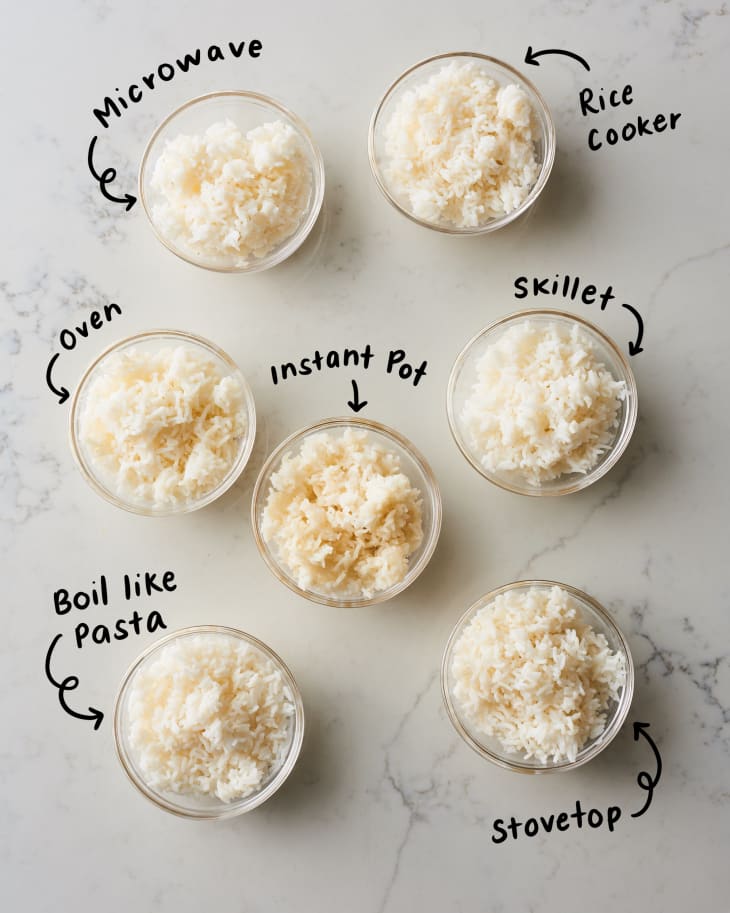
Credit: www.thekitchn.com
Troubleshooting Common Rice Problems
Cooking rice isn’t always perfect. Here are some typical issues and how to fix them:
Rice Is Too Hard Or Crunchy
- Reason: Not enough water or cooked too fast.
- Solution: Add a few tablespoons of water, cover, and simmer for 5 more minutes.
Rice Is Too Mushy
- Reason: Too much water or overcooked.
- Solution: Next time, reduce water or cooking time. You can spread the rice on a tray to dry it out a bit.
Rice Sticks To The Bottom
- Reason: Heat too high or not enough water.
- Solution: Use a heavy-bottomed pot and keep heat low once it boils.
Uneven Cooking
- Reason: Stirring too much or uneven heat.
- Solution: Don’t stir after covering. Let the steam circulate.
These small adjustments can make a big difference in your final result.
Special Rice Dishes And Their Cooking Times
Some dishes require unique cooking techniques or times. Here are a few examples:
- Risotto: Made with Arborio rice, cooked slowly with broth added in stages over 18–22 minutes.
- Paella: Uses Bomba rice, cooked uncovered for about 20 minutes until liquid is absorbed.
- Sushi rice: Short-grain, cooked for 15–18 minutes, then seasoned and fanned for texture.
- Pilaf: Rice is sautéed before simmering, which can add 5–10 minutes to overall prep.
Each dish has its own timing secrets, often based on the rice variety used.
How Equipment Changes Cooking Time
The pot or device you use can speed up or slow down cooking. Here’s a comparison of common rice-cooking equipment:
| Equipment | Cooking Time (White Rice) | Notes |
|---|---|---|
| Heavy saucepan | 15–20 min | Even heat, best for fluffy rice |
| Rice cooker | 15–20 min | Automatic shutoff |
| Pressure cooker | 12–15 min (including pressure) | Fast, good for meal prep |
| Microwave | 10–12 min | Quick, but less even |
| Steamer | 20–30 min | Best for sticky rice |
Non-obvious tip: Using a pot with a tight-fitting lid can shave several minutes off cooking time because less steam escapes.
Batch Cooking And Reheating: Timing Matters
Many people cook rice in large batches for convenience. If you do this, keep in mind:
- Larger batches: May need 2–3 extra minutes for the center to cook fully.
- Reheating: Add a splash of water, cover, and microwave or steam for 2–3 minutes per serving.
Never let cooked rice sit out at room temperature for more than 2 hours. Bacteria can grow quickly, so store leftovers in the fridge as soon as possible.
Regional Differences In Rice Cooking
Different cultures have unique ways of cooking rice, which changes the time needed:
- Japanese rice: Rinsed several times, soaked for 30 minutes, then cooked for 15–18 minutes.
- Indian basmati: Often soaked for 20–30 minutes, then cooked for 12–15 minutes for separate grains.
- Thai sticky rice: Soaked for 6 hours, then steamed for 25–30 minutes.
- Spanish paella: Cooks uncovered to develop a crispy bottom layer.
These regional methods create signature textures and flavors. Trying different styles can teach you more about timing and technique.
How Altitude And Water Quality Affect Cooking Time
If you live in the mountains, you might notice rice takes longer to cook. At higher altitudes, water boils at a lower temperature (for example, 203°F at 6,000 feet instead of 212°F at sea level). This means rice needs a few more minutes to soften.
Water quality also plays a role. Hard water (with minerals) can make rice tougher and extend cooking time. Using filtered or bottled water can help if you have trouble getting rice soft enough.
Practical Tips For Perfect Rice Every Time
- Rinse your rice: This removes extra starch and prevents sticking.
- Measure carefully: Use the right water ratio for your rice type.
- Use a timer: Don’t guess. Timing matters.
- Let it rest: After cooking, let rice sit covered for 5–10 minutes for even moisture.
- Fluff with a fork: This separates grains and avoids clumps.
One advanced tip: For extra flavor, cook rice in broth instead of water, or add a bay leaf or cardamom pod during simmering.
Comparing Rice Cooking Times: Quick Reference
Here’s a side-by-side look at how long common rices take with different methods:
| Rice Type | Stovetop | Rice Cooker | Pressure Cooker | Microwave |
|---|---|---|---|---|
| White long grain | 15–20 min | 15–20 min | 5–7 min (+ pressure) | 10–12 min |
| Basmati | 12–15 min | 12–15 min | 4–6 min (+ pressure) | 10–12 min |
| Brown rice | 35–45 min | 40–50 min | 15–20 min (+ pressure) | 22–25 min |
| Wild rice | 45–60 min | 50–60 min | 20–25 min (+ pressure) | 35–40 min |
| Sticky rice | 20–30 min (steamed) | 20–30 min | Not common | 15–18 min |

Credit: www.recipetineats.com
Real-world Examples
- Dinner for four: Cooking 2 cups of jasmine rice in a rice cooker takes about 20 minutes, including resting.
- Meal prep: Making 4 cups of brown rice on the stovetop takes 40–45 minutes but feeds 6–8 people.
- Quick lunch: One cup of white rice in the microwave is ready in about 12 minutes.
In busy homes, people often set rice to cook while preparing the rest of the meal. Using a rice cooker with a timer can be a big help.
Why Rice Cooking Time Matters
Understanding how long rice takes to cook helps you:
- Plan meals more efficiently
- Avoid undercooked or overcooked rice
- Match rice texture to your dish
- Save energy and water
For more in-depth information on rice varieties and cooking methods, you can visit the Wikipedia page on rice.
Cooking rice well is a skill that improves with practice. Learning about timing, water ratios, and equipment sets you up for success.
Frequently Asked Questions
How Long Does It Take To Cook Rice In A Rice Cooker?
Most white rices take 15–20 minutes in a rice cooker. Brown rice can take 40–50 minutes. The cooker automatically shuts off when the rice is done, but letting it rest for 5–10 minutes after cooking improves the texture.
Why Is My Rice Still Hard After Cooking For The Suggested Time?
The most common reasons are not enough water, cooking at too high a temperature, or not letting the rice rest. Try adding a small amount of water, covering, and simmering for 5 more minutes. Let the rice sit off the heat, covered, to finish steaming.
Do I Need To Rinse Rice Before Cooking?
Rinsing removes extra starch, which prevents sticky or gummy rice. Most types benefit from rinsing, especially jasmine, basmati, and short-grain rices. Exceptions are risotto and paella, where some starch is needed for creaminess.
Can I Cook All Types Of Rice For The Same Amount Of Time?
No, each rice type has its own ideal cooking time. White rice cooks faster than brown or wild rice. Always check the package instructions or use the guidelines in this article for the best results.
Is It Safe To Leave Cooked Rice In A Rice Cooker?
Yes, most modern rice cookers have a keep-warm function that is safe for several hours. However, do not leave rice at room temperature for long, as bacteria can grow. For longer storage, refrigerate rice within 2 hours.
Cooking rice doesn’t have to be a mystery. With the right timing, water ratio, and method, you’ll get perfect rice every time.

Hello, This is Annie Walker, a 38-year-old blogger, founder, and editor of Cookware Guider from NY, USA. I am a cookware fanatic and passionate cooker. I love to cook with different types of cooking appliances (example: all types of cookware, rice cookers, slow cookers, etc) almost every day in my kitchen. I love to share my experience with my readers in my blog. Also, I enjoy helping people to solve their problems through my website. You can follow me on Twitter & Pinterest. To know details about my blog please check the about us page.