
Choosing the right saucepan size can change the way you cook every meal. But how do you know what’s the perfect fit for your kitchen and your needs?
If you’ve ever struggled with sauces that spill over or meals that take forever to cook, this guide is for you. By the end, you’ll be confident in picking the ideal saucepan that saves you time, reduces mess, and makes cooking more enjoyable.
Ready to find the saucepan that works just for you? Let’s dive in.
Choosing The Right Saucepan Size
Choosing the right saucepan size is important for cooking success. The right size helps food cook evenly and saves time. It also prevents spills and waste. Knowing which size to pick makes cooking easier and more fun.
Common Saucepan Sizes
Saucepans come in many sizes. Small ones hold about 1 to 2 quarts. Medium sizes range from 3 to 4 quarts. Large saucepans can hold 5 quarts or more. Each size suits different cooking tasks.
Factors Influencing Size Choice
Think about how many people you cook for. Consider the food type and recipe needs. Also, check your stove space and storage. The amount of liquid or ingredients matters too. These factors guide your saucepan choice.
Matching Size To Recipe
Small saucepans are good for sauces and heating small amounts. Medium sizes work for soups and stews. Large saucepans fit pasta, large batches, or boiling vegetables. Using the right size improves cooking results.

Credit: stahlkitchens.com
Material And Shape Impact
The material and shape of a saucepan affect how it cooks and how easy it is to use. These factors also influence the heat distribution and the saucepan’s durability. Choosing the right material and shape helps you cook better meals and saves energy.
Popular Saucepan Materials
Stainless steel is strong and does not rust. It heats unevenly but lasts long.
Aluminum heats quickly and evenly. It is light but can scratch easily.
Copper offers the best heat control. It is expensive and needs polishing.
Non-stick pans are easy to clean. They need gentle care to avoid damage.
How Shape Affects Cooking
A saucepan with tall sides holds more liquid. It is good for soups and sauces.
Wide pans heat food faster. They are best for boiling and reducing.
Rounded bottoms help stir sauces well. Flat bottoms work best on all stovetops.
Combining Size With Material
Large aluminum pans heat big meals evenly and fast. Great for soups or stews.
Small stainless steel pans suit sauces and melting butter. They keep heat steady.
Copper pans in medium size give control for delicate cooking. Use for sauces or custards.
Non-stick pans work well in many sizes. Choose based on what you cook most.
Cooking For Different Portions
Choosing the right saucepan size depends on how many people you cook for. Saucepans come in many sizes. Each size fits different cooking needs. Understanding portion sizes helps pick the best saucepan. Cooking small meals or big batches? The saucepan size changes with the task. This guide explains which size suits your cooking portions.
Single Servings And Small Meals
For one or two people, small saucepans work best. A 1 to 2-quart pan is ideal. It heats food quickly and saves energy. Small pans fit well on any stove. They are easy to clean and store. Perfect for soups, sauces, or small pasta portions.
Family-sized Cooking
Families need medium to large saucepans. A 3 to 5-quart pan handles meals for 4 to 6 people. It offers enough space for stews and casseroles. This size cooks food evenly without spilling. Great for daily meals and bigger dishes.
Batch Cooking And Large Quantities
Batch cooking needs large saucepans or stockpots. Sizes of 6 quarts or more work well. They hold large amounts of food at once. Ideal for freezing meals or parties. Larger pans take longer to heat but save time overall.
Efficiency And Heat Distribution
Choosing the right saucepan size affects how well it heats and cooks food. Efficiency and heat distribution matter a lot. A saucepan that fits your cooking needs helps food cook evenly. It also saves energy and time.
Size And Heat Control
Pick a saucepan size that matches your stove burner. A small pan on a large burner wastes heat. A large pan on a small burner heats unevenly. Proper size helps control heat better. This means your food cooks at the right speed.
Preventing Overcrowding
Don’t fill your saucepan too full. Overcrowding stops heat from spreading evenly. Food cooks slower and may stay cold inside. Use a bigger pan if you cook large portions. This keeps heat moving well around the food.
Energy Use Considerations
Using the right saucepan size saves energy. Smaller pans need less heat and cook faster. Large pans require more energy to heat. Choose a pan that fits the amount of food. This prevents wasting energy and money.
Saucepan Care And Maintenance
Taking good care of your saucepan keeps it working well for years. Proper maintenance helps avoid damage and stains. Clean and store your pans the right way. This keeps them safe and ready to use anytime.
Cleaning Tips By Size
Small saucepans clean faster and need gentle care. Use warm soapy water and a soft sponge. Avoid abrasive scrubbers that scratch the surface.
Medium and large saucepans may have stuck food. Soak them in warm water before washing. Use a nylon brush to remove tough spots. Dry completely to stop rust or stains.
Storage Solutions
Store saucepans in a dry, cool place. Stack pans with a cloth between them to prevent scratches. Use hooks or racks for easy access. Avoid piling heavy pans on top of small ones.
Extending Saucepan Lifespan
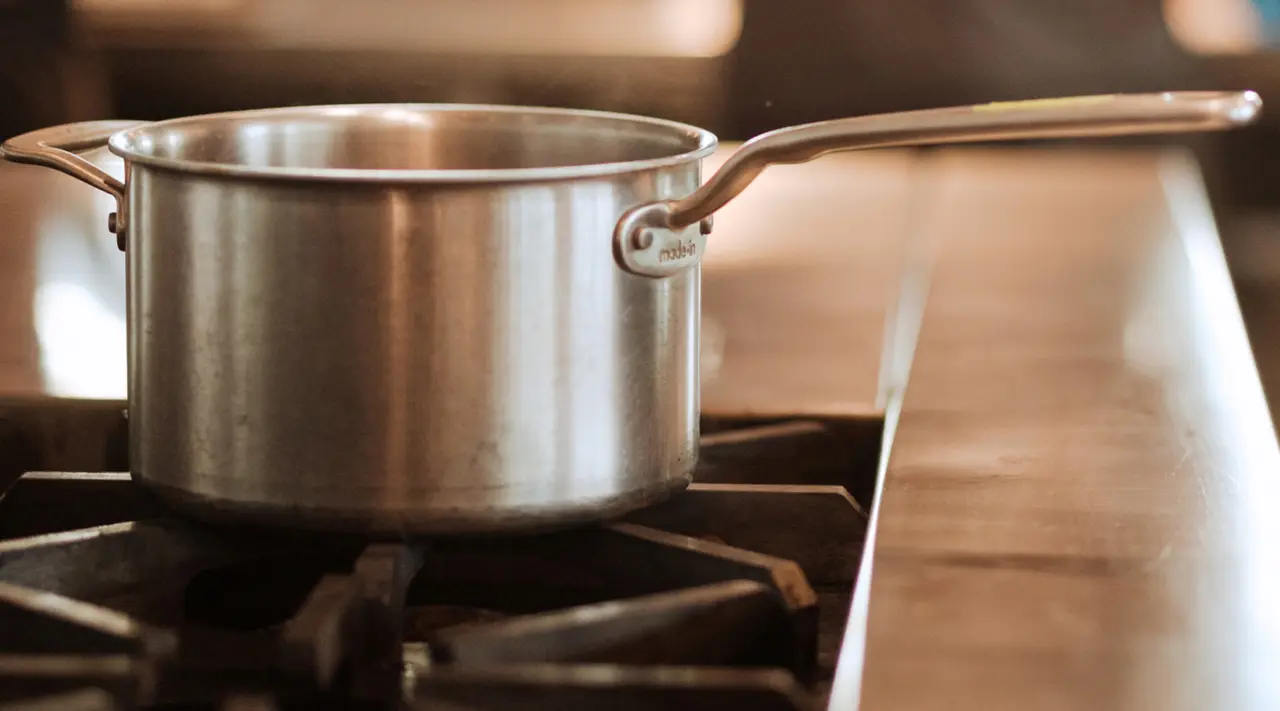
Use the right heat level to avoid warping. Avoid sudden temperature changes like cold water on hot pans. Handle pans gently to prevent dents. Regularly check handles and lids for tightness. Replace worn parts to keep pans safe and strong.
Credit: madeincookware.com
Budgeting For Saucepan Sets
Budgeting for saucepan sets means balancing size, quality, and cost. Choosing the right set helps you cook well without spending too much. Knowing what sizes you need and when to spend more saves money and space.
Think about how often you cook and the meals you prepare. This helps decide the size and number of saucepans to buy. Planning your budget makes shopping easier and smarter.
Cost Vs. Size
Bigger saucepans usually cost more than smaller ones. Larger pans need more material and take longer to make. Small pans are cheaper but may not suit all cooking needs. Find a size that fits your cooking style and budget.
Sets with many sizes can be expensive. Buying a set with just a few key sizes saves money. Quality matters too; a good pan lasts longer than a cheap one.
Investing In Versatile Sizes
Choose saucepans that work for many recipes. Medium-sized pans handle most cooking tasks well. Small pans are perfect for sauces and small meals. Large pans are great for soups and stews.
A set with one small, one medium, and one large pan covers most needs. Versatile sizes reduce the need for extra pans. This keeps your kitchen organized and your budget intact.
When To Upgrade
Upgrade saucepans if they warp, stick, or lose heat. Old pans can spoil your food or waste energy. Investing in better pans improves cooking results and saves money long-term.
Look for durability and good heat distribution in new pans. Upgrade only when your current set limits your cooking. This keeps your kitchen efficient without overspending.
Credit: madeincookware.com
Frequently Asked Questions
What Size Saucepan Is Best For Cooking Pasta?
A 3 to 5-quart saucepan is ideal for cooking pasta. It provides enough space for boiling water and allows pasta to cook evenly without sticking.
How Do I Choose The Right Saucepan Size?
Consider the number of servings you cook regularly. A 1 to 2-quart pan suits small meals, while 4 to 6 quarts fit family-sized dishes.
Can I Use A Small Saucepan For Soups?
Small saucepans (1 to 2 quarts) work for single servings or small portions of soup. Larger sizes are better for batch cooking.
Does Saucepan Size Affect Cooking Time?
Yes, larger saucepans heat more evenly but may take longer to boil. Smaller pans heat quickly but hold less food.
Conclusion
Choosing the right saucepan size makes cooking easier and faster. Think about how many people you cook for daily. Small saucepans suit simple tasks like heating sauces or boiling eggs. Larger ones work well for soups or stews. Having a few sizes helps handle different recipes.
Remember, a saucepan too big wastes energy. Too small, and food may spill. Pick a size that fits your kitchen and cooking style. This way, you save time and enjoy better meals every day.

Hello, This is Annie Walker, a 38-year-old blogger, founder, and editor of Cookware Guider from NY, USA. I am a cookware fanatic and passionate cooker. I love to cook with different types of cooking appliances (example: all types of cookware, rice cookers, slow cookers, etc) almost every day in my kitchen. I love to share my experience with my readers in my blog. Also, I enjoy helping people to solve their problems through my website. You can follow me on Twitter & Pinterest. To know details about my blog please check the about us page.