
If you’ve ever struggled with food sticking to your stainless steel pans, you’re not alone. It can be frustrating to spend time cooking only to find your meal stuck and hard to clean up.
But what if you could learn simple tricks to cook with stainless steel cookware without sticking? Imagine flipping pancakes, searing steaks, or sautéing vegetables effortlessly, with food sliding right off your pan. You’ll discover easy-to-follow tips that will change the way you use your stainless steel cookware—making cooking smoother and cleanup a breeze.
Keep reading, and you’ll soon master the art of sticking-free stainless steel cooking.

Credit: www.youtube.com
Choosing Quality Stainless Steel Cookware
Choosing the right stainless steel cookware matters a lot. Quality pans help you cook without food sticking. They also last longer and heat food evenly. Picking good cookware sets you up for success in the kitchen.
Types Of Stainless Steel
Not all stainless steel is the same. Some types are better for cooking than others. The most common types are 18/10 and 18/8. These numbers show the mix of chromium and nickel. More nickel means better shine and rust resistance. Look for cookware labeled 18/10 for best results.
Importance Of Construction
Good construction prevents food from sticking. Look for pans with multiple layers. A thick aluminum or copper core inside stainless steel is ideal. It spreads heat evenly and stops hot spots. Flat, smooth bottoms also help pans sit well on stoves. Heavy pans usually mean better build quality.
Brands To Consider
Some brands are known for making quality stainless steel cookware. They use strong materials and good design. Brands like All-Clad, Cuisinart, and Calphalon have trusted options. These brands offer sets and individual pieces. Choose a brand with good reviews and a solid warranty.
Credit: www.youtube.com
Preparing Cookware Before Use
Preparing stainless steel cookware before the first use is important. It helps prevent food from sticking and improves cooking results. Taking a few simple steps makes your pans ready for cooking.
Seasoning Stainless Steel
Seasoning stainless steel creates a natural non-stick surface. Start by washing the pan with warm soapy water and drying it well. Heat the pan on medium for two minutes. Add a small amount of oil with a high smoke point, like vegetable or canola oil. Spread the oil evenly across the surface. Let it heat until it starts to smoke slightly, then turn off the heat. Allow the pan to cool completely. Wipe out any extra oil with a paper towel. This process helps form a thin protective layer to reduce sticking.
Cleaning For Best Results
Clean your stainless steel cookware properly after each use. Use warm water and a soft sponge with mild dish soap. Avoid harsh scrubbers that can scratch the surface. Remove burnt or stuck-on food by soaking the pan in warm soapy water first. For tough stains, use a paste of baking soda and water. Rinse the pan well and dry it immediately. Proper cleaning keeps the surface smooth and ready for the next cooking session.
Mastering Heat Control
Controlling heat is key to cooking with stainless steel without food sticking. Stainless steel pans need the right temperature before adding food. Too hot or too cold causes sticking. Understanding heat control improves cooking results and makes cleaning easier.
Preheating Techniques
Preheat your pan on medium heat for 2 to 3 minutes. Test if it’s ready by sprinkling a few drops of water. If the water forms small beads and dances, the pan is hot enough. This step creates a natural barrier between food and the pan surface. Avoid overheating, which can cause food to burn and stick.
Optimal Heat Levels For Cooking
Use medium or medium-low heat to cook most foods in stainless steel pans. High heat can cause food to stick and burn quickly. For searing, heat the pan on medium-high but watch closely. Adjust heat if you see smoke or burnt spots. Maintaining steady heat helps food cook evenly and prevents sticking.

Credit: legendcookware.com
Using The Right Cooking Oils
Using the right cooking oils is key to preventing food from sticking to stainless steel pans. Oils create a smooth surface between the pan and the food. This helps food cook evenly and come off easily. Choosing the right oil and using it properly can make cooking with stainless steel easier and more enjoyable.
Smoke Points And Oil Selection
Each oil has a smoke point, the temperature where it starts to burn. Oils with higher smoke points work best for stainless steel cookware. Examples include canola oil, avocado oil, and grapeseed oil. These oils can handle high heat without smoking or breaking down. Avoid oils with low smoke points like extra virgin olive oil for high-heat cooking. Pick an oil that matches your cooking style and temperature needs.
Applying Oil Correctly
Heat the pan first before adding oil. A hot pan helps the oil spread evenly. Pour a small amount of oil and tilt the pan to coat the surface. Let the oil heat until it shimmers but does not smoke. This step creates a non-stick layer. Add food carefully to avoid splashing. Proper oil application keeps food from sticking and improves flavor.
Cooking Techniques To Prevent Sticking
Cooking with stainless steel cookware can feel tricky at first. Food often sticks, causing frustration and uneven cooking. Using the right techniques helps prevent sticking and makes cooking easier. These simple tips help you get the best results from your pans.
Letting Food Naturally Release
Allow food to cook undisturbed for a few minutes. This helps form a natural crust that releases from the pan. Avoid moving or flipping too soon. Once the food lifts easily, it is ready to turn or remove.
Avoiding Overcrowding
Give each piece of food enough space in the pan. Crowding lowers the pan temperature and causes steaming. Steaming makes sticking more likely. Cook in batches if needed for even heat and proper browning.
Proper Food Placement
Place food gently into the hot pan. Avoid dropping or tossing, which can cause sticking. Use tools like tongs or spatulas for careful placement. Ensure the pan is properly preheated before adding food for best results.
Cleaning And Maintenance Tips
Cleaning and maintaining stainless steel cookware keeps it looking new and working well. Proper care stops food from sticking and prevents damage. A few simple steps help keep your pans shiny and ready for cooking.
Removing Stubborn Residue
Use warm water and mild dish soap to clean your cookware after each use. For stuck-on food, soak the pan in warm soapy water for 10 to 15 minutes. Use a soft sponge or nylon scrubber to gently remove residue. Avoid steel wool or harsh scrubbing pads that can scratch the surface.
For tough stains, make a paste with baking soda and water. Apply it to the stained area and let it sit for 15 minutes. Then scrub gently and rinse well. White vinegar can also help remove discoloration and restore shine. Pour some vinegar into the pan, heat it for a few minutes, then wash as usual.
Avoiding Damage During Cleaning
Never use bleach or strong chemicals on stainless steel cookware. These can cause rust or discoloration. Avoid sudden temperature changes, like rinsing a hot pan with cold water. This can warp the metal.
Dry your cookware immediately after washing to prevent water spots. Use a soft cloth or towel. Store your pans carefully, stacking them with cloth or paper towels between each to avoid scratches. Regular gentle cleaning keeps your cookware safe and lasting longer.
Frequently Asked Questions
How Do I Prevent Food From Sticking To Stainless Steel Pans?
Preheat the pan properly before adding oil or food. Use medium heat and allow oil to shimmer before cooking. Avoid overcrowding the pan to maintain even heat and prevent sticking.
What Oil Is Best For Stainless Steel Cookware?
Use oils with high smoke points like avocado, grapeseed, or canola oil. These oils handle heat well and reduce sticking during cooking.
Can Seasoning Stainless Steel Cookware Help Reduce Sticking?
Yes, seasoning creates a temporary non-stick layer. Heat oil in the pan until it smokes, then let it cool. This improves food release and protects the surface.
Why Does Food Stick When Cooking On Stainless Steel?
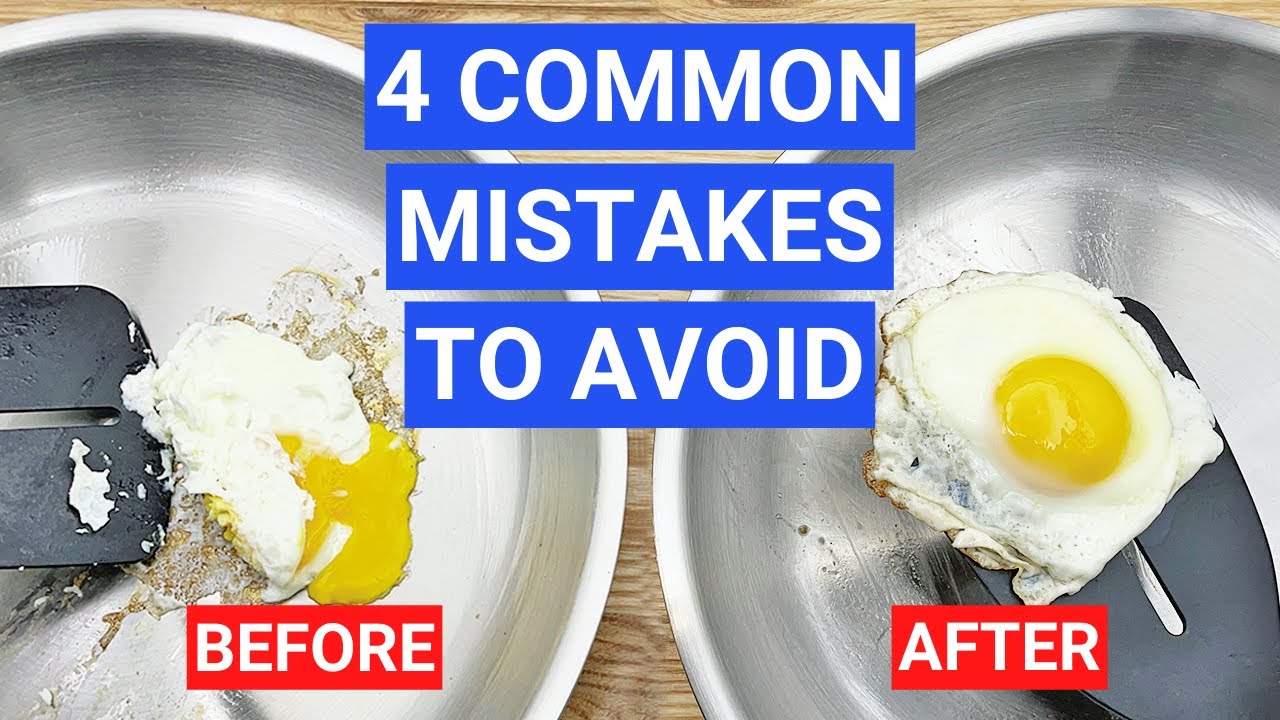
Food sticks when the pan isn’t hot enough or if oil is insufficient. Cold surfaces cause proteins to bond with metal, leading to sticking.
Conclusion
Cooking with stainless steel cookware can be simple and fun. Heat the pan well before adding oil to avoid sticking. Use enough oil and let it get hot. Patience matters—wait for the right moment to add food. Clean your cookware properly to keep it smooth and non-stick.
These easy steps help you cook better meals without frustration. Give it a try and enjoy cooking with your stainless steel pots and pans. You will see the difference in your kitchen skills soon.

Hello, This is Annie Walker, a 38-year-old blogger, founder, and editor of Cookware Guider from NY, USA. I am a cookware fanatic and passionate cooker. I love to cook with different types of cooking appliances (example: all types of cookware, rice cookers, slow cookers, etc) almost every day in my kitchen. I love to share my experience with my readers in my blog. Also, I enjoy helping people to solve their problems through my website. You can follow me on Twitter & Pinterest. To know details about my blog please check the about us page.