
Have you ever stood in the kitchen wondering if your saucepan is the right size for a recipe? Choosing the perfect saucepan can make cooking easier and your meals better.
But how do you know what size you really have? Measuring a saucepan isn’t as tricky as it sounds, and once you learn how, you’ll always pick the right pot for your needs. Keep reading, and you’ll discover simple ways to measure your saucepan accurately, making your cooking experience smoother and more enjoyable.

Credit: prudentreviews.com
Types Of Saucepan Sizes
Saucepans come in many sizes. Choosing the right size matters for cooking success. Different sizes fit different recipes and portions. Understanding size types helps you pick the right pan.
Common Measurements
Saucepan sizes are often shown in liters or quarts. These numbers tell how much the pan can hold. Common sizes include 1-quart, 2-quart, and 3-quart pans. Smaller pans suit sauces and small meals. Larger pans work well for soups and stews.
Besides volume, size can refer to the pan’s diameter. Diameter is the width across the top of the pan. It affects the cooking surface area. A wider pan cooks food faster and spreads heat better.
Volume Vs Diameter
Volume measures how much liquid or food fits inside. It is useful for recipes needing exact amounts. Diameter measures the pan’s width from edge to edge. It shows how much space you have to cook.
Both volume and diameter are important. Volume helps with portion size and recipe scaling. Diameter influences how heat spreads and how food cooks. Choose a size based on the dish you want to prepare.

Credit: imarku.net
Tools Needed For Measurement
Measuring the size of a saucepan needs simple tools. These tools help find the diameter, height, and volume. Knowing the right size helps in cooking and choosing the right pot.
Here are three common tools for measuring a saucepan accurately.
Measuring Tape
A measuring tape is flexible and easy to use. It wraps around the saucepan’s rim to measure its diameter. It also helps measure the height from the base to the top edge. Use a tape with clear, easy-to-read markings for best results.
Ruler
A ruler works well for small saucepans. Place it across the top to find the diameter. It also measures the height if the saucepan is not too tall. Use a metal or sturdy plastic ruler for accurate readings.
Measuring Cups
Measuring cups help find the volume inside the saucepan. Fill the pan with water using the cups. Count how many cups it takes to fill to the top. This gives the saucepan’s capacity in cups or liters.
Measuring Diameter
Measuring the diameter of a saucepan helps you know its size clearly. This measurement tells you how wide the pan is across the top. It is important for choosing the right pot for cooking and fitting on your stove.
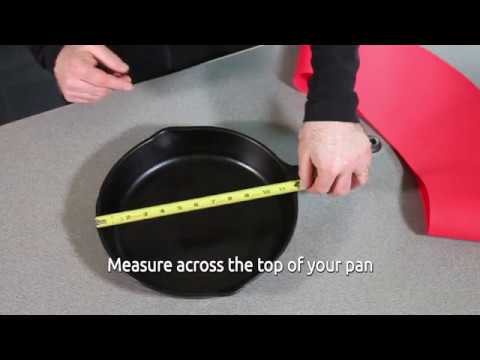
Measuring Across The Top
Place the saucepan on a flat surface. Use a ruler or tape measure to measure from one edge to the opposite edge. Measure straight across the top opening of the pan. This gives you the diameter in inches or centimeters. Do not measure around the rim or the base.
Considering The Rim
Check if the saucepan has a wide rim. Some rims add extra width but do not affect cooking space. Measure the diameter inside the rim to find the actual cooking area. This inside measurement is more useful for recipes. Avoid including the rim thickness in your measurement.
Measuring Depth
Measuring the depth of a saucepan is a key step to knowing its true size. Depth tells you how much liquid or food it can hold inside. This helps when cooking recipes that need specific amounts of space. A simple tool like a ruler or measuring tape will work well.
From Base To Rim
Place the saucepan on a flat surface. Measure straight from the bottom of the base to the top edge of the rim. Keep the ruler vertical for an accurate reading. This measurement shows the full inside height of the pan. It helps you understand the cooking volume better.
Checking For Tapered Sides
Some saucepans have sides that slope inward or outward. This shape affects the depth at different points. Measure the depth near the center and near the edges to check for tapering. Note any differences. This detail helps when estimating how much the pan can hold.
Calculating Volume
Calculating the volume of a saucepan helps you know how much it can hold. This is important for cooking recipes and portion control. Volume tells you the capacity inside the pan, not just its size on the outside. You can measure volume using simple math based on the pan’s shape.
Using Diameter And Depth
Most saucepans are round. Measure the diameter across the top edge. Then, measure the depth from top to bottom inside the pan. Use a ruler or tape measure for accuracy.
Calculate the radius by dividing the diameter by two. The volume formula for a cylinder is π × radius² × depth. Multiply pi (about 3.14) by the square of the radius. Then multiply by the depth.
This gives the volume in cubic units, like cubic inches or centimeters.
Converting Measurements To Liters Or Quarts
Volume in cubic units can be hard to use. Convert cubic inches or centimeters to liters or quarts for easier understanding.
One liter equals 1,000 cubic centimeters. Divide the volume in cubic centimeters by 1,000 to get liters. One quart equals about 57.75 cubic inches. Divide the volume in cubic inches by 57.75 to get quarts.
Knowing volume in liters or quarts helps match recipes and cooking needs better.
Practical Tips For Accuracy
Measuring a saucepan accurately helps you choose the right size for cooking. Small mistakes can cause problems with recipes or storage. Use these practical tips to get the best measurement every time.
Measuring With Lid On Or Off
Decide if you want to measure the saucepan with the lid. Measuring without the lid gives the internal size. This shows how much food it can hold.
Measuring with the lid on gives the total height. This helps if you need to store the pan in a tight space. Always be clear which way you measure.
Accounting For Handle Size
Handles add extra length to the saucepan. If you only measure the pot, you miss this part. Measure from the tip of the handle to the opposite side.
Handle size matters when storing or fitting the pan in a drawer. Including the handle gives a full size view. This avoids surprises later.
Why Size Matters In Cooking
Choosing the right size saucepan affects your cooking results a lot. Using a pan that is too small or too large can change how your food cooks. The size controls how heat spreads and how you follow recipes. Knowing why size matters helps you cook better meals every time.
Heat Distribution
A saucepan’s size changes how heat moves across its surface. A pan that is too small may cause food to burn in spots. A larger pan spreads heat more evenly. This helps food cook at the right speed. Even heat prevents parts of your food from overcooking or staying raw. The right size means better heat control and tastier dishes.
Recipe Adjustments
Recipes often assume a certain pan size. Using a different size means you must change cooking times and ingredient amounts. A bigger pan might need more ingredients or less cooking time. A smaller pan may cause food to pile up and cook unevenly. Adjusting for size keeps your meals balanced and delicious. It avoids undercooked or burnt food.
Credit: www.youtube.com
Frequently Asked Questions
How Do You Measure A Saucepan’s Diameter Accurately?
Measure across the top edge from one inner rim to the opposite inner rim. Use a ruler or measuring tape for precision.
What Is The Best Way To Measure Saucepan Capacity?
Check the volume marked on the saucepan or fill it with water and measure the liquid amount in liters or quarts.
How To Measure Saucepan Depth Correctly?
Measure from the base to the top inner edge using a ruler. This helps determine the cooking volume.
Why Is Saucepan Size Important In Cooking?
Choosing the right size ensures even cooking, prevents overflow, and matches recipe requirements for best results.
Conclusion
Measuring a saucepan’s size is simple and useful. Check the diameter across the top to know its width. Depth tells how much it can hold inside. Use these measurements to pick the right pan for cooking. Knowing the size helps avoid spills and uneven cooking.
Keep your kitchen tools fitting your needs. Now, you can choose saucepans with confidence every time. Cooking becomes easier and more fun with the right size. Keep measuring, and enjoy better meals!

Hello, This is Annie Walker, a 38-year-old blogger, founder, and editor of Cookware Guider from NY, USA. I am a cookware fanatic and passionate cooker. I love to cook with different types of cooking appliances (example: all types of cookware, rice cookers, slow cookers, etc) almost every day in my kitchen. I love to share my experience with my readers in my blog. Also, I enjoy helping people to solve their problems through my website. You can follow me on Twitter & Pinterest. To know details about my blog please check the about us page.