
When it comes to cooking, you want cookware that is safe, reliable, and easy to use. If you’re considering Cuisinart ceramic cookware, you might be wondering: Is it really safe for you and your family?
You deserve to know what goes into your pots and pans before bringing them into your kitchen. We’ll break down the facts, clear up any confusion, and help you make a confident choice. Keep reading to discover the truth about Cuisinart ceramic cookware and how it could impact your cooking experience.
Safety Features Of Cuisinart Ceramic Cookware
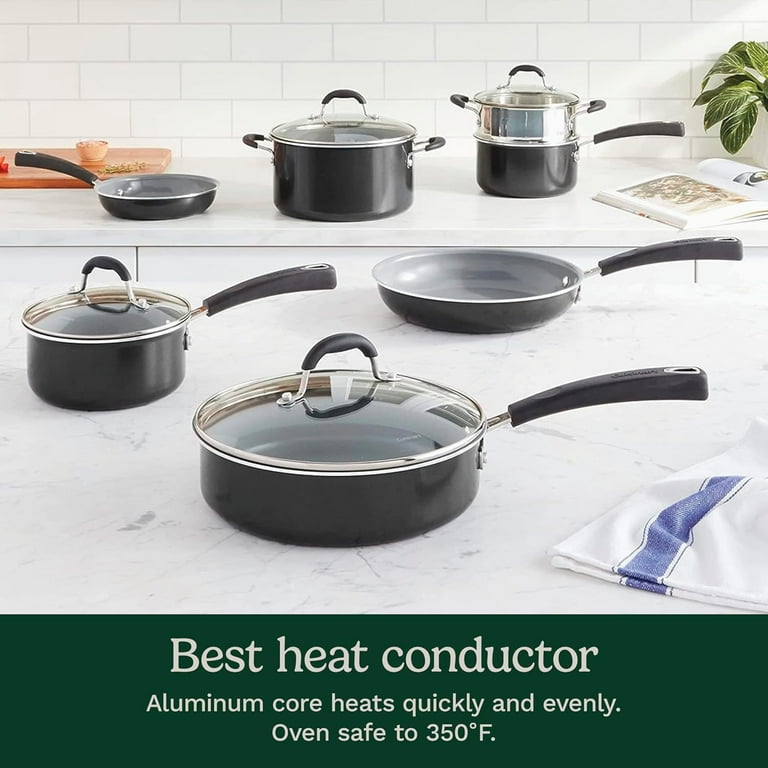
Cuisinart ceramic cookware is popular for its sleek design and cooking efficiency. Many users want to know if it is safe to use daily. The safety features of Cuisinart ceramic cookware focus on protecting health while offering durability and performance. Understanding these features helps choose the right cookware for a healthy kitchen.
Non-toxic Materials Used
Cuisinart ceramic cookware is made with non-toxic materials to ensure safe cooking. The ceramic coating contains no harmful chemicals such as PFOA, PTFE, lead, or cadmium. These substances can release toxins when heated, but Cuisinart avoids using them entirely.
The core materials include:
- Aluminum base: lightweight and excellent for heat distribution
- Ceramic coating: made from natural minerals and free from synthetic chemicals
- Stainless steel handles: safe, durable, and resistant to rust
The ceramic layer is smooth and non-porous, which prevents food from sticking and reduces the need for excessive oil or butter. This feature supports healthier cooking habits.
| Material | Safety Feature | Benefit |
|---|---|---|
| Ceramic Coating | Free from toxic chemicals | Prevents harmful fumes and food contamination |
| Aluminum Base | Non-reactive with food | Even heat distribution without chemical leaching |
| Stainless Steel Handles | Heat resistant and rustproof | Safe handling and long-lasting use |
These materials work together to create cookware that is safe for your family and the environment.
Heat Resistance And Durability
Cuisinart ceramic cookware offers excellent heat resistance and durability. The ceramic coating can withstand high cooking temperatures without breaking down or releasing toxins. This makes it safe for stovetop and oven use.
Key heat resistance features include:
- Safe up to 550°F (288°C) in the oven
- Even heat distribution to avoid hot spots
- Scratch-resistant coating for long-term use
Durability is enhanced by the strong ceramic layer, which resists cracking and chipping better than many other coatings. The aluminum base provides a sturdy foundation that does not warp easily.
Here is a quick comparison table of heat resistance and durability:
| Feature | Cuisinart Ceramic Cookware | Traditional Non-Stick Cookware |
|---|---|---|
| Maximum Oven Temperature | Up to 550°F (288°C) | Usually up to 400°F (204°C) |
| Scratch Resistance | High | Low to Medium |
| Warp Resistance | Excellent | Moderate |
Overall, Cuisinart ceramic cookware lasts longer and handles heat better than many standard options.
Chemical-free Coating Benefits
The ceramic coating on Cuisinart cookware is completely free of harmful chemicals. This chemical-free coating provides several important health and cooking benefits.
Benefits include:
- Safe Cooking Surface: No toxic fumes release even at high temperatures.
- Eco-Friendly Production: Ceramic coatings use natural minerals and less harmful processing.
- Easy Cleaning: Non-stick ceramic surfaces clean quickly without harsh chemicals.
- Better Food Taste: Ceramic does not react with food, preserving natural flavors.
Without chemicals like PTFE or PFOA, this coating lowers risks of health problems linked to toxic non-stick cookware. It also reduces environmental impact during manufacturing.
The table below summarizes these benefits:
| Benefit | Description |
|---|---|
| Non-Toxic | No harmful chemicals used in the coating |
| Healthier Cooking | Prevents release of toxic fumes |
| Eco-Friendly | Uses natural minerals, less pollution |
| Easy Maintenance | Simple to clean without chemicals |
| Flavor Preservation | Does not alter food taste |

Credit: www.amazon.com
Comparing Ceramic To Other Cookware Materials
Cuisinart ceramic cookware has gained popularity for its sleek look and easy cooking. Many wonder if it is safe and how it compares to other common cookware types. Comparing ceramic to other materials helps understand its strengths and limits. This guide looks at ceramic versus non-stick Teflon, stainless steel, and cast iron. Each material has unique features affecting cooking style, durability, and health safety.
Ceramic Vs. Non-stick Teflon
Ceramic and Teflon are popular for their non-stick surfaces. Ceramic cookware uses a natural, inorganic coating made from silica. Teflon is a synthetic coating called PTFE (polytetrafluoroethylene). Both reduce food sticking but differ in safety and use.
- Heat Resistance: Ceramic can handle higher heat (up to 450°F) without breaking down.
- Safety: Ceramic is free of PTFE and PFOA, chemicals sometimes linked to health risks in Teflon.
- Durability: Teflon coatings can scratch easily, losing non-stick power. Ceramic coatings are harder but may wear off over time.
- Cleaning: Both clean easily, but ceramic resists staining better.
| Feature | Ceramic | Non-Stick Teflon |
|---|---|---|
| Heat Tolerance | Up to 450°F (230°C) | Up to 350°F (175°C) |
| Chemical Use | No PTFE or PFOA | Contains PTFE, PFOA (in older pans) |
| Durability | Harder coating, can chip | Coating can scratch easily |
| Ease of Cleaning | Stain resistant | Easy to clean |
Ceramic cookware is safer at high heat and avoids synthetic chemicals. Teflon pans need careful use to prevent toxic fumes if overheated. Both work well for low-fat cooking but choose ceramic for better heat tolerance and chemical safety.
Ceramic Vs. Stainless Steel
Stainless steel is a classic cookware choice. It’s known for strength and even cooking. Ceramic offers a non-stick surface without metals. Comparing these shows how cooking and maintenance differ.
- Non-Stick Ability: Ceramic naturally prevents sticking better than stainless steel.
- Heat Conductivity: Stainless steel heats evenly but needs a layered base for best results.
- Durability: Stainless steel is very durable and resists scratches and dents.
- Maintenance: Stainless steel can stain or discolor; ceramic stays bright but may chip.
- Health Safety: Both are safe but stainless steel may release small amounts of nickel or chromium for sensitive users.
Ceramic is easier to cook with for sticky foods. Stainless steel suits high-heat searing and browning. Cleaning stainless steel often needs more effort to remove food stuck on the surface. Ceramic pans require gentler care to keep the coating intact.
| Feature | Ceramic | Stainless Steel |
|---|---|---|
| Non-Stick Surface | Yes, naturally | No |
| Heat Distribution | Good, but varies | Excellent with layered base |
| Durability | Moderate, coating may chip | Very high, scratch-resistant |
| Cleaning | Easy, avoid abrasive tools | Harder, needs scrubbing |
| Health Concerns | None | Possible metal release |
Ceramic Vs. Cast Iron
Cast iron is famous for durability and heat retention. Ceramic cookware offers a lighter, non-stick option. Both cook differently and suit different needs.
- Weight: Cast iron is heavy; ceramic pans are lighter and easier to handle.
- Heat Retention: Cast iron holds heat longer, ideal for slow cooking.
- Seasoning: Cast iron needs seasoning to stay non-stick; ceramic has a ready non-stick surface.
- Maintenance: Cast iron can rust if not cared for; ceramic resists rust and cleans easily.
- Cooking Style: Cast iron is perfect for frying and baking. Ceramic works well for gentle cooking and quick meals.
| Feature | Ceramic | Cast Iron |
|---|---|---|
| Weight | Lightweight | Heavy |
| Heat Retention | Moderate | Excellent |
| Non-Stick | Yes, ceramic coating | Yes, when seasoned |
| Maintenance | Easy | Requires seasoning and drying |
| Durability | Good, coating can chip | Very durable, lasts decades |
Ceramic pans suit quick, low to medium heat cooking. Cast iron excels at high heat and long cooking times. Choose based on cooking habits and how much care you want to give your cookware.
Potential Health Concerns
Cuisinart ceramic cookware offers a popular alternative to traditional pots and pans. Many users appreciate its non-stick surface and stylish design. Still, understanding the potential health concerns tied to this cookware is important. This section explores common worries about safety, focusing on metal leaching, coating wear, and ways to use the cookware safely. Knowing these facts helps you make smart choices for your kitchen and health.
Risk Of Heavy Metal Leaching
One major concern with ceramic cookware is the risk of heavy metal leaching. Metals like lead, cadmium, and aluminum can sometimes be found in coatings or materials. If these metals leach into food, they may cause health problems over time.
Cuisinart ceramic cookware is usually made to meet strict safety standards. The ceramic coating often contains no harmful metals. Still, some factors can increase metal leaching risk:
- Using damaged or chipped cookware
- Cooking very acidic foods for long periods
- Heating cookware beyond recommended temperatures
Here’s a quick look at common metals and their risks:
| Metal | Health Risks | Common Sources in Cookware |
|---|---|---|
| Lead | Brain damage, developmental issues | Low-quality coatings, old ceramics |
| Cadmium | Kidney damage, bone problems | Some pigments, metal alloys |
| Aluminum | Possible nervous system effects | Aluminum cookware, poorly sealed ceramics |
Reputable brands like Cuisinart test their products to avoid these risks. Still, avoid cookware with visible damage. Use acidic foods like tomato sauce with care, as acid can increase leaching. Always follow manufacturer instructions for heating.
Possible Coating Degradation
The ceramic coating on Cuisinart cookware can wear down over time. This is a natural process but can affect safety and cooking performance. Coating degradation may expose the base metal, increasing leaching risks and making food stick more.
Common causes of coating damage include:
- Using metal utensils that scratch the surface
- Cleaning with abrasive pads or harsh chemicals
- Overheating the cookware beyond recommended limits
- Dropping or banging the cookware
Signs of coating degradation:
- Visible scratches or chips
- Food sticking more than usual
- Discoloration or peeling of the surface
Here’s a comparison table of new vs. degraded ceramic coating:
| Feature | New Coating | Degraded Coating |
|---|---|---|
| Non-stick ability | High | Low |
| Appearance | Smooth, shiny | Scratched, dull |
| Health risk | Minimal | Increased (possible metal exposure) |
| Durability | Strong | Fragile |
Replacing cookware once coating degrades is wise. Continued use might affect food safety and cooking ease.
Safe Usage Tips
Following simple steps can keep Cuisinart ceramic cookware safe and durable. These tips help prevent heavy metal leaching and coating damage.
- Use wooden, silicone, or plastic utensils to protect the ceramic surface.
- Cook on low to medium heat to avoid overheating the coating.
- Hand wash with mild soap and a soft sponge; avoid abrasive cleaners.
- Do not use cookware with chips or cracks in the ceramic coating.
- Avoid cooking very acidic foods for long times in the same pot.
- Store carefully to prevent scratches and damage.
- Follow manufacturer instructions for best practices and safety.
Here’s a quick checklist for safe use:
✔ Use gentle utensils ✔ Avoid high heat ✔ Clean gently by hand ✔ Inspect for coating damage ✔ Limit acidic food cooking time ✔ Store safely ✔ Follow product guidelinesThese simple steps extend cookware life and keep your meals safe. Proper care reduces risks linked to heavy metals and coating wear.

Credit: www.amazon.com
Care And Maintenance For Longevity
Caring for Cuisinart ceramic cookware ensures it stays safe and lasts long. Proper maintenance preserves its non-stick surface and prevents damage. Clean it right, avoid harsh treatment, and store carefully. These habits keep your cookware looking new and working well for years.
Cleaning Techniques
Cleaning ceramic cookware gently protects its surface. Avoid scrubbing hard or using steel wool. These can scratch the ceramic coating and reduce its effectiveness.
- Use warm water and mild dish soap.
- Let cookware soak if food sticks to it.
- Clean with a soft sponge or cloth.
- Rinse well to remove soap residue.
- Dry immediately with a soft towel to avoid water spots.
For tough stains, try these safe methods:
- Make a paste with baking soda and water.
- Apply the paste gently on stains.
- Let it sit for 15 minutes.
- Wipe off with a soft cloth.
| Do’s | Don’ts |
|---|---|
| Use mild dish soap | Avoid harsh chemicals |
| Clean with soft sponges | Don’t use steel wool |
| Rinse and dry well | Don’t leave wet |
Avoiding Damage
Preventing damage keeps ceramic cookware safe and durable. Sudden temperature changes can crack or warp the ceramic surface. Avoid heating empty pans, as this can weaken the coating.
Follow these tips to protect your cookware:
- Use low to medium heat settings.
- Do not use metal utensils; prefer wooden or silicone tools.
- Avoid dropping or banging the cookware.
- Never put ceramic cookware directly under a broiler.
- Let cookware cool before washing.
Using proper cookware helps too. Avoid stacking heavy pots on top of ceramic pans. This prevents chipping and scratching.
Storage Recommendations
Correct storage preserves ceramic cookware’s coating and shape. Stack pans carefully with protection between them. Use soft cloths or paper towels to separate cookware pieces.
Tips for storing ceramic cookware:
- Store in a dry place to prevent moisture damage.
- Keep lids separate or upside down to avoid pressure on edges.
- Hang pans if possible, to avoid scratches.
- Do not overcrowd cabinets to avoid accidents.
Proper storage reduces wear and keeps cookware ready for use. It also helps maintain the cookware’s safe ceramic surface over time.
User Experiences And Expert Opinions
Many people want to know if Cuisinart ceramic cookware is safe for daily cooking. User experiences and expert opinions offer clear insights. These views help shoppers decide if this cookware fits their kitchen needs. Both customers and experts focus on safety, durability, and cooking performance. Let’s explore what real users say and what experts report about Cuisinart ceramic cookware safety.
Customer Reviews Summary
Customers often mention the ease of use and the non-stick quality of Cuisinart ceramic cookware. Most users appreciate that it cooks food evenly and cleans up quickly. Many reviews highlight the absence of chemical smells during cooking, which supports its safety claims.
Common points from customer feedback include:
- Non-toxic coating: Users feel safe cooking without worrying about harmful chemicals.
- Durability: Some report the ceramic coating lasts well with proper care, while a few notice chipping over time.
- Heat distribution: Many praise even heating, which helps avoid hot spots.
- Easy cleaning: Food tends not to stick, making cleaning simple.
Below is a quick overview of typical customer ratings:
| Aspect | Positive Feedback | Negative Feedback |
|---|---|---|
| Safety | Non-toxic, no fumes | Some concerns about coating wear |
| Durability | Lasts well with gentle use | Chipping reported by some users |
| Cooking Performance | Even heating, good non-stick | Occasional sticking after long use |
| Cleaning | Easy to clean | Requires gentle scrubbing to avoid damage |
Expert Safety Assessments
Experts analyze Cuisinart ceramic cookware for chemical safety and heat tolerance. They confirm the ceramic coating is free from PTFE and PFOA, chemicals linked to health risks in some non-stick pans.
Key findings from expert reviews include:
- Non-toxic materials: Ceramic coatings use natural minerals, reducing toxic risks.
- Heat resistance: Safe to use on medium heat, avoiding damage to the coating.
- Durability concerns: Experts advise avoiding metal utensils to prevent scratches.
- Environmental impact: Ceramic pans tend to be more eco-friendly than traditional non-stick options.
Experts recommend following care instructions strictly. Proper use helps maintain safety and prolongs cookware life. Here’s a summary of expert safety points:
| Safety Feature | Expert Comment |
|---|---|
| Chemical Safety | Free from PTFE and PFOA, considered safe for health |
| Heat Tolerance | Best for low to medium heat cooking |
| Care Recommendations | Avoid metal tools; hand wash gently |
| Longevity | Can last years with proper care |
Credit: www.walmart.com
Frequently Asked Questions
Is Cuisinart Ceramic Cookware Non-toxic And Safe?
Yes, Cuisinart ceramic cookware is non-toxic and free from harmful chemicals. It does not contain PTFE, PFOA, or lead, making it a safe option for healthy cooking.
Can Cuisinart Ceramic Cookware Handle High Heat?
Cuisinart ceramic cookware can handle medium to medium-high heat safely. Avoid extremely high temperatures to preserve the ceramic coating and prevent damage.
Is Cuisinart Ceramic Cookware Dishwasher Safe?
Most Cuisinart ceramic cookware is dishwasher safe, but hand washing is recommended. Gentle cleaning helps maintain the ceramic coating’s longevity and appearance.
Does Cuisinart Ceramic Cookware Resist Scratches?
Cuisinart ceramic cookware offers decent scratch resistance but is not completely scratch-proof. Use wooden or silicone utensils to avoid damaging the surface.
Conclusion
Cuisinart ceramic cookware offers a safe option for everyday cooking. Its non-toxic materials reduce health risks during meal preparation. The ceramic coating resists scratches and avoids harmful chemicals. Cleaning is easy, and the cookware lasts with proper care. Choosing safe cookware helps protect your family’s health.
Trust in well-made ceramic pots and pans for peace of mind. Cook confidently knowing your cookware supports safe, healthy meals. Simple, safe, and reliable—Cuisinart ceramic cookware fits many kitchens well.

Hello, This is Annie Walker, a 38-year-old blogger, founder, and editor of Cookware Guider from NY, USA. I am a cookware fanatic and passionate cooker. I love to cook with different types of cooking appliances (example: all types of cookware, rice cookers, slow cookers, etc) almost every day in my kitchen. I love to share my experience with my readers in my blog. Also, I enjoy helping people to solve their problems through my website. You can follow me on Twitter & Pinterest. To know details about my blog please check the about us page.