
Are you worried about the chemicals in your cookware affecting your health? When it comes to cooking for yourself and your family, choosing non-toxic cookware is more important than ever.
You might have heard about David Burke cookware and wondered if it’s truly safe to use. Does it keep harmful toxins out of your meals, or should you think twice before buying? Keep reading to find out everything you need to know about David Burke cookware and whether it’s a healthy choice for your kitchen.

Credit: www.amazon.com
David Burke Cookware Materials
David Burke cookware is known for quality and design. Many people ask if it is non-toxic. Understanding the materials used helps answer this question clearly. The cookware uses a mix of metals and coatings to ensure safety and performance. Knowing these details helps you choose healthy cookware for your kitchen.
Types Of Metals Used
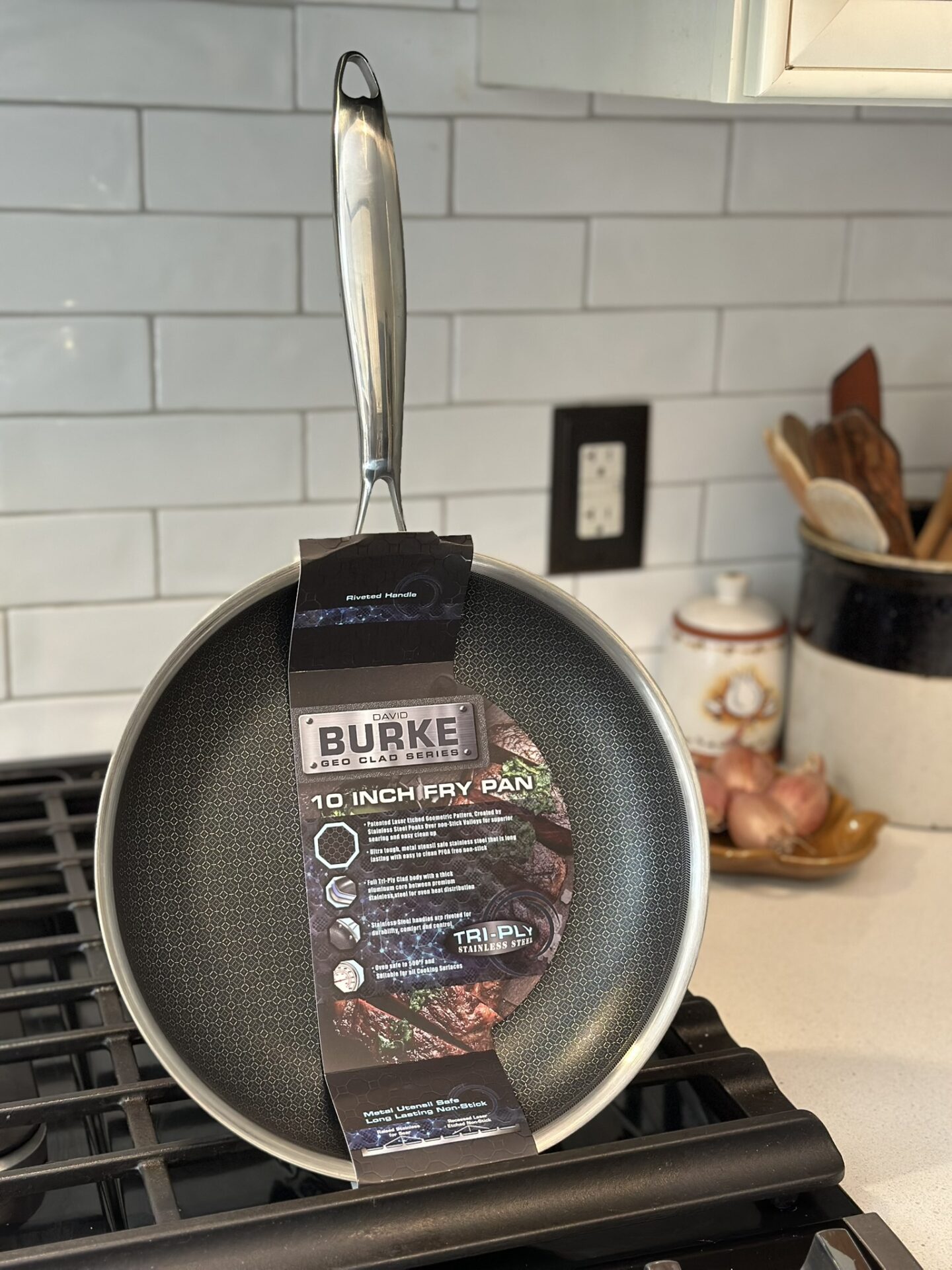
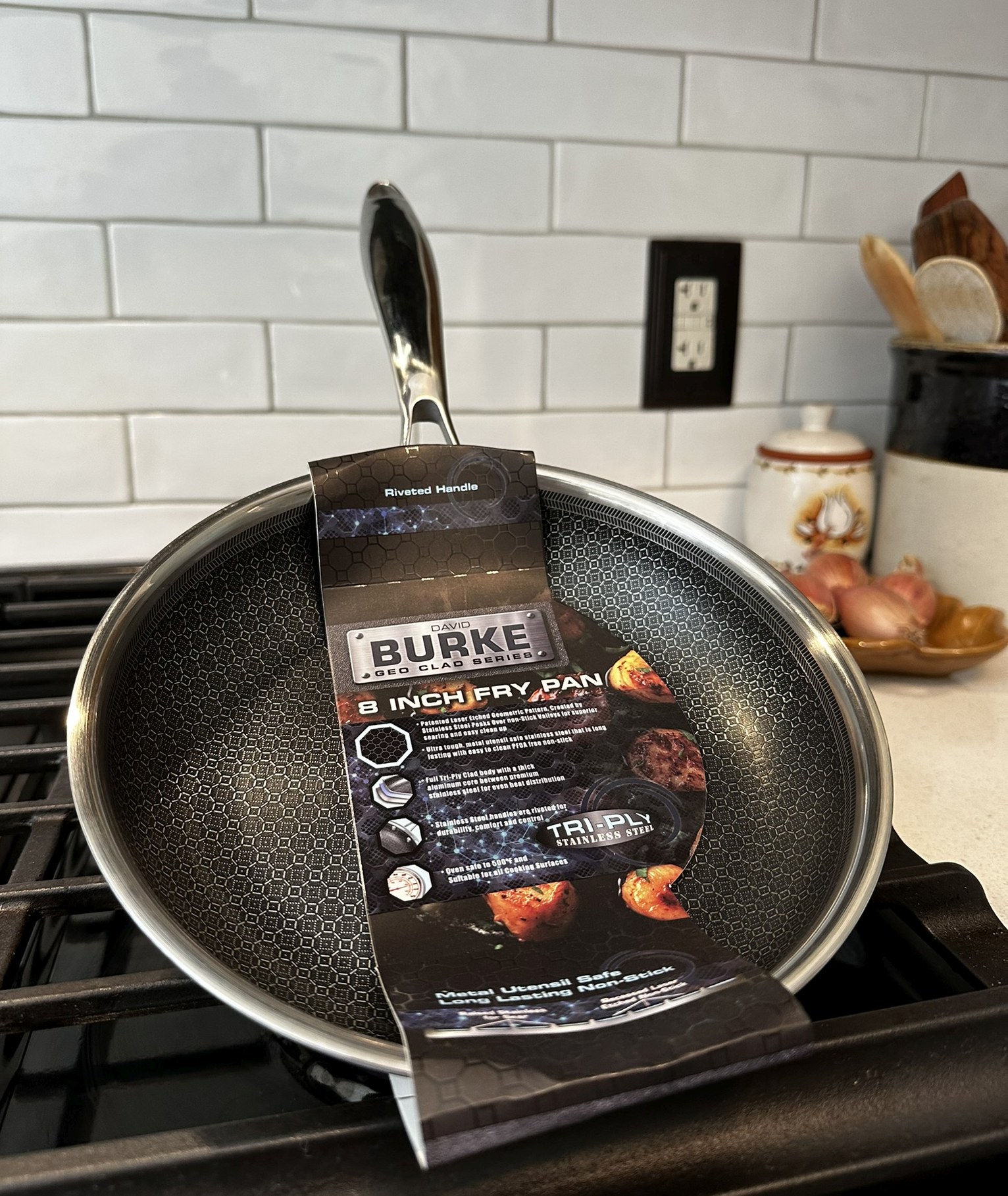
David Burke cookware often uses a combination of metals for strength, heat control, and safety. The main metals include:
- Stainless Steel: This metal is common in the cookware’s body. It is durable and resistant to rust and corrosion.
- Aluminum: Aluminum is used in the base or core for fast and even heat distribution.
- Copper (sometimes): Copper may appear in some lines for excellent heat control.
Stainless steel is popular because it does not react with food or release harmful chemicals. The aluminum core helps food cook evenly without hot spots. Copper, when used, is layered between metals to improve heat response but stays sealed inside layers to avoid contact with food.
| Metal | Purpose | Safety Level |
|---|---|---|
| Stainless Steel | Durability and non-reactivity | Highly safe and non-toxic |
| Aluminum | Heat conduction (core only) | Safe when enclosed, no direct food contact |
| Copper | Heat control (if used) | Safe if sealed within layers |
All metals in David Burke cookware are chosen to avoid toxic elements like lead or cadmium. The design keeps metals from leaching into food.
Coating And Finish Details
The coating and finish on David Burke cookware add protection and non-stick features. These details affect safety and ease of use.
- Non-Stick Coating: Some pieces have a non-stick layer that is PFOA-free, meaning it does not use harmful chemicals.
- Polished Stainless Steel: Other items have a smooth, polished finish that is chemical-free and safe for cooking.
- Oven-Safe Finishes: Many finishes withstand high heat without breaking down or releasing toxins.
David Burke cookware’s non-stick coatings are designed for low chemical risk. They avoid heavy metals and toxic substances commonly found in cheap cookware coatings.
| Finish Type | Key Features | Safety Notes |
|---|---|---|
| Non-Stick (PFOA-Free) | Easy food release, low oil use | Safe, no harmful chemicals |
| Polished Stainless Steel | Durable, chemical-free surface | Non-toxic, safe for all cooking |
| Oven-Safe Finish | Heat resistant, long-lasting | Does not release toxins at high heat |
The finishes are tested for safety and durability. This ensures the cookware stays non-toxic even after repeated use and cleaning.
Non-toxic Claims And Certifications
When choosing cookware, safety is a top priority. Many people ask, Is David Burke cookware non-toxic? This section explores the non-toxic claims and certifications related to this brand. Understanding these certifications helps buyers trust the cookware’s safety for daily use. Non-toxic cookware means it does not release harmful chemicals during cooking.
Fda And Safety Standards
David Burke cookware meets important FDA (Food and Drug Administration) guidelines that ensure it is safe for cooking. The FDA sets strict rules for materials that touch food. These rules help prevent chemicals from leaching into meals.
The cookware uses materials that are:
- Free from lead and cadmium
- Compliant with FDA food contact requirements
- Designed to withstand high cooking temperatures without releasing toxins
Below is a simple table showing how David Burke cookware compares with common safety standards:
| Safety Aspect | David Burke Cookware | FDA Standard |
|---|---|---|
| Lead Content | Non-detectable | Less than 0.1 ppm |
| Cadmium Content | Non-detectable | Less than 0.1 ppm |
| Heat Resistance | Safe up to 500°F | Safe up to 500°F |
These standards confirm the cookware is safe for everyday use. The materials do not release harmful chemicals during normal cooking.
Third-party Testing Results
Independent labs test David Burke cookware for safety to support the brand’s non-toxic claims. These tests check for harmful chemicals, heavy metals, and durability under heat.
Third-party results show:
- No detectable levels of toxic metals such as lead or cadmium.
- Non-reactive surfaces that do not leach chemicals into food.
- Strong resistance to scratches and wear that could expose unsafe layers.
Testing covers:
- Material composition
- Heat exposure effects
- Food safety under repeated use
The following table summarizes common tests and their outcomes for David Burke cookware:
| Test Type | Result | Safety Implication |
|---|---|---|
| Heavy Metal Screening | Passed | No harmful metals detected |
| Leach Testing | Passed | No chemical release into food |
| Durability Test | Passed | Surface remains intact after use |
These results confirm the cookware’s non-toxic nature. Buyers can trust the brand’s safety claims backed by science.
Health Benefits Of Non-toxic Cookware
Choosing the right cookware matters for your health. Non-toxic cookware helps keep your meals safe and nutritious. David Burke cookware focuses on materials that do not release harmful chemicals into food. This choice supports a healthier kitchen environment and better eating habits. Understanding the health benefits of non-toxic cookware can guide you to safer cooking and eating.
Avoiding Harmful Chemicals
Many cookware types release toxins when heated. These chemicals can mix with food and enter your body. Non-toxic cookware like David Burke’s avoids this risk by using safe materials. This helps reduce exposure to harmful substances such as:
- PTFE (Teflon) – linked to health risks when overheated
- PFOA – a chemical once common in non-stick coatings
- Lead and cadmium – sometimes found in low-quality coatings
Using non-toxic cookware lowers the chance of chemical contamination. This is important for families, especially children and pregnant women. Safe cookware supports long-term health by reducing toxic build-up in the body.
| Chemical | Health Concern | Presence in Cookware |
|---|---|---|
| PTFE | Respiratory issues, flu-like symptoms | Non-stick coatings (overheated) |
| PFOA | Cancer risk, hormone disruption | Older non-stick cookware |
| Lead/Cadmium | Kidney damage, nervous system harm | Cheap coatings, paints |
David Burke cookware avoids these chemicals. It uses safe metals and coatings that do not break down during cooking. This makes your meals cleaner and your kitchen safer.
Impact On Food Quality
Non-toxic cookware affects how food tastes and its nutritional value. Cookware that does not leach chemicals helps keep food pure and fresh. David Burke cookware preserves food quality in several ways:
- Maintains natural flavors without adding metallic or plastic tastes
- Retains nutrients by distributing heat evenly and gently
- Prevents chemical reactions that can alter food color and texture
Cookware materials like stainless steel and ceramic do not react with acidic or alkaline foods. This means dishes like tomato sauce or lemon chicken stay safe and flavorful.
Uneven heating can burn food or cause nutrient loss. David Burke cookware offers good heat control to avoid this. Healthy meals come from cookware that cooks food properly and safely.
| Cookware Type | Effect on Food Quality | Health Benefit |
|---|---|---|
| Non-toxic metals (stainless steel) | No flavor change, even cooking | Better taste, nutrient retention |
| Ceramic-coated | Non-reactive surface, easy clean | Safe for acidic foods |
| Old non-stick | Can release toxins, uneven heat | Risk of chemical contamination |
Credit: www.muebleselitte.com
User Experiences And Reviews
Many people want to know if David Burke cookware is non-toxic. User experiences and reviews provide real insights into this question. These reviews highlight what buyers like and dislike about the cookware. They also reveal how the product performs in everyday cooking. Understanding user feedback helps in making a smart choice about this cookware brand.
Positive Feedback
Users often praise David Burke cookware for its safe materials and quality build. Many reviewers mention that the cookware feels sturdy and well-made. They appreciate the non-toxic coatings that prevent harmful chemicals from leaching into food.
- Non-toxic coatings: Users confirm the absence of PFOA and PTFE, which are harmful chemicals found in some cookware.
- Durability: Many report that the pots and pans hold up well after months of use without chipping or peeling.
- Easy to clean: The surfaces are non-stick, making cleaning simple and fast.
- Even heating: Several cooks mention the cookware heats evenly, improving cooking results.
Here is a summary of common positive points mentioned by users:
| Feature | User Comments |
|---|---|
| Material Safety | Non-toxic and free from harmful chemicals |
| Durability | Long-lasting with no peeling or damage |
| Non-stick Performance | Easy to clean and food does not stick |
| Cooking Quality | Heats evenly for better cooking results |
Common Concerns
Some users share concerns about David Burke cookware. The main issues focus on the price and longevity of the non-stick coating. A few buyers feel the cookware is expensive compared to other brands with similar features.
- Price: Some users find the cost high for the quality offered.
- Coating wear: A small number report the non-stick surface wears off after extended use.
- Handle comfort: A few mention handles get hot or feel less comfortable during cooking.
- Limited sizes: Some wish for more size options in the cookware sets.
Below is a table showing common concerns and their frequency based on user reviews:
| Concern | Frequency | Details |
|---|---|---|
| Price | Moderate | Seen as expensive by some buyers |
| Coating Wear | Low | Non-stick surface may degrade after months |
| Handle Comfort | Low | Handles can get hot or feel awkward |
| Size Options | Low | Limited range of pot and pan sizes |
Comparison With Other Cookware Brands
David Burke cookware is often praised for its design and cooking efficiency. Many wonder about its safety compared to other popular cookware brands. This section compares David Burke cookware with other brands in terms of toxicity and durability. Understanding these factors helps choose cookware that is safe and long-lasting.
Toxicity Levels
David Burke cookware aims to provide a non-toxic cooking experience. It uses materials that avoid harmful chemicals like PFOA, PTFE, and lead. These chemicals often appear in cheaper cookware and can release toxins when heated.
Here is a comparison of toxicity levels between David Burke and other common cookware brands:
| Brand | PFOA/PTFE Free | Lead & Cadmium Free | Non-Toxic Coating |
|---|---|---|---|
| David Burke | Yes | Yes | Ceramic-Based |
| T-fal | Yes | Mostly | PTFE Non-Stick |
| Cuisinart | Some Models Yes | Mostly | Varies (Non-Stick & Stainless) |
| Calphalon | Yes | Yes | Hard-Anodized Non-Stick |
- David Burke uses ceramic coatings that are free from PTFE and PFOA.
- Many other brands still use PTFE-based coatings which may release toxic fumes if overheated.
- David Burke cookware avoids heavy metals like lead and cadmium.
- This makes it safer for everyday cooking and healthier food preparation.
Overall, David Burke cookware offers a cleaner, safer option compared to some traditional non-stick brands. Its materials reduce risks of chemical exposure during cooking.
Durability And Performance
Durability is key in cookware. David Burke cookware performs well but has different strengths compared to other brands. It uses heavy-gauge aluminum with a ceramic coating. This design offers good heat distribution and easy cleanup.
Comparison of durability and performance factors:
| Feature | David Burke | T-fal | Calphalon |
|---|---|---|---|
| Material | Aluminum with Ceramic Coating | Aluminum with PTFE Coating | Hard-Anodized Aluminum |
| Heat Distribution | Even, quick heating | Good, some hotspots | Excellent, very even |
| Scratch Resistance | Moderate (ceramic can chip) | Low (PTFE wears over time) | High (hard-anodized is tough) |
| Maintenance | Hand wash recommended | Dishwasher safe | Hand wash preferred |
- David Burke cookware heats quickly and distributes heat evenly.
- Ceramic coating resists sticking but may chip if used roughly.
- It needs gentle cleaning to maintain the coating.
- Calphalon offers more durability but uses less natural coatings.
- T-fal is affordable but coatings wear out faster.
David Burke cookware balances safety and performance well. It suits cooks who want non-toxic options without losing heat control. Proper care extends its life and cooking quality.
Credit: www.ebay.com
Maintenance And Care Tips
Proper maintenance and care keep David Burke cookware safe and non-toxic for daily use. Following simple cleaning and handling steps preserves the cookware’s quality and ensures it remains free from harmful residues. Understanding the right methods helps protect the cookware’s surface and maintain its health benefits.
Cleaning Methods
Cleaning David Burke cookware gently avoids damage and keeps it non-toxic. Harsh scrubbing or strong chemicals can harm the cooking surface. Use mild soap and warm water for regular cleaning. Avoid abrasive pads or steel wool, which may scratch the cookware.
- Wash by hand with a soft sponge or cloth.
- Rinse thoroughly to remove soap residue.
- Dry immediately with a clean towel to prevent water spots.
For stuck-on food, soak the cookware in warm soapy water for 10 to 15 minutes. This softens residues without scrubbing hard. Use a non-abrasive scrubber if needed. Avoid putting David Burke cookware in the dishwasher, as detergents can degrade the surface over time.
| Do | Don’t |
|---|---|
| Use mild dish soap | Avoid bleach or harsh chemicals |
| Hand wash with soft sponge | Do not use steel wool or abrasive pads |
| Dry immediately after washing | Do not soak for long periods |
Extending Cookware Lifespan
Handling David Burke cookware with care extends its life and keeps it non-toxic. Heat the cookware gradually to prevent warping or damage. Avoid using metal utensils, which can scratch and degrade the surface.
- Use wooden, silicone, or plastic utensils.
- Cook on low to medium heat to protect the coating.
- Store cookware carefully to avoid dents or scratches.
Stack pans with a soft cloth or paper towel between them. This prevents surface abrasion. Regularly inspect the cookware for signs of wear. Replace if the surface coating peels or becomes damaged. Proper care ensures the cookware stays safe and effective for years.
| Tip | Benefit |
|---|---|
| Use gentle utensils | Prevents scratches and coating damage |
| Cook at moderate temperatures | Maintains cookware integrity |
| Store with padding between pieces | Avoids surface wear and dents |
Frequently Asked Questions
Is David Burke Cookware Free From Toxic Chemicals?
Yes, David Burke Cookware is made with non-toxic materials. It avoids harmful substances like PFOA, PFAS, lead, and cadmium, ensuring safe cooking for your health.
What Materials Make David Burke Cookware Non-toxic?
David Burke Cookware uses ceramic and stainless steel coatings. These materials are free from toxic chemicals and provide a safe, durable cooking surface.
Does David Burke Cookware Release Harmful Fumes When Heated?
No, this cookware does not emit harmful fumes. Its non-toxic coating remains stable under normal cooking temperatures, making it safe for everyday use.
How Does David Burke Cookware Compare To Traditional Cookware?
David Burke Cookware is safer as it contains no harmful chemicals. Traditional cookware may contain PFOA or PTFE, which can release toxins when overheated.
Conclusion
David Burke cookware offers a safe cooking option with non-toxic materials. It avoids harmful chemicals often found in some pans. The design focuses on healthy cooking and durability. Users can cook without worrying about toxins leaching into food. This cookware suits those who care about health and safety.
Choosing it means making a simple step toward cleaner meals. Trust in its quality and safe cooking surface. A wise choice for everyday kitchen use.

Hello, This is Annie Walker, a 38-year-old blogger, founder, and editor of Cookware Guider from NY, USA. I am a cookware fanatic and passionate cooker. I love to cook with different types of cooking appliances (example: all types of cookware, rice cookers, slow cookers, etc) almost every day in my kitchen. I love to share my experience with my readers in my blog. Also, I enjoy helping people to solve their problems through my website. You can follow me on Twitter & Pinterest. To know details about my blog please check the about us page.