
Are you wondering if glass cookware is safe to use in your kitchen? You’re not alone.
Many people love the look and convenience of glass pots and pans but worry about how they hold up to heat and whether they might release harmful chemicals. The truth is, choosing the right cookware affects not just your meals but your health too.
You’ll discover what makes glass cookware different, how safe it really is, and what you should watch out for to keep your cooking both tasty and worry-free. Keep reading to find out everything you need to know before you buy or use glass cookware.
Safety Of Glass Cookware
Glass cookware offers a clear and attractive option for cooking and baking. Its safety depends on the type of glass and how it reacts to heat and food. Understanding the safety of glass cookware helps you make smart choices for your kitchen. Glass does not release harmful chemicals when heated, making it a popular choice for health-conscious cooks.
Types Of Glass Used
Several types of glass are used to make cookware. Each type has different properties that affect safety and durability.
- Borosilicate Glass: Known for its strong resistance to thermal shock. This glass can handle sudden temperature changes without breaking.
- Soda-Lime Glass: More common and cheaper. It is less resistant to heat but safe for moderate oven use.
- Tempered Glass: Treated to be stronger and less likely to shatter. It breaks into small, less harmful pieces if damaged.
Here is a simple comparison table:
| Type of Glass | Heat Resistance | Durability | Common Use |
|---|---|---|---|
| Borosilicate | High (up to 450°C) | Very durable | Baking dishes, lab glassware |
| Soda-Lime | Moderate (up to 250°C) | Less durable | Everyday bakeware |
| Tempered | Moderate to high | Strong and safer breakage | Cookware lids, baking trays |
Choosing the right glass depends on your cooking style and oven type. Borosilicate glass is best for high heat and sudden temperature changes. Soda-lime glass works well for low to medium heat cooking.
Heat Resistance
Heat resistance is a key factor in glass cookware safety. Glass expands and contracts with heat, so it must handle this well to avoid cracks or breaks.
Borosilicate glass has excellent heat resistance. It can go from freezer to oven without damage. This makes it safe for many cooking methods.
Soda-lime glass is less heat resistant. It may crack if exposed to sudden temperature changes. Avoid placing hot glass cookware on cold surfaces or adding cold liquids to hot dishes.
- Oven use: Most glass cookware is safe up to 425°F (220°C).
- Microwave use: Glass is safe as it does not absorb microwave energy.
- Stovetop use: Generally not recommended unless specified by the manufacturer.
Follow these tips to protect glass cookware:
- Preheat the oven before placing glass cookware inside.
- Use oven mitts to handle hot glass safely.
- Do not expose glass to direct flame or stovetop heat.
Heat resistance varies by glass type, but careful use extends cookware life and keeps it safe.
Chemical Stability
Chemical stability means the glass does not react with food or release harmful substances. This is a major safety benefit of glass cookware.
Glass is made from natural materials like sand and minerals. It does not contain harmful chemicals like lead or cadmium. This makes glass a safe choice for cooking and storing food.
- No leaching: Glass does not leach chemicals into food, even with acidic or oily ingredients.
- Non-porous surface: Easy to clean and does not absorb odors or stains.
- Safe for all food types: Works well with fruits, vegetables, meats, and sauces without altering taste.
Some glass cookware may have decorative coatings or metal parts. Check labels for food safety certification to avoid unsafe materials.
Glass cookware’s chemical stability makes it ideal for healthy cooking. It provides peace of mind about food safety and purity.
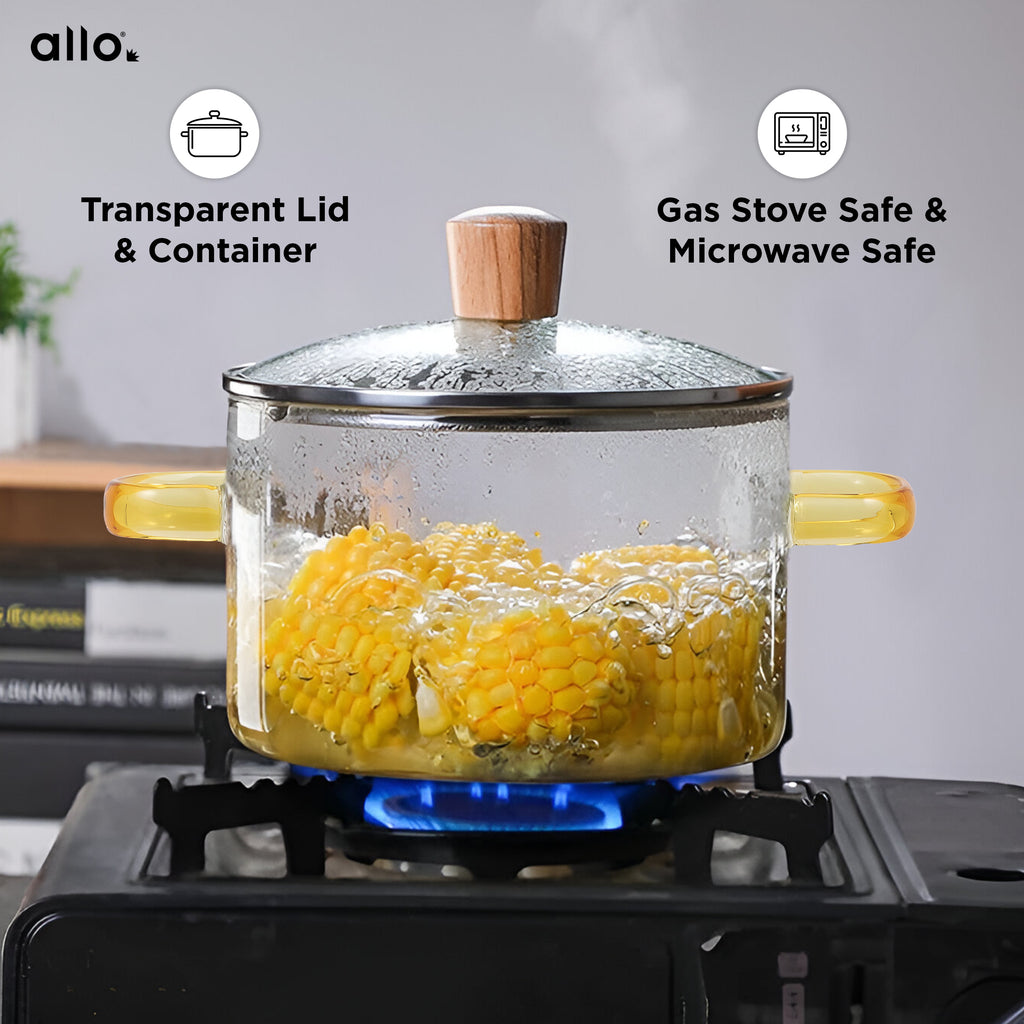
Credit: alloinnoware.com
Comparing Glass With Other Materials
Choosing the right cookware affects food taste, health, and cooking ease. Glass cookware stands out as a popular choice. Comparing glass with other materials helps understand its safety and benefits. Each material has unique features that impact cooking performance and health. This section looks closely at glass versus metal and ceramic cookware. It also explores the non-toxic nature of these materials. Clear facts help make informed decisions for a healthy kitchen.
Glass Vs Metal
Glass and metal cookware differ in heat conduction and safety. Metal heats food quickly but may react with acidic ingredients. Glass heats slower but distributes heat evenly. This can prevent hot spots and burning.
- Heat Conductivity: Metal cooks faster; glass cooks evenly.
- Reactivity: Metal can react with acidic foods, changing taste and safety. Glass is non-reactive.
- Durability: Metal is more durable but can scratch or dent. Glass can break if dropped.
- Cleaning: Glass is easier to clean and resists stains better than metal.
| Feature | Glass | Metal |
|---|---|---|
| Heat Conductivity | Slower, even heat | Fast, uneven heat |
| Reactivity | Non-reactive | Can react with acidic food |
| Durability | Fragile, can break | Strong, can dent or scratch |
| Cleaning | Easy to clean, stain-resistant | May stain, harder to clean |
Glass cookware suits gentle cooking and baking. Metal works well for quick frying or boiling. Choosing depends on cooking needs and care habits.
Glass Vs Ceramic
Glass and ceramic cookware share many features but also have differences. Both are non-reactive and safe for food contact. Ceramic is often coated and may chip. Glass is usually a solid piece and less likely to chip but can shatter.
- Heat Resistance: Both handle oven heat well. Glass can handle sudden temperature changes better.
- Weight: Ceramic tends to be heavier than glass.
- Appearance: Ceramic often comes in colorful designs. Glass is transparent, so you see the food.
- Maintenance: Both are dishwasher safe, but ceramic coatings may wear over time.
| Feature | Glass | Ceramic |
|---|---|---|
| Heat Resistance | High, good for sudden changes | High, but can chip |
| Weight | Lighter | Heavier |
| Appearance | Clear, see food | Colorful, opaque |
| Durability | Fragile, can shatter | Can chip or crack |
Glass offers clear visibility during cooking. Ceramic provides aesthetic appeal but needs careful handling.
Non-toxic Properties
Safety is vital in cookware. Toxic materials can leach into food during cooking. Glass is 100% non-toxic and does not release chemicals. It is made from natural materials like sand and soda ash.
Metal cookware varies. Stainless steel is safe and non-reactive. Aluminum and copper can leach metals if not coated properly.
- Glass: No chemicals or metals leach into food.
- Ceramic: Usually non-toxic but watch for lead in low-quality glazes.
- Metal: Stainless steel safe; aluminum and copper may risk leaching.
Glass cookware is a top choice for health-conscious cooks. It keeps food pure and safe. No worries about chemical contamination. Easy to clean and maintain without damaging coatings or layers.
Common Concerns And Myths
Many people wonder about the safety of glass cookware. Common concerns and myths often cause confusion. Some worry about glass breaking easily. Others question if glass releases harmful chemicals. Questions also arise about using glass in microwaves and ovens. Understanding these points helps you decide if glass cookware suits your kitchen. Let’s clear up common doubts and facts.
Risk Of Shattering
One major worry is that glass cookware may shatter during use. Glass can break if exposed to sudden temperature changes. This is called thermal shock. For example, placing a hot glass dish on a cold surface can cause cracks or breaks.
Tips to reduce risk of shattering:
- Do not move glass cookware directly from freezer to hot oven.
- Avoid sudden temperature changes like placing hot glass on a wet or cold countertop.
- Use glass cookware labeled as heat-resistant or tempered.
- Inspect glass for chips or cracks before use. Damaged glass breaks more easily.
Tempered glass is stronger than regular glass. It is designed to withstand heat better and resist breaking. Even so, no glass is unbreakable. Handle with care and avoid impacts. The table below compares glass types and their break resistance:
| Glass Type | Heat Resistance | Break Resistance |
|---|---|---|
| Regular Glass | Low to Moderate | Fragile |
| Tempered Glass | High | Strong |
| Borosilicate Glass | Very High | Very Strong |
Summary: Glass cookware can shatter, but proper use limits risk. Tempered and borosilicate glasses offer better safety.
Leaching Chemicals
Many ask if glass cookware releases harmful chemicals into food. Glass is mostly made from sand and minerals. It is non-porous and does not absorb or release substances. This makes glass very safe for cooking and storing food.
Why glass does not leach chemicals:
- Glass is inert, meaning it does not react with food.
- No plastics or coatings that can melt or release toxins.
- Does not contain harmful metals like lead or cadmium when properly made.
Some glass cookware may have decorative paints or metal parts. These could pose risks if they chip or wear off. Always choose glassware labeled food-safe and free from toxic coatings.
Comparison of common cookware materials and chemical leaching risk:
| Cookware Type | Leaching Risk | Notes |
|---|---|---|
| Glass | None | Non-reactive, safe |
| Non-stick (Teflon) | Possible at high heat | Can release fumes if overheated |
| Aluminum | Possible | May react with acidic foods |
| Cast Iron | Minimal | Iron can leach but often beneficial |
Bottom line: Glass cookware is one of the safest choices for chemical-free cooking.
Microwave And Oven Use
Glass cookware is popular for microwave and oven use. It heats food evenly and does not warp. Many believe glass is unsafe in these appliances, but this is a myth if used correctly.
Guidelines for microwave and oven use:
- Check the manufacturer’s label for microwave and oven safety.
- Use glass labeled as heatproof or tempered for oven cooking.
- Avoid sudden temperature changes to prevent cracking.
- Do not use glass cookware on stovetops or under broilers unless specified.
Microwaves heat food by exciting water molecules, and glass does not absorb microwaves. This means glass stays cool while food heats. Oven heat surrounds the glass slowly, reducing risk of breakage.
Common mistakes causing glass damage in microwave or oven:
- Placing cold glass cookware directly into a hot oven.
- Using glass with metallic trims in microwaves.
- Rapidly cooling hot glass in cold water.
Following these tips ensures safe use of glass cookware in microwaves and ovens. Glass remains a reliable choice for heating and baking food.
Tips For Safe Use
Glass cookware offers a clear view of your food as it cooks and is often praised for being non-toxic and safe. To keep it safe and durable, follow some simple tips for safe use. These tips help prevent cracks, breaks, and maintain the quality of your glass cookware for a long time.
Proper Temperature Handling
Glass cookware can handle heat well, but sudden changes can cause damage. Always preheat your oven before placing the glass cookware inside. Avoid placing cold glass cookware directly into a hot oven or on a hot stovetop. This prevents stress on the glass that can cause cracks.
Keep these points in mind for proper temperature handling:
- Do not use glass cookware on direct stovetop flames. Use it only in the oven or microwave.
- Allow glass cookware to warm up gradually. Avoid placing it in extreme heat suddenly.
- Do not transfer glass cookware from freezer to oven. Let it reach room temperature first.
- Use medium or low heat settings if your glass cookware is stovetop-safe.
| Action | Safe Practice | Risk of Not Following |
|---|---|---|
| Placing cold glass in hot oven | Warm to room temperature first | Glass may crack or shatter |
| Using direct flame on glass pan | Use oven or microwave only | Glass can break or get damaged |
| Heating glass too quickly | Heat gradually at medium or low temperature | Stress causes cracks |
Avoiding Thermal Shock
Thermal shock happens when glass experiences sudden temperature changes. This can cause the glass to crack or break easily. Avoid exposing glass cookware to cold water while it is still hot. Let it cool down on the counter before washing.
Important tips to prevent thermal shock:
- Do not place hot glass cookware in cold water. Wait for it to cool naturally.
- Avoid moving glass cookware from freezer to hot oven. Allow it to warm up gradually.
- Use oven mitts to handle hot glass cookware. Sudden impacts can weaken glass.
- Do not stack hot glass cookware right after use. Heat trapped inside can cause cracks.
Thermal shock weakens the glass structure. Following these simple steps keeps your cookware safe and extends its life.
Cleaning And Maintenance
Proper cleaning and care keep glass cookware looking new and working well. Use gentle cleaning methods to avoid scratches and damage. Avoid harsh scrubbing pads and strong chemicals.
Follow these cleaning and maintenance tips:
- Hand wash with warm, soapy water. Use a soft sponge or cloth.
- For stuck-on food, soak the cookware first. Soak in warm water for 15-30 minutes.
- Use baking soda paste for tough stains. Mix baking soda with water and gently scrub.
- Avoid sudden temperature changes during cleaning. Do not rinse hot cookware with cold water.
- Dry thoroughly before storing. This prevents water spots and mineral deposits.
Store glass cookware in a safe place to avoid chips or cracks. Avoid stacking heavy items on top of glass cookware. Regular care keeps your glass cookware safe and efficient for years.
Health Benefits Of Glass Cookware
Glass cookware offers a healthy option for cooking and baking. It does not react with food, keeping meals pure and safe. Many people choose glass because it supports a clean diet and reduces health risks linked to some metals or coatings. Understanding the health benefits of glass cookware helps make better kitchen choices.
Non-reactive Surface
One key health benefit of glass cookware is its non-reactive surface. Glass does not interact with acidic or alkaline foods. This means your food’s taste and nutritional value stay intact during cooking.
Unlike metal pans, glass:
- Does not release harmful chemicals.
- Prevents food from picking up metallic flavors.
- Maintains the original color and aroma of food.
This non-reactive feature is especially important when cooking dishes with tomatoes, citrus, or vinegar. These ingredients can react with metals like aluminum or cast iron, causing off-flavors and possible health risks.
| Cookware Type | Reacts with Acidic Foods? | Effect on Food |
|---|---|---|
| Glass | No | Preserves taste and nutrients |
| Aluminum | Yes | May alter taste and color |
| Cast Iron | Yes | Can leach iron into food |
Using glass cookware ensures your meals stay fresh and healthy, free from unwanted chemical reactions.
No Metal Contamination
Glass cookware eliminates the risk of metal contamination. Metal pans can sometimes release small amounts of metals into food. This can happen especially when the cookware is scratched or worn out.
Health problems linked to metal contamination include:
- Metal allergies or sensitivities.
- Digestive discomfort.
- Long-term buildup of metals in the body.
Glass is made from natural materials like sand, and it does not leach metals or toxins. This makes it a safe choice for cooking and storing food.
Benefits of no metal contamination:
- Safe for children and adults.
- Good for people with metal allergies.
- Supports better digestion and health.
Choosing glass cookware helps avoid invisible metal particles in your meals. It offers peace of mind for clean and safe cooking.
Allergen Friendly
Glass cookware is allergen friendly. It does not contain or release allergens during cooking. This is important for people sensitive to common allergens in some cookware coatings.
Many non-stick pans have chemical coatings that can irritate some users. Glass, by contrast, is free from:
- PTFE (Teflon) coatings.
- PFOA or other harmful chemicals.
- Nickel or other metal allergens.
Because glass is inert and smooth, food does not stick easily when used with proper oils. This also reduces the chance of cross-contamination between allergen-containing foods.
Reasons glass is great for allergy sufferers:
- Easy to clean thoroughly.
- Resists buildup of allergens.
- Does not trap food particles.
For homes with allergy concerns, glass cookware provides a safe cooking surface. It helps keep food pure and reduces the risk of allergic reactions.

Credit: www.amazon.com

Credit: www.amazon.com
Frequently Asked Questions
Is Glass Cookware Safe For Cooking Food?
Yes, glass cookware is safe for cooking. It is non-toxic and does not release harmful chemicals. It is ideal for baking and slow cooking, maintaining food purity and flavor without contamination.
Can Glass Cookware Withstand High Oven Temperatures?
Most glass cookware can handle oven temperatures up to 450°F. However, sudden temperature changes can cause breakage. Always check manufacturer guidelines to ensure safe temperature limits.
Does Glass Cookware Contain Harmful Chemicals?
No, quality glass cookware is free from harmful chemicals like BPA or PFOA. It is made from inert materials that do not leach toxins into food, making it a healthy cooking option.
Is Glass Cookware Microwave And Dishwasher Safe?
Yes, glass cookware is generally safe for microwave use and dishwasher cleaning. It does not absorb food odors or stains, making it convenient and easy to maintain.
Conclusion
Glass cookware offers a safe way to cook your meals. It does not release harmful chemicals into food. You can use it in ovens and microwaves with ease. Cleaning glass cookware is simple and quick. It also lets you see your food while cooking.
Just handle it carefully to avoid breaking. Choosing glass cookware can be a healthy kitchen choice. It combines safety, convenience, and clear cooking visibility. Try it and enjoy worry-free cooking every day.

Hello, This is Annie Walker, a 38-year-old blogger, founder, and editor of Cookware Guider from NY, USA. I am a cookware fanatic and passionate cooker. I love to cook with different types of cooking appliances (example: all types of cookware, rice cookers, slow cookers, etc) almost every day in my kitchen. I love to share my experience with my readers in my blog. Also, I enjoy helping people to solve their problems through my website. You can follow me on Twitter & Pinterest. To know details about my blog please check the about us page.