
Are you curious about what makes ceramic cookware so popular in kitchens everywhere? Understanding what ceramic cookware is made of can help you choose the best pots and pans for your cooking needs.
You might be surprised to learn how its materials affect heat, durability, and even your health. Keep reading to discover the secrets behind ceramic cookware and why it could be the perfect addition to your kitchen.
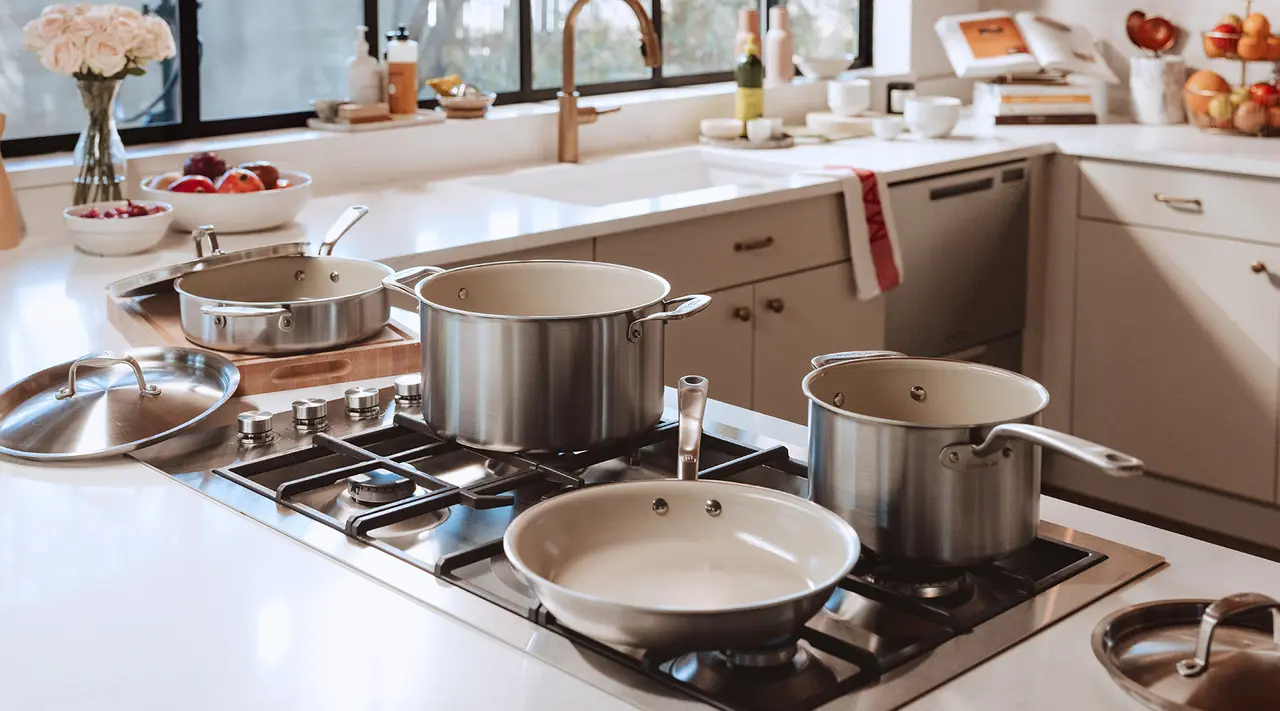
Credit: madeincookware.com
Materials In Ceramic Cookware
Ceramic cookware is popular for its natural, safe, and efficient cooking properties. The materials used in ceramic cookware play a key role in its performance, durability, and safety. Understanding these materials helps you choose the right cookware for your kitchen. Ceramic cookware mainly consists of natural clays, minerals, and special coatings. Each type of material offers different benefits like heat retention, nonstick ability, and resistance to scratches and stains. Here, we explore the main materials found in ceramic cookware and what makes them unique.
Natural Clay And Minerals
Natural clay forms the base of many ceramic cookware pieces. It is mixed with various minerals to improve strength and heat distribution. These minerals include:
- Kaolin: A white clay that provides smoothness and durability.
- Feldspar: Helps in hardening the clay during firing.
- Quartz: Adds strength and heat resistance.
During manufacturing, the clay and minerals are shaped and fired at high temperatures. This process creates a hard, dense surface that holds heat well. Natural clay cookware is non-toxic and free from metals or chemicals. It offers even cooking and retains moisture in food.
| Material | Function | Benefit |
|---|---|---|
| Kaolin | Smoothness and durability | Prevents cracking and chipping |
| Feldspar | Hardening agent | Enhances strength during firing |
| Quartz | Heat resistance | Improves heat retention |
Natural clay cookware is excellent for slow cooking and baking. It absorbs and distributes heat slowly, avoiding hot spots. The mineral content makes it durable but also delicate if dropped. Proper care is important to maintain its lifespan.
Nonstick Ceramic Coatings
Nonstick ceramic coatings are a popular feature in modern ceramic cookware. These coatings are made from inorganic minerals, primarily silica, which is baked onto metal cookware surfaces. The result is a smooth, nonstick layer that is free of harmful chemicals like PTFE and PFOA.
The benefits of nonstick ceramic coatings include:
- Easy food release without oil or butter
- Simple cleaning with just soap and water
- Resistance to high temperatures up to 450°F (232°C)
- Scratch resistance when used with proper utensils
Nonstick ceramic coatings come in different thicknesses and qualities. Thicker coatings last longer but may reduce heat conductivity slightly. Some brands add extra layers for better durability and smoothness.
| Feature | Details |
|---|---|
| Material | Silica-based mineral coating |
| Temperature Limit | Up to 450°F (232°C) |
| Care | Use soft utensils, avoid metal |
| Lifespan | 1-3 years depending on use |
Nonstick ceramic coatings provide a healthy alternative to traditional nonstick surfaces. They do not release toxic fumes and are often free from heavy metals. Users should avoid abrasive cleaners to keep the surface intact.
Porcelain And Stoneware
Porcelain and stoneware are two types of ceramic materials often used in cookware. Both are made from clay but differ in firing temperature and texture. Porcelain is fired at higher temperatures, making it denser and less porous than stoneware.
Porcelain cookware is smooth, shiny, and often white or colored. It resists stains and scratches well. Porcelain is a good choice for baking dishes, casseroles, and serving pieces.
Stoneware has a coarser texture and thicker walls. It offers excellent heat retention and can be used for roasting and slow cooking. Stoneware is less glossy but very durable.
| Type | Firing Temperature | Texture | Best Use |
|---|---|---|---|
| Porcelain | 2300°F (1260°C) | Smooth, shiny | Baking, serving, casseroles |
| Stoneware | 2100°F (1150°C) | Coarse, thick | Roasting, slow cooking |
Both porcelain and stoneware are naturally non-toxic and safe for oven use. They retain heat well and provide even cooking. Proper care prevents chipping and prolongs the life of the cookware.

Credit: xtrema.com
Manufacturing Process
The manufacturing process of ceramic cookware shapes its quality, durability, and performance. Ceramic cookware is crafted from natural materials like clay, minerals, and water. These raw materials go through several stages to transform into the smooth, hard pots and pans used in kitchens worldwide. Each step affects how the cookware handles heat, resists scratches, and maintains a non-stick surface. Understanding the manufacturing process reveals the care and skill involved in creating reliable ceramic cookware.
Shaping And Molding
The first step in making ceramic cookware is shaping and molding the raw materials into the desired form. The process starts with mixing clay and other minerals to create a workable substance. This mixture must have the right moisture content for shaping.
- Hand Molding: Skilled artisans shape the clay by hand, perfect for unique or custom pieces.
- Slip Casting: Liquid clay (slip) is poured into molds. Once set, the mold is removed to reveal the shape.
- Pressing: Clay is pressed into molds under high pressure for uniform thickness and shape.
These methods ensure the cookware’s walls are consistent and strong. The shape affects heat distribution and cooking efficiency. After shaping, pieces dry slowly to remove moisture and reduce cracking risks.
| Shaping Method | Advantages | Common Uses |
|---|---|---|
| Hand Molding | Unique designs, artisan quality | Custom cookware, decorative pieces |
| Slip Casting | Precision, smooth surfaces | Mass production, uniform pieces |
| Pressing | Strong, even thickness | Standard cookware shapes |
Firing Techniques
Firing is a crucial step that hardens the shaped clay and turns it into ceramic. This process involves heating the cookware at very high temperatures inside a kiln. The firing temperature usually ranges between 1,000°C to 1,400°C (1,832°F to 2,552°F). The heat causes chemical changes that make the ceramic strong and heat-resistant.
There are different firing techniques:
- Bisque Firing: The first firing removes any remaining moisture and strengthens the piece.
- Glaze Firing: After applying glaze, the cookware is fired again to fuse the glaze to the surface.
- Raku Firing: A rapid cooling method used for decorative ceramics, less common in cookware.
During firing, the clay particles fuse tightly, creating a hard, dense structure. Proper firing prevents cracks and improves durability. Controlled cooling is essential to avoid warping or breakage.
| Firing Stage | Purpose | Temperature Range |
|---|---|---|
| Bisque Firing | Remove moisture, strengthen clay | 900°C – 1,000°C |
| Glaze Firing | Fuse glaze, add finish | 1,100°C – 1,400°C |
| Raku Firing | Quick cooling, decorative effects | Varies, lower temperatures |
Glazing And Finishing
Glazing gives ceramic cookware its smooth, non-porous surface. It seals the ceramic, making it safe for cooking and easy to clean. The glaze is a glass-like coating made from silica, alumina, and other minerals. It is applied by dipping, spraying, or brushing.
The glaze not only improves appearance but also provides:
- Non-stick properties for easy cooking and cleaning.
- Resistance to stains and odors.
- Protection against scratches and chips.
After glazing, the cookware undergoes a second firing to melt and fuse the glaze. The temperature and duration affect the glaze’s color and texture. Some finishes are matte, while others are glossy or satin.
Final quality checks ensure there are no cracks, bubbles, or imperfections. The cookware is then cooled slowly to maintain strength. Proper finishing guarantees long-lasting, safe ceramic cookware ready for daily use.
Types Of Ceramic Cookware
Ceramic cookware comes in various forms, each offering unique features and benefits. Understanding the types of ceramic cookware helps in choosing the right one for your kitchen. The two main types are pure ceramic pots and pans, and ceramic-coated metal cookware. Both provide non-stick surfaces but differ in material and heat handling. This guide explains these types in simple terms to help you decide.
Pure Ceramic Pots And Pans
Pure ceramic cookware is made entirely from natural clay and minerals. These pots and pans are shaped and fired at high temperatures to create a solid, non-porous surface. This type of ceramic cookware is known for its even heat distribution and excellent heat retention.
Key features of pure ceramic cookware:
- 100% ceramic material, no metal inside
- Non-stick surface without chemicals
- Safe for oven and microwave use
- Retains heat well for slow cooking
- Environmentally friendly and recyclable
Pure ceramic pots and pans tend to be heavier than other types. They may take longer to heat but keep food warm for a long time. Also, they are resistant to scratches and stains. These pots are perfect for baking, simmering, and cooking dishes that need gentle heat.
| Aspect | Pure Ceramic Cookware |
|---|---|
| Material | Natural clay and minerals |
| Weight | Heavy |
| Heat Distribution | Even and steady |
| Durability | Scratch and stain resistant |
| Non-stick | Yes, naturally |
Ceramic-coated Metal Cookware
Ceramic-coated metal cookware combines the strength of metal with a ceramic non-stick layer. These pans usually have an aluminum or stainless steel base coated with a smooth ceramic layer. The ceramic coating offers a non-stick surface and is free from harmful chemicals like PTFE or PFOA.
Main advantages of ceramic-coated metal cookware:
- Lighter and easier to handle than pure ceramic
- Heats up quickly and cools down fast
- Non-stick ceramic coating for easy cleaning
- Works well on gas, electric, and induction stoves
- Usually less expensive than pure ceramic
These pans are ideal for everyday cooking, frying, and sautéing. The metal base provides good heat conduction, while the ceramic coating prevents food from sticking. Note that the ceramic layer can wear off over time and may require gentle cleaning to last longer.
| Aspect | Ceramic-Coated Metal Cookware |
|---|---|
| Material | Metal base with ceramic coating |
| Weight | Light to medium |
| Heat Distribution | Fast and responsive |
| Durability | Coating can wear off |
| Non-stick | Yes, ceramic coating |
Benefits Of Ceramic Materials
Ceramic cookware is popular due to its many benefits. It is made from natural materials like clay and minerals, which are shaped and baked at high temperatures. This process creates a hard, smooth surface ideal for cooking. The benefits of ceramic materials make this cookware a great choice for everyday use. It offers excellent cooking performance, safety, and long-lasting quality.
Heat Distribution
Ceramic cookware heats up evenly. This means food cooks at a consistent temperature. Uneven heat can cause food to burn or cook poorly. Ceramic materials absorb and spread heat well. This helps avoid hot spots on the pan’s surface.
Key points about heat distribution:
- Even cooking: Food gets the right temperature all over.
- Energy efficient: Less heat is wasted, saving energy.
- Quick heating: Ceramic surfaces warm up fast.
- Retains heat: Keeps food warm after cooking.
| Cookware Type | Heat Distribution | Heat Retention |
|---|---|---|
| Ceramic | Excellent | Good |
| Stainless Steel | Moderate | Moderate |
| Cast Iron | Good | Excellent |
Non-toxic And Eco-friendly
Ceramic cookware is safe for health. It does not release harmful chemicals or toxins when heated. Many non-stick pans use chemicals that can be unsafe. Ceramic coatings are free from PFOA, PTFE, and heavy metals.
This cookware is also good for the environment. It is made from natural materials that break down easily. Manufacturers often use eco-friendly processes and less pollution.
- Safe cooking surface: No toxic fumes.
- Hypoallergenic: Suitable for sensitive users.
- Biodegradable materials: Less waste in landfills.
- Lower carbon footprint: Natural production methods.
Choosing ceramic cookware helps protect your health and the planet.
Durability And Scratch Resistance
Ceramic cookware is strong and lasts long. The baking process creates a hard surface that resists scratches better than many non-stick coatings. This helps keep the cookware looking new and working well.
Some tips to improve durability:
- Use wooden or silicone utensils instead of metal.
- Clean gently with soft sponges.
- Avoid sudden temperature changes to prevent cracking.
The following table compares durability features:
| Feature | Ceramic Cookware | Traditional Non-stick |
|---|---|---|
| Scratch Resistance | High | Low to Moderate |
| Surface Hardness | Very Hard | Soft Coating |
| Longevity | 3-5 Years or More | 1-3 Years |
Durability makes ceramic cookware a smart investment. It stands up to daily use and keeps performing well.
Common Additives And Enhancements
Ceramic cookware is prized for its non-stick properties and durability. The base material is ceramic, but several additives and enhancements improve its performance and longevity. These components affect heat distribution, strength, and resistance to wear. Understanding these common additives helps explain why ceramic cookware performs well in the kitchen. Below, we explore key materials and treatments that make ceramic cookware reliable and efficient.
Silica And Alumina Content
Silica (silicon dioxide) and alumina (aluminum oxide) are the primary raw materials in ceramic cookware. These minerals form the base of the ceramic body, giving it essential qualities.
- Silica provides hardness and heat resistance.
- Alumina adds strength and toughness.
High-quality ceramic cookware usually contains a balanced mix of silica and alumina. This mix helps cookware withstand high temperatures without cracking or warping.
Here is a simple breakdown of their roles:
| Component | Role in Cookware | Typical Percentage |
|---|---|---|
| Silica (SiO2) | Provides hardness and thermal stability | 50-70% |
| Alumina (Al2O3) | Enhances strength and durability | 15-30% |
The silica-alumina mix forms a strong, heat-resistant ceramic shell. This shell resists thermal shock, so cookware handles quick temperature changes better. It also helps maintain a smooth surface, which aids in easy cleaning and food release.
Reinforcements For Strength
Ceramic cookware often includes reinforcements to boost mechanical strength and prevent chipping. These reinforcements are added to the ceramic base or glaze.
Common reinforcements include:
- Glass fibers: These fibers integrate into the ceramic matrix, improving impact resistance and flexibility.
- Quartz particles: Small quartz pieces increase hardness and reduce brittleness.
- Metal oxides: Oxides like zirconia strengthen the ceramic and add resistance to cracking.
Reinforcements improve durability, allowing cookware to last longer under regular use. They also help the ceramic handle impacts and heavy utensils.
Below is a list of benefits provided by reinforcements:
- Improved impact resistance
- Reduced risk of cracks or chips
- Enhanced thermal shock resistance
- Increased lifespan of cookware
These reinforcements make ceramic cookware a practical choice for everyday cooking. They ensure the cookware remains safe and functional despite rough handling.
Surface Treatments
Surface treatments give ceramic cookware its signature non-stick qualities and protect it from stains and scratches.
Common surface treatments include:
- Glazing: A smooth glaze covers the ceramic, making it non-porous and easy to clean.
- Non-stick coatings: Silicone-based or ceramic-based coatings reduce food sticking.
- Polishing: Polishing the surface creates a fine finish to improve cooking performance.
These treatments also help resist chemical damage from acidic or alkaline foods.
Here is an overview of common surface treatments and their effects:
| Treatment | Purpose | Benefits |
|---|---|---|
| Glazing | Seal the ceramic surface | Prevents stains, improves hygiene |
| Non-stick coating | Reduce food sticking | Easier cooking and cleaning |
| Polishing | Smooth surface finish | Better heat distribution, aesthetics |
Overall, surface treatments enhance usability and make ceramic cookware safer and more convenient.
Credit: www.sfgate.com
Frequently Asked Questions
What Materials Are Used In Ceramic Cookware?
Ceramic cookware is primarily made from natural clay and inorganic minerals. These materials are molded, fired, and glazed to create a hard, non-stick surface. The glaze often contains silica, quartz, and other minerals for durability and heat resistance. This composition ensures even heat distribution and chemical safety.
Is Ceramic Cookware Free From Harmful Chemicals?
Yes, ceramic cookware is generally free from harmful chemicals like PFOA and PTFE. The natural clay and mineral glaze create a safe cooking surface. This makes ceramic a popular choice for health-conscious cooks seeking non-toxic, eco-friendly cookware options. Always check labels for quality assurance.
How Does Ceramic Cookware Distribute Heat?
Ceramic cookware distributes heat evenly due to its dense clay and mineral composition. This ensures consistent cooking temperatures and reduces hot spots. The material’s heat retention allows for efficient cooking and energy savings. It works well on various heat sources including gas, electric, and induction.
Can Ceramic Cookware Be Used On Induction Cooktops?
Some ceramic cookware is compatible with induction cooktops if it has a magnetic base. Pure ceramic alone is not magnetic. Look for ceramic cookware labeled as induction-ready, which usually includes a metal layer to work with induction heat. Always verify product specifications before use.
Conclusion
Ceramic cookware uses natural materials like clay and minerals. It cooks food evenly and stays cool to touch. This type of cookware is safe and eco-friendly. It does not release harmful chemicals while cooking. Cleaning ceramic pots and pans is easy and quick.
Many people choose ceramic for healthy, simple cooking. Now you understand what ceramic cookware is made of. You can decide if it fits your kitchen needs. Cooking with ceramic brings good taste and safety together.

Hello, This is Annie Walker, a 38-year-old blogger, founder, and editor of Cookware Guider from NY, USA. I am a cookware fanatic and passionate cooker. I love to cook with different types of cooking appliances (example: all types of cookware, rice cookers, slow cookers, etc) almost every day in my kitchen. I love to share my experience with my readers in my blog. Also, I enjoy helping people to solve their problems through my website. You can follow me on Twitter & Pinterest. To know details about my blog please check the about us page.