
When it comes to cooking, you want to make sure your cookware is safe for you and your family. You might have heard a lot about carbon steel cookware, but is it really non-toxic?
If you’re worried about harmful chemicals or unsafe materials leaching into your food, this question matters more than ever. Keep reading, because understanding the truth about carbon steel can help you make the best choice for your kitchen and your health.
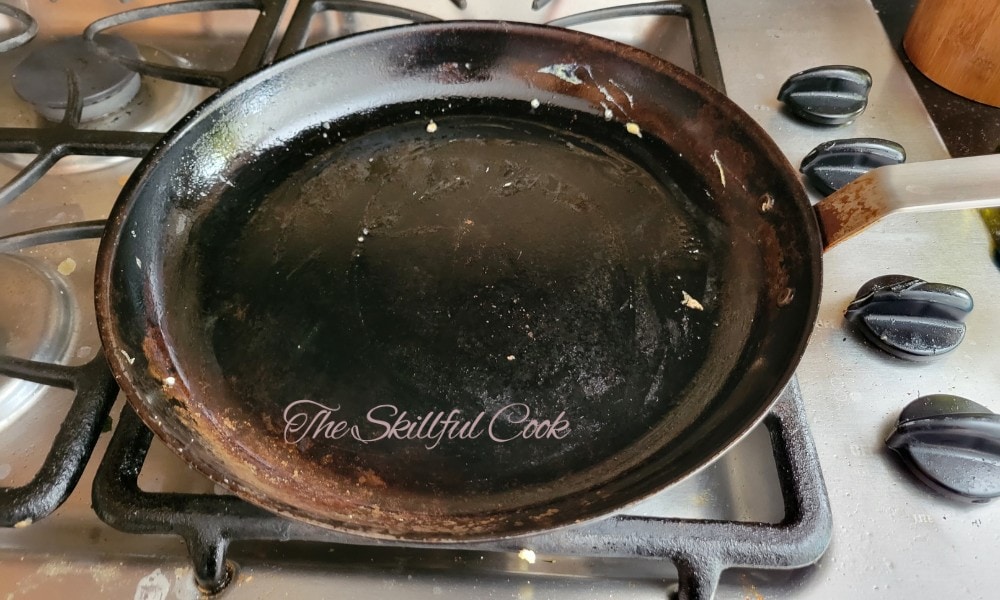
Credit: theskillfulcook.com
What Is Carbon Steel Cookware
Carbon steel cookware is popular among chefs and home cooks. It combines the benefits of cast iron and stainless steel. Many wonder about its safety and toxicity. Understanding what carbon steel cookware is helps answer these questions.
What Is Carbon Steel Cookware?
Carbon steel cookware is made from a mix of iron and carbon. Usually, it contains about 99% iron and 1% carbon. This small amount of carbon gives the pan strength and durability.
The pans are lightweight compared to cast iron. They heat up quickly and distribute heat evenly. This makes them perfect for frying, sautéing, and searing.
How Is Carbon Steel Made?
The process starts with melting iron and adding carbon. The mixture is then shaped into sheets or pans. After shaping, the cookware is polished and sometimes coated with oil.
This oil coating protects the pan from rust. It also helps with the natural non-stick surface that develops over time.
Properties Of Carbon Steel Cookware
| Property | Description |
|---|---|
| Material | Iron with a small percentage of carbon |
| Weight | Lighter than cast iron, easy to handle |
| Heat Conductivity | Heats quickly and evenly |
| Durability | Strong and long-lasting with proper care |
| Surface | Develops a natural non-stick patina |
Uses Of Carbon Steel Cookware
- Frying and sautéing vegetables and meat
- Searing steaks and fish
- Making omelets and pancakes
- Baking certain breads and flatbreads
Why Choose Carbon Steel Cookware?
- Excellent heat control and fast heating
- Durable and long-lasting material
- Lightweight and easy to handle
- Can develop a natural, safe non-stick surface
:max_bytes(150000):strip_icc()/webedit_group-carbonsteel-taylor-murray-a2787ef2b9f34524abef30027755e0a5.jpg)
Credit: www.seriouseats.com
Materials And Composition
Carbon steel cookware is popular for its durability and cooking performance. Understanding its materials and composition helps to know if it is non-toxic and safe for daily use. This section explains what carbon steel is made of and why it matters for your health and cooking.
What Is Carbon Steel Made Of?
Carbon steel is an alloy mainly of two elements:
- Iron: The base metal providing strength and structure.
- Carbon: Added in small amounts (usually 0.5% to 2%) to increase hardness and durability.
This simple composition makes carbon steel tough yet flexible for various cooking tasks.
How Does Carbon Steel Differ From Other Cookware?
| Type | Main Components | Common Uses | Toxicity Concerns |
|---|---|---|---|
| Carbon Steel | Iron + Carbon | Frying pans, woks, baking sheets | Non-toxic, no synthetic coatings |
| Stainless Steel | Iron + Chromium + Nickel | Cookware, cutlery | Low risk, but nickel may cause allergies |
| Non-stick | Aluminum + PTFE coating | Everyday pans | May release toxins if overheated |
Why Carbon Steel Is Considered Non-toxic
Carbon steel cookware does not contain harmful chemicals or synthetic coatings. It is made from natural metals without added toxins.
Cooking with carbon steel allows safe heat transfer without chemical reactions. The surface may develop a natural protective layer called seasoning, which further prevents food from sticking and reduces metal exposure.
Potential Metal Leaching And Safety
- Iron can leach slightly into food, especially with acidic dishes.
- This iron intake is generally safe and can benefit health.
- Proper seasoning minimizes metal release.
- Avoid cooking highly acidic foods for long periods to reduce leaching.
Health Concerns With Cookware
Choosing the right cookware matters for health. Some pots and pans release harmful substances into food. This causes health risks over time. Understanding health concerns with cookware helps you pick safer options. Carbon steel cookware is popular, but is it non-toxic? Let’s explore common toxic elements in cookware and how they affect food safety.
Common Toxic Elements In Cookware
Certain materials in cookware can release toxic elements. These substances may mix with food and enter your body. Here are some common toxic elements found in cookware:
- Lead: Found in some older or cheap ceramic coatings.
- Cadmium: Present in low-quality enamel or painted cookware.
- Aluminum: Can leach into acidic foods from uncoated pans.
- Perfluorooctanoic acid (PFOA): Used in non-stick coatings, linked to health issues.
- Polyvinyl chloride (PVC): Sometimes in plastic handles or coatings, may release chemicals when heated.
These toxic elements can cause problems such as:
- Kidney damage
- Hormone disruption
- Neurological issues
- Increased cancer risk
Below is a quick comparison of cookware materials and their toxic risks:
| Cookware Material | Possible Toxic Elements | Health Concern |
|---|---|---|
| Non-stick (PTFE-coated) | PFOA, PTFE fumes | Respiratory issues, hormone disruption |
| Aluminum (uncoated) | Aluminum leaching | Bone and brain health risk |
| Ceramic (cheap glaze) | Lead, Cadmium | Kidney damage, toxicity |
| Carbon Steel (properly seasoned) | Minimal iron release | Generally safe, iron is beneficial |
How Cookware Can Affect Food Safety
Cookware affects food safety in many ways. Some materials react with food chemicals. This changes taste and quality. It also adds harmful substances to meals.
Acidic foods like tomato sauce or vinegar can cause more leaching. Metals like aluminum or copper can dissolve into these foods. This causes health risks and bad flavors.
Here are key points on cookware and food safety:
- Metal leaching: Acidic or salty foods can increase metal release.
- Non-stick coating breakdown: High heat can damage coatings, releasing toxins.
- Scratches and wear: Damaged surfaces expose base metals or toxic layers.
- Seasoning layer: Properly seasoned carbon steel forms a natural barrier.
Safe cookware choices help maintain food purity and avoid contamination. Carbon steel, when well cared for, releases small amounts of iron. This iron is actually beneficial for many people.
Here is how cookware can impact food safety in simple terms:
| Cookware Type | Food Safety Impact | |---------------------|--------------------------------------| | Carbon Steel | Low risk; iron release is healthy | | Non-stick | Risk if overheated or scratched | | Aluminum (uncoated) | Higher risk with acidic foods | | Ceramic (cheap) | Risk of lead or cadmium in glaze | 
Credit: prudentreviews.com
Chemical Safety Of Carbon Steel
Chemical safety is a key factor when choosing cookware. Carbon steel cookware has gained popularity for its durability and cooking performance. Understanding its chemical safety helps decide if it is non-toxic and safe for daily use. Carbon steel is made mainly of iron with a small amount of carbon. This composition affects how it interacts with food and the potential chemicals released during cooking.
Reactivity With Food
Carbon steel is reactive with acidic and alkaline foods. This means it can react with ingredients like tomatoes, vinegar, or citrus. Such reactions might cause slight changes in taste and color. The metal can also release small amounts of iron into the food.
Some key points about reactivity:
- Acidic foods can cause a metallic taste.
- Alkaline foods may also react but less commonly.
- Neutral foods like rice or pasta do not react.
- Seasoned carbon steel forms a natural non-stick layer.
- This layer reduces food contact with the metal.
Seasoning carbon steel creates a patina. This is a thin layer of polymerized oil. It protects the pan and reduces reactivity over time. Without seasoning, carbon steel is more reactive and may cause minor discoloration or taste changes in food.
| Food Type | Reactivity with Carbon Steel | Effect on Food |
|---|---|---|
| Acidic (tomatoes, vinegar) | High | Metallic taste, discoloration |
| Alkaline (baking soda) | Medium | Possible taste alteration |
| Neutral (rice, pasta) | Low | No effect |
Potential For Metal Leaching
Metal leaching means tiny amounts of metal pass from cookware into food. Carbon steel can leach iron during cooking, especially with acidic foods. This is usually safe because iron is a necessary nutrient for the body.
Important facts about metal leaching:
- Leaching mostly involves iron, not harmful metals like lead or cadmium.
- Seasoned pans leach less metal than unseasoned ones.
- Cooking acidic foods for a long time increases leaching.
- Iron leaching can benefit people with iron deficiency.
- Excessive leaching is unlikely with proper care.
Proper seasoning and regular use reduce the risk of excessive metal leaching. Avoid cooking highly acidic foods for a long time in unseasoned pans. Wash and dry carbon steel cookware immediately to maintain its protective layer.
| Factor | Effect on Metal Leaching |
|---|---|
| Seasoned surface | Reduces leaching |
| Cooking acidic food | Increases leaching |
| Cooking time | Longer time increases leaching |
| Proper maintenance | Protects against leaching |
Comparing Carbon Steel To Other Cookware
Carbon steel cookware is popular for its durability and excellent heat conduction. People often wonder if it is non-toxic compared to other types of cookware. Understanding how carbon steel compares to other materials helps you choose safer, healthier options for cooking. This section compares carbon steel with cast iron, non-stick, and ceramic cookware.
Cast Iron Vs Carbon Steel
Both cast iron and carbon steel are made from iron and known for their strong, long-lasting qualities. They can last a lifetime with proper care. The main difference lies in weight and cooking style.
- Weight: Cast iron is heavy, which can make it hard to handle. Carbon steel is lighter and easier to move around.
- Heating: Carbon steel heats up faster and more evenly. Cast iron takes longer to warm but holds heat well.
- Seasoning: Both need seasoning to build a natural non-stick surface. Carbon steel usually seasons faster.
- Reactivity: Both can react with acidic foods, but carbon steel is slightly less reactive.
| Feature | Cast Iron | Carbon Steel |
|---|---|---|
| Weight | Heavy | Light |
| Heat Speed | Slow | Fast |
| Heat Retention | Excellent | Good |
| Seasoning Time | Longer | Shorter |
| Reactivity | Moderate | Low |
| Non-toxic | Yes, if seasoned well | Yes, if seasoned well |
Both are non-toxic when properly seasoned. The seasoning layer protects food from direct contact with iron. This layer also prevents rust. Carbon steel’s lighter weight makes it better for quick cooking tasks. Cast iron is best for slow cooking or frying.
Non-stick And Ceramic Alternatives
Non-stick and ceramic pans are popular for easy food release and quick cleaning. They differ from carbon steel in material and safety concerns.
- Non-stick pans: Usually coated with PTFE (Teflon). Can release harmful fumes if overheated.
- Ceramic pans: Made with a silica-based coating. Generally safer but coatings can wear off.
- Durability: Carbon steel lasts longer with proper care. Non-stick and ceramic coatings may chip or scratch.
- Heat tolerance: Carbon steel tolerates very high heat. Non-stick pans usually cannot.
| Cookware Type | Material | Non-toxic | Durability | Heat Resistance |
|---|---|---|---|---|
| Carbon Steel | Iron alloy | Yes, when seasoned | Very high | Very high |
| Non-stick | Aluminum with PTFE | Concerns at high heat | Moderate | Low to medium |
| Ceramic | Aluminum with ceramic coating | Generally safe | Moderate | Medium |
Carbon steel is a safer choice for high-heat cooking and long-term use. Non-stick pans offer convenience but require careful temperature control. Ceramic pans are a good middle ground but may lose their coating over time.
Maintaining Carbon Steel Cookware
Maintaining carbon steel cookware is essential to keep it safe, non-toxic, and long-lasting. This type of cookware can last for years with the right care. Carbon steel needs special attention because it is prone to rust and needs seasoning to build a natural non-stick surface. Proper maintenance ensures food safety and preserves the cookware’s performance.
Seasoning And Care Tips
Seasoning carbon steel cookware creates a protective layer that prevents food from sticking and reduces the risk of toxins. This layer forms by heating oil on the cookware’s surface until it bonds with the metal. Follow these steps for effective seasoning:
- Wash the pan with warm water and mild soap to remove factory oils.
- Dry completely with a towel or by heating on low flame.
- Apply a thin layer of cooking oil (flaxseed, vegetable, or canola oil works well).
- Heat the pan on medium-high heat until it smokes slightly, then turn off the heat.
- Let the pan cool naturally, then wipe off any excess oil with a paper towel.
Repeat this process 2-3 times for a strong seasoning layer.
Care tips:
- Use wooden or silicone utensils to avoid scratching the seasoning.
- Clean only with hot water and a soft sponge; avoid soap after seasoning.
- Dry the pan thoroughly after every wash to prevent rust.
- Re-season the pan if food starts sticking or the surface looks dull.
| Step | Action | Purpose |
|---|---|---|
| 1 | Wash with mild soap | Remove factory oils |
| 2 | Apply thin oil layer | Start the seasoning process |
| 3 | Heat until smoking | Bond oil to metal surface |
| 4 | Cool and wipe excess oil | Finish seasoning layer |
Preventing Rust And Contamination
Rust can harm carbon steel cookware and make it unsafe for cooking. It forms when water or moisture stays on the pan for too long. Preventing rust is key to keeping the cookware non-toxic and food safe.
Tips to prevent rust:
- Always dry the pan immediately after washing, using a towel or low heat on the stove.
- Store the pan in a dry place with good air circulation.
- Apply a light coating of oil before storing to protect the surface.
- Avoid soaking the pan in water for long periods.
Cleaning the pan properly also prevents contamination from food residues and bacteria. Avoid harsh detergents or steel wool that can damage the seasoning. Instead, use warm water and a soft brush or sponge.
Signs of contamination or damage:
- Rust spots on the surface
- Flaking or peeling seasoning
- Metallic or off taste in food
If these appear, clean the pan thoroughly and re-season it before use. Keeping carbon steel cookware well-maintained ensures it stays non-toxic and safe for cooking every time.
Expert Opinions And Studies
Experts and scientific studies help us understand if carbon steel cookware is non toxic. They review the materials, how they react with food, and health effects. Their findings guide safe cooking choices and clear doubts about carbon steel’s safety.
Expert Reviews On Carbon Steel Safety
Many experts say carbon steel is generally safe for cooking. It is made from iron and carbon without harmful chemicals or coatings. This means it does not release toxic substances into food.
Key points from expert reviews:
- Carbon steel cookware is free from synthetic non-stick chemicals.
- It can leach small amounts of iron, which is beneficial for many people.
- Proper seasoning and care prevent rust and food contamination.
Scientific Studies On Material Composition
Studies show carbon steel has a simple composition mainly of iron and carbon. These materials have low toxicity levels.
| Component | Effect on Health | Study Findings |
|---|---|---|
| Iron | Essential mineral, safe in small amounts | Low iron leaching from carbon steel cookware poses no risk |
| Carbon | Stable, non-toxic in cookware | No harmful release detected during cooking |
Health Impact Research
Researchers tested if carbon steel affects food safety or causes health problems. The results are positive.
- No toxic chemicals were found to transfer from the pan to food.
- Iron intake from cookware is usually within safe limits.
- Seasoned pans create a natural, safe cooking surface.
Professional Cooking Community Insights
Chefs and cooking professionals trust carbon steel for its safety and durability. Their feedback supports scientific findings.
- They prefer carbon steel for even heat and no harmful coatings.
- Seasoning prevents food sticking and adds a protective layer.
- Proper care keeps cookware safe and long-lasting.
Frequently Asked Questions
Is Carbon Steel Cookware Safe For Health?
Yes, carbon steel cookware is generally safe and non-toxic. It does not release harmful chemicals when heated. Proper seasoning creates a natural, non-stick surface that prevents food from sticking and reduces the need for synthetic coatings.
Does Carbon Steel Leach Iron Into Food?
Yes, carbon steel can release small amounts of iron into food. This is beneficial for people with iron deficiency. The amount leached is minimal and safe for most individuals, making it a healthy cooking option.
How To Maintain Non-toxic Properties Of Carbon Steel?
Season your carbon steel cookware regularly to maintain its non-toxic qualities. Avoid using harsh detergents or scrubbing pads that remove the seasoning. Proper care preserves its natural coating and prevents rust, ensuring safe cooking.
Can Carbon Steel Cookware Cause Allergies?
Carbon steel cookware rarely causes allergies. It contains iron and carbon, which are not common allergens. People with metal sensitivities should monitor reactions, but carbon steel is generally hypoallergenic and safe for most users.
Conclusion
Carbon steel cookware is a safe choice for cooking. It contains no harmful chemicals or coatings. The metal can release small amounts of iron, which is good for health. Proper care keeps it rust-free and long-lasting. Avoid overheating to protect the pan and food.
Many chefs prefer it for even heat and durability. It suits everyday cooking without health risks. Choose carbon steel if you want simple, non-toxic cookware. Trust your kitchen tools to help you cook healthy meals.

Hello, This is Annie Walker, a 38-year-old blogger, founder, and editor of Cookware Guider from NY, USA. I am a cookware fanatic and passionate cooker. I love to cook with different types of cooking appliances (example: all types of cookware, rice cookers, slow cookers, etc) almost every day in my kitchen. I love to share my experience with my readers in my blog. Also, I enjoy helping people to solve their problems through my website. You can follow me on Twitter & Pinterest. To know details about my blog please check the about us page.