
Is your stainless steel cookware looking dull and cloudy instead of shiny and new? You’re not alone.
Over time, even the best pots and pans can develop a hazy film that makes cooking less enjoyable. But don’t worry—cleaning cloudy stainless steel cookware is easier than you think. You’ll discover simple, effective methods to restore your cookware’s sparkle.
Imagine cooking with pots that look brand new again—ready to impress your family and friends. Keep reading, and you’ll learn how to bring back that shine quickly and safely.
Causes Of Cloudy Stainless Steel
Cloudy stainless steel cookware loses its shine due to several common causes. Understanding these causes helps keep your pots and pans looking new. Dirt, minerals, and cleaning habits all play a role in cloudiness.
Hard Water Residue
Hard water contains minerals like calcium and magnesium. When water evaporates, these minerals stay on the cookware. This leaves a white, cloudy film on the surface. Over time, hard water residue builds up and dulls the shine.
Mineral Build-up
Minerals from food and water can stick to stainless steel. These minerals form a thin layer that hides the metal’s natural glow. Mineral build-up often feels rough or chalky. It can also cause stains that don’t wash away easily.
Improper Cleaning Methods
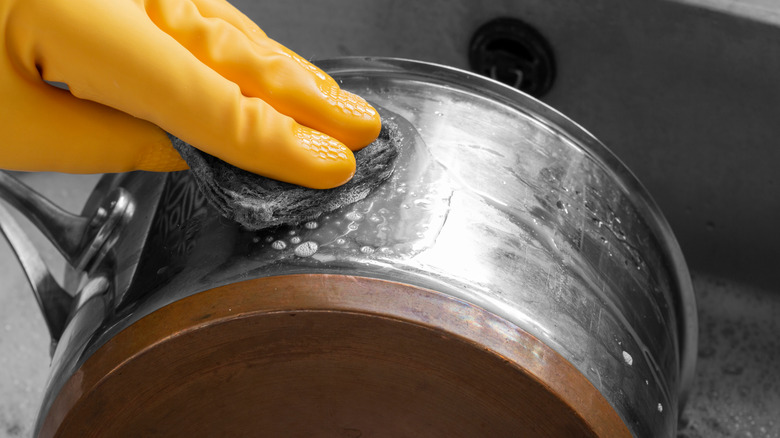
Using harsh cleaners or scrubbing too hard can damage stainless steel. Soap residue left on cookware can cause cloudiness too. Not rinsing well after washing adds to the problem. Cleaning with the wrong tools may scratch the surface and make it look dull.
Credit: www.thetakeout.com
Essential Tools And Ingredients
Cleaning cloudy stainless steel cookware is easier with the right tools and ingredients. Using common items found at home saves time and money. Some cases need special cleaners made for stainless steel. Knowing which to use helps restore shine and remove stains quickly.
Common Household Items
Baking soda is a gentle scrub that removes stains without scratching. White vinegar cuts through mineral deposits and dull film. Lemon juice brightens metal and fights odors naturally. Soft cloths and sponges prevent damage while cleaning. Warm water helps dissolve grime and rinse away residues.
Specialized Cleaners
Stainless steel cleaners target tough cloudiness and discoloration. They contain ingredients made for metal surfaces. Use these cleaners for stubborn stains or heavy build-up. Follow product instructions carefully for best results. Polishing creams add shine and protect cookware longer.
Step-by-step Cleaning Process
Cleaning cloudy stainless steel cookware is easier with a clear step-by-step plan. Follow these simple steps to bring back the shine and remove dullness. This process uses common household items and takes little time. A clean pot or pan looks better and cooks food more evenly.
Pre-cleaning Preparation
Start by rinsing the cookware with warm water. Use a soft sponge to remove loose dirt and food bits. Avoid steel wool or harsh scrubbers that can scratch the surface. Dry the cookware with a clean cloth before moving to the next step. This prepares the surface for deeper cleaning.
Using Vinegar And Baking Soda
Pour white vinegar over the cloudy areas. Vinegar helps break down mineral deposits and stains. Let it sit for about 10 minutes. Sprinkle baking soda on top of the vinegar. The mixture will bubble and fizz, lifting grime. Use a soft sponge to gently scrub the surface. Rinse thoroughly with warm water and dry well.
Removing Stubborn Stains
For tough stains, make a paste with baking soda and water. Apply the paste to the stained areas and let it sit for 15 minutes. Use a non-abrasive scrubber to rub the stain softly. Rinse with warm water and dry the cookware. Repeat if needed until the stains disappear. This method restores the cookware’s shine without damage.

Credit: www.youtube.com
Polishing For Extra Shine
Polishing stainless steel cookware restores its bright, shiny surface. It removes dullness and light scratches. This step gives your pots and pans a fresh look. Polishing also helps protect the steel from future stains.
Use gentle methods to avoid damaging the surface. Both natural and commercial options work well. Choose what suits your needs and materials.
Natural Polishing Techniques
Use a soft cloth and baking soda paste. Mix baking soda with water until it forms a thick paste. Rub the paste gently on the cookware with the cloth. Rinse with warm water and dry with a soft towel.
Lemon juice also works well. Apply lemon juice on the surface and let it sit for a few minutes. Wipe with a clean cloth and rinse. This method brightens the steel naturally and leaves a fresh scent.
Commercial Polishing Products
Choose a polish made for stainless steel cookware. Read labels to ensure it is safe for your pots and pans. Apply a small amount with a soft cloth. Rub in circular motions to bring out the shine.
After polishing, rinse off any residue. Dry thoroughly to avoid water spots. These products can save time and give a strong shine quickly.
Preventing Future Cloudiness
Preventing future cloudiness on stainless steel cookware helps keep your pots and pans looking new. Cloudy stains form from hard water minerals and leftover food particles. Stopping these stains early saves time and effort later.
Proper Washing Habits
Use warm water and mild dish soap for cleaning. Avoid harsh detergents or bleach that can damage the surface. Wash cookware soon after use to stop stains from setting in. Use a soft sponge or cloth to avoid scratches. Rinse thoroughly to remove all soap and residue. Dry the cookware with a soft towel to prevent water spots.
Regular Maintenance Tips
Polish your cookware with a stainless steel cleaner every few weeks. This removes build-up and restores shine. Use a paste of baking soda and water for tough spots. Avoid soaking cookware for long periods. Store pots and pans in a dry place. Keep lids off or slightly open to prevent moisture build-up inside.
When To Replace Your Cookware
Knowing when to replace your stainless steel cookware is important for safety and cooking quality. Over time, pots and pans can lose their shine and develop damage that cleaning cannot fix. Using old or damaged cookware might affect your food’s taste and safety.
Signs Of Irreversible Damage
Look for deep scratches or dents on the surface. These can trap food and germs. Warped bottoms cause uneven heating and burnt food. Rust spots or peeling layers show the cookware is breaking down. If the cookware no longer heats evenly, it is time to replace it.
Choosing New Stainless Steel
Pick cookware made from high-quality stainless steel for long life. Check for a thick base to ensure good heat distribution. Handles should be sturdy and heat resistant. Choose sets that suit your cooking needs and kitchen size. Investing in good cookware saves money over time.
Credit: www.reddit.com
Frequently Asked Questions
How To Remove Cloudiness From Stainless Steel Cookware?
To remove cloudiness, use a mixture of vinegar and water. Boil it in the cookware for 10 minutes, then scrub gently with a soft sponge and rinse thoroughly.
What Causes Stainless Steel Cookware To Become Cloudy?
Cloudiness is caused by mineral deposits from hard water or overheating. It forms a dull, whitish film that affects the cookware’s shine and performance.
Can Baking Soda Clean Cloudy Stainless Steel Pots?
Yes, baking soda is effective. Make a paste with water, apply it on the cloudy areas, scrub gently, then rinse well to restore the cookware’s shine.
How Often Should I Clean My Stainless Steel Cookware?
Clean cookware after each use to prevent buildup. Deep clean cloudy cookware monthly or when cloudiness appears to maintain its appearance and longevity.
Conclusion
Cleaning cloudy stainless steel cookware is simple with the right steps. Use gentle scrubbing and natural cleaners for best results. Avoid harsh chemicals that can damage the surface. Regular care keeps your cookware shiny and safe to use. Small efforts bring big improvements to your kitchen tools.
Try these easy tips and enjoy bright, clean pots and pans every time. Your cooking will feel better with cookware that looks great. Keep this routine to protect your investment and cook happily.

Hello, This is Annie Walker, a 38-year-old blogger, founder, and editor of Cookware Guider from NY, USA. I am a cookware fanatic and passionate cooker. I love to cook with different types of cooking appliances (example: all types of cookware, rice cookers, slow cookers, etc) almost every day in my kitchen. I love to share my experience with my readers in my blog. Also, I enjoy helping people to solve their problems through my website. You can follow me on Twitter & Pinterest. To know details about my blog please check the about us page.