
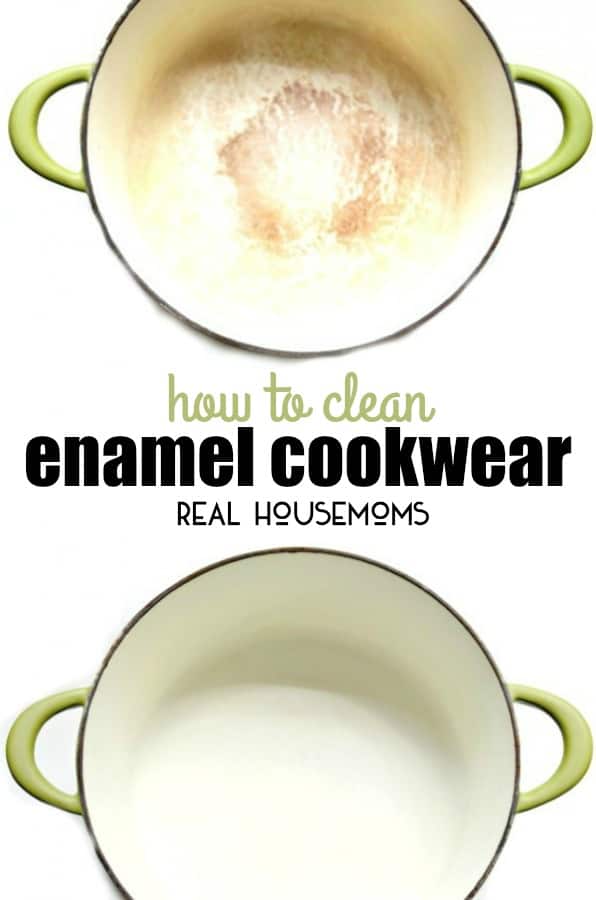
Are you tired of looking at those stubborn stains on your enamel cookware? You’re not alone.
Stains can make your favorite pots and pans look old and worn out, even if they still work perfectly. The good news is, you don’t need to replace them or spend hours scrubbing. With a few simple tricks, you can bring back that shiny, clean surface you love.
Keep reading, and you’ll discover easy, effective ways to clean your stained enamel cookware—methods that save you time and keep your kitchen looking great. Your cookware deserves a fresh start, and you’re just a few steps away from it.
Credit: realhousemoms.com
Common Causes Of Stains
Enamel cookware looks beautiful but can develop stains over time. Understanding what causes these stains helps keep your pots and pans clean. Many stains come from everyday cooking and water quality.
Heat Discoloration
High heat can change the color of enamel. This often shows as yellow or brown marks. These stains appear after cooking on medium to high heat for long periods. Overheating damages the enamel’s surface, causing discoloration.
Food Residue
Burnt food leaves dark marks on enamel cookware. Sugary sauces and acidic foods can also cause stains. These residues stick to the surface and darken after repeated cooking. Cleaning soon after use helps reduce tough food stains.
Mineral Deposits
Hard water contains minerals that leave white or cloudy spots. These deposits build up on enamel over time. They appear especially near water lines or inside pots. Simple cleaning removes these mineral marks easily.
Basic Cleaning Techniques
Cleaning stained enamel cookware does not need to be hard. Start with basic cleaning techniques. These simple steps keep your cookware safe and shiny. Use gentle methods to protect the enamel surface. Follow these tips for daily care and stain removal.
Gentle Soap And Water
Use mild dish soap and warm water for cleaning. Avoid harsh chemicals that can damage the enamel. A gentle soap helps remove grease and food residue. Wash the cookware soon after use to prevent stains.
Soft Sponge Use
Choose a soft sponge or cloth for scrubbing. Hard scrubbers can scratch the enamel finish. Gently rub the stained areas with the sponge. This method cleans without harming the cookware.
Avoiding Abrasives
Never use steel wool or abrasive pads on enamel. These can cause permanent scratches and dull the surface. Avoid harsh powders or cleaners with strong chemicals. Stick to gentle cleaning tools to keep your cookware looking new.
Natural Stain Removal Methods
Natural stain removal methods work well on enamel cookware. They use simple ingredients found in most kitchens. These methods clean stains without harsh chemicals. Safe for your health and the environment. Easy to follow steps help restore your cookware’s shine.
Baking Soda Paste
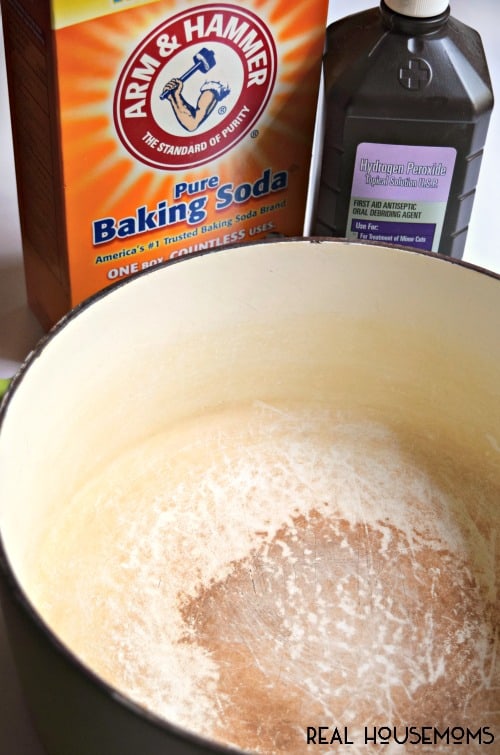
Baking soda is a gentle cleaner. Make a thick paste with water and baking soda. Spread the paste on stains. Let it sit for 15 to 20 minutes. Scrub gently with a soft cloth or sponge. Rinse with warm water and dry. Repeat if stains remain.
Vinegar Soak
White vinegar removes tough stains and odors. Fill your cookware with equal parts vinegar and water. Let it soak for 30 minutes to an hour. Empty the mixture and scrub lightly. Rinse well with warm water. Dry with a soft towel to avoid spots.
Lemon Juice Application
Lemon juice brightens and cleans stains naturally. Cut a lemon in half and rub it on stained areas. Leave the juice on for 10 minutes. Scrub gently with a sponge or cloth. Rinse thoroughly with water. Dry your cookware completely before storing.
Using Commercial Cleaners
Using commercial cleaners can be a quick way to remove stains from enamel cookware. These products are made to tackle tough spots that normal washing cannot. They can restore shine and make your cookware look almost new again. Choosing the right cleaner and using it properly is important for the best results.
Choosing The Right Cleaner
Pick a cleaner made for enamel or delicate surfaces. Avoid harsh abrasives that can scratch the enamel. Look for non-toxic and gentle formulas. Check product labels for safety on coated cookware. Powder cleaners or mild liquid ones work well. Avoid bleach or strong acids that damage the finish.
Application Tips
Apply a small amount of cleaner on the stained area. Use a soft cloth or sponge to rub gently. Let the cleaner sit a few minutes to break stains. Rinse thoroughly with warm water afterward. Repeat if stains remain but do not scrub hard. Dry the cookware well to prevent water spots.
Safety Precautions
Wear gloves to protect your skin from chemicals. Use cleaners in a well-ventilated area to avoid fumes. Keep products away from children and pets. Do not mix different cleaners together. Follow the instructions on the packaging carefully. Stop using if irritation or damage occurs.
Tackling Tough Stains
Tough stains on enamel cookware can be stubborn and hard to remove. They often come from burnt food or long use. Cleaning these stains needs patience and the right methods. The following simple techniques use common household items. They help bring your cookware back to life without harsh scrubbing.
Boiling Water And Baking Soda
Fill the stained cookware with water. Add two tablespoons of baking soda. Heat the mixture until it boils. Let it boil for 10 to 15 minutes. Turn off the heat and let it cool down. Use a soft sponge to scrub the stains gently. Baking soda helps loosen burnt food and stains. This method cleans without scratching the enamel surface.
Cream Of Tartar Method
Sprinkle cream of tartar over the stained area. Add a few drops of water to make a paste. Rub the paste gently with a soft cloth or sponge. Let the paste sit for 15 minutes. Rinse the cookware with warm water. Cream of tartar is a mild acid that breaks down stains. It works well on yellow or brown marks.
Hydrogen Peroxide Use
Pour a small amount of hydrogen peroxide on the stain. Let it sit for 5 to 10 minutes. Use a soft cloth to wipe the area clean. Rinse thoroughly with water. Hydrogen peroxide acts as a gentle bleach. It removes discoloration without damaging the enamel. Avoid using it on colored or patterned cookware to prevent fading.
Credit: realhousemoms.com
Preventing Future Stains
Preventing stains on enamel cookware saves time and effort. It keeps your pots and pans looking new longer. Taking simple steps helps avoid tough stains and discoloration.
Proper Cooking Techniques
Use low or medium heat when cooking. High heat can cause food to stick and burn. Stir food often to stop it from sticking. Avoid using metal utensils that can scratch the enamel. Use wooden or silicone tools instead.
Regular Maintenance
Clean your cookware after every use. Wash with warm soapy water and a soft sponge. Avoid abrasive cleaners that damage the surface. Remove stains quickly to prevent them from setting. Occasionally soak the pan in warm water for easier cleaning.
Storage Tips
Store enamel cookware in a dry place. Avoid stacking pots without protection. Place soft cloth or paper towels between pans. This prevents scratches and chips. Keep lids off or slightly open to avoid moisture buildup inside.
Credit: www.reddit.com
Frequently Asked Questions
How Do I Remove Stains From Enamel Cookware?
Use a paste of baking soda and water to scrub stains gently. Let it sit for 15 minutes before rinsing with warm water. Avoid abrasive cleaners to prevent damage to the enamel surface.
Can Vinegar Clean Stubborn Enamel Stains Effectively?
Yes, white vinegar can dissolve mineral deposits and food stains. Soak the cookware in a vinegar-water mix for 30 minutes, then scrub lightly. Rinse thoroughly to remove vinegar smell.
Is It Safe To Use Bleach On Enamel Cookware?
No, bleach can damage the enamel coating and cause discoloration. Instead, opt for natural cleaners like baking soda or vinegar. Always test cleaning agents on a small area first.
How Often Should I Clean Enamel Cookware To Prevent Stains?
Clean enamel cookware immediately after use to prevent stains and residue buildup. Regular cleaning maintains the enamel’s shine and extends its lifespan. Avoid letting food dry on the surface.
Conclusion
Stained enamel cookware can look fresh again with simple steps. Use gentle scrubbing and natural cleaners for best results. Avoid harsh tools to keep the enamel safe. Regular cleaning helps prevent tough stains from forming. This keeps your cookware shiny and long-lasting.
Clean pots make cooking more enjoyable every day. Try these easy tips and see the difference yourself. Caring for your enamel cookware is easier than you think.

Hello, This is Annie Walker, a 38-year-old blogger, founder, and editor of Cookware Guider from NY, USA. I am a cookware fanatic and passionate cooker. I love to cook with different types of cooking appliances (example: all types of cookware, rice cookers, slow cookers, etc) almost every day in my kitchen. I love to share my experience with my readers in my blog. Also, I enjoy helping people to solve their problems through my website. You can follow me on Twitter & Pinterest. To know details about my blog please check the about us page.