
Are you tired of soggy, flavorless vegetables? What if you could cook your veggies to perfection, locking in all their nutrients and natural taste without using a drop of water?
With waterless cookware, you can do just that. This method brings out the vibrant colors, crisp textures, and rich flavors that often get lost with traditional cooking. Keep reading, and you’ll discover simple steps to transform your vegetables into mouthwatering dishes that nourish your body and excite your taste buds.
Your cooking game is about to change for the better!
Benefits Of Waterless Cookware
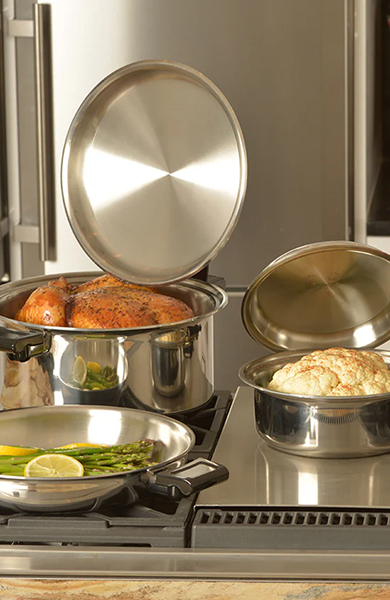
Waterless cookware offers many benefits for cooking vegetables. It uses steam and natural moisture to cook food gently. This method helps keep vegetables fresh and tasty. Cooking with waterless cookware also saves energy and time. It needs little to no oil, making meals healthier.
Retains Nutrients And Flavor
Waterless cookware preserves vitamins and minerals in vegetables. The gentle steam cooking stops nutrients from escaping. Vegetables keep their bright colors and natural taste. No water dilutes the flavor, so dishes taste richer. This method makes vegetables more enjoyable and healthy.
Saves Energy And Time
Waterless cookware heats up quickly and holds heat well. It uses less energy than traditional pots and pans. Cooking times are shorter because steam cooks food fast. You spend less time in the kitchen but get great results. This cookware is ideal for busy lifestyles and quick meals.
Reduces Need For Oils
Cooking with waterless cookware requires little or no oil. The natural moisture in vegetables creates steam to cook food. This reduces added fats, making meals lighter and healthier. It helps control calorie intake without losing flavor. Perfect for those who want healthy, tasty food easily.
Credit: waterlesscookware.com
Choosing The Right Vegetables
Choosing the right vegetables is key to success with waterless cookware. This cooking style uses steam from the vegetables’ own moisture. It keeps nutrients and flavors intact. Not all vegetables work the same way in waterless cooking. Some need more water to cook well. Others release enough moisture on their own. Selecting the best vegetables makes your dish tasty and healthy.
Best Vegetables For Waterless Cooking
Vegetables with high water content do well in waterless cookware. Zucchini, tomatoes, and cucumbers are great choices. Leafy greens like spinach and kale also cook perfectly. Carrots and broccoli work well too, but cut them smaller. Avoid dense vegetables like potatoes or beets without pre-steaming. These may not cook fully without added water.
Preparing Vegetables For Cooking
Wash vegetables thoroughly before cooking. Cut them into even pieces for uniform cooking. Thin slices help release moisture faster. Avoid overcrowding the pan to let steam circulate. You can peel vegetables if you prefer. Some skins add texture and nutrients, so peeling is optional. Proper preparation ensures your vegetables cook evenly and taste better.
Essential Tools And Equipment
Cooking vegetables in waterless cookware requires some specific tools. These tools help keep the nutrients and flavors intact. Knowing the right equipment makes the cooking process easy and effective.
Types Of Waterless Cookware
Waterless cookware includes pots and pans with tight-fitting lids. These lids trap steam inside, which cooks the vegetables evenly. Stainless steel and aluminum are common materials used. They heat quickly and distribute heat well. Some sets have a special bottom that spreads heat evenly. This avoids hot spots and burning. Choose cookware that fits your stove size and matches your needs.
Additional Kitchen Tools Needed
Besides waterless cookware, some kitchen tools improve the cooking experience. A good sharp knife is important for cutting vegetables safely. A vegetable peeler helps remove skins quickly. Use a wooden or silicone spatula to stir gently without scratching the cookware. A heat-resistant glove protects your hands from hot lids. A timer keeps track of cooking time for perfect results. These tools make cooking vegetables easier and safer.
Step-by-step Cooking Process
Cooking vegetables in waterless cookware is simple and healthy. This method keeps nutrients and flavor locked in. Follow these steps to get perfect, tasty vegetables every time.
Preheating The Cookware
Start by placing the cookware on medium heat. Let it warm up for about 2 to 3 minutes. This step helps vegetables cook evenly without sticking.
Do not add oil or water yet. The cookware must be hot but dry at this point.
Adding Vegetables Correctly
Place chopped vegetables in a single layer inside the cookware. Avoid overcrowding to ensure even cooking. Use a spatula to spread them out gently.
There is no need to add water or oil. Vegetables release their own moisture during cooking.
Setting Temperature And Timing
Lower the heat to medium-low after adding vegetables. Cover the cookware with a tight lid. This traps steam and cooks the vegetables in their own juices.
Cook for 5 to 15 minutes based on vegetable type and size. Stir occasionally to prevent burning and ensure even heat distribution.
Tips For Enhancing Flavor
Cooking vegetables in waterless cookware keeps their nutrients and natural taste. To make your veggies even tastier, try simple flavor-boosting tips. Small changes can bring big flavor without extra water or oil.
Using Herbs And Spices
Fresh herbs like parsley, thyme, or basil add bright flavors to vegetables. Dried herbs work well too. Sprinkle them early so the heat releases their aroma. Spices such as cumin, paprika, or black pepper create a warm, rich taste. Use small amounts to avoid overpowering the dish. Mixing herbs and spices gives each bite more depth. Experiment with favorites to find the best blend for your veggies.
Incorporating Natural Broths
Natural broths enhance flavor without adding water. Use vegetable or chicken broth for a gentle, savory base. Pour a small amount into the cookware to steam vegetables lightly. The broth’s taste seeps into the food, making it more delicious. Broth also helps keep vegetables moist during cooking. Choose low-sodium options to control salt levels. Natural broths create a tasty, healthy way to cook vegetables in waterless pots.

Credit: www.360cookware.com
Common Mistakes To Avoid
Cooking vegetables in waterless cookware is simple and healthy. Avoiding common mistakes helps keep vegetables tasty and full of nutrients. Small errors can affect texture, flavor, and cooking time. Learning these mistakes makes your cooking better every time.
Overcrowding The Pan
Do not fill the pan too much. Overcrowding stops steam from circulating. Vegetables cook unevenly and become soggy. Leave space between pieces for even heat. Cook in batches if needed. This keeps vegetables crisp and cooked right.
Ignoring Moisture Levels
Waterless cookware uses natural moisture from vegetables. Do not add extra water. Adding water makes vegetables mushy and less flavorful. Watch the steam inside the pan. If vegetables look dry, add a little liquid. Keep moisture balanced for best results.
Cleaning And Maintenance
Cleaning and maintenance keep waterless cookware working well for years. Proper care stops food from sticking and protects the cookware’s surface. It also keeps your vegetables tasting fresh and pure. Follow simple steps for cleaning and storing your cookware after each use.
Proper Cleaning Techniques
Let the cookware cool before washing. Do not pour cold water on hot pots. Use warm water and a soft sponge to clean. Avoid harsh scrubbers that can scratch the surface. For stuck food, soak the pot in warm water. Use mild dish soap to remove grease and residue. Dry the cookware with a soft towel to prevent water spots.
Storing Waterless Cookware
Store cookware in a dry place to avoid rust. Keep lids slightly open to let air circulate. Stack pots and pans carefully to avoid scratches. Place a soft cloth or paper towel between stacked items. This protects the cooking surface and keeps cookware in good shape. Regular checks help catch any damage early.

Credit: www.360cookware.com
Frequently Asked Questions
What Is Waterless Cookware For Vegetables?
Waterless cookware cooks vegetables using their natural moisture. It requires no added water, preserving nutrients and flavor better than traditional methods.
How Do You Cook Vegetables In Waterless Cookware?
Place washed vegetables in the cookware. Cover with a tight lid. Cook on low heat to let vegetables steam in their own moisture.
Which Vegetables Are Best For Waterless Cooking?
Leafy greens, carrots, zucchini, and broccoli work well. These vegetables retain texture and nutrients better when cooked waterless.
Can Waterless Cookware Save Cooking Time?
Yes, waterless cookware often cooks vegetables faster. The sealed environment traps heat efficiently, reducing overall cooking time.
Conclusion
Waterless cookware cooks vegetables quickly and keeps nutrients intact. It uses steam from the vegetables’ own moisture, so no water is needed. This method saves energy and brings out natural flavors. You can enjoy fresh, healthy veggies with less effort.
Try this simple cooking style for tasty, nutritious meals every day. Cooking vegetables this way helps you eat better and waste less. Give it a try and see how easy it is to cook vegetables in waterless cookware.

Hello, This is Annie Walker, a 38-year-old blogger, founder, and editor of Cookware Guider from NY, USA. I am a cookware fanatic and passionate cooker. I love to cook with different types of cooking appliances (example: all types of cookware, rice cookers, slow cookers, etc) almost every day in my kitchen. I love to share my experience with my readers in my blog. Also, I enjoy helping people to solve their problems through my website. You can follow me on Twitter & Pinterest. To know details about my blog please check the about us page.