
If you want to get the most out of your Calphalon stainless steel cookware, you’re in the right place. Cooking with stainless steel can seem tricky at first—food sticking, uneven heating, or tough cleanup might have held you back.
But once you learn a few simple tips, you’ll unlock the full potential of your pans. Imagine cooking meals that sear perfectly, clean up easily, and make you feel like a pro in your own kitchen. Keep reading, and you’ll discover easy steps to master your Calphalon cookware, making every dish better and every cooking experience more enjoyable.
Choosing Calphalon Stainless Steel
Choosing the right cookware sets the foundation for great meals. Calphalon stainless steel offers many options for home cooks. Understanding which type fits your needs helps you cook better.
Calphalon cookware is built to last. It combines quality materials with smart design. This makes cooking easier and more enjoyable. Knowing the benefits of stainless steel guides you in making the best choice.
Types Of Cookware Available
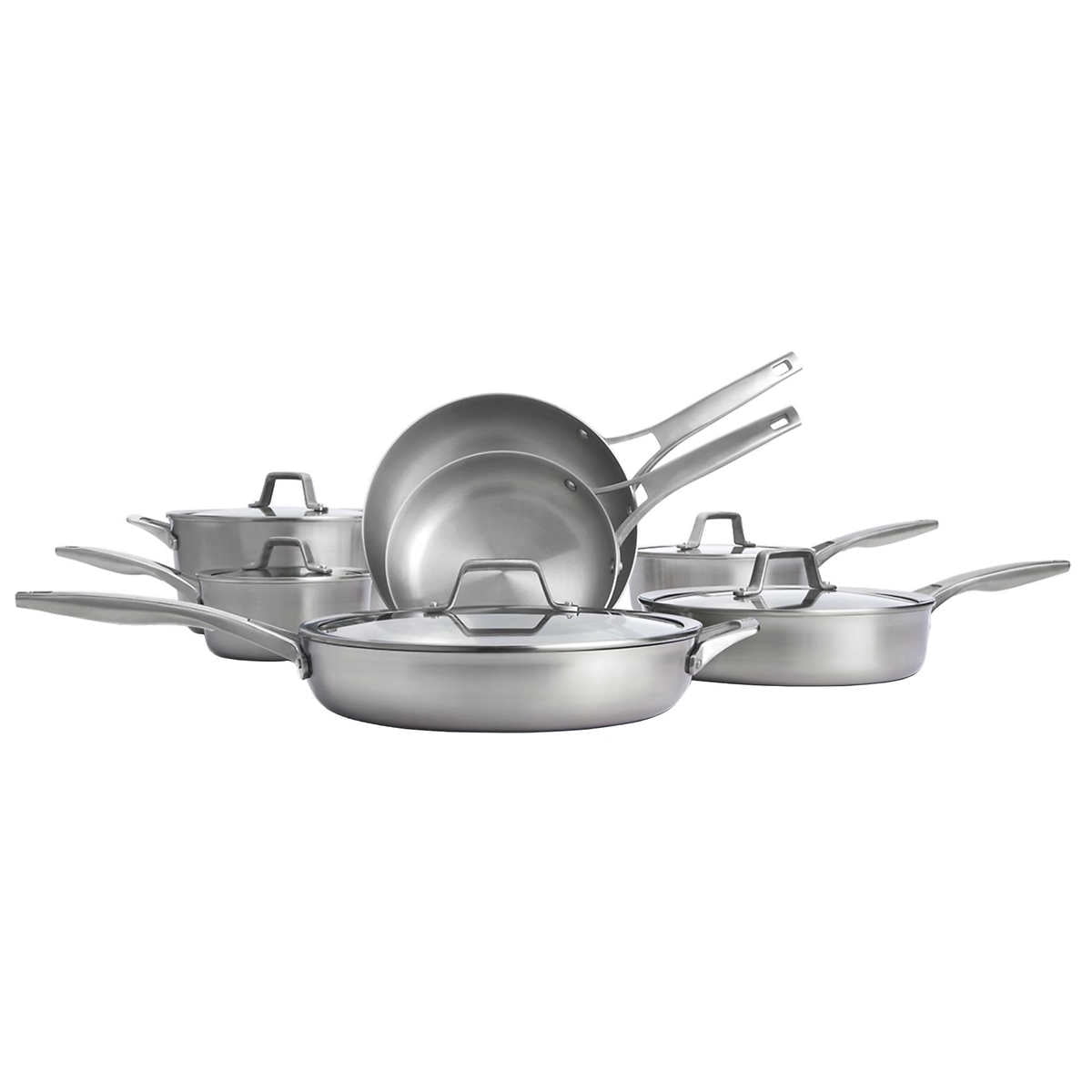
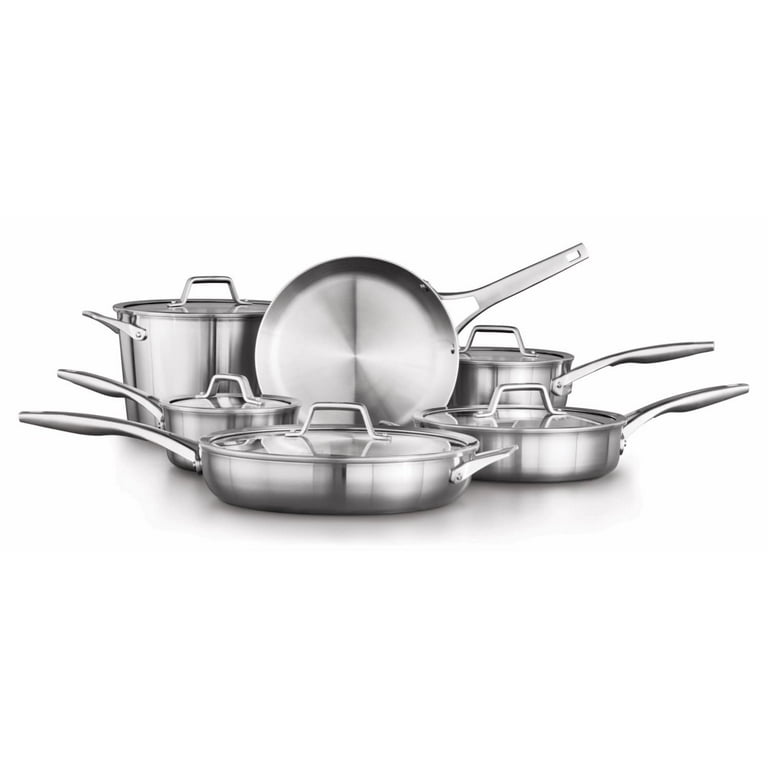
Calphalon offers various stainless steel pieces. You can find skillets, saucepans, stockpots, and sauté pans. Each type serves a specific cooking purpose.
Skillets work well for frying and browning. Sauce pans are perfect for sauces and boiling. Stockpots handle soups and large meals. Sauté pans have tall sides for tossing food.
Some sets come with lids and measuring marks. You can buy individual pieces or full sets. Choose based on your cooking style and meal plans.
Benefits Of Stainless Steel
Stainless steel is strong and durable. It resists rust and stains, keeping cookware looking new. This material heats evenly for better cooking results.
It does not react with food flavors. This means your meals taste pure and fresh. Cleaning stainless steel is simple and quick.
It works on many cooktops, including induction. Stainless steel cookware also handles high oven heat. These benefits make it a smart choice for many kitchens.
Preparing Your Cookware
Preparing your Calphalon stainless steel cookware properly sets the stage for great cooking. Taking a few simple steps helps your pans last longer. It also makes cooking easier and cleaning faster.
Start with cleaning. This removes any dust or oils from the factory. Next, seasoning can improve how food releases from the pan. Both steps are quick and important.
Cleaning Before First Use
Wash your cookware with warm water and mild soap. Use a soft sponge or cloth. Avoid harsh cleaners or steel wool that may scratch the surface. Rinse well to remove all soap residue. Dry the pans completely with a clean towel. This step removes any factory residues and dust.
Seasoning Tips
Seasoning Calphalon stainless steel cookware is optional but helpful. Heat the pan over medium heat for 2-3 minutes. Add a small amount of cooking oil and spread it evenly. Let the oil heat until it starts to smoke lightly. Turn off the heat and let the pan cool. Wipe out any excess oil with a paper towel. This process creates a thin layer that helps food slide off easily.
Cooking Techniques
Cooking with Calphalon stainless steel cookware is simple and rewarding. These pans heat evenly and last long. Using the right techniques helps you cook tasty meals and keep your cookware in top shape.
This section covers key cooking methods for Calphalon stainless steel pans. Learn how to control heat, use oils, and stop food from sticking.
Proper Heat Settings
Start with medium heat to warm your pan. Stainless steel holds heat well. High heat can cause food to burn or stick. Low heat is good for gentle cooking. Adjust heat as needed during cooking. Avoid sudden temperature changes to protect the pan.
Using Oil And Fats
Use enough oil to coat the pan’s surface. Heat the oil until it shimmers before adding food. This step creates a barrier between food and metal. Oils with high smoke points work best. Butter adds flavor but burns faster. Combine butter with oil for taste and heat resistance.
Preventing Food Sticking
Preheat the pan properly before cooking. Add oil and let it heat fully. Place food carefully and avoid moving it too soon. Let the food form a natural crust. Use a spatula to check if it releases easily. Clean the pan well after each use to keep it smooth.
Credit: www.walmart.com
Maintaining Cookware Quality
Keeping Calphalon stainless steel cookware in good shape helps it last longer. It keeps cooking smooth and food tasting great. Clean and care for your pots and pans after each use. This prevents damage and keeps them looking new.
Cleaning After Cooking
Wash cookware with warm water and mild dish soap. Use a soft sponge or cloth to avoid scratches. Avoid steel wool or harsh scrubbers that harm the surface. Rinse well to remove all soap. Dry the cookware with a soft towel to stop water spots.
Removing Stains And Discoloration
Use a paste of baking soda and water for tough stains. Rub gently with a soft cloth or sponge. For discoloration, try a vinegar soak for a few minutes. Rinse well after cleaning. Avoid bleach or strong chemicals that damage the steel.
Avoiding Common Damage
Do not overheat empty cookware; it can warp or discolor. Use wooden, silicone, or plastic utensils to protect the surface. Avoid sudden temperature changes, like cold water on hot pans. Store cookware carefully to avoid dents or scratches. Proper care keeps your cookware working well for years.
Recipes That Shine
Cooking with Calphalon stainless steel cookware brings out the best flavors in your food. These pans heat evenly and hold temperature well. Recipes cooked in them often have a beautiful look and taste. Below are simple ways to make meals that really stand out.
Searing Meats
Start by heating the pan on medium-high heat. Add a little oil to prevent sticking. Place your meat in the pan without crowding. Let it cook without moving it. This creates a nice brown crust. Turn the meat to sear all sides. Finish cooking to your desired doneness. The pan’s even heat helps lock in juices and flavor.
Sautéing Vegetables
Heat your Calphalon pan on medium heat. Add a small amount of oil or butter. Toss in chopped vegetables of your choice. Stir often to cook evenly. The pan’s surface prevents sticking and burning. Vegetables keep their color and texture well. This method gives a fresh, tasty result every time.
Simmering Sauces
Use medium-low heat for sauces to avoid burning. Pour ingredients into the pan and stir gently. The stainless steel holds heat steady. This helps flavors blend smoothly. Keep the sauce moving to stop it from sticking. The pan cleans easily after simmering thick sauces. Perfect sauces come out rich and smooth.

Credit: www.amazon.com
Credit: www.walmart.com
Frequently Asked Questions
How Do I Prevent Food From Sticking To Calphalon Stainless Steel?
Preheat the pan on medium heat before adding oil. Ensure the oil is hot enough before adding food. Avoid overcrowding the pan to maintain even cooking and prevent sticking.
Can I Use Metal Utensils With Calphalon Stainless Steel Cookware?
Yes, Calphalon stainless steel cookware is durable and scratch-resistant. Using metal utensils is safe and won’t damage the surface. However, always handle with care to prolong the cookware’s lifespan.
What Is The Best Way To Clean Calphalon Stainless Steel Pans?
Hand wash with warm, soapy water and a soft sponge. For tough stains, use a stainless steel cleaner or a baking soda paste. Avoid abrasive cleaners to maintain the cookware’s finish.
Is Calphalon Stainless Steel Cookware Oven Safe?
Yes, most Calphalon stainless steel cookware is oven safe up to 500°F. Always check the manufacturer’s guidelines for specific temperature limits to ensure safe use.
Conclusion
Cooking with Calphalon stainless steel cookware is simple and fun. Use medium heat for even cooking and avoid high heat. Always preheat the pan before adding oil or food. Clean the cookware gently to keep its shine and performance. These tips help you cook tasty meals with ease.
Enjoy your cooking time and create delicious dishes every day. Calphalon cookware will serve you well with care and patience. Try these ideas and see the difference in your kitchen.

Hello, This is Annie Walker, a 38-year-old blogger, founder, and editor of Cookware Guider from NY, USA. I am a cookware fanatic and passionate cooker. I love to cook with different types of cooking appliances (example: all types of cookware, rice cookers, slow cookers, etc) almost every day in my kitchen. I love to share my experience with my readers in my blog. Also, I enjoy helping people to solve their problems through my website. You can follow me on Twitter & Pinterest. To know details about my blog please check the about us page.