
Have you noticed chips on your favorite enamel cookware and wondered if there’s a way to fix them? Those small cracks and chips can be frustrating, especially when you’ve invested in quality pots and pans.
But before you toss them out or buy new ones, there’s good news—you might be able to restore your cookware and keep it looking and working like new. You’ll discover simple, practical steps to repair your chipped enamel cookware. Stick with me, and you’ll save money, reduce waste, and bring your kitchen tools back to life faster than you think.
Ready to get started? Let’s dive in.
Causes Of Chipped Enamel
Chipped enamel on cookware happens when the outer layer breaks or peels off. This damage reduces the cookware’s look and can affect its cooking performance. Understanding what causes these chips helps you protect your pots and pans. Knowing common causes lets you avoid mistakes that harm your enamel. This section explains the main reasons enamel chips appear.
Common Damage Sources
Dropping cookware can easily chip enamel. Hard surfaces like tile or concrete make the damage worse. Using metal utensils scratches and chips the enamel surface. Stacking pots without protection causes rubbing and small chips. Cleaning with abrasive pads wears down the enamel slowly. These everyday actions add up, causing visible enamel damage.
Impact Of Heat And Handling
Rapid temperature changes stress the enamel coating. Putting cold cookware on a hot stove can crack the enamel. Overheating empty pans weakens the enamel layer. Carrying heavy cookware by the handles puts pressure on joints. Rough handling during washing or storage also causes chips. Careful heat use and gentle handling keep enamel intact longer.
Assessing The Damage
Assessing the damage is the first step to fixing chipped enamel cookware. It helps decide if repair is possible or if replacement is safer. Careful inspection reveals how deep and wide the chip is. This information guides the repair process and tools needed.
Identifying Severity
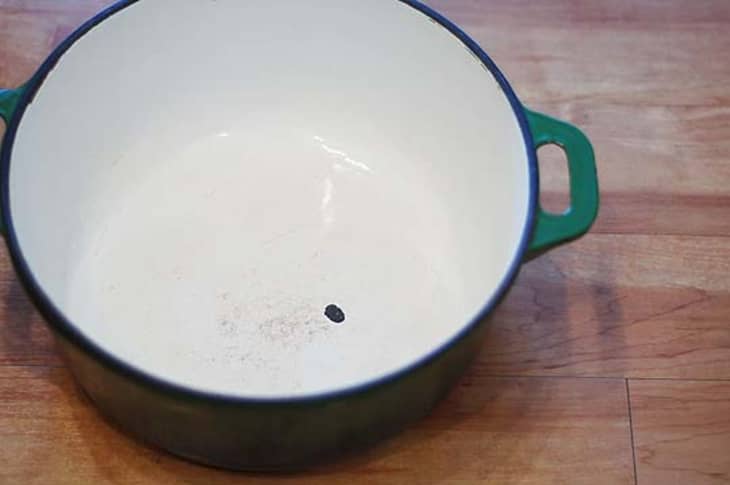
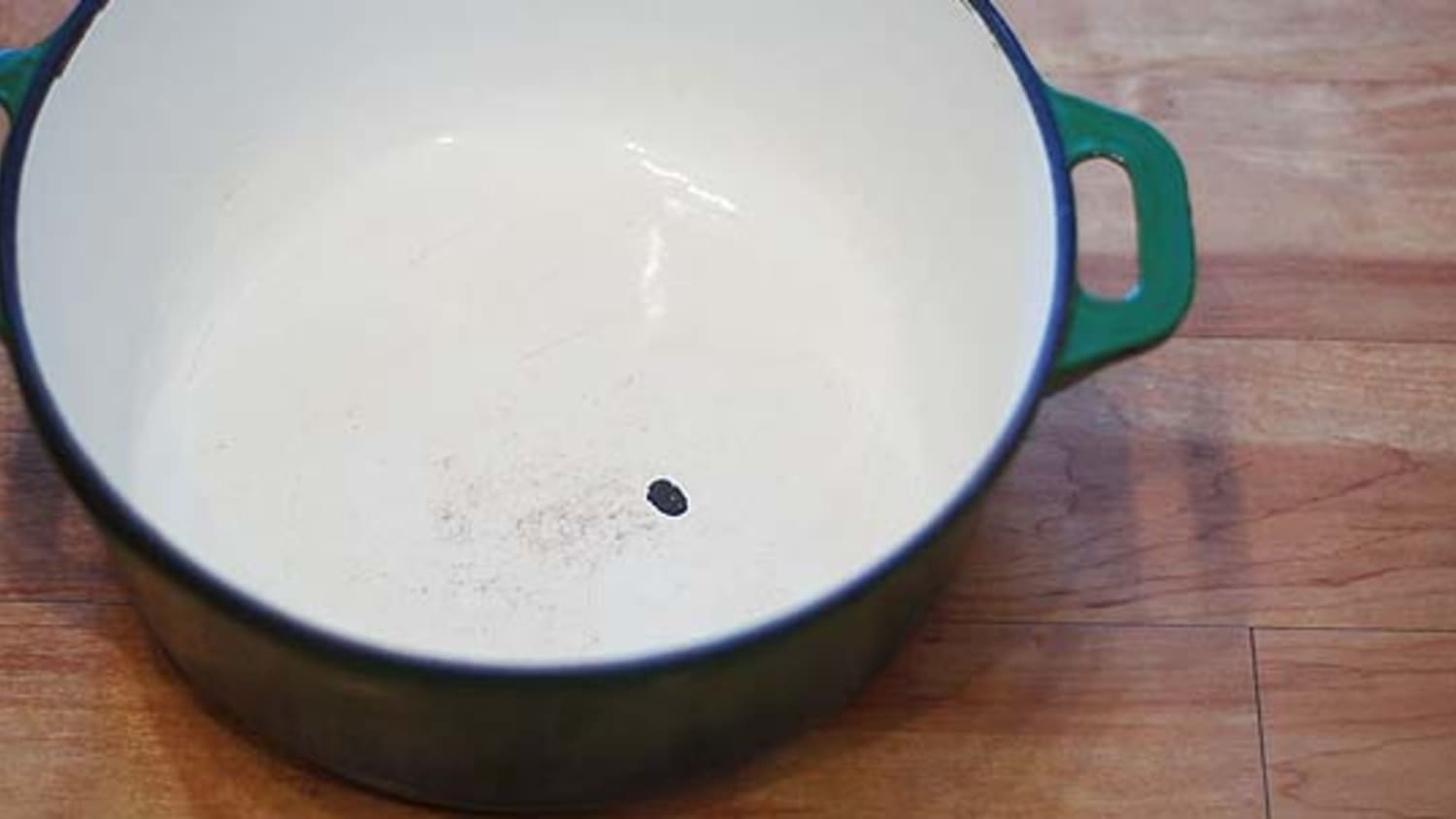
Check the size of the chip carefully. Small chips under a quarter inch may be fixable at home. Large chips or cracks often mean the cookware is unsafe to use. Look for chips exposing the metal underneath. Deep chips can cause rust or affect cooking quality. Surface chips without metal exposure are less risky but need attention.
Safety Considerations
Chipped enamel can create sharp edges. These edges may cut your skin during use or cleaning. Cookware with large or deep chips can leach metal into food. Avoid using cookware with exposed or rusted metal. Always wash chipped cookware well to remove loose enamel. Consider safety first before deciding to repair or discard.
Gathering Repair Materials
Fixing chipped enamel cookware starts with gathering the right materials. Preparing well makes the repair process smooth and effective. You will need some basic tools and special repair kits. These items help restore the enamel surface and protect your cookware.
Essential Tools
Start with simple tools found at home or a local store. Fine sandpaper helps smooth the chipped area. A clean cloth or sponge is necessary to wipe the surface. Use a small brush or toothpick to apply repair materials precisely. Gloves protect your hands from chemicals. Have a mask ready to avoid inhaling dust or fumes. A well-lit workspace improves accuracy. These tools make the repair easier and safer.
Recommended Repair Kits
Choose repair kits made for enamel cookware. Look for kits with enamel repair paste or epoxy. These products fill chips and cracks effectively. Some kits include color options to match your cookware’s finish. Read product reviews to find reliable kits. Kits with clear instructions help avoid mistakes. Avoid generic adhesives as they may not withstand heat. Using the right kit ensures a long-lasting fix.
Step-by-step Repair Process
Fixing chipped enamel cookware can save money and extend the life of your pots and pans. A careful repair process restores the surface and stops further damage. Follow these simple steps for a smooth and lasting fix.
Cleaning The Cookware
Start by washing the chipped area with warm, soapy water. Use a soft sponge to remove dirt and grease. Rinse thoroughly and dry with a clean cloth. Make sure the surface is completely dry before moving to the next step.
Applying The Repair Compound
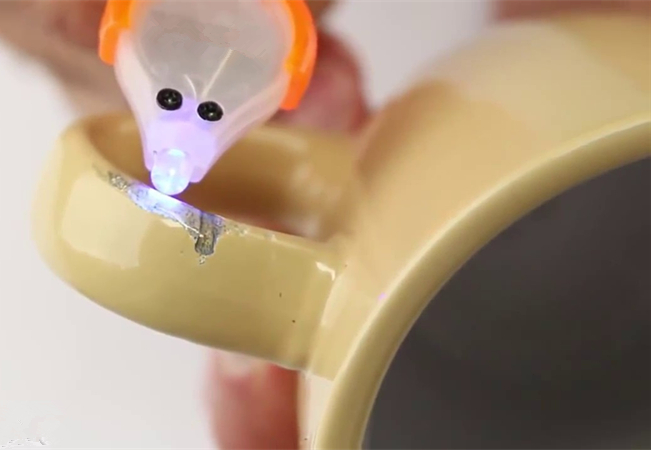
Use an enamel repair kit or a food-safe epoxy. Apply a small amount to the chipped spot using a toothpick or small brush. Spread the compound evenly to cover the damaged area. Avoid applying too much to prevent lumps.
Smoothing And Finishing
Let the repair compound dry according to instructions, usually 24 hours. After drying, gently smooth the surface with fine sandpaper. Wipe away any dust with a damp cloth. Your cookware should look almost new and be ready to use.
Curing And Drying Tips
Fixing chipped enamel cookware needs careful curing and drying. Proper curing helps the repair stick well. Drying makes the enamel strong and durable. Skipping these steps can cause the fix to fail quickly.
Follow the right process to get the best results. Patience is key. Let the enamel set and dry completely before use. This keeps your cookware safe and long-lasting.
Optimal Drying Times
Let the repaired area dry at least 24 hours. Longer drying times improve enamel strength. Avoid rushing this step. Use a warm, dry place to speed up drying. Avoid direct sunlight or heat sources. These can cause cracks or bubbles in the enamel.
Avoiding Common Mistakes
Do not use the cookware too soon. Touch the repair gently to check dryness. Avoid washing or scrubbing the area before full curing. Keep the cookware away from moisture during drying. Do not skip cleaning the chipped spot before repair. Dirt or grease stops the enamel from sticking well.
Credit: www.thekitchn.com
Maintaining Repaired Cookware
Maintaining repaired enamel cookware keeps it safe and useful for a long time. Proper care avoids new damage and protects the fixed spots. Handle your cookware gently and follow simple steps to keep it in good shape. This saves money and reduces waste.
Best Cleaning Practices
Use soft sponges or cloths to clean enamel cookware. Avoid metal scrubbers that can scratch the surface. Wash with warm water and mild dish soap. Rinse well to remove all soap residues. Dry the cookware with a soft towel to prevent water spots. Do not soak repaired areas for too long. This helps keep the enamel strong and intact.
Preventing Future Chips
Do not drop or bang enamel cookware on hard surfaces. Use wooden or silicone utensils to avoid scratching. Store cookware with care, avoiding stacking heavy pots on top. Heat the cookware slowly to avoid thermal shock. Avoid sudden temperature changes, like putting hot cookware in cold water. These steps reduce the chance of new chips and cracks.
When To Replace Enamel Cookware
Knowing when to replace enamel cookware is important for safety and cooking results. Enamel can chip or crack over time. Some damage can be fixed, but some cannot. Using damaged cookware can cause problems in the kitchen and harm your health. Watch for signs that your enamel pots or pans need replacement.
Signs Beyond Repair
Large chips or cracks in the enamel are warning signs. If the enamel peels off or the metal underneath is visible, it is time to replace. Rust spots on the exposed metal also show damage beyond repair. Scratches that go deep into the enamel layer reduce the cookware’s protection. Warped or bent pans may not cook evenly and can be unsafe.
Health And Safety Risks
Chipped enamel can mix with food, causing health risks. Exposed metal may rust and release harmful substances. Cracks can trap food and bacteria, making cleaning difficult. Heating damaged cookware can cause it to break further. Using unsafe cookware increases the chance of burns or cuts. Replace enamel cookware to keep your kitchen safe and healthy.
Credit: www.nolifrit.com
Credit: www.thekitchn.com
Frequently Asked Questions
How Can I Repair Chipped Enamel Cookware At Home?
You can fix small chips by cleaning the area and applying food-safe enamel repair paint. Let it dry fully before use. Avoid harsh scrubbing to prevent further damage.
Is Chipped Enamel Cookware Safe To Use?
Small chips may expose metal, risking rust and contamination. Avoid using heavily chipped cookware for acidic foods to maintain safety and flavor.
What Materials Do I Need To Fix Chipped Enamel Cookware?
You need enamel repair paint, fine sandpaper, rubbing alcohol, and a soft cloth. These materials help clean and smooth the chip before applying repair paint.
Can Enamel Repair Kits Restore Cookware Durability?
Yes, enamel repair kits seal chips and prevent rust. While they don’t fully restore original strength, they extend the cookware’s usable life effectively.
Conclusion
Fixing chipped enamel cookware can save money and reduce waste. Small chips need quick attention to stop rust and damage. Using enamel repair kits or food-safe paint works well. Always clean and dry the cookware before starting repairs. Avoid harsh scrubbing to keep the enamel from peeling more.
Careful handling helps prevent future chips and cracks. With simple steps, your cookware stays useful longer. Keep cooking safely and enjoy meals without worry. Taking care of your enamel pots and pans pays off.

Hello, This is Annie Walker, a 38-year-old blogger, founder, and editor of Cookware Guider from NY, USA. I am a cookware fanatic and passionate cooker. I love to cook with different types of cooking appliances (example: all types of cookware, rice cookers, slow cookers, etc) almost every day in my kitchen. I love to share my experience with my readers in my blog. Also, I enjoy helping people to solve their problems through my website. You can follow me on Twitter & Pinterest. To know details about my blog please check the about us page.