
You’ve invested in non-stick cookware because you want easy cooking and quick cleanups. But are you sure you’re treating your pans the right way?
Without proper care, that smooth surface can wear out faster than you expect. Imagine your favorite pan losing its magic after just a few uses—frustrating, right? Keep reading, and you’ll discover simple, effective tips to keep your non-stick cookware looking and performing like new for years to come.
Your kitchen deserves it, and so do you.

Credit: www.t-fal.com
Choosing The Right Cookware
Choosing the right non stick cookware is key to cooking success. The right pan makes cooking easier and cleaning faster. Not all non stick pans are the same. Quality and type matter for durability and safety. Understanding the options helps you buy the best cookware for your kitchen.
Types Of Non Stick Coatings
Non stick coatings vary by material and durability. PTFE is the most common coating. It offers smooth cooking and easy cleaning. Ceramic coatings are a newer choice. They are chemical-free and heat resistant. Some pans use silicone-based coatings. These are less common but provide good release. Each coating type has pros and cons. Choose one that fits your cooking style and budget.
Signs Of Quality Non Stick Pans
Look for even coating and smooth surface. High-quality pans have thick bases for even heat. Check if the coating is PFOA-free for safety. Strong handles ensure safe and comfortable use. Good pans feel sturdy but not heavy. Read product details to confirm durability. Quality pans last longer and stay non stick over time.

Credit: www.t-fal.com
Proper Cleaning Techniques
Proper cleaning keeps your non-stick cookware safe and long-lasting. Using the right methods avoids damage to the coating. It also helps keep food from sticking during cooking. Follow these simple cleaning techniques to protect your pans and enjoy better cooking results every time.
Hand Washing Vs Dishwasher
Hand washing is the best choice for non-stick cookware. It uses gentle scrubbing that does not harm the surface. Dishwashers can be harsh. The strong water pressure and high heat can break down the coating over time. Hand washing with warm soapy water keeps the cookware safe and clean.
Safe Cleaning Tools
Use soft sponges or cloths for cleaning non-stick pans. Avoid metal scrubbers or brushes. They scratch the coating and reduce its effectiveness. Plastic or nylon scrubbers work well. They remove dirt without causing damage. Always choose tools that are gentle but effective.
Removing Stubborn Residue
Soak the pan in warm, soapy water if residue sticks. Let it sit for 10 to 15 minutes. This loosens stuck-on food. Use a soft sponge to rub the residue gently. Avoid harsh scrubbing that can ruin the non-stick surface. For tough spots, a paste of baking soda and water helps lift residue safely.
Safe Cooking Practices
Safe cooking practices help protect your non-stick cookware. They keep the surface smooth and extend its life. Careful use avoids scratches and damage. Follow simple tips to cook safely and keep your pans in top shape.
Using Appropriate Utensils
Choose utensils made from wood, silicone, or plastic. Metal tools can scratch the non-stick surface. Scratches reduce the pan’s effectiveness. Soft utensils prevent damage and keep the coating intact. Use the right tool to flip, stir, or serve food.
Optimal Cooking Temperatures
Cook on low to medium heat for best results. Non-stick pans heat quickly and hold heat well. High heat can break down the coating. Use moderate heat to avoid warping and damage. This preserves the non-stick layer and food cooks evenly.
Avoiding Overheating
Never leave an empty pan on high heat. Overheating can release harmful fumes. It also weakens the non-stick coating fast. Remove the pan from heat if not in use. Keep the temperature controlled to ensure safety and durability.
Storage Tips To Prevent Damage
Proper storage keeps non-stick cookware safe and lasts longer. Damage often occurs from careless stacking or rough surfaces. A few simple steps protect the coating and maintain the pan’s quality.
Stacking Without Scratches
Never stack pans directly on top of each other. The rough bottom of one pan can scratch the non-stick surface below. Place each pan carefully. Use soft cloths or paper towels between pans. This stops damage and keeps the coating smooth.
Using Protective Liners
Protective liners are thin mats made for cookware. Place them between stacked pans to avoid scratches. Silicone or felt liners work well and are easy to clean. They create a soft barrier that cushions the pans. Liners also help keep pans dry and free from stains.
When To Replace Non Stick Cookware
Knowing the right time to replace non stick cookware helps keep your kitchen safe and efficient. Old pans lose their coating and can affect your food quality. Using damaged cookware can also cause health risks. Pay attention to your pans regularly to spot signs of damage. This ensures you cook with the best tools and avoid problems.
Signs Of Wear And Tear
Look for scratches or peeling on the pan’s surface. Food sticking more than usual shows the coating is failing. Warped or uneven pans do not heat evenly and waste energy. Discoloration or dark spots can mean the coating is breaking down. These signs indicate it is time to replace your cookware.
Health Considerations
Damaged non stick coatings may release harmful chemicals into food. Scratched surfaces can trap bacteria, risking food safety. Old pans can leach metals, which is unsafe for health. Using intact cookware reduces the chance of chemical exposure. Replace pans once the coating shows damage to protect your health.
Extending Lifespan With Regular Maintenance
Non-stick cookware makes cooking easier and cleanup fast. Keeping your pans in good shape saves money and ensures better cooking results. Regular maintenance helps prevent scratches and keeps the coating working well longer. Simple care steps can extend the life of your non-stick pans.
Seasoning Non Stick Pans
Seasoning helps protect the non-stick surface. Heat the pan on low heat for a few minutes. Add a small amount of oil and spread it evenly. Let the pan cool, then wipe off extra oil with a paper towel. This process creates a thin, protective layer that improves cooking and stops food from sticking.
Periodic Deep Cleaning
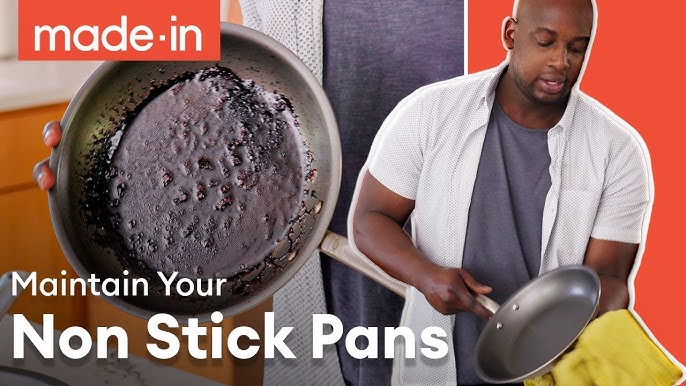
Deep cleaning removes built-up grease and food particles. Use warm water with mild dish soap and a soft sponge. Avoid abrasive pads or harsh cleaners that can damage the coating. For stubborn stains, soak the pan in warm, soapy water before cleaning. Dry the pan completely to stop rust and keep it ready for use.
Credit: www.youtube.com
Frequently Asked Questions
How Do I Clean Non Stick Cookware Properly?
Use a soft sponge and mild dish soap to clean non stick cookware. Avoid abrasive scrubbers to prevent damage. Hand wash immediately after use to maintain the coating. Dry thoroughly before storing to avoid moisture buildup and prolong the pan’s life.
Can I Use Metal Utensils On Non Stick Pans?
It is best to avoid metal utensils on non stick pans. Metal can scratch and damage the coating. Use wooden, silicone, or plastic utensils instead. This preserves the non stick surface and extends the cookware’s durability.
What Temperature Is Safe For Non Stick Cookware?
Keep non stick cookware below 500°F (260°C) to avoid coating damage. High heat can release toxic fumes and degrade the surface. Use low to medium heat for cooking to ensure safety and maintain non stick quality.
How Should I Store Non Stick Cookware?
Store non stick cookware carefully to prevent scratches. Place a soft cloth or paper towel between stacked pans. Avoid overcrowding and heavy items on top. Proper storage protects the coating and keeps cookware in good condition.
Conclusion
Taking care of non-stick cookware keeps it safe and lasts long. Use soft tools and avoid high heat. Clean gently with mild soap and a soft sponge. Store carefully to stop scratches. These simple steps save money and keep cooking easy.
Healthy meals taste better with well-kept pans. Small habits make a big difference every day. Keep your cookware ready for many meals ahead. Easy care means happy cooking moments.

Hello, This is Annie Walker, a 38-year-old blogger, founder, and editor of Cookware Guider from NY, USA. I am a cookware fanatic and passionate cooker. I love to cook with different types of cooking appliances (example: all types of cookware, rice cookers, slow cookers, etc) almost every day in my kitchen. I love to share my experience with my readers in my blog. Also, I enjoy helping people to solve their problems through my website. You can follow me on Twitter & Pinterest. To know details about my blog please check the about us page.