
Have you ever looked at your old pots and pans and wondered what to do with them? Holding on to worn-out cookware takes up space and can harm the environment if thrown away carelessly.
But what if you could turn your old kitchen tools into something useful again? Recycling your old cookware is easier than you think, and it’s a smart way to help the planet while decluttering your home. Keep reading to discover simple, effective ways you can recycle your cookware and make a positive impact today.
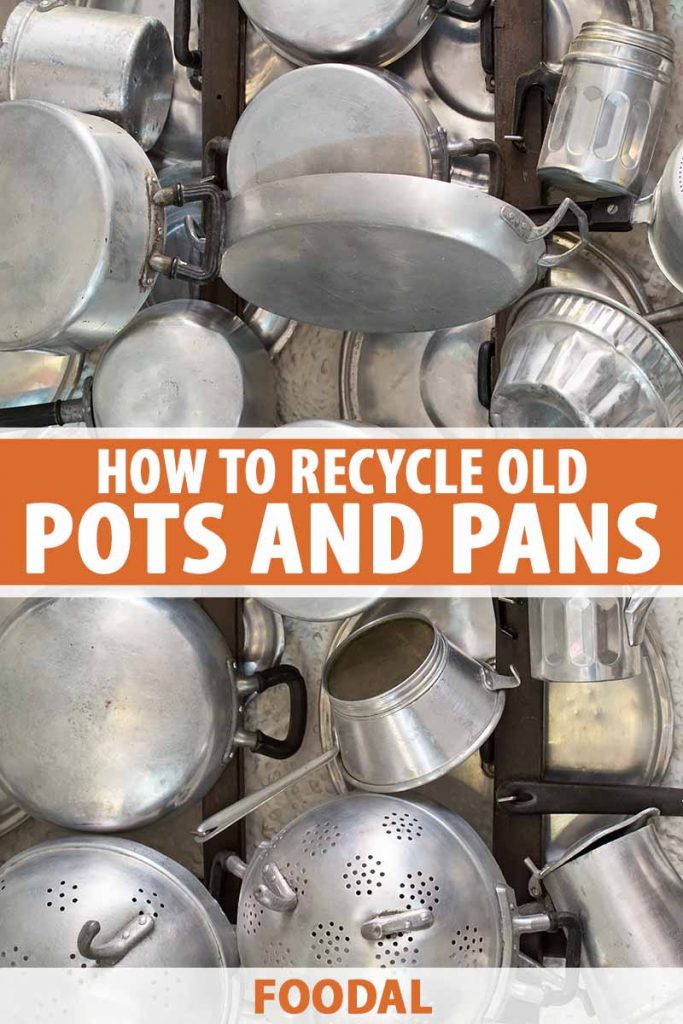
Credit: foodal.com
Benefits Of Recycling Cookware
Recycling old cookware brings many benefits. It helps protect the environment and saves valuable materials. Recycling is a smart choice for anyone who wants to reduce waste and use resources wisely.
Environmental Impact
Recycling cookware lowers pollution. It stops harmful chemicals from entering the soil and water. Less waste in landfills means cleaner air and land. This keeps nature safe for plants and animals.
Reducing Waste
Old pots and pans take up space in trash dumps. Recycling them reduces the amount of garbage. This helps landfills last longer. It also makes communities cleaner and healthier.
Saving Resources
Cookware contains metals that can be reused. Recycling saves energy compared to making new products. It also lowers the need to mine raw materials. This saves water, energy, and reduces pollution.
Types Of Cookware Materials
Cookware comes in many types of materials. Each type has different recycling rules. Knowing these helps recycle old pots and pans correctly.
Some materials are easy to recycle. Others need special handling. Understanding these materials protects the environment.
Metal Cookware
Metal cookware includes aluminum, stainless steel, and copper. Most metal pots and pans can be recycled. Remove any plastic or rubber handles first. Metal recycling centers accept these items for reuse.
Nonstick Cookware
Nonstick pans have a special coating. This coating can be hard to recycle. Many recycling centers do not accept nonstick cookware. Consider donating if the pan is still usable.
Ceramic And Glass Cookware
Ceramic and glass cookware break easily. These materials are not accepted in regular recycling. Check with local facilities for special drop-off points. Some places recycle broken ceramics for road construction.
Cast Iron And Steel
Cast iron and steel cookware last a long time. Both metals are recyclable and in demand. Clean the cookware before recycling. Scrap metal yards usually accept these materials.
Preparing Cookware For Recycling
Preparing cookware for recycling makes the process smoother and more effective. It helps recycling centers handle materials safely and reuse them properly. Taking simple steps before recycling protects the environment and saves resources.
Cleaning And Removing Residue
Start by cleaning the cookware thoroughly. Remove leftover food, grease, and burnt bits. Use warm water and soap to scrub all surfaces. Dry the cookware completely to avoid rust and mold. Clean cookware recycles better and prevents contamination.
Separating Components
Many cookware items have parts made of different materials. Separate handles, lids, and other attachments from the main body. Use tools like screwdrivers or pliers if needed. Sorting materials helps recycling centers process them correctly. It also increases the value of recycled materials.
Checking For Hazardous Materials
Some cookware contains harmful materials like non-stick coatings or batteries. Identify if your cookware has these hazardous parts. Avoid recycling items with toxic chemicals at regular centers. Dispose of hazardous materials through special waste programs. This keeps people and nature safe during recycling.
Where To Recycle Old Cookware
Recycling old cookware helps reduce waste and saves resources. Knowing where to take these items makes recycling easy. Some places accept cookware for recycling, while others might reuse or repurpose them. Choose the best option based on your cookware’s condition and material.
Local Recycling Centers
Many local recycling centers accept metal cookware. They break down the metal to make new products. Check your center’s rules for accepted items. Some centers may require you to remove non-metal parts first. Drop off your old pots, pans, or baking trays there for recycling.
Specialized Scrap Yards
Scrap yards often take old cookware made from metals like aluminum, stainless steel, or cast iron. These yards recycle metals by melting and reshaping them. Call ahead to confirm which types of cookware they accept. Scrap yards help keep metals out of landfills and give them a new life.
Donation Options
Cookware in good condition can be donated instead of recycled. Charities, shelters, or thrift stores may accept gently used pots and pans. Donation helps others save money and reduces waste. Make sure the cookware is clean and usable before donating. This option supports community reuse and lessens environmental impact.
Upcycling Ideas For Old Cookware
Old cookware can find a new life with simple upcycling ideas. These ideas help reduce waste and add charm to your home. Upcycling turns old pots and pans into useful and decorative items. It saves money and supports a greener lifestyle.
Planters And Garden Use
Old pots and pans make unique planters. Fill them with soil and plant flowers or herbs. Hanging pans become eye-catching wall gardens. Use deep pots to grow small vegetables. They bring color and life to any space.
Home Decor Projects
Cookware can become creative decor pieces. Paint old lids to create wall art. Stack pots for a rustic candle holder. Use handles to hang keys or jewelry. These projects add personality to your rooms.
Creative Storage Solutions
Turn old cookware into storage containers. Use pots to hold kitchen utensils or craft supplies. Small pans work well for office desk organization. Group them on shelves for a tidy look. This keeps spaces neat and stylish.
:max_bytes(150000):strip_icc()/old-cast-iron-pan-getty-0519-d6f2ef505bae4a84b9c8adc80ffb8486.jpg)
Credit: www.marthastewart.com
Tips For Eco-friendly Cookware Choices
Choosing eco-friendly cookware helps reduce waste and protect the planet. Simple changes in how you pick and care for your pots and pans make a big difference. Small steps add up to a greener kitchen and less trash.
Choosing Sustainable Materials
Look for cookware made from recycled or natural materials. Stainless steel and cast iron last long and recycle well. Avoid non-stick pans with harmful chemicals. Bamboo and ceramic options are good for the environment. These choices lower your kitchen’s impact on nature.
Extending Cookware Lifespan
Use your cookware carefully to make it last. Avoid high heat on non-stick surfaces to prevent damage. Use wooden or silicone utensils to stop scratches. Store pans properly to keep them in shape. The longer your cookware lasts, the less waste you create.
Proper Maintenance Practices
Clean cookware gently to keep it safe and strong. Use mild soap and soft sponges. Avoid harsh chemicals that wear down surfaces. Dry pans right after washing to stop rust. Regular care saves money and helps the environment.

Credit: theroundup.org
Frequently Asked Questions
How Can I Recycle Old Cookware Safely?
Clean your cookware thoroughly before recycling. Check local recycling centers for metal types accepted. Avoid recycling non-metal parts like plastic handles. Donate usable cookware to charities or repurpose for gardening. Proper disposal ensures environmental safety and resource reuse.
What Types Of Cookware Are Recyclable?
Most metal cookware, such as stainless steel, cast iron, and aluminum, is recyclable. Avoid recycling non-metal parts like plastic or wooden handles. Check with local recycling facilities for specific guidelines to ensure proper processing and reduce contamination.
Where To Donate Old But Usable Cookware?
Donate old cookware to local shelters, thrift stores, or community centers. Charities often accept gently used pots and pans. This supports people in need and promotes reuse, reducing waste and environmental impact.
Can I Recycle Cookware With Non-stick Coatings?
Non-stick cookware is usually recyclable but requires special handling. Check with your local recycling program for acceptance. If not accepted, consider donating if in good condition or dispose of responsibly to avoid environmental harm.
Conclusion
Recycling old cookware helps protect the environment. It saves space in landfills and reduces waste. Many materials from pots and pans can be reused. Local recycling centers often accept metal cookware. Some stores offer trade-in or recycling programs. You can also donate usable items to charities.
Small efforts add up to big changes. Start recycling today to make a positive impact. It’s a simple step toward a cleaner planet. Keep your kitchen green and clutter-free. Recycling old cookware benefits everyone.

Hello, This is Annie Walker, a 38-year-old blogger, founder, and editor of Cookware Guider from NY, USA. I am a cookware fanatic and passionate cooker. I love to cook with different types of cooking appliances (example: all types of cookware, rice cookers, slow cookers, etc) almost every day in my kitchen. I love to share my experience with my readers in my blog. Also, I enjoy helping people to solve their problems through my website. You can follow me on Twitter & Pinterest. To know details about my blog please check the about us page.