
Rust on your enamel cookware can be frustrating. It ruins the look and might even affect your food.
But don’t worry—you don’t have to toss your favorite pots and pans. You can bring them back to life with simple steps you can do at home. You’ll discover easy and effective ways to remove rust and keep your enamel cookware shining like new.
Ready to save your kitchen essentials? Let’s get started!
Causes Of Rust On Enamel Cookware
Rust on enamel cookware happens when the protective enamel layer breaks. This exposes the metal underneath to moisture and air. Rust forms on the exposed metal, causing damage and stains. Understanding why rust appears helps prevent it in the future.
Chipped Or Cracked Enamel
Enamel can chip or crack from dropping or rough handling. These small breaks let water reach the metal. Once the metal is wet, rust starts to form quickly. Even tiny chips can lead to big rust problems later.
Improper Cleaning Methods
Using harsh scrubbers or abrasive cleaners can damage enamel. Scrubbing too hard wears down the protective surface. This damage allows rust to develop over time. Gentle cleaning keeps the enamel safe and rust-free.
Prolonged Exposure To Water
Leaving enamel cookware wet encourages rust formation. Water trapped in cracks or chips reacts with metal. This contact causes rust spots to appear. Drying cookware fully after washing prevents this issue.
High Heat Damage
Extreme heat can weaken or crack the enamel coating. Heating empty cookware or overheating causes enamel to break. Broken enamel exposes metal to rusting agents. Cookware should be heated gradually and properly to avoid damage.
:max_bytes(150000):strip_icc()/RS_how-to-clean-le-creuset_method-1-step-1_preview-12959497fada4b419a25f0fdaee0234b.jpg)
Credit: www.realsimple.com
Safety Precautions Before Cleaning
Cleaning rust from enamel cookware needs care and attention. Rust removal involves chemicals and scrubbing, which can be risky without safety steps. Taking precautions protects your health and the cookware’s surface. Follow these simple safety tips before starting rust removal.
Wear Protective Gloves
Always wear rubber or latex gloves to protect your hands. Rust removers and scrubbing can irritate skin. Gloves keep your skin safe from harsh substances and sharp rust particles.
Work In A Well-ventilated Area
Use rust removal products in a room with fresh air. Open windows or use a fan to avoid breathing chemical fumes. Good ventilation reduces risks of dizziness and breathing problems.
Avoid Mixing Cleaning Products
Do not mix different rust removers or cleaners. Some chemicals create dangerous gases when combined. Use one product at a time and follow the instructions carefully.
Protect Your Eyes
Wear safety goggles or glasses to shield your eyes. Rust particles and splashes from cleaners can cause injury. Eye protection keeps you safe during scrubbing and rinsing.
Keep Children And Pets Away
Keep children and pets out of the cleaning area. Rust removers and tools can be harmful if touched or swallowed. A safe space prevents accidents and injuries.
Household Items For Rust Removal
Rust on enamel cookware can spoil its look and damage its surface. Household items can remove rust safely and effectively. These items are easy to find and gentle on your cookware.
Using natural ingredients reduces the need for harsh chemicals. This keeps your enamel safe and your kitchen healthy.
Using Baking Soda
Baking soda is a mild abrasive that lifts rust well. Make a paste with baking soda and water. Apply it on the rusty spots and let it sit for 15 minutes. Gently scrub with a soft cloth or sponge. Rinse with warm water and dry thoroughly.
Using White Vinegar
White vinegar is acidic and breaks down rust quickly. Soak a cloth in white vinegar and place it on rust areas. Leave it for 30 minutes to an hour. Rub the rust gently with the cloth. Wash the cookware with soap and water. Dry it completely to avoid new rust.
Lemon And Salt Method
Lemon juice’s acid and salt’s texture work well together. Sprinkle salt on rust spots. Squeeze lemon juice over the salt. Let the mixture sit for 2 hours. Scrub softly with a sponge or cloth. Rinse and dry the cookware carefully to prevent rust return.
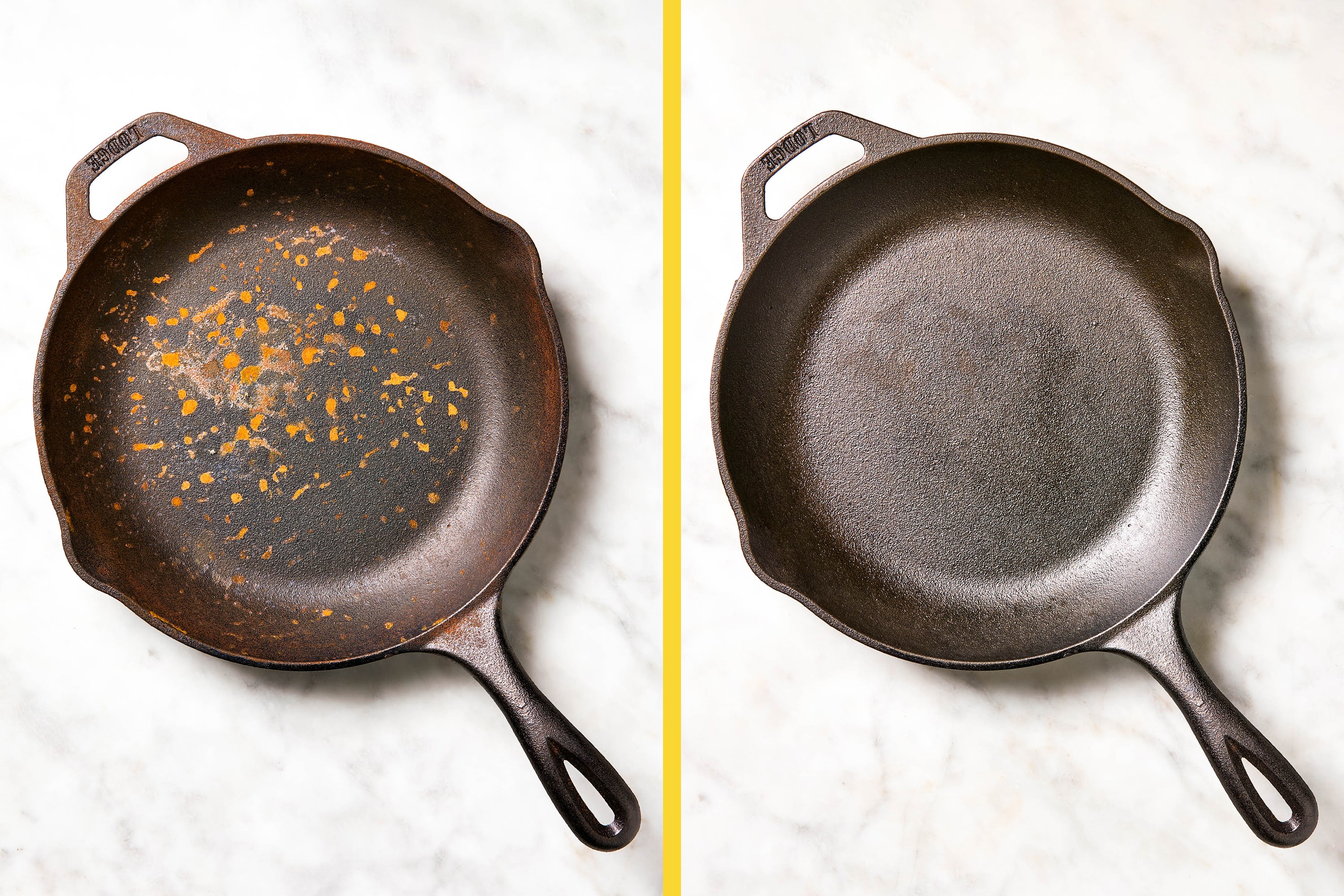
Credit: vixencomposites.com
Step-by-step Rust Removal Process
Removing rust from enamel cookware is a simple task with the right steps. Follow this clear process to bring back your cookware’s shine and safety. Each step helps protect the enamel while removing rust effectively.
Preparing The Cookware
Start by cleaning the cookware with warm water and mild soap. Remove any loose dirt or grease. Dry the cookware completely with a soft cloth. Make sure the surface is ready for the cleaning agent.
Applying The Cleaning Agent
Use a paste made from baking soda and water or a gentle commercial rust remover. Spread the paste over the rusty areas. Let it sit for 15 to 20 minutes. This softens the rust, making it easier to remove.
Scrubbing Techniques
Use a non-abrasive sponge or a soft brush. Gently scrub the rusted spots in circular motions. Avoid harsh scrubbing to protect the enamel layer. Repeat the application and scrubbing if rust remains.
Rinsing And Drying
Rinse the cookware well with clean water. Check that all cleaning residues are gone. Dry the cookware thoroughly with a soft towel. Keep it dry to prevent new rust from forming.
Preventing Future Rust On Enamel Cookware
Preventing rust on enamel cookware keeps your pots and pans safe and looking new. Rust damages the surface and can affect cooking quality. Simple daily habits help protect your cookware for years. Follow these tips to avoid rust and keep enamel shiny.
Proper Cleaning Habits
Clean enamel cookware right after use. Use warm water and mild soap. Avoid harsh scrubbing pads that can scratch the surface. Use soft sponges or cloths instead. Dry the cookware completely with a towel. Do not leave it wet or soak it for long. Moisture causes rust to form quickly.
Storage Tips
Store enamel cookware in a dry place. Keep lids off or slightly open to allow air flow. Avoid stacking pots tightly to prevent scratches. Place a soft cloth between stacked items if needed. Moist, closed spaces promote rust and damage enamel.
Avoiding Damage To Enamel Surface
Handle enamel cookware gently. Do not use metal utensils that can chip the enamel. Use wooden, silicone, or plastic tools instead. Avoid sudden temperature changes that cause cracks. Heat pans gradually and cool before washing. Protecting the enamel surface prevents rust from forming underneath.

Credit: www.lodgecastiron.com
When To Replace Rusted Enamel Cookware
Rusted enamel cookware can be risky to use. Rust can affect the taste and safety of your food. Knowing when to replace your cookware helps keep your kitchen safe and clean.
Small rust spots can sometimes be cleaned. But deep rust or cracks mean it’s time to get new cookware. This section explains clear signs that you should replace your rusted enamel cookware.
Visible Cracks Or Chips In The Enamel
Cracks or chips let rust spread quickly under the surface. These damages also expose the metal to food and liquids. This can cause health risks and affect cooking quality. Replace your cookware if you see cracks or chips.
Rust Penetration Through The Enamel
Rust on the surface can be cleaned, but deep rust is a problem. If rust goes through the enamel, the metal underneath is damaged. This weakens the cookware and may release harmful substances. Replacement is safer than repair in this case.
Frequent Rust Recurrence After Cleaning
Some rust spots may come back after cleaning. This means the enamel is worn out or damaged. Continued rust shows the cookware is losing its protective layer. Consider replacing it to avoid health issues.
Changes In Cooking Performance
Rusted cookware can heat unevenly or stick to food. You may notice burnt spots or strange flavors. These changes affect your cooking results. Old rusted enamel cookware should be replaced for better performance.
Frequently Asked Questions
How Can I Safely Remove Rust From Enamel Cookware?
Use a paste of baking soda and water. Apply it to rust spots, scrub gently with a soft brush, then rinse thoroughly. Avoid harsh abrasives to protect the enamel surface.
What Household Items Remove Rust From Enamel Pots?
Baking soda, white vinegar, and lemon juice are effective. These natural acids break down rust without damaging enamel. Soak or apply them, then scrub lightly and rinse well.
Can Rust Damage Enamel Cookware Permanently?
If untreated, rust can cause pits and stains on enamel. Prompt cleaning prevents permanent damage. Regular maintenance keeps your cookware rust-free and extends its lifespan.
Is It Safe To Cook In Rusted Enamel Cookware?
Cooking in rusted cookware isn’t recommended. Rust may affect food taste and safety. Clean rust thoroughly before use to ensure safe cooking.
Conclusion
Rust on enamel cookware can ruin your cooking experience. Removing rust is simple with common household items. Regular cleaning helps keep your cookware in good shape. Avoid harsh scrubbing to protect the enamel surface. Treat rust spots quickly to prevent spreading.
Clean, dry, and store your cookware properly. Enjoy cooking with rust-free, shiny enamel pots and pans. Taking care of your cookware extends its life and saves money. Small efforts make a big difference in kitchen tools. Keep your enamel cookware rust-free and ready to use.

Hello, This is Annie Walker, a 38-year-old blogger, founder, and editor of Cookware Guider from NY, USA. I am a cookware fanatic and passionate cooker. I love to cook with different types of cooking appliances (example: all types of cookware, rice cookers, slow cookers, etc) almost every day in my kitchen. I love to share my experience with my readers in my blog. Also, I enjoy helping people to solve their problems through my website. You can follow me on Twitter & Pinterest. To know details about my blog please check the about us page.