
When you invest in stainless steel cookware, you want it to last, perform well, and look great in your kitchen. But how do you know which pieces are truly high quality?
With so many options out there, it’s easy to feel overwhelmed or end up with cookware that disappoints. This guide will help you spot the signs of good quality stainless steel cookware so you can shop confidently and get the best value for your money.
Keep reading, and you’ll learn simple tips that make a big difference every time you cook.
:max_bytes(150000):strip_icc()/ses-primary-stainless-cookware-sets-rkilgore-01-54cc53feba5748cdab8db4719de942ae.jpg)
Credit: www.thespruceeats.com
Materials Used In Stainless Steel Cookware
Stainless steel cookware stands out for its durability and style. The materials used in making this cookware affect its quality and performance. Understanding these materials helps you pick the best pots and pans. This section explains the key materials in stainless steel cookware.
Types Of Stainless Steel Grades
Stainless steel comes in different grades. The most common grades for cookware are 18/10, 18/8, and 18/0. The first number shows chromium percentage, the second shows nickel percentage. Higher numbers mean better rust resistance and shine. 18/10 is the most popular for quality cookware.
Impact Of Alloy Composition
Alloy composition changes the metal’s strength and heat distribution. Stainless steel is mixed with metals like iron, chromium, and nickel. More chromium improves rust resistance. Nickel adds smoothness and stops corrosion. The right mix makes cookware last longer and cook food evenly.
Role Of Chromium And Nickel
Chromium protects against rust and stains. It forms a thin, invisible layer on the steel. This layer keeps the cookware shiny and safe. Nickel adds a smooth finish and extra durability. Cookware with both chromium and nickel stays strong and looks good for years.
Cookware Construction And Design
Understanding cookware construction and design is key to choosing quality stainless steel pots and pans. Good design improves cooking performance and durability. It also ensures safety and comfort during use. This section breaks down important factors that define well-made cookware.
Cladding And Layering Techniques
Cladding means bonding different metals together. Quality cookware uses multiple layers of metal. Stainless steel is combined with aluminum or copper inside. These metals spread heat evenly across the cooking surface. Avoid cookware with only a thin metal layer. Multi-ply construction lasts longer and cooks better.
Base Thickness And Heat Distribution
Thick bases hold and spread heat well. Thin bases cause hot spots and food burns. Look for cookware with a heavy, flat base. This helps food cook evenly without sticking. A thick base also prevents warping over time. Even heat means better control while cooking.
Handle Attachment And Comfort
Strong handles improve safety and ease of use. Handles should be firmly riveted or welded. Loose or weak handles can be dangerous. Comfortable handles stay cool and fit well in your hand. They make moving pots and pans easier. Check handles for a good grip and balance.
Surface Finish And Coatings
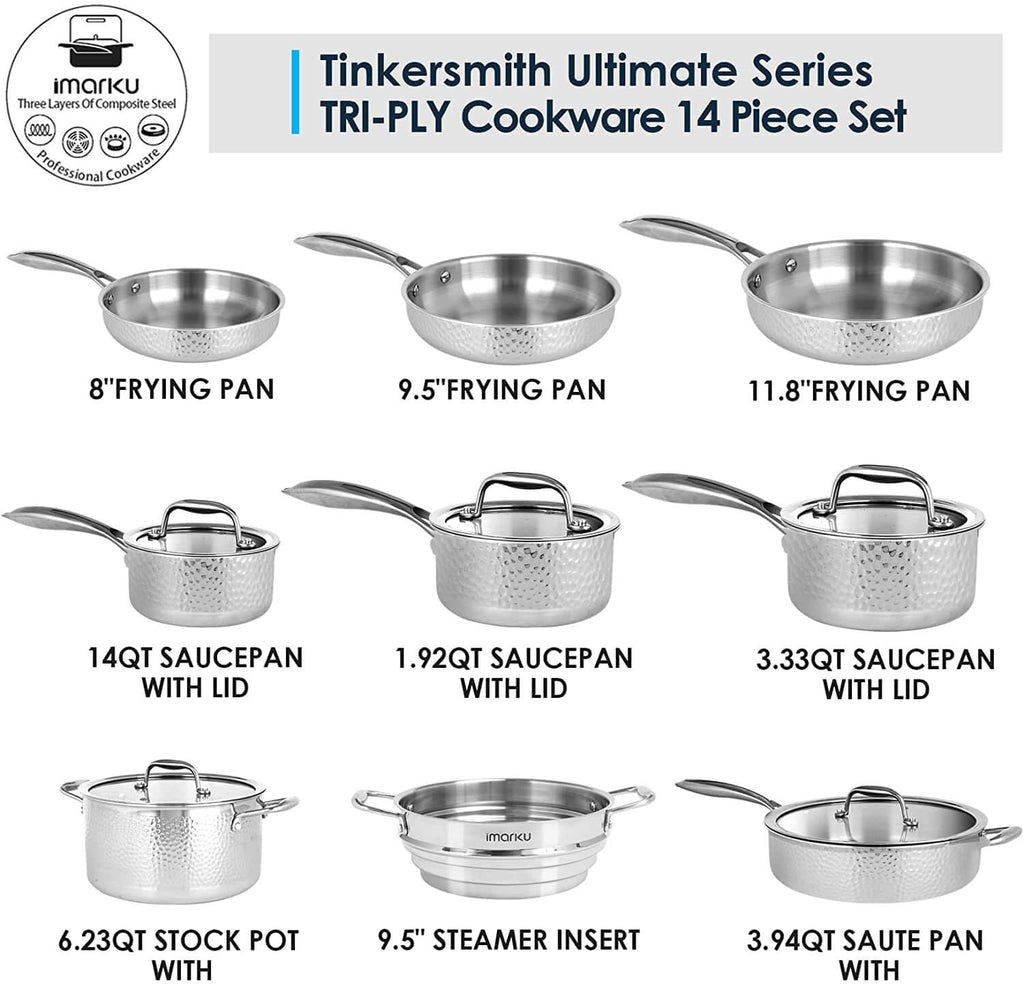
Surface finish and coatings play a big role in stainless steel cookware quality. They affect the look, feel, and cooking performance. Good finishes resist stains and scratches. Coatings can help food release easily. Understanding these details helps choose cookware that lasts long and cooks well.
Polished Vs Brushed Surfaces
Polished surfaces shine bright and reflect light. They look smooth and sleek. Polished stainless steel is easier to clean. It also resists stains better. Brushed surfaces have tiny lines or texture. They hide scratches and marks well. Brushed finishes give a matte, less shiny look. Both finishes have benefits. Choose based on style and maintenance preference.
Non-stick Coatings On Stainless Steel
Non-stick coatings make cooking and cleaning easier. They stop food from sticking to the pan. Some stainless steel pans have a layer of non-stick material. Check if the coating is safe and durable. Avoid coatings that peel or scratch easily. A good non-stick coating lasts longer and stays smooth. It also helps cook with less oil.
Resistance To Stains And Scratches
High-quality stainless steel resists stains from food and water. It does not rust or discolor quickly. Scratches can ruin cookware’s look and performance. Strong steel resists scratches from metal utensils. Cookware with good resistance stays beautiful longer. It also keeps food tasting pure without metallic flavors.
Credit: imarku.net
Performance Indicators
Performance indicators show the true value of stainless steel cookware. They reveal how well the cookware works in daily cooking. Good performance means even cooking, lasting strength, and easy use on different cooktops. These signs help you pick cookware that meets your needs.
Heat Conductivity And Retention
Cookware with good heat conductivity heats food evenly. It stops hot spots that burn your food. Heat retention keeps food warm longer after cooking. Quality stainless steel often has an aluminum or copper core. This core spreads heat fast and holds it well. Such cookware saves energy and improves cooking results.
Durability And Resistance To Warping
Strong cookware resists dents and scratches. Stainless steel with a thick base often lasts longer. It does not bend or warp under high heat. Warping ruins the cookware’s flat surface and cooking ability. High-quality pieces keep their shape even after years of use. This means better cooking and good investment.
Compatibility With Cooktops
Good stainless steel cookware works on many cooktops. It works on gas, electric, and induction stoves. Induction cooking needs magnetic stainless steel. Check for a symbol or label to confirm this. Versatile cookware fits different kitchens and cooking styles. This flexibility saves money and space.
Brand Reputation And Certification
Brand reputation and certification play a big role in choosing stainless steel cookware. A well-known brand often ensures better quality and safety. Certifications show that the cookware meets certain standards. Both factors help buyers trust the product’s durability and performance.
Trusted Manufacturers
Choose cookware from brands with a strong history. These manufacturers have tested their products many times. They use good materials and careful craftsmanship. Popular brands often provide consistent quality and safety. Avoid unknown brands with no clear background.
Certifications To Look For
Check for certifications that prove product safety and quality. Look for marks like NSF, FDA approval, or ISO standards. These labels mean the cookware passed strict tests. Certified products are less likely to contain harmful chemicals. Certifications also show the product meets health and safety rules.
Warranty And Customer Feedback
A good warranty shows the brand trusts its cookware. Look for at least a few years of coverage. Read customer reviews to see real user experiences. Positive feedback often means the cookware lasts long and works well. Negative reviews can reveal common problems or defects.
Price Vs Quality Considerations
Choosing stainless steel cookware involves balancing price and quality. High price does not always mean better quality. Some affordable sets offer great durability and performance. Knowing how to evaluate cost and quality helps avoid poor purchases. Focus on materials, construction, and brand reputation. Smart choices save money and improve cooking results.
Evaluating Cost And Longevity
Good stainless steel cookware lasts for years. Look for thicker steel and solid handles. These features add durability but may raise the price. Thin pans heat unevenly and wear out fast. Spending a bit more upfront often saves money later. Quality cookware resists rust, warping, and dents. Check product warranties as a sign of confidence.
Avoiding Common Pitfalls
Cheap cookware may use low-grade steel that stains or peels. Avoid sets with plastic parts near the cooking surface. These parts melt or break easily. Watch for misleading labels like “stainless steel look.” Some pans have a thin stainless layer over cheaper metal. This layer wears off after a few uses. Read customer reviews to spot these issues early.
Best Value Picks
Mid-range cookware often offers the best value. Brands with good reviews and clear material info are safer bets. Sets with an aluminum or copper core inside stainless steel heat well. This design combines durability with quick, even cooking. Look for pieces that feel heavy but balanced. Such pans usually deliver better cooking results for the price.

Credit: wilmax.com
Frequently Asked Questions
What Makes Stainless Steel Cookware High Quality?
High-quality stainless steel cookware has a thick, multi-ply base for even heat distribution. It uses durable 18/10 stainless steel and has a smooth, polished finish to resist rust and corrosion.
How Can I Identify Durable Stainless Steel Cookware?
Look for heavy weight, sturdy handles, and a flat, thick base. Quality cookware often features a bonded core of aluminum or copper for better heat conduction.
Why Is 18/10 Stainless Steel Preferred In Cookware?
18/10 stainless steel contains 18% chromium and 10% nickel, making it rust-resistant and shiny. This composition ensures durability, non-reactivity, and easy maintenance in cookware.
Does The Cookware’s Base Affect Cooking Performance?
Yes, a thick, multi-layered base improves heat retention and prevents hot spots. This ensures even cooking and better control over temperature.
Conclusion
Choosing good quality stainless steel cookware means better cooking results. Check for thick bases and sturdy handles. Look for cookware that heats evenly and resists rust. Quality pieces last longer and are safer to use. Spend time comparing brands and materials before buying.
This helps avoid waste and saves money. Good cookware makes cooking easier and more fun. Trust your senses and knowledge when picking sets. Enjoy meals made with cookware you can rely on.

Hello, This is Annie Walker, a 38-year-old blogger, founder, and editor of Cookware Guider from NY, USA. I am a cookware fanatic and passionate cooker. I love to cook with different types of cooking appliances (example: all types of cookware, rice cookers, slow cookers, etc) almost every day in my kitchen. I love to share my experience with my readers in my blog. Also, I enjoy helping people to solve their problems through my website. You can follow me on Twitter & Pinterest. To know details about my blog please check the about us page.