
Have you ever stared at a large saucepan and wondered, “How big is this really?” Choosing the right size saucepan can change how you cook, how much you can make, and even how easy cleanup is. If you’re tired of guessing or struggling with pots that are too small or too big, this guide is made for you.
By the end, you’ll know exactly what makes a saucepan “large” and how to pick one that fits your kitchen and your cooking style perfectly. Keep reading—you’re about to unlock a simple secret that can make your cooking experience smoother and more enjoyable.
Credit: www.guestsupply.com
Saucepan Sizes Explained
Saucepans come in different sizes to fit various cooking needs. Understanding these sizes helps you choose the right pan. Size affects how much food you can cook at once. It also influences cooking time and heat distribution.
Knowing saucepan sizes helps in meal planning and kitchen space management. It makes cooking easier and more efficient. Let’s explore the details of saucepan sizes and what they mean for you.
Common Saucepan Dimensions
Most saucepans range from 1 quart to 4 quarts in capacity. The diameter usually varies from 16 cm (6 inches) to 24 cm (9.5 inches). Smaller saucepans hold about 1 to 2 quarts. Large saucepans typically hold 3 to 4 quarts or more.
Height can change but is often around 7 to 12 cm. Taller pans hold more liquid even if diameter stays the same. Check both diameter and height to understand size better.
Capacity Vs Diameter
Capacity is the volume a saucepan can hold. Diameter is the width of the pan’s top. Bigger diameter usually means more cooking surface. But capacity depends on both diameter and height.
A saucepan with wide diameter and low height holds similar capacity to one with narrow diameter and tall height. Capacity is key for cooking soups or sauces. Diameter is important for frying or reducing liquids.
Material Impact On Size
Material affects saucepan weight and heat distribution. Heavy materials like cast iron add bulk but keep heat well. Lighter materials like aluminum are easier to handle but may heat unevenly.
Some materials require thicker walls, making pans larger in size. Others allow thinner walls, keeping pans compact. Choose material based on cooking style and comfort.
What Defines A Large Saucepan
A large saucepan is a key tool in many kitchens. It helps cook meals for families or groups. But what makes a saucepan “large”? Size, volume, and use all play a role. Understanding these points helps you pick the right pan for your cooking needs.
Standard Large Size Range
Large saucepans usually measure between 4 and 6 quarts. Some may go up to 8 quarts. The diameter often ranges from 8 to 10 inches. Depth varies but is enough to hold bigger amounts of food. These sizes are bigger than medium or small saucepans.
Volume Measurements
Volume is key to defining a large saucepan. It shows how much liquid or food it can hold. A 4-quart pan holds about 16 cups. Six quarts equals 24 cups. Larger volumes allow cooking soups, stews, or pasta for many people.
Typical Uses For Large Saucepans
Large saucepans cook bigger meals or batch cooking. They work well for boiling pasta or potatoes. Making soups and stews is easier in these pans. Also, they help with sauces that need more space to mix and reduce.
Choosing The Right Saucepan Size
Choosing the right saucepan size matters a lot. It affects how well you cook and save time. A large saucepan is great for many tasks, but picking the right size depends on several points. Think about your cooking style, family needs, and kitchen space. This helps you find a saucepan that fits you perfectly.
Cooking Needs Assessment
Consider what you cook most often. Do you make soups, sauces, or boil pasta? Large saucepans work well for recipes with big liquid amounts. Small saucepans suit simple sauces or warming food. Match the saucepan size to your cooking tasks. This avoids wasting energy and food.
Family Size Considerations
The number of people you cook for guides your saucepan choice. Larger families need bigger saucepans to cook enough food at once. Smaller households or singles may use medium or small saucepans. Choosing the right size prevents extra storage and clutter.
Space And Storage Factors
Kitchen space limits the size of saucepans you can keep. Large saucepans need more room in cabinets or on shelves. Check your storage before buying a big pan. Think about how easy it is to clean and store your saucepan too. A big saucepan is good only if you can keep it well.
Popular Large Saucepan Models
Large saucepans come in many models. Each has different sizes and features. Choosing the right one matters for cooking big meals. This section explores popular large saucepan models. It covers top brands, price ranges, and durability.
Top Brands And Their Sizes
Some brands are known for making large saucepans. All-Clad offers pans from 4 to 6 quarts. Cuisinart’s large saucepans range from 5 to 7 quarts. Calphalon has models up to 6 quarts. These sizes suit soups, stews, and pasta for families. Each brand uses different materials and styles.
Price Range Overview
Prices for large saucepans vary. Budget models start around $20. Mid-range pans cost between $40 and $80. High-end brands sell pans for $100 or more. Higher price often means better material and build. Choose a saucepan that fits your budget and needs.
Durability And Warranty
Durability is key for large saucepans. Stainless steel pans resist rust and last longer. Nonstick coatings need gentle care to avoid damage. Some brands offer warranties from one year to lifetime. A good warranty shows confidence in product quality. Check warranty details before buying.
Care Tips For Large Saucepans
Large saucepans are a great tool for cooking big meals. Taking good care of them helps keep their quality and lasts longer. Proper care also makes cooking safer and easier. Here are some simple tips for cleaning, maintaining, and avoiding problems with large saucepans.
Cleaning Methods
Clean your large saucepan after every use. Use warm water and mild dish soap. Avoid harsh chemicals or abrasive scrubbers. These can damage the saucepan’s surface. For stuck-on food, soak the pan in warm soapy water. Use a soft sponge to remove residue gently. Dry the pan well with a towel to stop rust or stains.
Maintenance Advice
Check the saucepan’s handles and lid often. Tighten any loose screws or fittings. Store the pan in a dry place to avoid moisture damage. Use wooden or silicone utensils to protect the pan’s surface. Avoid metal tools that can scratch or harm the coating.
Avoiding Common Issues
Do not heat an empty large saucepan for long. This can warp the base or damage the coating. Avoid sudden temperature changes. Do not put a hot pan in cold water. Use the right size burner for your saucepan. This helps heat the pan evenly and prevents warping.
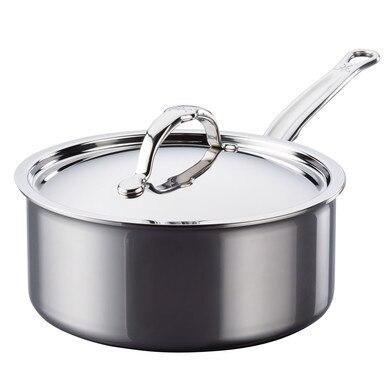
Credit: kitchenalamode.com
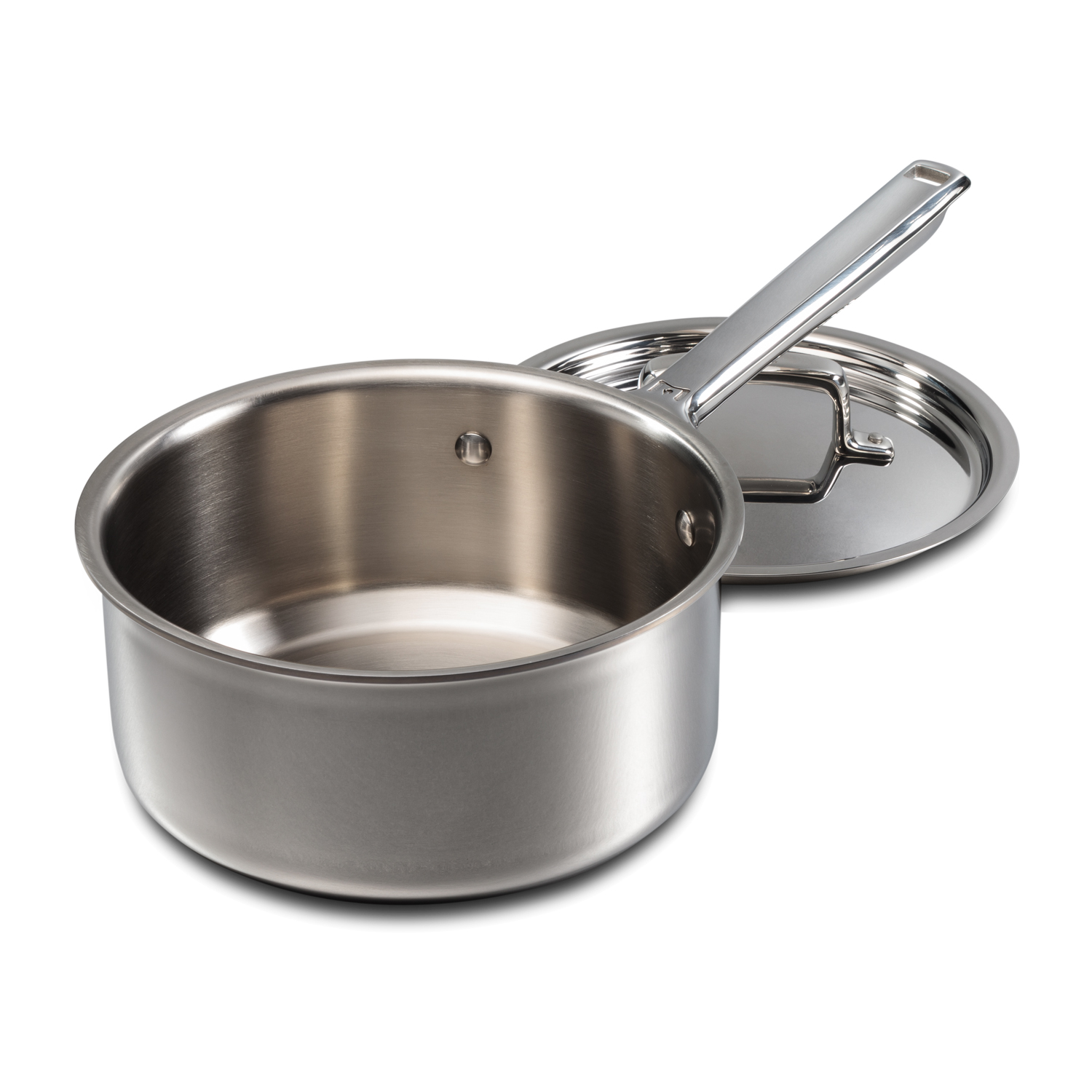
Credit: wolfgourmet.com
Frequently Asked Questions
What Defines A Large Saucepan Size?
A large saucepan typically holds between 4 to 6 quarts (3. 8 to 5. 7 liters). It is ideal for cooking large meals or boiling pasta for families.
How To Measure A Saucepan’s Capacity?
Measure the volume by filling the pan with water and then pouring it into a measuring jug. This shows the exact liquid capacity in quarts or liters.
Why Choose A Large Saucepan For Cooking?
Large saucepans allow cooking bigger portions and reduce overflow risk. They are perfect for soups, stews, and boiling large quantities of food.
What Materials Are Common In Large Saucepans?
Large saucepans are often made of stainless steel, aluminum, or non-stick coated metals. These materials ensure even heat distribution and easy cleaning.
Conclusion
A large saucepan usually holds between 4 to 6 quarts. This size suits cooking soups, stews, or pasta for families. It fits well on most stove burners without crowding. Choosing the right size helps avoid spills and uneven cooking. Remember, bigger is not always better in the kitchen.
Think about your cooking needs before buying. A good saucepan makes cooking easier and more enjoyable. Size matters, but so does quality and comfort. Keep this in mind for your next kitchen purchase.

Hello, This is Annie Walker, a 38-year-old blogger, founder, and editor of Cookware Guider from NY, USA. I am a cookware fanatic and passionate cooker. I love to cook with different types of cooking appliances (example: all types of cookware, rice cookers, slow cookers, etc) almost every day in my kitchen. I love to share my experience with my readers in my blog. Also, I enjoy helping people to solve their problems through my website. You can follow me on Twitter & Pinterest. To know details about my blog please check the about us page.