
Are you thinking about upgrading your kitchen with Food Network ceramic cookware but wondering if it’s truly safe? You’re not alone.
When it comes to choosing the right pots and pans, safety is just as important as style and performance. You want cookware that won’t harm your health or affect the taste of your meals. You’ll discover the real facts about Food Network ceramic cookware—what it’s made of, how it performs, and whether it’s a smart choice for your cooking needs.
Keep reading to make sure you’re making the best decision for your kitchen and your well-being.
Credit: www.kohls.com
Food Network Ceramic Cookware Features
The safety and performance of Food Network ceramic cookware depend largely on its features. Understanding these features helps assess if the cookware is safe and reliable. The cookware stands out for its materials and design choices. These aspects affect cooking results, durability, and health concerns. Exploring the materials used and the design quality reveals why many trust Food Network ceramic cookware in their kitchens.
Materials Used
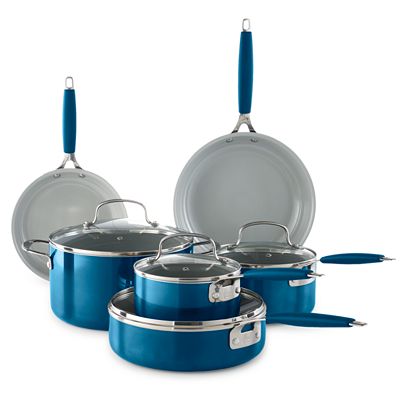
Food Network ceramic cookware uses high-quality materials designed for safety and efficiency. The main body of the cookware is made of aluminum, which heats up quickly and evenly. This material helps prevent hot spots during cooking.
The cookware’s ceramic coating is free from harmful chemicals like PFOA, PTFE, lead, and cadmium. This makes it a safer choice compared to some traditional non-stick pans.
- Aluminum base: Lightweight and excellent heat conductor.
- Ceramic coating: Non-toxic and naturally non-stick.
- Silicone handles: Heat-resistant and comfortable to hold.
The ceramic layer is derived from natural materials like sand. This coating prevents food from sticking without releasing toxic fumes. It also resists scratches better than standard non-stick coatings.
| Material | Purpose | Benefits |
|---|---|---|
| Aluminum | Cookware base | Fast, even heating; lightweight |
| Ceramic coating | Non-stick surface | Toxin-free; easy food release; scratch-resistant |
| Silicone | Handles | Heat protection; comfortable grip |
These materials combine to create cookware that promotes healthier cooking. Less oil is needed because of the smooth ceramic surface. No harmful substances leach into food during normal use. This makes Food Network ceramic cookware a safe and practical option for daily cooking.
Design And Build Quality
Food Network ceramic cookware features thoughtful design focused on durability and ease of use. The cookware set includes pots, pans, and lids sized to fit everyday cooking needs. The design balances style with function.
Each piece has a sturdy base that resists warping over time. The ceramic coating is applied evenly, ensuring consistent non-stick performance throughout the surface.
- Ergonomic handles: Designed for a secure, comfortable grip.
- Tempered glass lids: Allow easy monitoring of food without lifting.
- Oven safe: Many pieces can withstand oven temperatures up to 350°F (175°C).
The cookware’s exterior often features a smooth, colorful finish. This finish resists stains and is easy to clean. The lightweight build helps reduce hand fatigue during use.
| Feature | Benefit |
|---|---|
| Ergonomic silicone handles | Comfort and safety during cooking |
| Tempered glass lids | View food without heat loss |
| Non-stick ceramic coating | Easy food release and cleaning |
| Oven safe design | Versatile cooking options |
Overall, Food Network ceramic cookware offers solid build quality. The materials and design choices contribute to long-lasting performance. Users experience reliable heating, safe handling, and convenient cleaning. These features make the cookware practical for everyday meals.
Health And Safety Aspects
Food Network ceramic cookware has gained popularity for its sleek design and non-stick surface. Many users ask about its health and safety aspects before buying. Understanding these aspects helps you cook safely and avoid harmful substances. Ceramic cookware usually promises a safer alternative to traditional non-stick pans. The focus here is on whether Food Network’s ceramic pots and pans truly support healthy cooking without risks.
Non-toxic Components
Food Network ceramic cookware is often made with non-toxic materials. This means it does not contain harmful chemicals like PFOA, PTFE, or lead. These substances can be dangerous when heated and may release toxic fumes. Ceramic coatings are generally made from natural minerals, making them a safer choice for everyday cooking.
Key features of non-toxic ceramic cookware:
- Free from harmful chemicals: No PFOA, PTFE, lead, or cadmium
- Mineral-based coating: Made from silica and other natural minerals
- Safe at high temperatures: Does not break down easily
Here is a simple table comparing ceramic cookware with traditional non-stick pans:
| Feature | Ceramic Cookware | Traditional Non-Stick Cookware |
|---|---|---|
| Contains PFOA/PTFE | No | Yes (in many cases) |
| Coating Material | Mineral-based | Polytetrafluoroethylene (PTFE) |
| Heat Resistance | High | Moderate |
Non-toxic components reduce health risks. They make ceramic cookware a safe option for daily use.
Chemical-free Cooking
Ceramic cookware supports chemical-free cooking. It does not release dangerous fumes or particles when heated. Many traditional pans lose their coating over time, exposing metals or toxic substances. Food Network ceramic cookware stays stable during normal cooking.
Benefits of chemical-free cooking with ceramic cookware include:
- Cleaner food taste: No metallic or chemical aftertaste
- Lower risk of toxic fumes: Safe even at medium to high heat
- Better for sensitive users: Ideal for people with allergies or respiratory issues
Cooking with ceramic pans means fewer worries about chemicals leaching into your meals. The coating is smooth and non-stick, so you use less oil or butter. This helps create healthier dishes with less fat.
Tips for chemical-free cooking with ceramic cookware:
- Use medium heat to protect the coating
- Avoid metal utensils to prevent scratches
- Hand wash gently to maintain surface quality
Ceramic cookware allows safe cooking without harmful chemicals. It is a good choice for families and everyday use.
Potential Risks
No cookware is completely risk-free. Food Network ceramic cookware has some potential concerns. The main issue is the durability of the ceramic coating. If the surface chips or cracks, it may lose its safety benefits.
Possible risks include:
- Chipping or cracking: Damaged coatings can expose metal underneath
- Reduced non-stick effect: Scratches make food stick more
- Shorter lifespan: Coating may wear out faster than metal pans
Damaged ceramic coatings could cause small ceramic particles to mix with food. While not highly toxic, ingestion of these particles is not ideal. Using metal tools or overheating pans increases damage risk.
Here is a table summarizing common risks and prevention tips:
| Risk | Cause | Prevention |
|---|---|---|
| Coating chipping | Impact or dropping | Handle cookware carefully |
| Scratches | Use of metal utensils | Use wooden or silicone tools |
| Overheating | High heat without food | Cook on medium heat |
Careful use extends cookware life and maintains safety. Watch for any damage to ensure healthy cooking.
Performance And Durability
Food Network ceramic cookware is popular for its clean cooking surface and attractive design. Many home cooks want to know if this cookware performs well and lasts long. Performance and durability are key factors when choosing ceramic cookware. Good cookware heats food evenly and stays strong against daily use. Let’s explore how Food Network ceramic cookware does in these areas.
Heat Distribution
Even heat distribution helps cook food thoroughly and avoid hot spots. Food Network ceramic cookware uses a metal base that spreads heat well across the pan. This means food cooks evenly without burning in some spots and undercooking in others.
- Metal core base: Allows quick and uniform heating.
- Heat retention: Keeps temperature steady for consistent cooking.
- Suitable for various stovetops: Works on gas, electric, and ceramic cooktops.
This cookware heats up fast and holds heat, which saves cooking time and energy. The ceramic coating also helps prevent food from sticking by distributing heat smoothly. Users report fewer burned spots and better cooking results.
| Feature | Benefit |
|---|---|
| Metal base | Even heat spread |
| Ceramic coating | Prevents sticking |
| Heat retention | Consistent temperature |
Scratch And Chip Resistance
Ceramic cookware must handle regular use without damage. Food Network ceramic pots and pans have a hard ceramic layer that resists scratches and chips better than traditional non-stick coatings.
Key points about scratch and chip resistance:
- The ceramic surface is tough and smooth, reducing damage from utensils.
- Use of wooden or silicone tools is recommended to protect the coating.
- The cookware is less likely to chip compared to cheaper ceramic products.
Still, ceramic can chip if dropped or hit hard. Proper care extends the life of the cookware. Avoid stacking pots without protection and clean gently with non-abrasive sponges.
Tips to avoid scratches and chips:
- Use non-metal utensils.
- Wash by hand instead of dishwasher.
- Store with soft separators between cookware.
Longevity
Longevity depends on how cookware handles heat, wear, and cleaning. Food Network ceramic cookware offers good durability for home kitchens. The ceramic coating stays effective for a long time when cared for properly.
Factors that affect lifespan:
- Heat tolerance: The cookware can handle medium to medium-high heat without damage.
- Cleaning method: Gentle hand washing keeps the ceramic surface intact.
- Use frequency: Regular but careful use maintains performance longer.
Users report that Food Network ceramic cookware lasts several years without major wear. The non-stick surface may fade slowly but still works well. Avoid overheating and sharp tools to extend lifespan.
| Care Practice | Effect on Longevity |
|---|---|
| Hand wash with mild soap | Preserves ceramic coating |
| Avoid metal utensils | Prevents scratches |
| Moderate heat use | Protects cookware structure |
Comparison With Other Cookware Types
Choosing the right cookware impacts cooking results and health. Food Network ceramic cookware offers a popular choice known for its non-toxic surface. Comparing ceramic cookware with other types reveals its benefits and drawbacks. This helps decide which cookware suits your kitchen needs best.
Ceramic Vs Nonstick
Ceramic and traditional nonstick cookware both offer easy food release and simple cleaning. Yet, their materials and safety differ significantly.
- Material: Ceramic uses a natural mineral-based coating, while nonstick pans often use PTFE (Teflon).
- Heat tolerance: Ceramic can usually handle higher heat without damage. Nonstick coatings may break down at high temperatures.
- Safety: Ceramic coatings are free from PTFE and PFOA chemicals, which may release toxins if overheated.
- Durability: Nonstick coatings tend to wear out faster than ceramic, which is more scratch-resistant but still needs gentle care.
Here is a quick comparison table:
| Feature | Ceramic Cookware | Nonstick Cookware |
|---|---|---|
| Coating Type | Mineral-based ceramic | PTFE (Teflon) |
| Heat Resistance | High (up to 450°F) | Lower (up to 350°F) |
| Safety | Non-toxic, free from harmful chemicals | May release toxins if overheated |
| Durability | More scratch-resistant | Coating wears off faster |
| Cleaning | Easy but avoid abrasive tools | Very easy, but coating needs care |
Both cookware types offer convenience. Ceramic is safer for cooking at higher temperatures. Nonstick pans work well for low to medium heat cooking.
Ceramic Vs Stainless Steel
Ceramic and stainless steel represent two very different cookware styles. Each has unique benefits and challenges.
Ceramic cookware features a smooth, non-stick surface. It reduces the need for oil and is easy to clean. Ceramic is good for gentle cooking and lower to medium temperatures.
Stainless steel cookware is prized for durability and heat conduction. It works well for searing, browning, and high-heat cooking. Stainless steel does not have a non-stick surface, so food may stick if not used properly.
- Maintenance: Ceramic is simpler to clean but prone to chipping. Stainless steel requires scrubbing but is very tough.
- Cooking style: Ceramic suits low-fat cooking. Stainless steel excels in techniques needing high heat.
- Health: Both are safe. Stainless steel does not release chemicals, but some people may react to nickel in some alloys.
Here is a side-by-side look:
| Feature | Ceramic Cookware | Stainless Steel Cookware |
|---|---|---|
| Surface | Non-stick ceramic coating | Metal, no coating |
| Heat Tolerance | Medium heat | Very high heat |
| Durability | Moderate, can chip | Very durable, scratch-resistant |
| Cleaning | Easy, avoid abrasives | Requires scrubbing, can discolor |
| Cooking Use | Low to medium heat, gentle cooking | High heat, searing, browning |
Choosing ceramic or stainless steel depends on cooking habits. Ceramic is gentle and simple. Stainless steel is strong and versatile. Both have safe, healthy cooking profiles.
User Experiences And Reviews
User experiences and reviews provide valuable insights into the safety and performance of Food Network ceramic cookware. Real users share their honest opinions based on daily use, highlighting both strengths and weaknesses. These firsthand accounts help potential buyers understand what to expect from the product. This section summarizes common themes found in user feedback, focusing on positive feedback and common complaints.
Positive Feedback
Many users appreciate the Food Network ceramic cookware for its non-stick surface and ease of cleaning. The ceramic coating prevents food from sticking, which reduces the need for excessive oil. This makes cooking healthier and cleanup faster.
- Even heat distribution: Users report that the cookware heats food evenly, avoiding hot spots.
- Durable design: Many customers find the pans sturdy and well-built for daily use.
- Safe materials: Users often mention feeling confident about cooking without harmful chemicals like PFOA or PTFE.
- Attractive appearance: The colorful and sleek design fits well in modern kitchens.
Here is a quick summary of common praises:
| Feature | User Comments |
|---|---|
| Non-stick performance | Excellent for eggs, pancakes, and delicate foods |
| Cleaning | Easy to wash, no stubborn residues |
| Health safety | Free from harmful chemicals, safe for family use |
| Build quality | Strong handles and solid construction |
Common Complaints
Some users report issues with the Food Network ceramic cookware after long-term use. The main complaints focus on the ceramic coating wearing off or chipping. This affects the non-stick ability and may require replacing the cookware sooner than expected.
- Coating durability: Users notice scratches or peeling after using metal utensils or abrasive cleaning tools.
- Heat tolerance: A few reviews mention that the cookware may lose non-stick properties if overheated.
- Handle comfort: Some find the handles get hot or feel less sturdy during cooking.
- Warranty service: Several users express dissatisfaction with customer support for warranty claims.
The following table highlights the main concerns:
| Issue | Details | Frequency |
|---|---|---|
| Coating damage | Peeling or scratching after weeks/months of use | Common |
| Loss of non-stick | Reduced effectiveness when overheated | Moderate |
| Handle problems | Handles becoming hot or loose | Less common |
| Customer service | Slow or unhelpful warranty responses | Occasional |
Credit: www.intensivemed.com.br
Care And Maintenance Tips
Food Network ceramic cookware offers a great non-stick surface for cooking. To keep it safe and lasting long, proper care and maintenance are key. This section shares easy tips on cleaning and storing your ceramic pots and pans. Simple habits can protect the cookware’s coating and keep it looking new. Following these tips helps avoid damage and ensures healthy cooking every time.
Cleaning Methods
Cleaning ceramic cookware gently preserves its smooth surface and non-stick quality. Avoid harsh scrubbing or strong chemicals that can wear out the ceramic coating. Use warm water and mild dish soap for best results. Let the cookware cool down before washing to prevent cracking.
- Hand wash only: Avoid dishwashers as they may damage the coating.
- Soft sponge or cloth: Use non-abrasive materials to clean the surface.
- Soak stubborn food: Soak with warm soapy water for 10-15 minutes before cleaning.
- Baking soda paste: For tough stains, mix baking soda with water and gently scrub.
Here is a simple cleaning guide:
| Step | Action |
|---|---|
| 1 | Cool cookware completely before washing. |
| 2 | Use warm water and mild soap with a soft sponge. |
| 3 | Soak in warm soapy water for stuck food. |
| 4 | Apply baking soda paste for tough stains and scrub gently. |
| 5 | Rinse thoroughly and dry with a soft towel. |
Cleaning this way keeps the ceramic surface intact and safe for cooking. Avoid metal brushes, steel wool, or bleach as they cause scratches and damage.
Storage Suggestions
Proper storage protects ceramic cookware from chips and cracks. Keep the pieces dry and separate to avoid scratches. Stack pans with care using soft liners or cloth in between.
- Use pan protectors: Felt or silicone liners prevent surface damage during stacking.
- Store in a dry place: Moisture can affect ceramic coating and cause mildew.
- Avoid heavy stacking: Limit the number of pots stacked to reduce pressure.
- Hang if possible: Hanging pans by their handles saves space and prevents scratches.
Follow this simple table for safe storage:
| Storage Tip | Why It Helps |
|---|---|
| Use soft liners between pans | Prevents scratches on ceramic surfaces |
| Store cookware in a dry cabinet | Avoids moisture damage and mildew |
| Limit stacking height | Reduces risk of chips or cracking |
| Hang pans by handles | Saves space and protects coating |
Following these storage tips helps your Food Network ceramic cookware stay safe, clean, and ready for cooking. Caring well means enjoying healthy meals without worrying about your pots and pans.
Buying Considerations
Choosing the right cookware affects cooking results and safety. Food Network ceramic cookware looks attractive, but buyers should think about key factors before purchasing. Considering price, quality, warranty, and support helps make smart decisions. These elements ensure the cookware lasts and performs well while staying safe for daily use.
Price Vs Quality
Price and quality often go hand in hand. Food Network ceramic cookware offers options in different price ranges. Higher prices usually mean better materials and durability. Cheaper sets might look good but wear out faster or lose their non-stick coating.
Focus on these points:
- Material quality: Look for pure ceramic coating without added chemicals.
- Durability: Check if the cookware resists scratches and chipping.
- Heat distribution: Good quality cookware heats evenly, avoiding hot spots.
- Non-stick performance: Higher quality sets keep food from sticking longer.
Here is a simple comparison:
| Price Range | Expected Quality | Typical Lifespan | Safety Features |
|---|---|---|---|
| Low ($20-$50) | Basic ceramic, possible uneven coating | 6-12 months | May contain synthetic chemicals |
| Medium ($50-$100) | Good ceramic layer, better heat spread | 1-2 years | Usually free from harmful substances |
| High ($100+) | Thick, durable ceramic, strong base | 2+ years | Certified safe, eco-friendly materials |
Spend based on your cooking needs. Quality pays off with safer use and longer life.
Warranty And Customer Support
Good warranty and customer support add value to ceramic cookware. Food Network ceramic cookware usually comes with a warranty covering defects or coating issues. Check warranty length and what it covers before buying.
Consider these warranty details:
- Duration: Warranties range from 1 year to lifetime.
- Coverage: Look for protection against cracking, peeling, or warping.
- Exclusions: Some warranties exclude damage from misuse or accidents.
Customer support helps solve issues fast. Reliable brands offer easy contact methods, like phone, email, or chat. Read reviews about their service before purchase.
Important customer support features include:
- Quick response time
- Clear return and refund policies
- Availability of replacement parts
- Helpful user guides and instructions
Strong warranty and support protect your investment. They provide peace of mind for safe, long-term use.

Credit: www.greenpan.us
Frequently Asked Questions
Is Food Network Ceramic Cookware Non-toxic?
Yes, Food Network ceramic cookware is non-toxic. It is free from harmful chemicals like PFOA and PTFE. This makes it safe for everyday cooking and healthy meal preparation.
How Durable Is Food Network Ceramic Cookware?
Food Network ceramic cookware offers good durability with proper care. It resists scratches and high heat but avoid metal utensils. Following usage guidelines prolongs its lifespan significantly.
Can Food Network Ceramic Cookware Withstand High Heat?
Food Network ceramic cookware can handle moderate heat but avoid extreme temperatures. High heat may damage the ceramic coating. Use medium to low heat for best cooking results.
Is Food Network Ceramic Cookware Dishwasher Safe?
Most Food Network ceramic cookware pieces are dishwasher safe. However, hand washing is recommended to preserve the ceramic coating longer. Always check specific product instructions for care details.
Conclusion
Food Network ceramic cookware offers a safe option for everyday cooking. Its non-toxic materials reduce health risks and avoid harmful chemicals. The ceramic surface heats evenly, helping food cook well without sticking. Proper use and care keep the cookware durable for a long time.
Always follow the manufacturer’s instructions to avoid damage. Overall, this cookware suits those who want a safer, easy-to-clean option in the kitchen. It combines safety, convenience, and good cooking results in one package. Safe cooking can be simple and worry-free.

Hello, This is Annie Walker, a 38-year-old blogger, founder, and editor of Cookware Guider from NY, USA. I am a cookware fanatic and passionate cooker. I love to cook with different types of cooking appliances (example: all types of cookware, rice cookers, slow cookers, etc) almost every day in my kitchen. I love to share my experience with my readers in my blog. Also, I enjoy helping people to solve their problems through my website. You can follow me on Twitter & Pinterest. To know details about my blog please check the about us page.