
Few foods capture the rich flavor and satisfying texture of a well-cooked rib eye steak. This cut is known for its marbling—thin lines of fat that melt during cooking, giving the steak a juicy, tender bite. Many believe you need a grill to cook a great steak, but a frying pan can deliver equally impressive results.
With just a few simple steps, anyone can prepare a delicious rib eye at home.
Cooking steak in a frying pan is popular because it’s accessible and gives you precise control over heat. You don’t need advanced tools, and you can get a restaurant-quality result right in your kitchen. In this guide, I’ll walk you through everything you need to know: choosing the right steak, preparing it, mastering the pan, and finishing with expert touches. I’ll also share tips, common mistakes, and useful comparisons to help you get the best outcome.
Choosing The Right Rib Eye Steak
The quality of your steak matters most. Rib eye is prized for its flavor, but not all rib eyes are equal. Here’s what to look for:
- Marbling: Look for visible white fat lines. More marbling means more flavor.
- Thickness: Aim for a steak at least 1 inch thick. Thicker steaks cook better in a frying pan.
- Freshness: Fresh steak should be bright red with no gray spots.
- Grade: In the US, Prime is best, followed by Choice and Select.
A common beginner mistake is buying thin steaks, which cook too fast and can dry out. Thicker cuts are more forgiving and deliver a better crust.
Comparing Steak Grades
Here’s a quick comparison of US steak grades:
| Grade | Marbling | Tenderness | Price (per lb) |
|---|---|---|---|
| Prime | High | Very Tender | $20–$30 |
| Choice | Moderate | Tender | $14–$18 |
| Select | Low | Less Tender | $9–$12 |
If you’re shopping for a special meal, Prime is ideal. For everyday cooking, Choice offers a balance of quality and cost.
Essential Ingredients And Tools
To cook rib eye steak in a frying pan, you need only a few items. Avoid overcomplicating things—simple is best.
Ingredients
- Rib eye steak: 1–1.5 inch thick, 12–16 oz per person
- Salt: Kosher salt or sea salt
- Black pepper: Freshly ground
- Oil: High smoke point, such as canola or avocado oil
- Butter: 1–2 tbsp (optional, for finishing)
- Garlic: 2–3 cloves (optional)
- Fresh herbs: Thyme or rosemary (optional)
Tools
- Heavy frying pan: Cast iron is best, but stainless steel works too
- Tongs: For flipping
- Meat thermometer: For checking doneness
- Paper towels: For drying steak
Choosing a cast iron pan is a game changer. It heats evenly and gives a deep, flavorful crust.
Preparing The Steak
Preparation is key. Many beginners rush this step, but a few extra minutes make a big difference.
- Bring to room temperature: Remove steak from fridge 30–60 minutes before cooking. This helps it cook evenly.
- Pat dry: Use paper towels to dry all sides. Moisture prevents browning.
- Season generously: Sprinkle salt and pepper on both sides. Don’t be shy—seasoning is critical.
Some cooks add seasoning right before cooking; others let it sit for 15–30 minutes. Letting salt sit draws out moisture, then reabsorbs it, giving a deeper flavor.
Mastering Pan Cooking
Cooking rib eye in a frying pan is simple, but technique matters. Here are the main steps:
Step-by-step Cooking Instructions
- Preheat the pan: Place pan on stove over high heat for 2–3 minutes. You want it very hot—almost smoking.
- Add oil: Pour in a thin layer of oil, just enough to coat the pan.
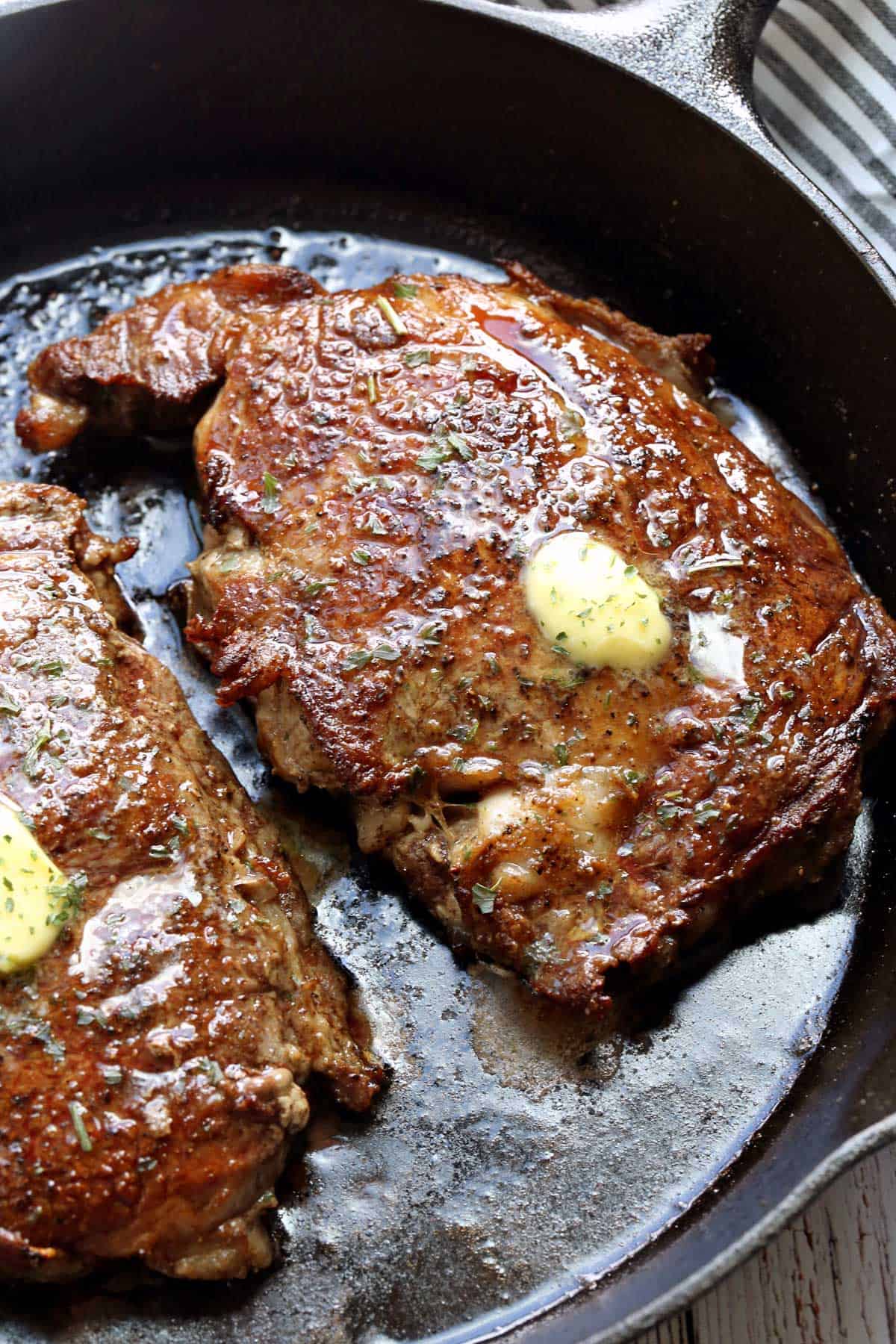
- Sear the steak: Lay steak in pan. Don’t move it for 2–3 minutes. This forms the crust.
- Flip: Turn steak with tongs. Sear other side for 2–3 minutes.
- Reduce heat: Lower to medium. Add butter, garlic, and herbs if desired.
- Baste: Tilt pan and use a spoon to pour melted butter over steak.
- Check temperature: Use meat thermometer. See the doneness chart below.
- Rest: Remove steak from pan and let it rest 5–10 minutes before slicing.
Resting is often skipped, but it’s essential. It lets juices redistribute, making the steak more tender.
Cooking Times And Temperatures
Cooking times depend on steak thickness and desired doneness. Here’s a guide:
| Doneness | Internal Temp | Cooking Time (per side) |
|---|---|---|
| Rare | 120–125°F | 2 min |
| Medium Rare | 130–135°F | 3 min |
| Medium | 140–145°F | 4 min |
| Medium Well | 150–155°F | 5 min |
| Well Done | 160°F+ | 6 min |
Use a thermometer for accuracy. Guessing often leads to overcooked or undercooked steak.
Credit: antillespr.edu
Expert Tips For Best Results
Many home cooks miss these small details that can make a big difference:
- Don’t overcrowd the pan: Cook one steak at a time. Too many steaks lower the heat and ruin the crust.
- Let the steak rest: Always let it rest before cutting.
- Use high heat: Low heat won’t create a proper crust.
- Use tongs, not a fork: Piercing the steak releases juices.
- Baste with butter: Adds flavor and keeps steak moist.
- Add herbs and garlic at the end: Prevents burning and infuses aroma.
For more flavor, try using smoked salt or cracked pepper with a coarse grind. These small changes can elevate your steak.
Comparison: Frying Pan Vs Grill
Some people wonder if frying pan steak can match grilled steak. Here’s a comparison:
| Method | Crust | Flavor | Control |
|---|---|---|---|
| Frying Pan | Excellent | Rich, buttery | Precise |
| Grill | Good | Smoky | Variable |
Frying pan cooking gives you more control over heat and results in a buttery, crisp crust. You don’t get the smoky flavor of a grill, but you can add smoked paprika or finish with a smoked salt to mimic it.
Common Mistakes To Avoid
Even experienced cooks sometimes make errors. Here are some pitfalls:
- Cooking cold steak: Leads to uneven cooking.
- Overcrowding pan: Prevents browning.
- Not drying steak: Moisture stops crust formation.
- Using low heat: Won’t brown steak well.
- Skipping rest: Causes juices to run out when cutting.
- Guessing doneness: Results in undercooked or dry steak.
Avoiding these mistakes improves your chances of a perfect steak every time.
Serving And Slicing
Presentation matters. How you slice and serve affects the texture and taste.
- Slice against the grain: This makes the steak more tender.
- Serve with simple sides: Mashed potatoes, steamed vegetables, or a salad.
- Add finishing touches: Sprinkle sea salt or drizzle pan juices.
For extra flair, serve steak on a warm plate. Cold plates cool the steak too quickly.
Nutrition Facts
Rib eye steak is rich in protein, iron, and B vitamins but also high in fat. Here’s a basic breakdown for a 12 oz serving:
- Calories: 900–1000
- Protein: 60–65g
- Fat: 60–70g
- Iron: 6–8mg
Much of the fat comes from marbling, which gives rib eye its signature flavor. If you want to reduce fat, trim edges before cooking.
:max_bytes(150000):strip_icc()/perfect-pan-seared-steaks-recipe-step-beauty-c7a9ca69ad9e4d4cb783f845fd429251.JPG)
Credit: www.seriouseats.com
Practical Insights Beginners Miss
- Rest time is not optional: Even if you’re hungry, resting the steak is crucial for tenderness.
- Pan heat changes fast: Cast iron retains heat, but stainless steel cools quickly. Adjust your heat as needed.
- Seasoning ahead improves taste: Salt draws out juices, which then reabsorb, making the steak more flavorful.
Many beginners think seasoning and resting don’t matter. These steps are proven to impact the final result.
Advanced Touches
If you want to go beyond the basics:
- Reverse sear: Cook steak gently in the oven first, then finish with a hot pan for a deep crust.
- Compound butter: Mix butter with herbs or spices and melt over the steak after resting.
- Pan sauce: After cooking, use the pan to make a simple sauce with wine, broth, or cream.
Experimenting with these techniques can help you create a steak that rivals restaurant quality.

Credit: www.moodysbutchershop.com
Frequently Asked Questions
How Do I Know When Rib Eye Steak Is Done?
The best way is with a meat thermometer. Rare is 120–125°F, medium rare is 130–135°F, medium is 140–145°F. If you don’t have a thermometer, press the steak—rare feels soft, medium feels firmer.
Can I Use Olive Oil For Frying Steak?
Olive oil has a low smoke point and can burn. Use canola, avocado, or sunflower oil for high heat. Olive oil is fine for finishing or drizzling after cooking.
Should I Marinade Rib Eye Steak?
Rib eye has plenty of flavor from its marbling. Marinating is not needed, but you can use a simple salt and pepper rub. For extra flavor, try a quick garlic or herb marinade for 30 minutes.
What’s The Best Pan For Cooking Steak?
Cast iron is ideal. It holds heat well and creates a deep crust. Stainless steel is also good but can lose heat quickly. Avoid non-stick pans—they don’t give the same browning.
How Can I Make Steak More Tender?
Let the steak rest after cooking. Slice against the grain. Choose steaks with good marbling. Avoid overcooking—medium rare is the most tender.
Cooking rib eye steak in a frying pan is simple, but small details create big results. With the right steak, proper preparation, and careful technique, you can enjoy a juicy, flavorful meal at home. Remember to use high heat, season well, and let your steak rest. Experiment with butter, garlic, and herbs for extra flavor. If you want more tips or recipes, visit Serious Eats for deep guides and expert advice.
The next time you crave a steakhouse meal, reach for your frying pan and follow these steps. You’ll discover how easy and satisfying cooking rib eye steak at home can be.

Hello, This is Annie Walker, a 38-year-old blogger, founder, and editor of Cookware Guider from NY, USA. I am a cookware fanatic and passionate cooker. I love to cook with different types of cooking appliances (example: all types of cookware, rice cookers, slow cookers, etc) almost every day in my kitchen. I love to share my experience with my readers in my blog. Also, I enjoy helping people to solve their problems through my website. You can follow me on Twitter & Pinterest. To know details about my blog please check the about us page.