
Have you ever stopped to really notice what a frying pan looks like? You might think it’s just a simple kitchen tool, but there’s more to it than meets the eye.
Understanding its shape, size, and features can help you cook better and choose the right pan for your needs. Stick with me, and by the end of this article, you’ll see your frying pan in a whole new light—and your cooking might just improve because of it.
Ready to take a closer look? Let’s dive in.
Credit: www.restlesschipotle.com
Basic Shape And Structure
Understanding the basic shape and structure of a frying pan helps you choose the right one for your cooking style. Each part plays a role in how your food cooks and how easy the pan is to use. Let’s take a closer look at the key features that make up a frying pan’s design.
Circular Base
The base of a frying pan is usually circular. This shape allows heat to spread evenly across the surface, which is essential for cooking food uniformly.
Think about the last time you cooked eggs or pancakes. A circular base helps them cook evenly without hot spots that burn one side and leave the other raw.
Flat Cooking Surface
The cooking surface of a frying pan is flat to provide maximum contact with your stove’s heat source. This flatness ensures your food cooks quickly and evenly.
If the surface were uneven, you’d notice that some parts of your food cook faster than others. A flat surface also makes flipping and turning food much easier.
Slightly Raised Edges
Slightly raised edges keep your food from sliding off the pan while you cook or move it around. These edges are not too high, so you can easily flip food like omelets or stir fry ingredients.
Have you ever tried to flip a pancake only to have it slide off the pan? The raised edges help prevent that, giving you more control in the kitchen.

Credit: www.reddit.com
Common Materials
Frying pans come in many materials. Each material changes how the pan looks and works. Knowing common materials helps you pick the right pan for cooking.
Stainless Steel
Stainless steel pans have a shiny, silver surface. They look smooth and bright. These pans do not rust or stain easily. They are strong and last a long time. Stainless steel pans often have a thick bottom for even heat.
Cast Iron
Cast iron pans have a dark, rough surface. They look heavy and solid. These pans can be black or gray. Cast iron holds heat well and cooks food evenly. They need special care to avoid rust.
Non-stick Coatings
Non-stick pans have a smooth, dark inside surface. This coating stops food from sticking. They look sleek and often have a black or gray finish inside. Non-stick pans make cooking and cleaning easier. The coating wears out over time.
Aluminum
Aluminum pans are light and usually silver or gray. They heat up quickly and cool down fast. Aluminum pans can look shiny or matte. They often have a non-stick coating or are anodized to last longer.
Handle Types And Designs
Frying pan handles come in many styles. These handles affect how you hold and use the pan. The right handle makes cooking easier and safer. Handles vary in length, material, and shape. Each type offers unique benefits for your kitchen needs.
Long Handles
Long handles help keep your hand away from heat. They give better control when stirring or flipping food. These handles balance the pan well. They also make it easier to lift the pan. Many chefs prefer long handles for safety and comfort.
Heat-resistant Materials
Heat-resistant handles stay cool during cooking. Materials like silicone, plastic, and wood are common. These handles reduce burns and allow safe cooking. They also provide a firm grip. Heat-resistant handles last longer and improve kitchen safety.
Ergonomic Shapes
Ergonomic handles fit the hand’s natural curve. They reduce strain and improve comfort during use. These handles often have textured surfaces to prevent slipping. They help maintain a steady grip even with wet hands. Ergonomic design makes cooking less tiring and more enjoyable.
Size Variations
Frying pans come in different sizes to fit various cooking needs. Size affects how much food you can cook at once. Choosing the right size helps with even cooking and easy handling.
Small Pans
Small frying pans usually measure 6 to 8 inches wide. They work well for cooking one or two eggs. Small pans heat up quickly and are easy to clean. Ideal for small meals or snacks.
Medium Pans
Medium pans range from 9 to 11 inches in diameter. They suit most everyday cooking tasks. Medium pans handle vegetables, meats, and larger portions. These pans balance cooking space and easy use.
Large Pans
Large frying pans are 12 inches or more in size. Perfect for cooking big meals or multiple servings. They offer plenty of space for frying or sautéing. Large pans may take longer to heat evenly.
Special Features
Frying pans come with special features that make cooking easier and more efficient. These features help with different cooking styles and improve safety. They also add convenience during food preparation and cleanup.
Lids And Covers
Lids help keep heat and moisture inside the pan. They speed up cooking and make food tender. Some lids are glass, so you can see food without lifting the lid. Others are metal, which is good for oven use. Lids also reduce splatter and keep your stove clean.
Pouring Spouts
Pouring spouts let you pour liquids easily from the pan. They prevent spills and messes on the stove or countertop. Spouts are shaped to guide liquids smoothly. This feature is useful when draining oil or pouring sauces.
Induction Compatibility
Induction-compatible pans work on induction cooktops. These pans have a magnetic base. They heat up quickly and use energy well. Not all frying pans work on induction stoves. Check for this feature if you have an induction cooker.

Credit: www.reddit.com
Visual Differences From Other Cookware
A frying pan has a unique look that sets it apart from other kitchen tools. Its shape and size make it easy to spot among cookware. Understanding these visual differences helps in choosing the right tool for cooking tasks.
Vs. Saucepan
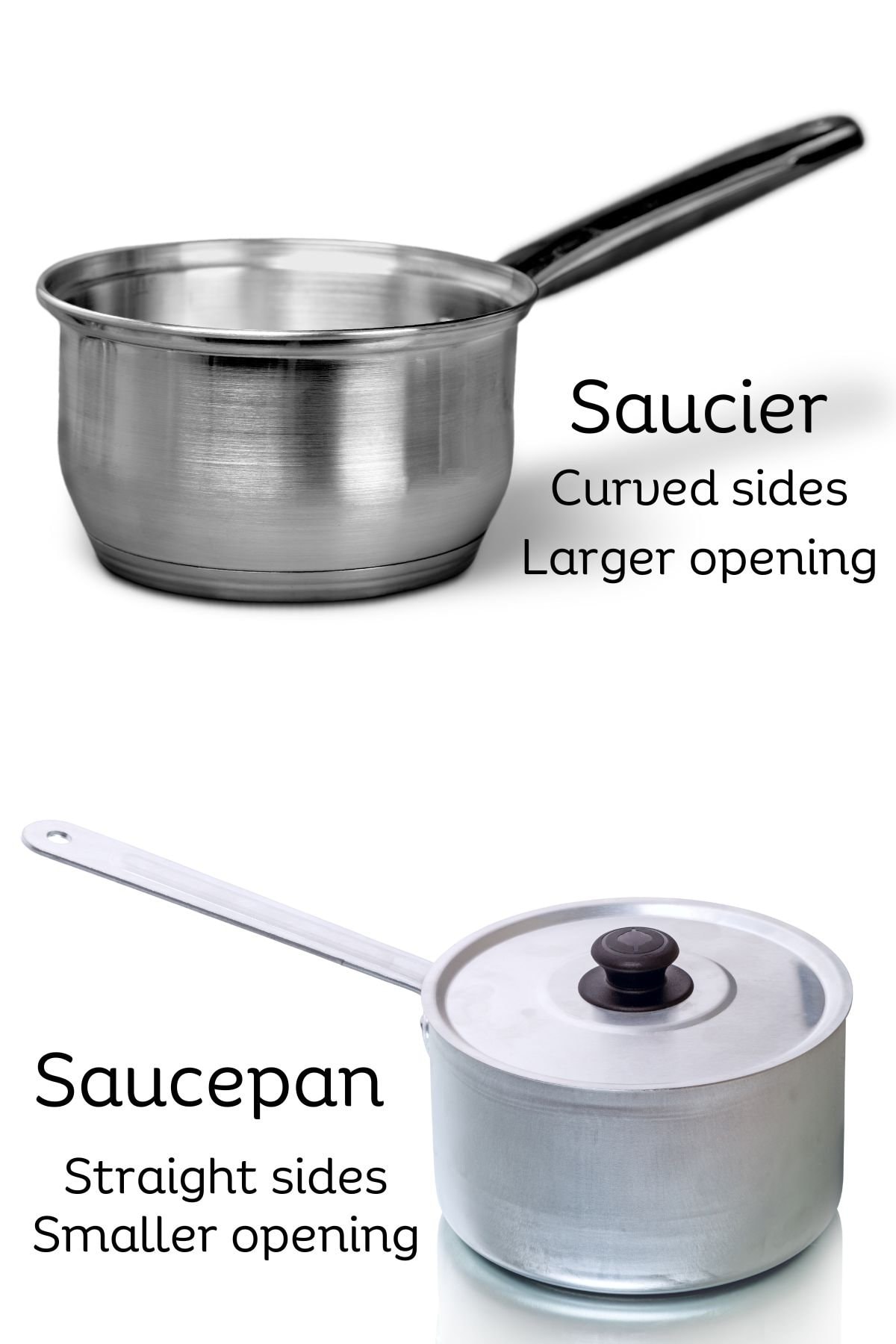
A saucepan has taller, straight sides and a smaller cooking surface. It often has a lid to trap steam. A frying pan has low, sloped sides for easy flipping and stirring. The frying pan’s wide, flat base helps cook food evenly.
Vs. Skillet
Skillets and frying pans look similar but differ in weight and depth. Skillets are usually heavier and have thicker walls. Frying pans are lighter and easier to handle. Skillets often have a longer handle and sometimes a helper handle opposite it.
Vs. Wok
A wok has a round bottom and high, sloping sides. It is deeper than a frying pan. The wok’s shape is ideal for stir-frying and tossing food quickly. A frying pan has a flat bottom, better for even heat on flat stoves.
Frequently Asked Questions
What Are The Typical Shapes Of A Frying Pan?
A frying pan usually has a flat circular base with slightly curved sides. It often features a long handle for easy grip and maneuvering while cooking. The size and depth can vary depending on its use.
What Materials Are Frying Pans Commonly Made Of?
Frying pans are commonly made from materials like stainless steel, cast iron, aluminum, and non-stick coated metals. Each material offers different heat distribution and cooking benefits.
How Does A Frying Pan Handle Look?
The handle of a frying pan is typically long, straight, and made of heat-resistant materials like metal, plastic, or wood. It ensures safe handling during cooking.
What Distinguishes A Non-stick Frying Pan Visually?
Non-stick frying pans usually have a smooth, dark cooking surface. This coating reduces food sticking and often has a slightly glossy finish compared to regular pans.
Conclusion
A frying pan is simple but very useful in every kitchen. It usually has a flat, round base and a long handle. You can find pans made from different materials like metal, ceramic, or non-stick coating. Knowing what a frying pan looks like helps you choose the right one for cooking.
It makes frying, sautéing, and searing easier. Everyone should have at least one frying pan at home. It is a basic tool that cooks many types of food quickly and well. Easy to use and clean, a frying pan fits any cooking style.

Hello, This is Annie Walker, a 38-year-old blogger, founder, and editor of Cookware Guider from NY, USA. I am a cookware fanatic and passionate cooker. I love to cook with different types of cooking appliances (example: all types of cookware, rice cookers, slow cookers, etc) almost every day in my kitchen. I love to share my experience with my readers in my blog. Also, I enjoy helping people to solve their problems through my website. You can follow me on Twitter & Pinterest. To know details about my blog please check the about us page.