
Are you thinking about upgrading your kitchen but can’t decide between a radiant or an induction cooktop? Choosing the right cooktop can change the way you cook every day.
You want something efficient, easy to use, and safe. But how do you know which one fits your needs better? This article will help you understand the key differences so you can make the best choice for your cooking style and lifestyle.
Keep reading, and by the end, you’ll feel confident about picking the perfect cooktop for your home.
Credit: www.jennair.com
Radiant Cooktop Basics
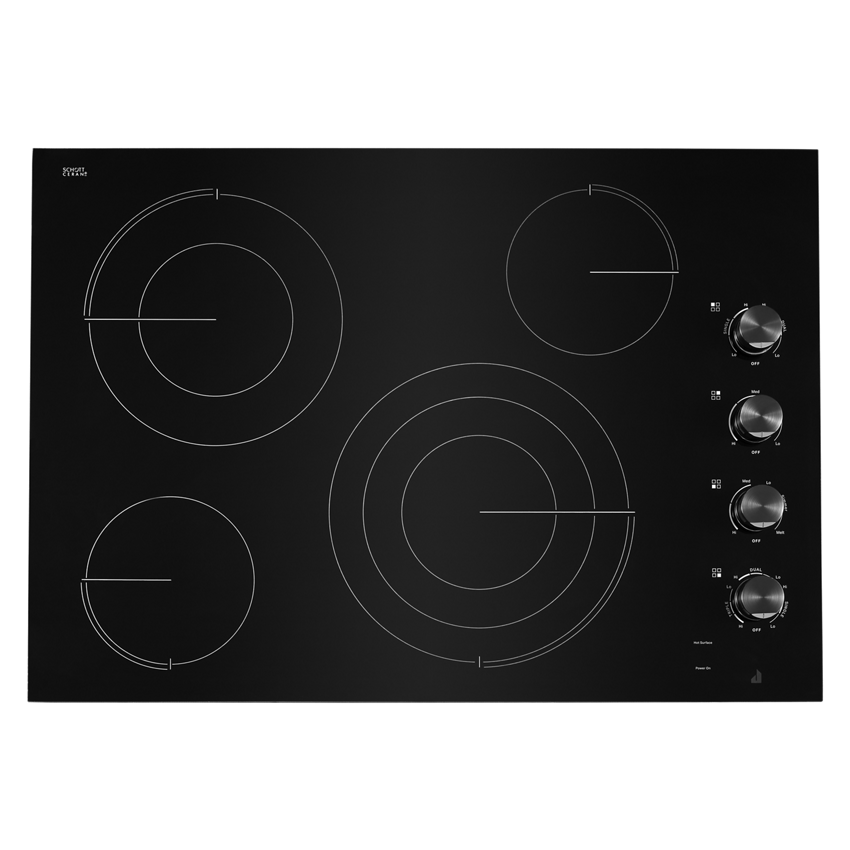
Radiant cooktops use electric heat to warm your pots and pans. They have a smooth glass surface that looks modern and is easy to clean. These cooktops heat evenly across the surface, making cooking simple and steady.
Many kitchens use radiant cooktops because they blend style with function. Understanding how they work helps choose the right cooktop for your home.
How Radiant Cooktops Work
Radiant cooktops heat with electric coils under a glass surface. The coils get hot and transfer heat through the glass to the cookware. Heat spreads evenly, cooking food at a steady pace. The surface stays warm for a short time after cooking stops.
Common Features
Most radiant cooktops have touch controls or knobs for easy use. They include safety features like hot surface indicators. Many models offer multiple heating zones for different pot sizes. Some have timers and power settings to control cooking better.
Pros And Cons
Radiant cooktops are affordable and easy to use. They work with all types of cookware. The smooth surface cleans quickly with a cloth. They heat slower than induction cooktops. The surface stays hot after use, which can cause burns. They use more energy compared to induction models.
Credit: www.snowappliance.com
Induction Cooktop Basics
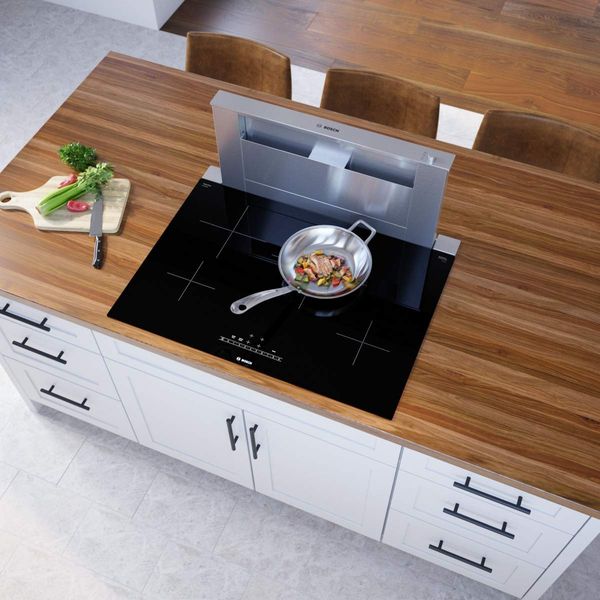
Induction cooktops use new technology to heat pots and pans quickly. They work differently than traditional cooktops. Instead of heating the surface, induction heats the cookware itself.
This method saves energy and cooks food faster. Many people choose induction for its speed and control. It also keeps the kitchen cooler and safer.
How Induction Cooktops Work
Induction cooktops use magnetic fields to heat cookware. An electric coil under the glass surface creates a magnetic field. This field heats only pots made of metal that reacts to magnets.
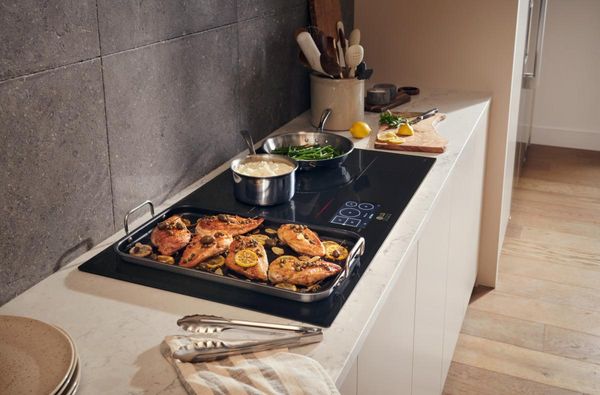
The cooktop surface stays cool, reducing burn risks. Heat transfers directly to the pan, so cooking is fast and even.
Common Features
Induction cooktops often include touch controls for easy use. Many have timers and temperature settings for precise cooking. Some models come with safety features like auto shut-off.
They usually have smooth surfaces that are easy to clean. Most cooktops have multiple cooking zones for different pot sizes.
Pros And Cons
Pros include fast heating and energy efficiency. They offer precise temperature control and a cool surface. Induction cooktops are also safer for homes with children.
Cons include the need for compatible cookware. Glass or aluminum pots will not work. Induction cooktops can be more expensive than other types.
Some users find the electromagnetic field uncomfortable. Noise from fans or buzzing pots may occur during use.
Performance Comparison
Comparing the performance of radiant and induction cooktops helps choose the right one. Both types cook food but work differently. Knowing their strengths guides your decision for daily cooking needs.
Heating Speed And Efficiency
Induction cooktops heat food faster than radiant ones. They use magnetic energy that directly warms the pot. Radiant cooktops heat the surface first, then the pot. This method takes more time and wastes heat.
Induction is more efficient. It uses less electricity because it heats only the cookware. Radiant cooktops lose heat to the air around them. This difference makes induction better for quick cooking.
Temperature Control
Induction cooktops offer precise temperature control. Changes happen instantly. You can quickly lower or raise the heat with a touch. Radiant cooktops respond slower to temperature changes. They keep heating even after you turn them down.
Precise heat is key for delicate dishes. Induction cooktops excel here. Radiant cooktops may cause overcooking or burning without careful attention.
Cooking Results
Induction cooktops cook food evenly. The heat spreads quickly across the pot. This helps avoid hot spots and burns. Radiant cooktops may have uneven heat. It can cause some parts of the food to cook faster.
Both cooktops can make good meals. Induction’s fast and even heat often leads to better texture and flavor. Radiant cooktops need more skill to get the same results.
Safety And Maintenance
Safety and maintenance play a big role in choosing between radiant and induction cooktops. Understanding their safety features and how easy they are to clean helps make a smart choice. Both types have unique benefits that affect daily use and care.
Safety Features
Induction cooktops use magnetic fields, so the surface stays cool. This lowers the chance of burns and fire. They also stop heating if no pot is detected. Radiant cooktops heat the glass surface directly, which can stay hot longer. They often have hot surface indicators to warn users. Both types usually include automatic shut-off for extra safety.
Cleaning And Upkeep
Induction cooktops have flat, smooth surfaces that are easy to wipe clean. Spills do not burn onto the surface since it stays cooler. Radiant cooktops also have smooth tops but get hotter. Spills can burn and stick, making cleaning harder. Both need gentle cleaners to avoid scratches. Regular wiping keeps them looking new and working well.
Energy Consumption And Costs
Energy use and costs matter a lot when choosing a cooktop. Different types use power in different ways. Understanding this can help you save money and energy over time.
Energy Efficiency
Induction cooktops use electricity directly to heat pots and pans. This means less energy is lost as heat. Radiant cooktops heat the element first, then the pan. This process wastes more energy.
Induction cooktops can be up to 90% efficient. Radiant cooktops usually have around 65% efficiency. This higher efficiency means induction models use less power for the same cooking tasks.
Initial And Long-term Costs
Radiant cooktops often cost less to buy. Induction cooktops tend to be pricier upfront. This might make radiant options more attractive at first glance.
Induction cooktops save money in the long run. Their higher efficiency reduces electricity bills. Radiant cooktops may cost more over time due to energy waste. Also, induction models heat food faster, saving cooking time and energy.
Credit: www.arizonaapplianceandhome.com
Cookware Compatibility
Choosing the right cookware is key for cooktop performance. Different cooktops need different pots and pans. Cookware compatibility affects cooking speed and safety. Understanding which types work best helps avoid kitchen problems.
Suitable Cookware Types
Radiant cooktops work with almost any cookware. Glass, ceramic, aluminum, stainless steel, and cast iron all heat well. These cooktops use electric coils under a glass surface. Heat passes through the glass to the cookware.
Induction cooktops need special cookware. The pot or pan must be magnetic. Cast iron and some stainless steel are perfect choices. Aluminum, copper, and glass do not work unless they have a magnetic base.
Limitations And Adaptations
Radiant cooktops have no major cookware limits. Use any flat-bottomed pot for best contact. Uneven bottoms can cause slower heating.
Induction cooktops only work with magnetic cookware. Use a magnet to test pots before buying. Special adapters can help. These adapters sit between the cooktop and non-magnetic cookware. They allow cooking but reduce efficiency.
User Experience And Convenience
User experience and convenience play a big role in choosing between radiant and induction cooktops. Cooking should feel easy and comfortable. The cooktop must fit your daily needs and kitchen style. This section explores how each cooktop scores in ease of use, noise levels, and look.
Ease Of Use
Radiant cooktops work like traditional electric stoves. They heat the surface below the pan. You can use any pot or pan type. Controls are simple and easy to understand. Heat changes slower but steady. Induction cooktops heat only the pan directly. They need magnetic cookware like cast iron or steel. Induction heats up faster and offers precise temperature control. The flat surface is easy to clean. Some users find induction controls more modern but less familiar.
Noise Levels
Radiant cooktops are mostly silent. You hear only the sound of cooking. Induction cooktops sometimes produce a low humming or buzzing sound. This happens during high heat or with certain pans. The noise is usually quiet and not distracting. People sensitive to noise may prefer radiant cooktops. Both types are quieter than gas stoves.
Aesthetic Appeal
Radiant cooktops have a smooth glass surface with glowing red rings. They add a warm look to the kitchen. Induction cooktops have a sleek, modern design. The surface stays cool except under the pan. It offers a clean, minimalist style. Both types blend well with contemporary kitchens. Induction cooktops often look more high-tech and stylish.
Choosing The Right Cooktop
Choosing the right cooktop is important for your kitchen and daily cooking. It affects how you prepare meals and how much energy you use. Both radiant and induction cooktops have their strengths. Understanding your needs helps you pick the best one.
Lifestyle Considerations
Think about how often you cook and what you cook. Radiant cooktops work well for slow cooking and simmering. Induction cooktops heat food faster and are good for quick meals. Safety matters too. Induction stays cool on the surface, making it safer for homes with kids.
Budget Factors
Radiant cooktops usually cost less upfront. Induction cooktops can be pricier but save energy over time. Consider the cost of cookware as well. Induction needs magnetic pots and pans. Radiant cooktops work with most types of cookware.
Kitchen Setup
Check your kitchen’s power supply. Induction cooktops need a strong electrical connection. Radiant cooktops are easier to install in many kitchens. Also, think about space. Some cooktops fit better in small kitchens, while others need more room.
Frequently Asked Questions
Which Cooktop Heats Faster: Radiant Or Induction?
Induction cooktops heat faster than radiant ones. Induction uses electromagnetic energy, providing instant heat. Radiant cooktops rely on electric coils, which take longer to warm up. For quick cooking, induction is the better choice.
Are Radiant Cooktops Energy Efficient?
Radiant cooktops are less energy efficient than induction cooktops. They lose more heat during cooking since they rely on electric coils. Induction cooktops transfer heat directly to the cookware, reducing energy waste and saving electricity.
Which Cooktop Is Safer: Radiant Or Induction?
Induction cooktops are safer than radiant ones. Induction only heats the cookware, keeping the cooktop surface cooler. Radiant cooktops remain hot after cooking, increasing the risk of burns. Induction is ideal for families with children.
Can All Cookware Be Used On Induction Cooktops?
No, not all cookware works on induction cooktops. Cookware must be magnetic, such as cast iron or stainless steel. Non-magnetic materials like aluminum or glass won’t work unless they have a magnetic base. Always check compatibility before buying.
Conclusion
Choosing between radiant and induction cooktops depends on your needs. Radiant cooktops work well with all pots and heat evenly. Induction cooktops heat faster and save energy. They are also safer since the surface stays cool. Consider your budget, cooking habits, and kitchen setup.
Both types have pros and cons. Think about what matters most to you. This helps pick the right cooktop for your home. Cooking becomes easier with the right choice. Your kitchen will feel more comfortable and efficient.

Hello, This is Annie Walker, a 38-year-old blogger, founder, and editor of Cookware Guider from NY, USA. I am a cookware fanatic and passionate cooker. I love to cook with different types of cooking appliances (example: all types of cookware, rice cookers, slow cookers, etc) almost every day in my kitchen. I love to share my experience with my readers in my blog. Also, I enjoy helping people to solve their problems through my website. You can follow me on Twitter & Pinterest. To know details about my blog please check the about us page.