
Are you curious about how much power your induction cooktop uses? Understanding how many watts an induction cooktop consumes can help you save energy and manage your electricity bill better.
Whether you’re thinking of buying one or already have one in your kitchen, knowing the wattage is key to using it efficiently. You’ll discover exactly how many watts an induction cooktop needs and what that means for your cooking and your wallet.
Keep reading—you’ll be surprised at how this simple knowledge can make a big difference in your daily cooking routine.
Credit: www.youtube.com
Induction Cooktop Basics
Understanding the basics of induction cooktops helps to see their power needs and functions. These cooktops use electricity but cook food differently than regular stoves. They heat pots and pans directly, which saves time and energy.
Knowing how they work and their parts makes it easier to choose the right model and wattage for your kitchen.
How Induction Cooking Works
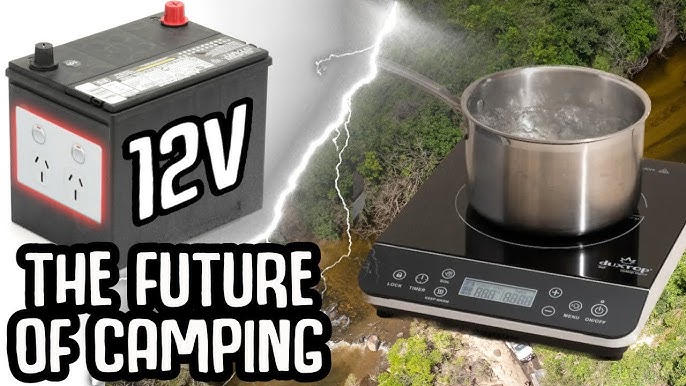
Induction cooktops use magnetic fields to heat pots and pans. The cooktop creates an electromagnetic field below the surface. This field causes the metal in the cookware to heat up. The cooktop itself stays cool because it only heats the pan. This method cooks food fast and uses less energy.
Key Components Of Induction Cooktops
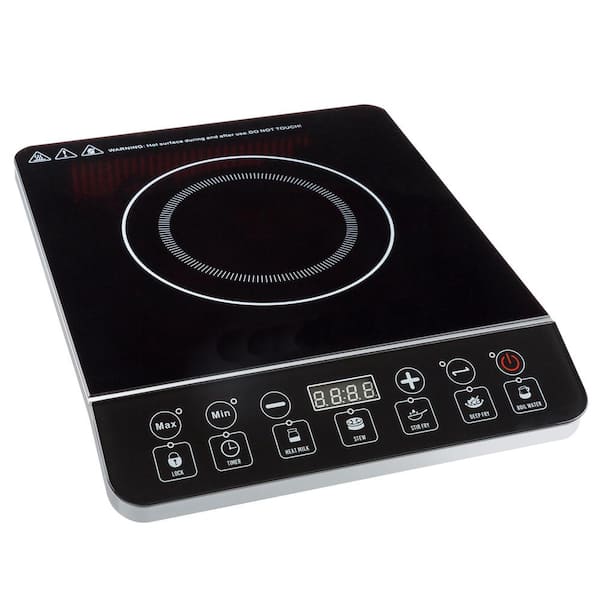
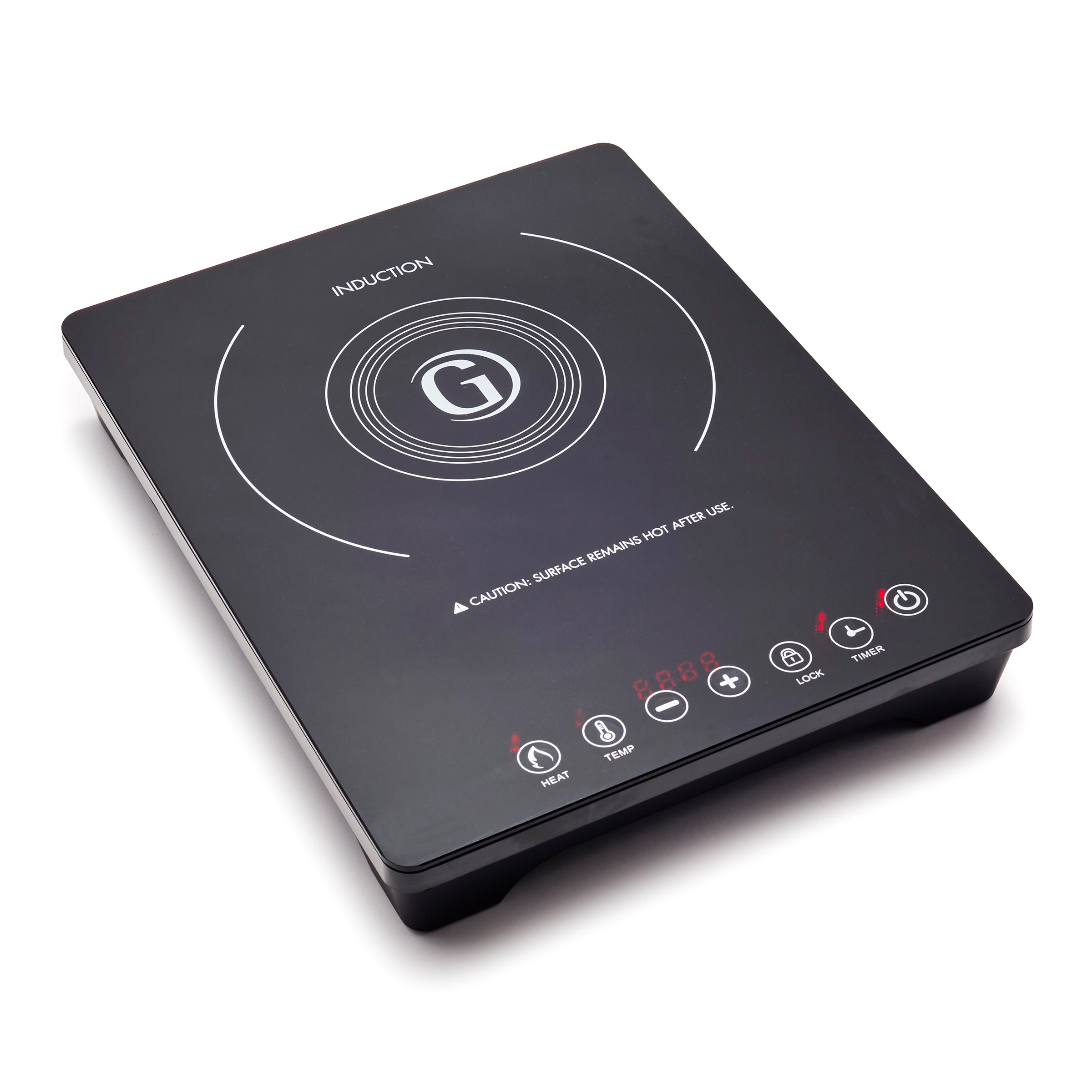
Induction cooktops have several important parts. The coil or induction element creates the magnetic field. A glass or ceramic surface covers the coil and supports the cookware. Sensors detect the pot or pan size and adjust the power. A control panel lets users set the temperature and timer. These parts work together to cook food quickly and safely.
Credit: www.homedepot.com
Typical Wattage Range
Induction cooktops use electricity to heat pots and pans quickly. The wattage shows how much power the cooktop uses. Knowing the typical wattage helps you understand its cooking speed and energy use. Most induction cooktops have a range of wattages. This range changes depending on the power level you pick and the model you own.
Low, Medium, And High Power Settings
Induction cooktops often have different power settings. Low settings usually use 500 to 1000 watts. This setting is good for simmering or melting. Medium power settings range from about 1000 to 1800 watts. They work well for regular cooking tasks like boiling or frying. High power settings can use 1800 to 3000 watts or more. This level heats food fast and is good for searing or boiling large amounts.
Wattage Variations By Brand And Model
Each brand and model can have different wattage ranges. Some brands focus on energy saving and offer lower wattage options. Others design high-watt cooktops for faster cooking. The size of the cooking zones also affects wattage. Larger zones often use more power. Checking the product details helps find the right wattage for your kitchen.
Comparing Induction To Other Cooktops
Comparing induction cooktops to other types helps understand their power and efficiency. Different cooktops use different amounts of electricity and heat. This affects cooking speed and energy bills. Let’s explore how induction stacks up against gas and electric cooktops.
Wattage Differences With Gas And Electric
Induction cooktops usually use between 1,200 and 3,700 watts. Gas cooktops do not use electricity but rely on natural gas or propane. Electric coil cooktops use about 1,000 to 3,000 watts. Induction tends to use more watts but heats faster. This means less cooking time overall.
Energy Efficiency And Power Use
Induction cooktops transfer heat directly to the pan. This makes them about 80-90% efficient. Gas cooktops lose a lot of heat to the air, around 40% efficiency. Electric coil cooktops are about 70% efficient. Using less energy means lower bills and less waste. Induction cooktops save energy by cooking quicker and cleaner.
Factors Affecting Power Consumption
Power consumption of an induction cooktop depends on several key factors. These factors affect how much electricity the cooktop uses during cooking. Understanding them helps in choosing the right cooktop for your kitchen and managing energy use effectively.
Cookware Compatibility
Induction cooktops work by creating a magnetic field. This field heats the cookware directly. Only certain cookware materials, like cast iron or stainless steel, work well. Non-magnetic cookware will not heat efficiently. Using the right pots and pans reduces energy waste. Proper cookware ensures faster heating and lower power use.
Cooktop Size And Number Of Burners
Cooktops come in different sizes with varying burner counts. Larger cooktops with more burners use more power. Each burner has its own wattage rating. Using multiple burners at the same time increases total power consumption. Smaller cooktops with fewer burners use less electricity. Choose a cooktop size that matches your cooking needs to save energy.
Choosing The Right Wattage
Choosing the right wattage for an induction cooktop is important. It affects cooking speed and energy use. Picking the right power level means better results and less energy waste. Wattage varies by model and size. Understanding your cooking needs and home setup helps pick the best wattage.
Cooking Needs And Power Levels
Different cooking tasks need different power levels. High wattage heats food fast. Good for boiling water or frying. Lower wattage works for simmering or slow cooking. Think about meals you cook most. Choose a wattage that fits these tasks. Some cooktops offer adjustable power settings. That gives more control in the kitchen.
Space And Electrical Requirements
Check your kitchen space before choosing wattage. Larger cooktops usually need more power. Make sure your electrical system supports the cooktop’s wattage. High wattage cooktops may need special wiring. This can mean higher installation costs. Confirm your home can handle the electrical load safely. Proper setup prevents power issues and hazards.
Credit: www.greenpan.us
Power Tips For Induction Cooking
Induction cooktops use electricity differently than traditional stoves. Understanding power use helps save energy and cook better. These power tips will improve your induction cooking experience. They focus on using power wisely and keeping your cooktop safe.
Maximizing Efficiency
Choose cookware that fits the cooking zone. Smaller pots use less power. Keep the base of your pots flat and clean. This helps the cooktop transfer heat better. Use the right power level for your cooking task. High power is good for boiling. Lower power works well for simmering. Turn off the cooktop a few minutes before the food is ready. The heat left will finish the cooking. This saves electricity and prevents burning.
Safety And Maintenance
Always clean the cooktop surface after use. Dirt and spills can block heat transfer. Avoid scratching the glass surface. Use soft cloths and gentle cleaners. Check the power cord regularly for damage. Do not use the cooktop if the cord is frayed. Keep the cooktop dry to prevent electrical issues. Follow the manufacturer’s instructions for maintenance. This keeps your cooktop safe and working well.
Frequently Asked Questions
How Many Watts Does A Typical Induction Cooktop Use?
A typical induction cooktop uses between 1,200 and 3,700 watts. Power varies based on burner size and settings. Higher wattage allows faster heating and better cooking efficiency.
Can Wattage Affect Induction Cooktop Cooking Speed?
Yes, wattage directly impacts cooking speed on induction cooktops. Higher wattage burners heat food faster and more evenly. Lower wattage models may cook slower but consume less energy.
What Wattage Is Ideal For Home Induction Cooktops?
An ideal wattage for home induction cooktops ranges from 1,800 to 3,000 watts. This range balances fast cooking with energy efficiency. It suits most household cooking needs effectively.
Do Induction Cooktops Use More Watts Than Gas Stoves?
Induction cooktops generally use more watts but are more energy efficient. They convert electricity directly into heat, reducing energy loss compared to gas stoves.
Conclusion
An induction cooktop usually uses between 1200 and 3500 watts. This range depends on the model and the number of burners. Knowing the wattage helps plan your kitchen’s power needs. It also guides you in choosing the right cooktop for your home.
Wattage affects cooking speed and energy use. A higher watt cooktop cooks food faster but uses more electricity. Choose a cooktop that fits your cooking style and energy budget. Understanding watts makes cooking easier and more efficient. Simple and clear.

Hello, This is Annie Walker, a 38-year-old blogger, founder, and editor of Cookware Guider from NY, USA. I am a cookware fanatic and passionate cooker. I love to cook with different types of cooking appliances (example: all types of cookware, rice cookers, slow cookers, etc) almost every day in my kitchen. I love to share my experience with my readers in my blog. Also, I enjoy helping people to solve their problems through my website. You can follow me on Twitter & Pinterest. To know details about my blog please check the about us page.