
Are you thinking about upgrading your kitchen and wondering if a ceramic cooktop is the same as a glass cooktop? It’s easy to get confused because both look sleek and shiny, but there are important differences that could affect your cooking and cleaning experience.
Understanding these differences can help you choose the right cooktop for your needs and avoid costly mistakes. Keep reading to discover what sets ceramic and glass cooktops apart and which one fits your kitchen best.
Ceramic Cooktop Basics
Ceramic cooktops are popular for modern kitchens. They offer a smooth, flat cooking surface. Understanding the basics helps you decide if a ceramic cooktop fits your needs.
These cooktops blend style and function. They look sleek and are easy to clean. Many wonder if ceramic cooktops are the same as glass cooktops. Let’s explore their key features.
Material And Design
Ceramic cooktops use a special glass-ceramic material. It is strong and heat resistant. The surface looks shiny and smooth. This design allows quick heating and cooling. The glass-ceramic is different from regular glass. It handles heat changes without breaking.
Heat Distribution
Heat spreads evenly across the ceramic surface. This helps cook food uniformly. The cooktop heats only where the burner is. The rest of the surface stays cool. This feature improves safety and energy use.
Common Features
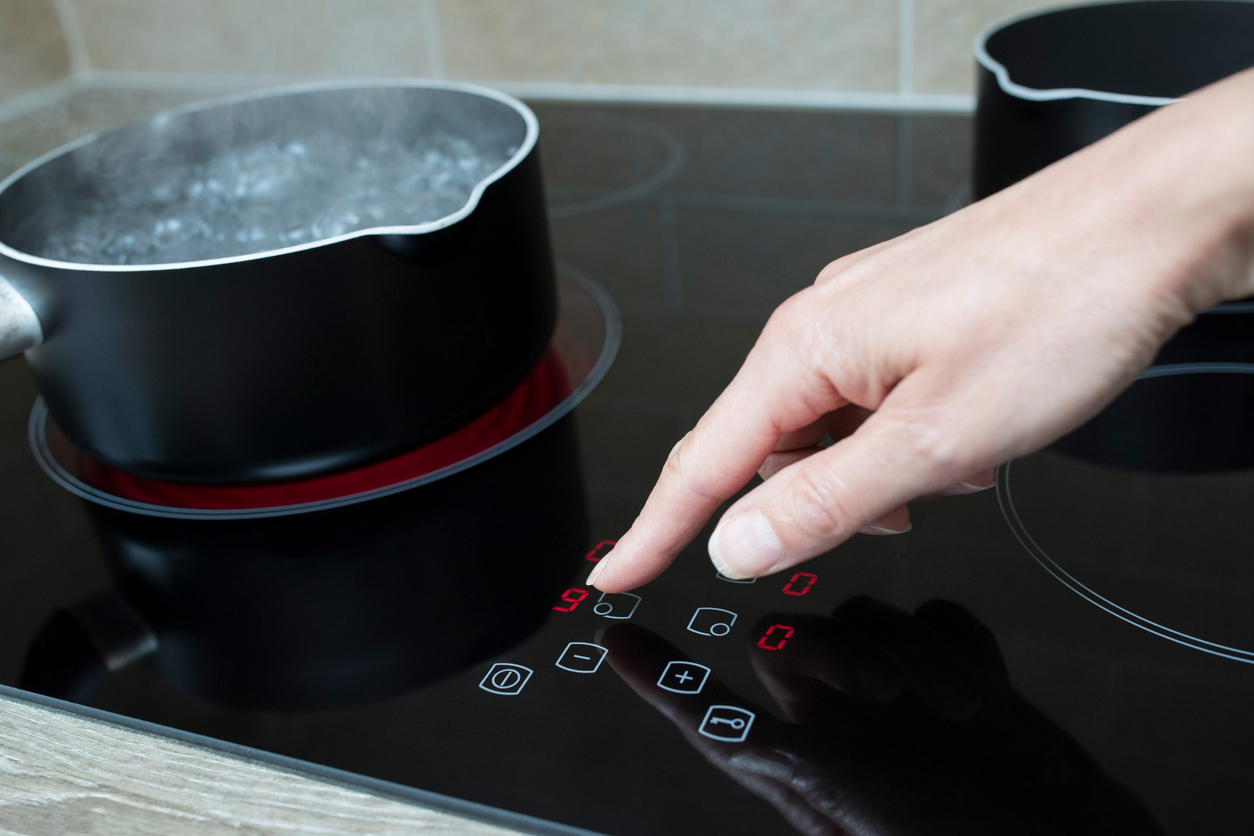
Ceramic cooktops often include touch controls. They have indicator lights to show hot areas. Many models have timers and automatic shut-off. Some cooktops support different pot sizes. These features make cooking easier and safer.
Glass Cooktop Essentials
Glass cooktops are common in many kitchens today. They offer a smooth and modern look. These cooktops are easy to clean and maintain. Understanding their basics helps you decide if they fit your cooking style.
Material Composition
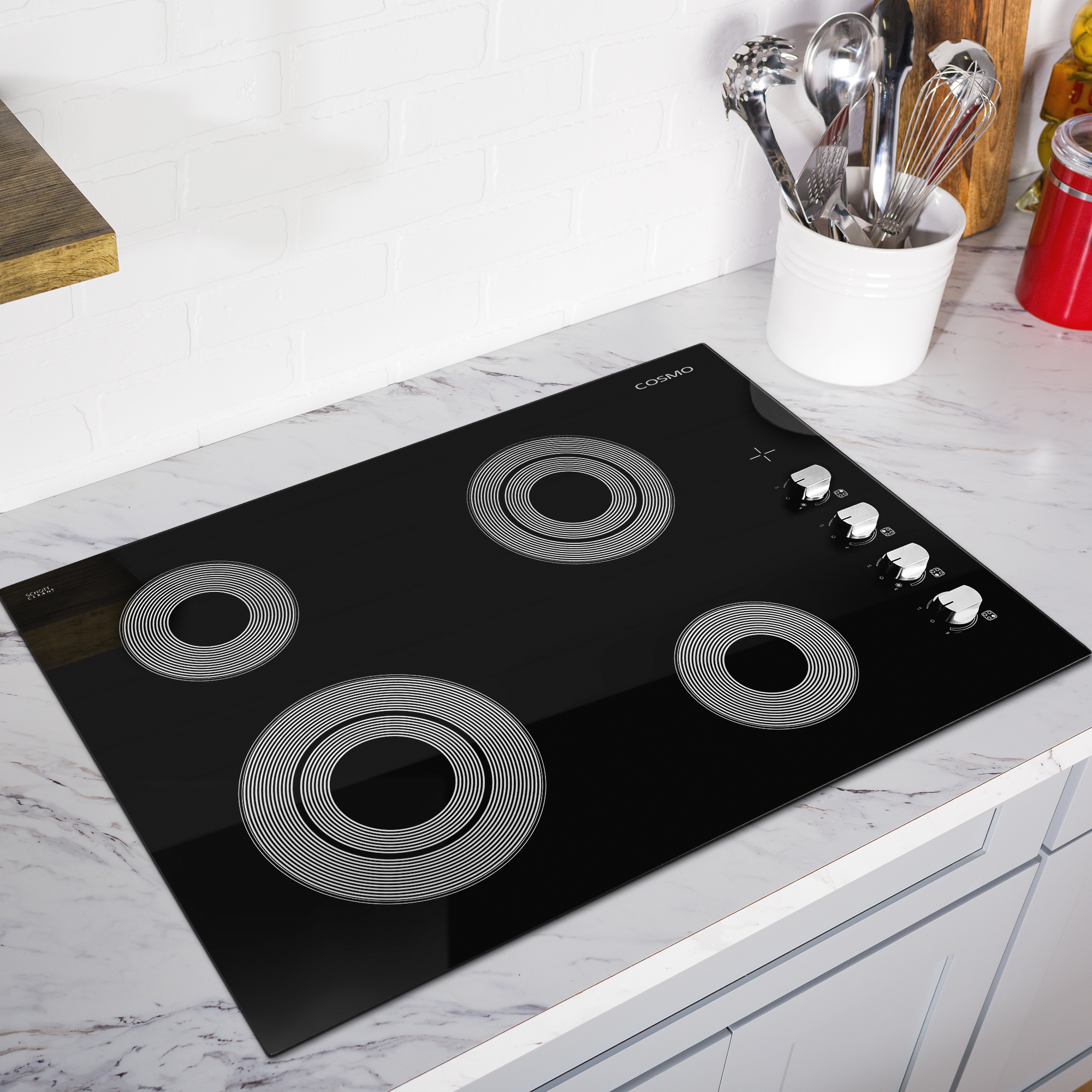
Glass cooktops are made from a type of toughened glass. This glass is usually ceramic glass, designed to handle heat and pressure. It looks shiny and smooth, which adds style to any kitchen. The surface is made to resist scratches and cracks.
Heat Transfer
Heat comes from electric coils or radiant elements under the glass. The glass surface stays cooler than the heating element. It spreads heat evenly to the pot or pan above. This helps cook food more evenly and prevents hot spots.
Popular Attributes
Glass cooktops are popular for their sleek design. They blend well with modern kitchen appliances. Cleaning is simple since the surface is flat and smooth. They save space and have touch controls. Users like how easy it is to wipe spills away.
Surface Material Differences
The surface material plays a big role in how a cooktop works and lasts. Ceramic and glass cooktops look similar but differ in some key ways. These differences affect durability, how they handle scratches and stains, and how easy they are to clean. Understanding these points helps you pick the right cooktop for your kitchen.
Durability Comparison
Ceramic cooktops are made from a mix of glass and other materials. This mix makes them strong and able to handle heat well. Glass cooktops are usually made from a single glass sheet. This makes them smooth but less tough than ceramic. Ceramic surfaces resist heat better and last longer under heavy use.
Scratch And Stain Resistance
Ceramic cooktops resist scratches better than glass. The added materials in ceramic protect it from daily wear. Glass cooktops are more prone to scratches and visible marks. Both surfaces can stain if spills are not cleaned quickly. Ceramic handles stains a bit better due to its composition.
Cleaning And Maintenance
Ceramic cooktops clean easily with a soft cloth and mild cleaner. Their surface resists sticking and burns. Glass cooktops need gentle cleaning to avoid scratches. Both should be cleaned after each use to keep their shine. Avoid rough scrubbing tools on both surfaces to prevent damage.
Heating Technology Variations
Understanding the heating technology behind ceramic and glass cooktops helps choose the right one. These cooktops look similar but use different heating methods. This affects cooking speed, control, and energy use. Let’s explore the key differences in heating technology.
Radiant Vs Induction Heating
Ceramic cooktops often use radiant heating. This means electric coils heat the glass surface. The heat then transfers to the pot or pan. Glass cooktops can also have radiant or induction heating. Induction uses magnets to heat the cookware directly. It heats faster than radiant and feels cooler to touch.
Temperature Control
Radiant cooktops take time to change temperature. The glass surface stays hot after cooking. Induction cooktops adjust heat quickly. They cool down fast once switched off. This makes induction better for precise cooking. Ceramic radiant cooktops may not offer as fine control.
Energy Efficiency
Induction cooktops use less energy. They heat only the pan, not the cooktop surface. Radiant cooktops lose heat to the air. This wastes energy and slows cooking. Glass cooktops with induction save energy compared to ceramic radiant types.
Safety And Usability
Safety and usability are key factors when choosing between a ceramic cooktop and a glass cooktop. Both types look similar but have differences that affect how safe and easy they are to use. Understanding these aspects helps you pick the right option for your kitchen.
Heat Retention
Ceramic cooktops hold heat longer than glass cooktops. This means the surface stays hot even after you turn off the burner. It can cause burns if you touch it by mistake. Always wait for the surface to cool before cleaning or touching.
User Interface
Most ceramic and glass cooktops have touch controls or knobs. Touch controls are easy to clean but need careful use. Knobs give quick control but can be harder to clean. Both types offer clear displays to show heat levels and timers.
Child Safety Features
Both cooktops often include child safety locks to prevent accidental use. Some models have automatic shut-off systems that turn off the heat after no activity. These features protect children from burns and keep your kitchen safer.
Credit: www.bloombrotherssupply.com
Cost And Availability
Cost and availability play a big role in choosing between ceramic and glass cooktops. Both types have their own price points and options. Understanding these differences helps buyers pick the best fit for their budget and needs. Availability also varies by brand and region, affecting how easy it is to find the right model.
Price Range Differences
Ceramic cooktops usually cost more than glass cooktops. The price depends on size, features, and brand. Glass cooktops can be less expensive but may have fewer features. Buyers should compare prices carefully to find the best value.
Brand Options
Many brands offer both ceramic and glass cooktops. Some brands focus more on ceramic models, while others specialize in glass. Availability depends on the local market and supplier stock. Checking multiple brands gives more choices.
Warranty And Support
Warranties often vary by cooktop type and brand. Ceramic cooktops may have longer warranties due to durability. Support services differ, so buyers should review warranty terms closely. Good support ensures easier repairs and maintenance.
Choosing Between Ceramic And Glass
Choosing between ceramic and glass cooktops requires understanding their differences. Both look sleek and modern but vary in features. Knowing your needs helps pick the right cooktop for your kitchen.
Cooking Style Considerations
Ceramic cooktops heat evenly and keep warmth longer. They suit slow cooking and simmering well. Glass cooktops heat up fast and cool quickly. They work best for quick meals and precise temperature control.
Kitchen Design Compatibility
Ceramic cooktops have a smooth, shiny surface that fits many kitchen styles. Glass cooktops offer a glossy finish that adds a touch of elegance. Both blend easily with modern or traditional kitchens.
Long-term Value
Ceramic cooktops are durable and resist scratches well. They last long with proper care. Glass cooktops need careful handling to avoid cracks. Both offer good value but vary in maintenance needs.
Credit: www.danielappliance.com
Credit: cosmoappliances.com
Frequently Asked Questions
What Is The Difference Between Ceramic And Glass Cooktops?
Ceramic cooktops have a smooth, heat-resistant surface made from glass-ceramic material. Glass cooktops refer to any cooktop with a glass surface, including ceramic types. The main difference is that ceramic is a specific type of glass designed for high heat and durability.
Are Ceramic Cooktops Safer Than Glass Cooktops?
Ceramic cooktops are generally safer due to their heat resistance and smooth surface. They cool down faster and reduce burn risks. Glass cooktops vary in safety depending on the type of glass used, so ceramic options are often preferred for safety.
How Do Ceramic And Glass Cooktops Compare In Cleaning?
Both ceramic and glass cooktops are easy to clean with a soft cloth and mild cleaner. Ceramic’s smooth surface resists stains and spills well. Glass cooktops may show fingerprints and smudges more easily but clean similarly.
Can I Use The Same Cookware On Ceramic And Glass Cooktops?
Yes, both ceramic and glass cooktops work best with flat-bottomed cookware. Use pots and pans made of stainless steel, cast iron, or heavy aluminum for optimal heat distribution and to avoid surface damage.
Conclusion
Ceramic and glass cooktops look alike but have small differences. Both offer a smooth, easy-to-clean surface. Ceramic cooktops often use a special layer for heat, while glass cooktops focus on style and design. Choosing between them depends on your cooking habits and kitchen needs.
Both types cook food efficiently and fit modern kitchens well. Understanding these points helps you pick the right cooktop. Simple care keeps either cooktop working well for years. Now you know how ceramic and glass cooktops compare.

Hello, This is Annie Walker, a 38-year-old blogger, founder, and editor of Cookware Guider from NY, USA. I am a cookware fanatic and passionate cooker. I love to cook with different types of cooking appliances (example: all types of cookware, rice cookers, slow cookers, etc) almost every day in my kitchen. I love to share my experience with my readers in my blog. Also, I enjoy helping people to solve their problems through my website. You can follow me on Twitter & Pinterest. To know details about my blog please check the about us page.