
Cooking perfect white rice might seem simple, but getting it just right can be tricky. Have you ever ended up with rice that’s too sticky or too dry?
You’re not alone. The good news is, with a few easy steps, you can make fluffy, delicious white rice every time. This guide will show you exactly how to cook white rice so it turns out perfect for your meals.
Ready to master this kitchen essential? Keep reading—you’ll never look at rice the same way again.
:max_bytes(150000):strip_icc()/__opt__aboutcom__coeus__resources__content_migration__simply_recipes__uploads__2020__02__HTC-White-Rice-Lead-3-5073a46b67124ca8b405143cd373da0c.jpg)
Credit: www.simplyrecipes.com
Choosing The Right Rice
Choosing the right rice is key to cooking perfect white rice every time. The type of rice affects taste, texture, and cooking time. Picking quality grains ensures your dish tastes fresh and delicious. This section explains different types of white rice and tips for selecting the best grains.
Types Of White Rice
White rice comes in several varieties, each with unique features. Knowing the differences helps you pick the best option for your meal. Here are the main types of white rice:
- Long-grain rice: Slim and long, stays separate and fluffy after cooking. Ideal for pilafs and salads.
- Medium-grain rice: Shorter and wider than long-grain. It is softer and slightly sticky, good for paella and risotto.
- Short-grain rice: Almost round and very sticky when cooked. Perfect for sushi and dishes needing clumped rice.
- Parboiled rice: Partially boiled in the husk before milling. It has firmer texture and retains more nutrients.
| Type | Texture | Best Use |
|---|---|---|
| Long-grain | Fluffy, separate grains | Side dishes, salads |
| Medium-grain | Moist, slightly sticky | Paella, risotto |
| Short-grain | Sticky, clumps together | Sushi, rice balls |
| Parboiled | Firm, less sticky | Healthier option, pilafs |
Choosing the right type depends on your recipe and personal taste. Long-grain rice is the most popular for everyday meals. Short-grain rice fits recipes where stickiness is needed.
Selecting Quality Grains
Quality grains make a big difference in cooking white rice. Fresh, clean rice cooks evenly and tastes better. Follow these tips to select the best rice:
- Check the packaging date: Rice is best used within a year of harvest for freshness.
- Look for uniform grains: Grains should be similar in size and color with no broken pieces.
- Avoid clumps or dirt: Clumped rice may be old or moist, affecting cooking.
- Buy reputable brands: Trusted brands usually maintain high quality and proper storage.
Store rice in a cool, dry place in an airtight container. This prevents moisture and pests. Good storage keeps rice fresh longer.
Here’s a simple checklist for selecting quality white rice:
- Fresh packaging date
- No broken or discolored grains
- Clean and dry grains
- Proper storage conditions
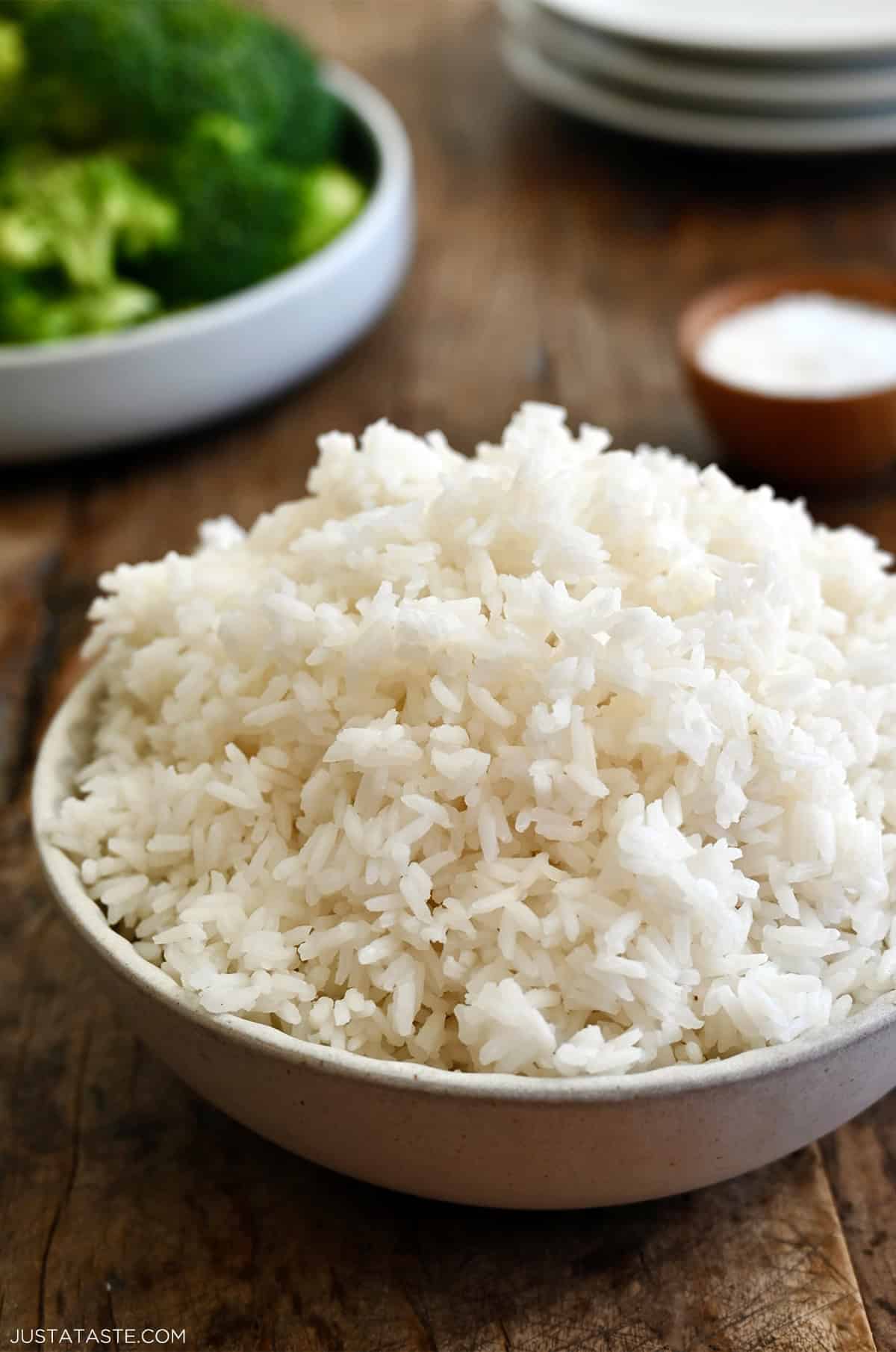
Credit: www.justataste.com
Preparing Rice For Cooking
Preparing rice for cooking is the first step to making perfect white rice. Proper preparation helps the rice cook evenly and improves its texture. It also removes impurities and extra starch. These steps are simple but very important. Good preparation makes the rice fluffy and less sticky.
Washing And Rinsing
Washing and rinsing white rice removes dust, dirt, and excess starch. This process prevents the rice from becoming too sticky or gummy after cooking. Start by placing the rice in a bowl or fine mesh strainer. Use cold water to rinse the rice gently.
- Rinse 3 to 4 times: Pour water over the rice and swirl it with your hand. Drain the water and repeat until it runs almost clear.
- Use cold water: Cold water helps keep the grains firm during rinsing.
- Be gentle: Avoid rubbing the rice too hard to prevent breaking the grains.
Here is a simple table to show the steps:
| Step | Action | Purpose |
|---|---|---|
| 1 | Place rice in bowl or strainer | Prepare for rinsing |
| 2 | Add cold water and swirl gently | Remove dirt and starch |
| 3 | Drain water | Get rid of cloudy water |
| 4 | Repeat 3-4 times | Ensure rice is clean |
Washing rice properly improves its taste and texture. It also makes the rice healthier by removing dust or small stones that may be present.
Soaking Benefits
Soaking rice before cooking helps the grains absorb water. This allows rice to cook faster and more evenly. Soaking also softens the rice, making it fluffier after cooking.
Here are the main benefits of soaking rice:
- Reduces cooking time: Soaked rice cooks quicker than dry rice.
- Improves texture: Grains become softer and less sticky.
- Enhances flavor: Soaking helps the rice taste better and more natural.
- Removes some starch: Makes the rice fluffier and less clumpy.
To soak rice:
- After washing, cover rice with cold water.
- Let it sit for 20 to 30 minutes.
- Drain the soaking water before cooking.
Soaking is especially useful for long-grain white rice. Short-grain rice may need less soaking time or none at all.
Cooking Methods
Cooking white rice can be simple and quick with the right method. Each cooking style offers unique benefits depending on your kitchen setup and time. Understanding different cooking methods helps achieve fluffy, perfectly cooked rice every time. Choose a method that fits your tools and schedule.
Stovetop Technique
The stovetop method is classic and widely used. It requires only a pot with a lid and some attention during cooking. Follow these steps for fluffy white rice:
- Rinse the rice: Rinse 1 cup of rice under cold water until the water runs clear. This removes excess starch.
- Measure water: Use 1.5 to 2 cups of water for every cup of rice. The exact amount depends on rice type.
- Bring to boil: Combine rice and water in a pot. Bring to a boil over medium-high heat.
- Simmer: Once boiling, reduce heat to low and cover with a tight lid.
- Cook: Let it cook for 18-20 minutes without lifting the lid.
- Rest: Turn off heat and let the rice sit, covered, for 5-10 minutes.
- Fluff: Use a fork to fluff the rice before serving.
| Step | Action | Time |
|---|---|---|
| 1 | Rinse rice | 1-2 minutes |
| 2 | Boil rice and water | 5-7 minutes |
| 3 | Simmer covered | 18-20 minutes |
| 4 | Rest covered | 5-10 minutes |
Tips: Avoid lifting the lid while cooking. Stirring breaks the grains and makes rice mushy.
Using A Rice Cooker
A rice cooker offers convenience and consistent results. It automates the cooking process, freeing you to do other tasks. Most rice cookers work similarly:
- Measure rice and water: Use the rice cooker’s measuring cup and water lines for best results.
- Rinse rice: Rinse to remove starch before adding to the cooker.
- Add rice and water: Place rinsed rice and correct water amount into the cooker.
- Start cooker: Close the lid and press the cook button.
- Wait: The cooker switches to warm mode when rice is done.
- Let it rest: Keep rice warm for 5-10 minutes before serving.
Rice cookers vary. Some have special settings for different rice types or textures. Check your manual for details.
| Rice Amount | Water Level | Cooking Time |
|---|---|---|
| 1 cup | 1.5 to 2 cups | 20-30 minutes |
| 2 cups | 3 to 4 cups | 30-40 minutes |
Benefits: No need to watch the pot. Perfect for beginners. Easy clean-up.
Microwave Method
The microwave method suits small portions and fast cooking. It requires a microwave-safe bowl with a lid or cover. Follow these steps:
- Rinse rice: Rinse 1 cup of rice under cold water.
- Combine rice and water: Use 2 cups of water per cup of rice in the microwave-safe bowl.
- Cover: Use a microwave-safe lid or wrap the bowl with microwave-safe plastic wrap, leaving a small vent.
- Cook: Microwave on high for 10 minutes.
- Reduce power: Then microwave on medium power for 15 minutes.
- Rest: Let it sit covered for 5 minutes after cooking.
- Fluff: Stir with a fork before serving.
Microwave ovens vary in power. Adjust cooking times if rice is not fully cooked.
| Step | Power Level | Time |
|---|---|---|
| 1 | High | 10 minutes |
| 2 | Medium | 15 minutes |
| 3 | Rest (no power) | 5 minutes |
Safety tip: Always use microwave-safe containers and never seal the bowl airtight.
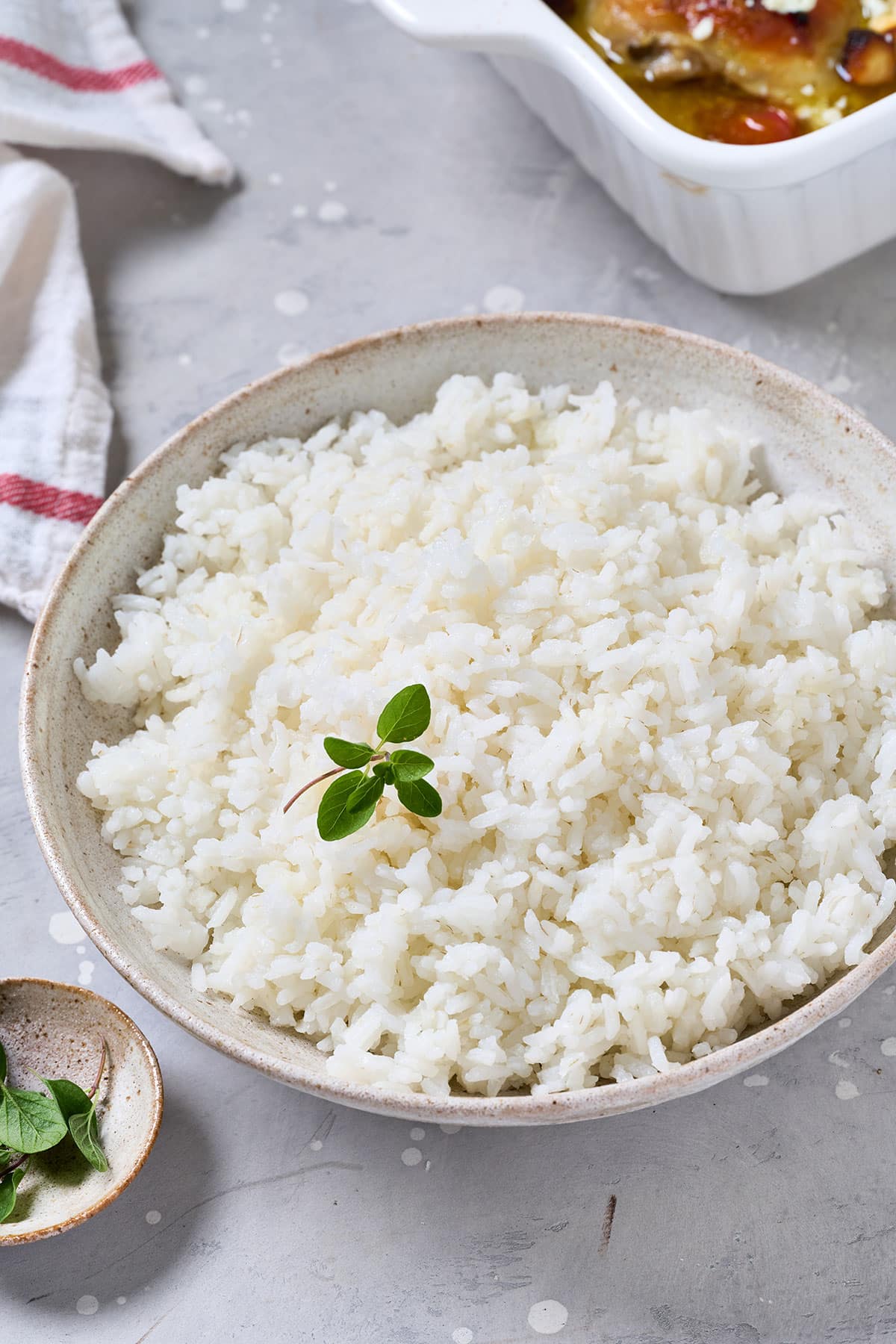
Credit: www.lemonblossoms.com
Water-to-rice Ratios
Water-to-rice ratios play a crucial role in cooking white rice perfectly. The amount of water used affects the rice’s texture and how well it cooks. Using too much water can make rice mushy, while too little water leaves it dry or undercooked. Understanding these ratios helps prepare fluffy, tender rice every time.
Standard Ratios
The most common water-to-rice ratio for white rice is 2:1, meaning two cups of water for every one cup of rice. This ratio works well for most types of white rice and produces soft, well-cooked grains. Here are some key points about standard ratios:
- Long-grain white rice: Use 2 cups of water per 1 cup of rice.
- Medium-grain white rice: Slightly less water, about 1.75 cups per 1 cup of rice.
- Short-grain white rice: About 1.5 to 1.75 cups of water per 1 cup of rice.
The cooking method also affects the ratio. For stovetop cooking, the 2:1 ratio is reliable. Rice cookers usually recommend similar amounts but check the manual.
| Rice Type | Water-to-Rice Ratio | Resulting Texture |
|---|---|---|
| Long-grain white rice | 2 cups water : 1 cup rice | Fluffy, separate grains |
| Medium-grain white rice | 1.75 cups water : 1 cup rice | Soft, slightly sticky |
| Short-grain white rice | 1.5 – 1.75 cups water : 1 cup rice | Sticky and tender |
Adjusting For Texture
Changing the water-to-rice ratio changes the rice texture. Use less water for firmer rice and more water for softer rice. Here’s how to adjust:
- For firmer rice: Reduce water to about 1.5 cups per 1 cup of rice. Rice will be drier and grains will stay separate.
- For softer rice: Increase water to 2.25 cups per 1 cup of rice. This makes the rice moister and stickier.
- For very sticky rice: Use 2.5 cups or more per 1 cup of rice. This is good for sushi or recipes needing sticky rice.
Other tips to control texture:
- Rinse rice before cooking to remove surface starch for fluffier grains.
- Let rice rest after cooking with the lid on for 5-10 minutes to absorb water evenly.
- Use less water if cooking rice in a pressure cooker or rice cooker, as steam cooks the rice faster.
Adjusting water amounts helps achieve the desired rice texture. Experiment with small batches to find the perfect ratio for your taste.
Seasoning And Flavoring
Seasoning and flavoring play a key role in making plain white rice more tasty and enjoyable. White rice has a mild taste, so adding simple ingredients can bring out better flavors. Small changes can turn basic rice into a delicious side dish. The right seasonings help rice match well with any meal. Below are two easy ways to add flavor: using salt and oils, and swapping water for broth.
Adding Salt And Oils
Adding salt is the easiest way to boost rice flavor. Salt enhances the natural taste of rice and balances its mildness. Use about 1/2 teaspoon of salt per cup of uncooked rice. Add salt to the cooking water before boiling. This ensures even seasoning throughout the rice.
Oils add richness and aroma. Common choices include:
- Olive oil: Gives a smooth, slightly fruity taste.
- Butter: Adds creaminess and a warm flavor.
- Sesame oil: Offers a nutty, distinct aroma.
Add 1 to 2 teaspoons of oil or melted butter to the pot before cooking. Stir it with the rice and water. This prevents rice from sticking and adds a nice shine.
| Ingredient | Amount per 1 Cup Rice | Flavor Effect |
|---|---|---|
| Salt | 1/2 teaspoon | Enhances natural flavor |
| Olive oil | 1 teaspoon | Smooth, fruity taste |
| Butter | 1 teaspoon | Creamy, warm flavor |
| Sesame oil | 1 teaspoon | Nutty aroma |
Use caution not to add too much oil, or the rice will become greasy. A little oil goes a long way. For a subtle taste, start with one teaspoon. Salt and oil work well together to create a base flavor for white rice. Adjust amounts to personal preference.
Using Broth Instead Of Water
Replacing plain water with broth is a simple way to add deep flavor to white rice. Broth contains herbs, spices, and seasonings that soak into the rice during cooking. This method boosts taste without extra steps.
Common broth choices include:
- Chicken broth: Mild and savory, works with most dishes.
- Vegetable broth: Light and fresh, good for vegetarian meals.
- Beef broth: Rich and hearty, pairs well with strong flavors.
Use the same amount of broth as you would water. For example, 2 cups broth for 1 cup uncooked rice. Bring broth to a boil, add rice, then reduce heat to low and simmer until done.
Broth adds color and aroma to rice. It also supplies extra nutrients compared to water. For extra flavor, try these ideas:
- Lightly sauté chopped onions or garlic in oil before adding broth and rice.
- Add a bay leaf or a few peppercorns to the broth while cooking.
- Mix in fresh herbs like parsley or cilantro after cooking.
Using broth is a great way to make white rice more exciting without much effort. It works well for everyday meals and special occasions.
Common Mistakes To Avoid
Cooking white rice seems simple, but many people make mistakes that spoil the texture and taste. Avoiding common errors helps produce fluffy, well-cooked rice every time. Focus on key steps and timing to get perfect results. Here are some common mistakes to avoid when cooking white rice.
Overcooking And Undercooking
Overcooked rice becomes mushy and sticky. Undercooked rice is hard and crunchy. Both ruin your meal’s quality. Timing and water amount are crucial to avoid these problems.
- Use the right water-to-rice ratio: Usually, 2 cups of water per 1 cup of rice.
- Set a timer: Cook white rice for about 18 minutes on low heat after boiling.
- Do not lift the lid: Keep the steam inside for even cooking.
Check the texture after cooking. If rice is too soft, reduce cooking time or water next time. If hard, add a small amount of hot water and cook a few minutes more.
| Problem | Cause | Solution |
|---|---|---|
| Overcooked Rice | Too much water or too long cooking | Use less water and shorten cooking time |
| Undercooked Rice | Too little water or not enough cooking time | Add hot water and cook a few minutes longer |
Skipping Rinsing
Rinsing rice removes excess starch and dust. Skipping this step can make rice sticky or gummy. Rinse rice under cold water until water runs clear.
This simple step improves texture and taste:
- Place rice in a fine mesh strainer.
- Rinse with cold water for 30 seconds to 1 minute.
- Gently rub grains with your fingers to remove starch.
- Drain well before cooking.
Rinsed rice cooks more evenly and separates better. It also removes any dirt or impurities. This step is especially important for long-grain white rice.
Remember: Skipping rinsing can lead to clumpy, sticky rice that sticks to the pot.
Storing And Reheating Cooked Rice
Cooking white rice is simple, but storing and reheating it properly keeps it fresh and safe to eat. Leftover rice can spoil quickly if not handled right. Learning the best ways to store and reheat cooked rice helps avoid waste and keeps your meals tasty. Below are clear tips on storing cooked rice safely and reheating it for the best texture and flavor.
Proper Storage Techniques
After cooking white rice, cool it quickly to prevent bacteria growth. Leaving rice at room temperature for too long can cause food poisoning. Follow these steps to store rice safely:
- Cool rice within 1 hour by spreading it on a clean tray or shallow container.
- Use airtight containers to keep rice fresh and stop it from absorbing odors.
- Store rice in the refrigerator at or below 40°F (4°C) for up to 4-6 days.
- Freeze rice if you want to keep it longer, for up to 1 month.
Keep an eye on rice quality. If it smells off or looks slimy, throw it away. Here is a simple table showing storage times for cooked rice:
| Storage Method | Maximum Storage Time |
|---|---|
| Refrigerator (40°F / 4°C) | 4 to 6 days |
| Freezer (0°F / -18°C) | Up to 1 month |
Label containers with the date to track freshness. Always reheat rice only once to avoid health risks.
Reheating Tips
Reheating white rice properly keeps it soft and safe to eat. Rice can dry out or become hard if not reheated well. Use these tips for the best results:
- Add moisture before reheating. Sprinkle water over rice or add a few drops of oil.
- Stir rice halfway through reheating to heat evenly.
- Use microwave or stovetop methods. Cover rice to trap steam and keep it moist.
- Heat rice until steaming hot all the way through to kill any bacteria.
Here is a quick guide for reheating rice safely:
- Place rice in a microwave-safe bowl.
- Sprinkle 1-2 tablespoons of water per cup of rice.
- Cover bowl with a microwave-safe lid or wrap.
- Microwave on high for 1-2 minutes.
- Stir rice and check temperature; heat more if needed.
For stovetop reheating, warm rice in a pan with a little water over low heat. Cover and stir often. Avoid reheating rice more than once.
Frequently Asked Questions
How Long Does It Take To Cook White Rice?
White rice typically takes 15 to 20 minutes to cook on the stovetop. Cooking times may vary based on the rice type and heat level. Using a rice cooker can simplify timing and ensure perfectly cooked rice every time.
What Is The Water-to-rice Ratio For White Rice?
The ideal water-to-rice ratio is usually 2:1, meaning two cups of water per one cup of rice. This ratio ensures fluffy, fully cooked rice without being too sticky or dry. Adjust slightly for different rice types or personal texture preferences.
Can I Cook White Rice Without Rinsing It?
Yes, you can cook white rice without rinsing, but rinsing removes excess starch. Rinsing rice results in fluffier grains and less stickiness. If you prefer sticky rice, skip rinsing. For most recipes, rinsing is recommended for better texture.
How Do I Prevent White Rice From Sticking?
To prevent sticking, rinse rice thoroughly and use the correct water ratio. Stir rice gently before cooking and avoid lifting the lid during cooking. Let rice rest covered for 5 minutes after cooking for better separation.
Conclusion
Cooking white rice is simple with the right steps. Rinse the rice to remove extra starch. Use the correct water-to-rice ratio for fluffy grains. Cook on low heat and avoid lifting the lid while cooking. Let the rice rest before serving.
This method works every time for soft, tasty rice. Enjoy your meals with perfectly cooked white rice. Practice these steps, and you will cook rice with ease.

Hello, This is Annie Walker, a 38-year-old blogger, founder, and editor of Cookware Guider from NY, USA. I am a cookware fanatic and passionate cooker. I love to cook with different types of cooking appliances (example: all types of cookware, rice cookers, slow cookers, etc) almost every day in my kitchen. I love to share my experience with my readers in my blog. Also, I enjoy helping people to solve their problems through my website. You can follow me on Twitter & Pinterest. To know details about my blog please check the about us page.