
If you’ve ever struggled with sticky or mushy rice, you’re not alone. Cooking basmati rice perfectly can feel tricky, but once you get it right, it transforms your meals with its light, fluffy texture and fragrant aroma.
Imagine serving rice that’s just right every time—grains that separate easily and taste amazing. In this guide, you’ll discover simple steps and insider tips to master cooking basmati rice, so you can impress your family and friends with every meal.
Keep reading, and you’ll never settle for less than perfect basmati rice again.
Choosing Basmati Rice
Choosing the right basmati rice is the first step to cooking a perfect, fluffy dish. Basmati rice varies in types and quality. Picking the best type ensures your meal tastes great and looks appetizing. Understanding these differences helps you avoid common cooking issues like mushy or sticky rice. Let’s explore the types of basmati rice and what to look for in quality.
Types Of Basmati Rice
Basmati rice comes in several varieties, each with unique features. The main types include white basmati, brown basmati, and aged basmati rice. Each type offers different flavors and cooking properties. Choosing the right type depends on your recipe and preference.
- White Basmati Rice: This is the most common type. It has a mild aroma and cooks quickly. The grains are long and slender.
- Brown Basmati Rice: This type has the bran layer intact, making it healthier. It has a nuttier flavor and takes longer to cook.
- Aged Basmati Rice: Aged for 1-2 years, this rice has a stronger aroma and cooks to fluffier, separate grains.
Here is a simple comparison table:
| Type | Cooking Time | Flavor | Texture |
|---|---|---|---|
| White Basmati | 15-20 minutes | Mild, fragrant | Light, fluffy |
| Brown Basmati | 40-45 minutes | Nuttier, earthy | Chewy, firm |
| Aged Basmati | 15-20 minutes | Stronger aroma | Fluffy, separate grains |
Choosing the right type will affect your cooking time and dish flavor. White basmati suits quick recipes, while aged basmati adds aroma and fluffiness.
Quality Indicators
Good quality basmati rice looks clean and smells fresh. Several signs help identify quality rice before cooking. Check these points to avoid poor results.
- Grain Length: High-quality basmati rice has long, slender grains. Short or broken grains indicate lower quality.
- Aroma: Fresh basmati rice has a nutty, floral smell. A weak or musty scent shows old or poor rice.
- Color: Pure basmati rice is ivory or off-white. Yellowish or dull grains may be old or mixed with other rice types.
- Texture: Grains should be dry and firm. Sticky or damp grains can cause clumping during cooking.
- Packaging Date: Fresh rice cooks better. Look for packaging or harvest dates to ensure freshness.
Use this quick checklist before buying:
- Look for long, unbroken grains.
- Smell for a natural, pleasant aroma.
- Check color for uniform ivory shade.
- Feel grains for dryness and firmness.
- Choose rice packaged recently.
Pay attention to these factors to get the best basmati rice. High-quality rice cooks evenly and tastes better.
Preparing Rice For Cooking
Preparing basmati rice before cooking is key for perfect texture and flavor. This step removes excess starch and dirt, ensuring the rice cooks evenly. Proper preparation helps the grains stay separate and fluffy. Taking time to wash and soak basmati rice improves the final dish significantly.
Washing Techniques
Washing basmati rice removes surface starch that causes stickiness. It also cleans away dust and impurities. Follow these steps for effective washing:
- Place the rice in a large bowl or fine mesh strainer.
- Rinse with cold water gently using your hands.
- Swirl the rice in water to release starch.
- Drain the cloudy water carefully.
- Repeat this process 3 to 4 times until the water runs nearly clear.
Use fresh water each time to avoid reintroducing starch. Avoid scrubbing or pressing the grains hard to prevent breakage. Washing removes dirt and improves fluffiness after cooking.
| Step | Purpose |
|---|---|
| Rinse with cold water | Remove surface starch and dirt |
| Swirl gently | Loosen starch from grains |
| Drain cloudy water | Get rid of loosened starch |
| Repeat 3-4 times | Ensure rice is clean and less sticky |
Soaking Benefits
Soaking basmati rice before cooking softens the grains and shortens cooking time. This step hydrates the rice evenly and prevents breakage during cooking. Soaking also helps the grains expand longer, resulting in fluffy rice.
Follow these tips for soaking:
- Use cold water to soak the rice.
- Soak for 20 to 30 minutes for best results.
- Drain the water fully before cooking.
Soaking affects texture and cooking time positively. It allows water to penetrate the grains, so they cook uniformly. This reduces the chance of mushy or undercooked rice.
| Benefit | Explanation |
|---|---|
| Shorter cooking time | Hydrated grains cook faster |
| Fluffy texture | Grains expand fully and stay separate |
| Less grain breakage | Soaked grains are softer and stronger |
Cooking Methods
Cooking basmati rice perfectly requires choosing the right method. Different cooking methods affect the rice’s texture and taste. This section explains three popular ways to cook basmati rice: stovetop, rice cooker, and Instant Pot. Each method has simple steps to help you achieve fluffy, separate grains every time.
Stovetop Method
The stovetop method is traditional and gives you full control over cooking. It uses just a pot and stove, making it accessible for most kitchens. Follow these key steps:
- Rinse the rice: Wash 1 cup of basmati rice in cold water until it runs clear. This removes excess starch and prevents stickiness.
- Soak the rice: Soak the rice for 20-30 minutes. This helps grains cook evenly and become fluffy.
- Water ratio: Use 1.5 to 1.75 cups of water per 1 cup of rice.
- Cooking: Bring water to boil, add rice, then reduce heat to low and cover the pot.
- Simmer: Cook for 15-20 minutes without lifting the lid.
- Rest: Turn off heat, keep the lid on, and let rice rest for 10 minutes.
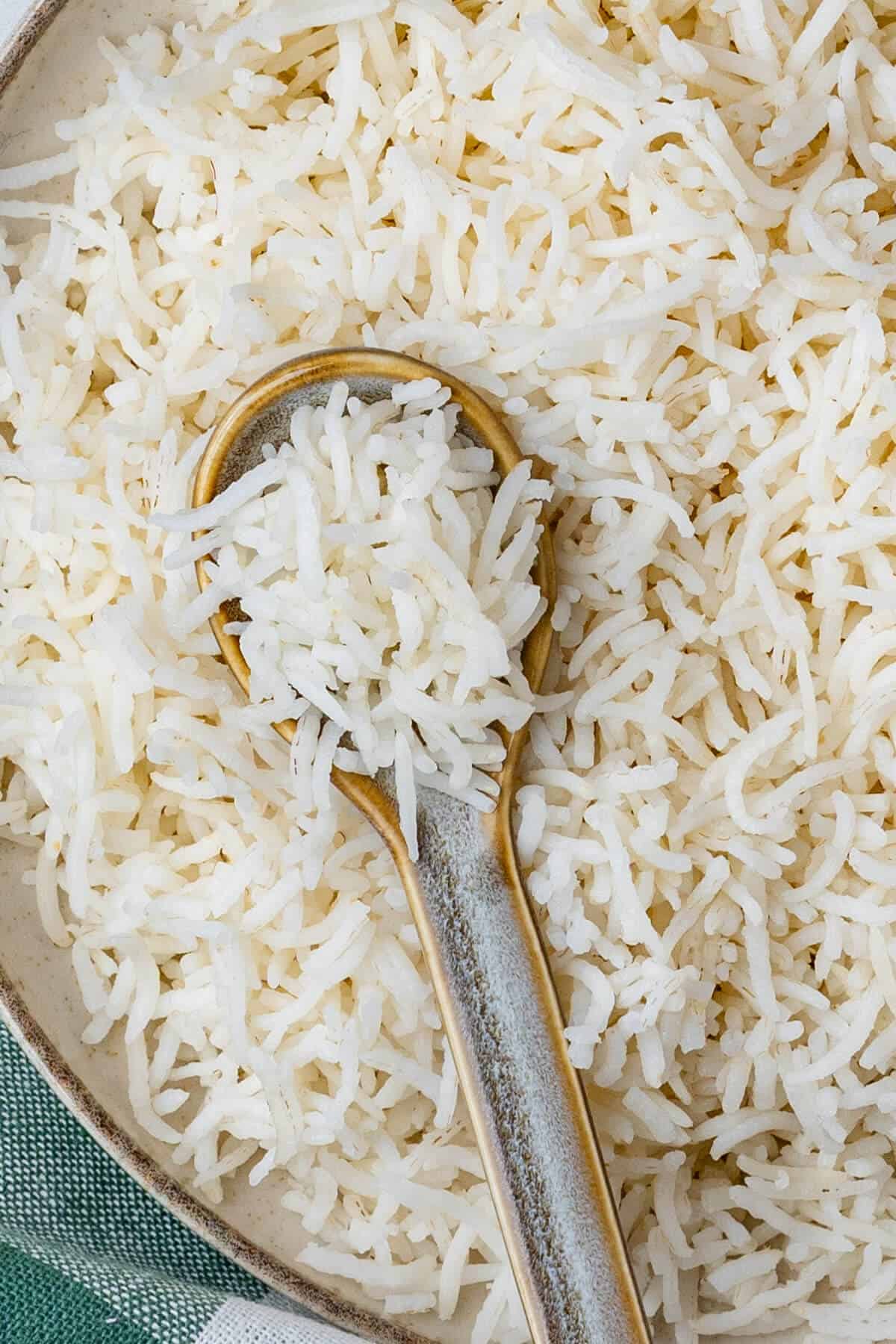
- Fluff: Use a fork to fluff the rice before serving.
Here is a quick overview of the stovetop steps:
| Step | Action | Time |
|---|---|---|
| 1 | Rinse and soak rice | 20-30 minutes |
| 2 | Boil water and add rice | 2-3 minutes |
| 3 | Simmer on low heat | 15-20 minutes |
| 4 | Rest with lid on | 10 minutes |
Rice Cooker Method
Cooking basmati rice in a rice cooker is easy and convenient. The cooker controls the heat and timing, reducing guesswork. Here’s how to use this method:
- Rinse the rice: Wash 1 cup of basmati rice until water is clear.
- Soak optional: Soaking is optional but recommended for fluffier rice. Soak for 20 minutes.
- Add water: Use 1.25 to 1.5 cups of water for every cup of rice.
- Cook: Place rice and water in the cooker and turn it on.
- Wait: Let the cooker finish the cycle and switch to “warm” mode.
- Rest and fluff: Let rice rest inside cooker for 10 minutes, then fluff with a fork.
Advantages of the rice cooker method include:
- Hands-off cooking
- Consistent results
- Automatic temperature control
- Keep warm feature
Use this simple water-to-rice ratio guide for rice cooker:
| Rice (cups) | Water (cups) |
|---|---|
| 1 | 1.25 – 1.5 |
| 2 | 2.5 – 3 |
| 3 | 3.75 – 4.5 |
Instant Pot Method
The Instant Pot method is fast and efficient. It cooks basmati rice under pressure, saving time while keeping grains separate. Follow these steps:
- Rinse rice: Wash 1 cup of basmati rice until water runs clear.
- Water ratio: Use 1 to 1.25 cups of water per cup of rice.
- Set Instant Pot: Add rice and water to the pot.
- Pressure cook: Seal lid and set on “Manual” or “Pressure Cook” for 6 minutes.
- Natural release: Let pressure release naturally for 10 minutes, then quick release any leftover pressure.
- Fluff rice: Open lid and fluff rice with a fork.
Benefits of the Instant Pot method:
- Fast cooking time
- Minimal monitoring needed
- Perfect for busy kitchens
- Consistent texture
Simple timing and water guide for Instant Pot:
| Rice (cups) | Water (cups) | Cook Time |
|---|---|---|
| 1 | 1 – 1.25 | 6 minutes + 10 minutes natural release |
| 2 | 2 – 2.5 | 6 minutes + 10 minutes natural release |
Credit: cookingwithayeh.com
Water-to-rice Ratios
Water-to-rice ratios play a key role in cooking perfect basmati rice. The right amount of water makes the rice fluffy and separate, not mushy or dry. Using too much water can create sticky rice, while too little water leaves it hard and undercooked. Understanding the correct ratio helps get the texture just right every time. Different cooking methods and preferences might change the exact amount of water needed. This guide explains the standard measurements and how to adjust them for your ideal basmati rice texture.
Standard Measurements
For most basmati rice cooking methods, a standard water-to-rice ratio works well. The common ratio is:
- 1 cup of basmati rice to 1.5 cups of water
This ratio usually produces fluffy, separate grains. Here is a simple table to guide you for different rice amounts:
| Rice (cups) | Water (cups) |
|---|---|
| 1 | 1.5 |
| 2 | 3 |
| 3 | 4.5 |
| 4 | 6 |
Before cooking, rinse the rice in cold water until it runs clear. This removes excess starch and helps keep grains separate. Soaking basmati rice for 20–30 minutes before cooking softens grains and reduces cooking time.
Use a pot with a tight-fitting lid to trap steam. Bring water and rice to a boil, then reduce heat to low and cover. Let it simmer for about 15 minutes, then turn off heat and let it sit covered for 5 minutes. Fluff with a fork before serving.
Adjusting For Texture
Different textures need small changes in water amount. For firmer rice, use less water:
- 1 cup rice to 1.25 cups water
This gives grains a bit more bite and less moisture. For softer rice, increase water:
- 1 cup rice to 1.75 cups water
This creates a creamier, softer texture but may stick more.
Consider these tips when adjusting:
- High altitude: Add 10-15% more water as rice cooks faster at lower pressure.
- Rice age: Older rice may need more water to soften properly.
- Cooking method: Rice cookers usually follow standard ratios; stove-top may need slight adjustments.
Experiment with small changes until you find the texture you like. Write down your preferred water-to-rice ratio for future use.
Here is a quick reference for texture adjustments:
| Texture | Rice (cups) | Water (cups) |
|---|---|---|
| Firm | 1 | 1.25 |
| Standard | 1 | 1.5 |
| Soft | 1 | 1.75 |
Enhancing Flavor
Enhancing the flavor of basmati rice transforms a simple dish into a delightful experience. Basmati rice has a natural aroma and nutty taste, but it becomes even better with the right flavor boosts. Small additions can make each bite more exciting and satisfying. Simple ingredients, like spices, herbs, and aromatics, bring out the best in basmati rice. Use these tips to cook rice that smells and tastes amazing every time.
Using Spices And Herbs
Spices and herbs add depth and character to basmati rice. They infuse the grains with unique flavors that complement many dishes. Using whole spices during cooking allows the rice to absorb their essence slowly.
Common spices to use:
- Cardamom pods: Add a sweet, floral aroma.
- Cloves: Provide warmth and a slightly sweet taste.
- Cinnamon sticks: Give a mild, spicy sweetness.
- Cumin seeds: Offer a nutty, earthy flavor.
- Bay leaves: Add subtle herbal notes.
Fresh herbs can be stirred in after cooking or used during the cooking process:
- Cilantro (coriander leaves): Bright and fresh taste.
- Mint leaves: Cooling and fragrant.
| Spice/Herb | Flavor Profile | Usage Tip |
|---|---|---|
| Cardamom pods | Sweet, floral | Add 2-3 pods during cooking |
| Cloves | Warm, sweet | Use 2-3 cloves for subtle warmth |
| Cinnamon sticks | Mildly spicy, sweet | One small stick is enough |
| Cumin seeds | Nutty, earthy | Toast lightly before adding |
| Bay leaves | Herbal, slightly floral | Add 1 leaf during cooking |
For the best flavor, toast whole spices in a dry pan for 1-2 minutes before adding them to the rice. This releases their oils and intensifies their aroma. Add fresh herbs just before serving to keep their bright flavors intact.
Adding Aromatics
Aromatics create a rich base flavor for basmati rice. They add sweetness, sharpness, and depth. Common aromatics include onions, garlic, and ginger. These ingredients soften and release their flavors when cooked with the rice.
Try these tips for using aromatics:
- Finely chop onions and sauté in a little oil until golden brown.
- Add minced garlic and ginger for the last minute of sautéing to avoid burning.
- Mix the sautéed aromatics into the rice before adding water.
Other aromatics to consider:
- Green chilies: Add mild heat (use whole or sliced).
- Shallots: Milder and sweeter than onions.
- Leeks: Offer a gentle onion flavor.
Using aromatics enhances the rice’s natural fragrance and makes it more inviting. Cook aromatics on medium heat to bring out their sweetness without burning. This simple step creates a flavorful rice base for many dishes.
Common Mistakes To Avoid
Cooking basmati rice seems simple, but many make mistakes that spoil the texture and taste. Avoiding common errors helps achieve fluffy, separate grains every time. Understanding these pitfalls leads to better results in the kitchen.
Overcooking Rice
Overcooking basmati rice is a frequent problem. It causes rice to become mushy and sticky, losing its signature light texture. Proper cooking time and water ratio are key to prevent this.
Here are signs of overcooked rice:
- Grains stick together excessively
- Rice feels wet and heavy
- Loss of individual grain shape
To avoid overcooking, follow these tips:
- Use the right water-to-rice ratio, usually 1.5 cups water for 1 cup rice.
- Cook on low heat after boiling starts.
- Set a timer for 15 minutes, then turn off heat and let rice steam for 10 minutes.
- Avoid lifting the lid while cooking to keep steam inside.
| Common Overcooking Causes | How to Fix |
|---|---|
| Too much water | Measure water carefully |
| High heat during cooking | Lower the heat after boiling |
| Cooking too long | Set a timer and follow cooking time |
Not Rinsing Properly
Many skip rinsing basmati rice or do it poorly. This step is important to remove extra starch. Excess starch makes rice sticky and clump together.
Proper rinsing involves:
- Place rice in a bowl or sieve
- Rinse under cold running water
- Swirl rice gently with your hand
- Repeat until water runs clear (about 3-4 times)
Skipping or rushing rinsing causes these issues:
- Rice grains stick and become gummy
- Texture loses its light, fluffy quality
- Flavor can be slightly dull due to starch build-up
Rinsing also helps remove impurities and dust from rice. It improves overall taste and appearance.
Serving Suggestions
Cooking basmati rice perfectly is just the first step. How you serve it can transform your meal into a delightful experience. Serving suggestions help you enjoy basmati rice in many ways. It pairs well with a variety of dishes and looks great on the plate. This section covers easy ideas to match and present basmati rice, making your meals tastier and more appealing.
Pairing With Dishes
Basmati rice has a light, fluffy texture and a nutty aroma. It blends well with many flavors, especially Indian, Middle Eastern, and Mediterranean cuisines. Use it as a base or side dish to complement rich and spicy recipes. Here are some popular ways to pair basmati rice:
- Curries: Serve with chicken tikka masala, lamb curry, or vegetable korma.
- Grilled meats: Pair with grilled chicken, beef kebabs, or fish for a balanced meal.
- Vegetarian dishes: Combine with dal (lentils), chickpea stew, or sautéed vegetables.
- Salads: Use cooled basmati rice in a fresh salad with cucumbers, tomatoes, and herbs.
- Rice pilaf: Mix with nuts, raisins, and spices for a flavorful pilaf.
| Dish Type | Suggested Pairings | Flavor Notes |
|---|---|---|
| Spicy Curries | Chicken Tikka Masala, Lamb Vindaloo | Balances heat, adds subtle nuttiness |
| Grilled Meats | Beef Kebabs, Grilled Fish | Light texture complements smoky flavors |
| Vegetarian | Dal, Chickpea Stew | Enhances earthy and rich tastes |
| Salads | Herb and Cucumber Salad | Adds bulk and mild flavor |
Basmati rice is versatile and can be served warm or cold. It works well as a main or side dish. Experiment with spices like saffron or cardamom to add aroma. Keep the rice simple to let other flavors shine. This makes your meal balanced and enjoyable.
Presentation Tips
Presentation affects how much people enjoy their food. Basmati rice looks great when served with care. Here are easy tips to make your rice look inviting:
- Use a mold or bowl: Pack cooked rice into a small bowl or cup, then invert it on the plate. This creates a neat mound.
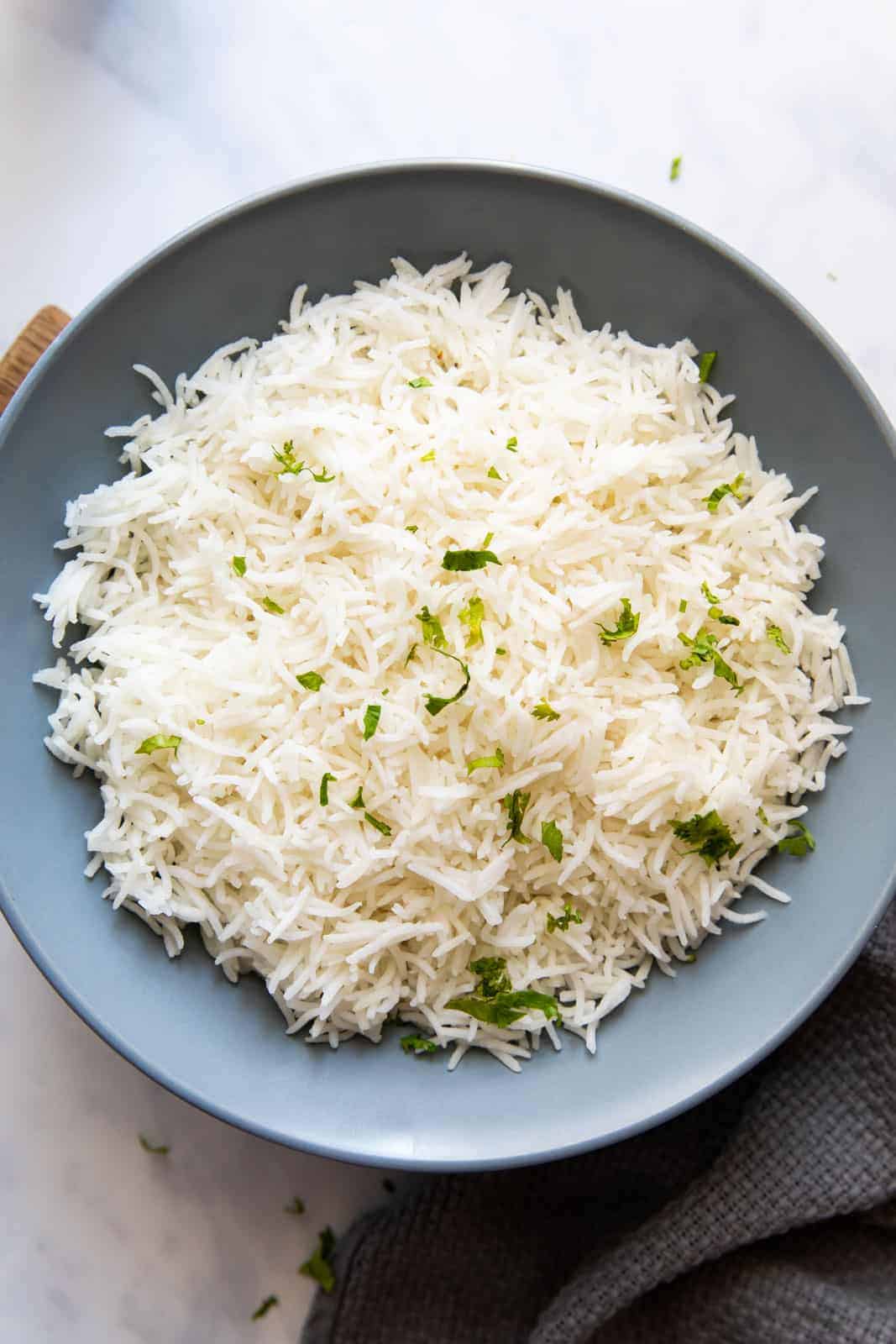
- Garnish: Sprinkle chopped fresh herbs like cilantro or parsley on top. Add toasted nuts or fried onions for texture.
- Add color: Mix in small amounts of peas, carrots, or pomegranate seeds to brighten the dish.
- Serve on warm plates: Warm plates keep rice hot longer and improve the eating experience.
- Use contrasting plates: White or brightly colored plates highlight the rice’s texture and color.
Here is a simple presentation checklist:
| Step | Action | Benefit |
|---|---|---|
| 1 | Mold rice into shapes | Neat and attractive appearance |
| 2 | Garnish with herbs or nuts | Adds color and texture |
| 3 | Use colorful ingredients | Enhances visual appeal |
| 4 | Serve on warm plates | Keeps food hot and fresh |
Simple touches make a big difference. A well-presented dish invites everyone to enjoy the meal more. Use these tips to make your basmati rice dishes look as good as they taste.

Credit: www.recipetineats.com
Credit: myfoodstory.com
Frequently Asked Questions
How Long Does It Take To Cook Basmati Rice?
Basmati rice usually takes 15 to 20 minutes to cook. Rinse the rice first, then simmer it in water until tender. Avoid overcooking to keep the grains separate and fluffy.
What Is The Water To Basmati Rice Ratio?
Use 1. 5 to 1. 75 cups of water for every cup of basmati rice. This ratio helps the rice cook evenly and prevents it from becoming mushy or dry.
Should I Soak Basmati Rice Before Cooking?
Yes, soaking basmati rice for 20 to 30 minutes improves texture. It reduces cooking time and helps the grains stay long and separate after cooking.
Can I Use A Rice Cooker For Basmati Rice?
Absolutely, a rice cooker works well for basmati rice. Use the same water-to-rice ratio and let the cooker handle the timing for perfect results.
Conclusion
Cooking basmati rice is simple with the right steps. Rinse the rice well to remove extra starch. Use the correct water amount for fluffy grains. Let the rice rest after cooking to absorb moisture. Fluff it gently with a fork before serving.
This method gives you soft, separate rice every time. Enjoy it with your favorite dishes for a tasty meal. Practice a few times to get your perfect texture. Cooking basmati rice need not be hard or confusing. Just follow these easy tips and enjoy!

Hello, This is Annie Walker, a 38-year-old blogger, founder, and editor of Cookware Guider from NY, USA. I am a cookware fanatic and passionate cooker. I love to cook with different types of cooking appliances (example: all types of cookware, rice cookers, slow cookers, etc) almost every day in my kitchen. I love to share my experience with my readers in my blog. Also, I enjoy helping people to solve their problems through my website. You can follow me on Twitter & Pinterest. To know details about my blog please check the about us page.