
Are you ready to make cooking rice easier and faster? Using a rice cooker can save you time and effort, giving you perfectly cooked rice every time without any guesswork.
Whether you’re new to rice cookers or just want to get the most out of yours, this guide will show you simple steps to master it. By the end, you’ll feel confident and ready to enjoy fluffy, delicious rice with zero stress.
Keep reading to unlock the full potential of your rice cooker!

Credit: www.amazon.com
Choosing The Right Rice Cooker
Choosing the right rice cooker makes cooking rice easy and consistent. A good rice cooker fits your needs and kitchen space. It saves time and delivers perfect rice every time. Consider the types, features, and size before buying.
Types Of Rice Cookers
Basic rice cookers have simple functions. They cook white rice well but lack extra features. Micom rice cookers use microcomputer technology for better control. They adjust cooking time for different rice types. Induction cookers heat rice evenly with magnetic technology. They are faster and offer precise temperature control. Steamers and multi-cookers add versatility for other dishes.
Features To Look For
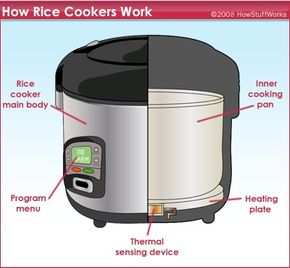
Look for a rice cooker with a keep-warm function. It keeps rice hot without drying it out. A delay timer lets you set cooking time ahead. Non-stick inner pots make cleaning easy. Some models have fuzzy logic for better cooking. Digital controls and LCD screens offer easy operation. Safety features like auto shut-off prevent accidents.
Capacity And Size
Choose a rice cooker size based on your household. Small cookers suit 1-2 people, usually 3 cups capacity. Medium cookers fit 3-5 people, holding 5 cups. Large cookers serve big families or gatherings, 10 cups or more. Consider kitchen space and storage before choosing size. A compact cooker works well in small kitchens.
Credit: home.howstuffworks.com
Selecting The Best Rice
Selecting the best rice is key for perfect results in your rice cooker. Different types of rice cook differently. Choosing the right rice affects taste and texture. Quality also plays a big role in your dish’s success. Proper storage keeps rice fresh and safe to eat.
Common Rice Varieties
White rice is the most common and cooks quickly. Brown rice has more fiber and a nutty flavor. Jasmine rice is fragrant and soft. Basmati rice has a distinct aroma and fluffy texture. Each type needs different water amounts and cooking times.
Rice Quality Tips
Pick rice with a clean, fresh smell. Avoid rice with a musty or old odor. Look for grains that are whole and unbroken. Clear, uniform grains cook evenly. Avoid rice with dust or debris mixed in. Fresh rice cooks better and tastes nicer.
Storing Rice Properly
Store rice in a cool, dry place. Use airtight containers to keep moisture out. Keep rice away from strong odors. Moisture can cause rice to spoil quickly. Proper storage keeps rice fresh for months. Check stored rice regularly for bugs or mold.
Preparing Rice For Cooking
Preparing rice for cooking is the first step to a perfect meal. It sets the stage for fluffy, tasty rice. Simple steps make a big difference in texture and flavor. Follow these tips to prepare your rice before using the rice cooker.
Measuring Rice And Water
Use the measuring cup that comes with your rice cooker. One cup of rice usually needs about one to one and a half cups of water. Exact amounts depend on rice type. Too much water makes rice mushy. Too little water makes it dry and hard.
Rinsing And Soaking
Rinse rice in cold water before cooking. It removes extra starch and dirt. Rinse until water runs clear. Soaking rice for 15 to 30 minutes helps it cook evenly. It also makes rice softer and fluffier.
Using Broth Or Water
Water is the most common liquid for cooking rice. Broth adds extra flavor and richness. Use chicken, beef, or vegetable broth instead of water for more taste. Make sure broth is low in salt to avoid over-seasoning.

Credit: instantpot.co.uk
Operating Your Rice Cooker
Operating your rice cooker is simple and saves time in the kitchen. This handy appliance cooks rice evenly without much effort. Understanding how to use it properly helps you enjoy perfect rice every time. Follow these steps to get started and explore different settings for best results.
Basic Cooking Steps
First, measure the rice using the cup that comes with your cooker. Rinse the rice under cold water until the water runs clear. Add the rinsed rice and the correct amount of water to the cooker’s inner pot. Close the lid securely. Press the start button to begin cooking. The cooker will switch off or move to warm mode when done.
Using Different Cooking Modes
Many rice cookers have multiple modes for various rice types. Use the white rice mode for regular white rice. Choose the brown rice mode for healthier whole grains. Some cookers include settings for porridge, sushi rice, or quick cooking. Select the mode that matches your rice type. This ensures the right cooking time and temperature.
Timing And Settings
Rice cookers automatically adjust cooking time based on the mode. Avoid opening the lid during cooking to keep steam inside. The cooker switches to warm mode after cooking finishes. Keep rice warm but do not leave it too long to avoid drying out. Use the timer feature to delay cooking start if your cooker has one.
Tips For Perfect Rice
Cooking rice in a rice cooker is easy, but small tips can make it perfect. Following simple steps helps you get fluffy and tasty rice every time. This section shares key tips for perfect rice.
Avoiding Common Mistakes
Do not skip rinsing rice. Rinse until water runs clear to remove starch. Too much starch makes rice sticky and clumpy. Avoid opening the lid during cooking. This breaks steam and affects texture. Use the correct rice type for your dish. Different rice cooks differently. Follow your rice cooker’s instructions carefully.
Adjusting Water For Texture
Water amount changes rice texture. Use less water for firmer rice. Add more water for softer rice. Measure water with the rice cooker cup or a standard cup. Rinse rice before measuring water for accuracy. Check your rice package for water guidelines. Adjust water based on your preference and rice type.
Fluffing And Resting Rice
After cooking, let rice rest for 10 minutes. Resting allows steam to finish cooking rice evenly. Use a fork to fluff rice gently. Fluffing separates grains and stops clumping. Avoid stirring too hard to keep grains whole. Serve rice warm for best taste.
Cleaning And Maintenance
Cleaning and maintenance keep your rice cooker working well. It helps the cooker last longer and cook better rice. Dirt and leftover rice can cause bad smells and affect taste. Regular care makes cooking easier and safer.
Daily Cleaning Tips
Unplug the rice cooker before cleaning. Let it cool down completely. Remove the inner pot and wash it with warm, soapy water. Use a soft sponge to avoid scratches. Wipe the inside of the cooker with a damp cloth. Never soak or wash the main body of the cooker. Dry all parts well before reassembling.
Preventing Odors And Residue
Clean the rice cooker after every use. Avoid leaving wet rice or water inside. Use a mild vinegar solution to wipe the pot once a week. This stops smells and removes residue. Check the steam vent and clean it gently. Make sure no food particles block the vent. Keep the lid clean and dry to prevent mold.
Long-term Care
Check the power cord and plug for damage regularly. Replace any damaged parts quickly. Store the cooker in a dry place to prevent rust. Avoid using metal utensils that can scratch the pot. Follow the manufacturer’s instructions for deep cleaning. Regular care protects your rice cooker and keeps it working well.
Creative Uses Beyond Plain Rice
Rice cookers do more than just cook plain rice. They can prepare many other dishes easily. This makes them a useful tool in any kitchen. Using your rice cooker creatively saves time and effort. It also helps make meals diverse and tasty.
Cooking Grains And Quinoa
Rice cookers handle grains like barley, millet, and quinoa well. These grains need similar cooking times and water ratios as rice. Just measure the grain and water, then press start. The cooker will steam the grains perfectly without burning.
Quinoa cooks fluffy and soft in a rice cooker. It only takes about 15 minutes. This makes quinoa a quick and healthy side dish. You can also mix grains to create unique blends for meals.
Making Rice Porridge
Rice porridge, or congee, is easy to make in a rice cooker. Add more water than usual to the rice. Let the cooker run a full cycle or use the porridge setting if available. The rice will break down into a smooth, creamy texture.
Rice porridge is great for breakfast or light meals. You can add vegetables, meat, or spices for different flavors. It is comforting and easy to digest, perfect for all ages.
Preparing One-pot Meals
One-pot meals save time and reduce cleanup. Use your rice cooker to make dishes like stews, soups, or casseroles. Start by adding ingredients that need longer cooking times, like meat or root vegetables.
Next, add rice or grains and enough liquid. Close the lid and let the cooker do the work. The heat and steam cook everything evenly. You get a tasty, balanced meal with minimal effort.
Frequently Asked Questions
How Do I Properly Measure Rice For A Rice Cooker?
Use the measuring cup that comes with your rice cooker. Typically, one cup equals one serving. Rinse rice before cooking to remove excess starch. Add water according to the rice cooker’s instructions for perfect texture.
Can I Cook Other Grains Besides Rice In A Rice Cooker?
Yes, you can cook quinoa, barley, and oats in a rice cooker. Adjust water ratios based on the grain type. Follow specific cooking settings if your rice cooker has them. It’s a versatile tool for many grains.
How Long Does Rice Usually Take To Cook In A Rice Cooker?
Rice cooking time varies by type but usually takes 20-40 minutes. White rice cooks faster than brown rice. Your rice cooker will automatically switch to “keep warm” once done. Avoid opening the lid during cooking for best results.
Is It Necessary To Rinse Rice Before Using A Rice Cooker?
Rinsing rice removes excess starch, preventing it from becoming sticky. It also cleans away any impurities or dust. Rinse until water runs clear for fluffier, separate grains. This step enhances the texture and taste of cooked rice.
Conclusion
Using a rice cooker saves time and effort in the kitchen. It cooks rice evenly and keeps it warm for hours. You only need to add rice and water, then press start. Cleaning is simple, so you spend less time washing up.
This tool also cooks more than just rice, like soups or steamed veggies. Try it out to make cooking easier and faster. Enjoy tasty meals without stress or extra work. Rice cookers make everyday cooking smooth and simple. Give it a go!

Hello, This is Annie Walker, a 38-year-old blogger, founder, and editor of Cookware Guider from NY, USA. I am a cookware fanatic and passionate cooker. I love to cook with different types of cooking appliances (example: all types of cookware, rice cookers, slow cookers, etc) almost every day in my kitchen. I love to share my experience with my readers in my blog. Also, I enjoy helping people to solve their problems through my website. You can follow me on Twitter & Pinterest. To know details about my blog please check the about us page.