
Pan frying halibut is a simple yet impressive way to cook this prized fish. Halibut is loved for its firm, white flesh and mild flavor. When pan fried, halibut becomes golden on the outside and stays moist inside. Many home cooks feel nervous about cooking fish, but with the right steps, pan frying halibut is easy and rewarding.
In this article, you’ll learn everything you need to know—from choosing the best halibut to tips for perfect results every time.
Why Choose Halibut For Pan Frying
Halibut is a great choice for pan frying because of its thick fillets and delicate flavor. Unlike oily fish such as salmon or mackerel, halibut is lean and has a subtle taste. This allows you to add different seasonings and sauces without overpowering the fish. Its firm texture holds up well during cooking, making it less likely to fall apart in the pan.
Halibut is also a healthy protein source. A 3-ounce cooked portion contains about 20 grams of protein and just 2 grams of fat. It’s rich in vitamin D, B vitamins, and selenium. If you’re watching calories, halibut is a smart choice because it’s low in fat and calories.
Selecting And Preparing Halibut
Picking Quality Halibut
Freshness is key to a delicious meal. Look for halibut fillets that are:
- White or translucent (not gray or yellow)
- Firm to the touch
- Have a clean, ocean-like smell
If you buy frozen halibut, check for vacuum-sealed packaging and no freezer burn.
Ideal Thickness For Pan Frying
Halibut fillets range from thin to thick. For pan frying, aim for fillets about 1 inch thick. Thinner pieces cook quickly but can dry out. Thicker fillets stay juicy and are easier to handle.
Prepping The Fillets
Before cooking, pat the halibut dry with paper towels. Moisture on the surface can cause the fish to steam instead of brown. Remove any skin if you prefer, though some cooks leave it for extra crispness.
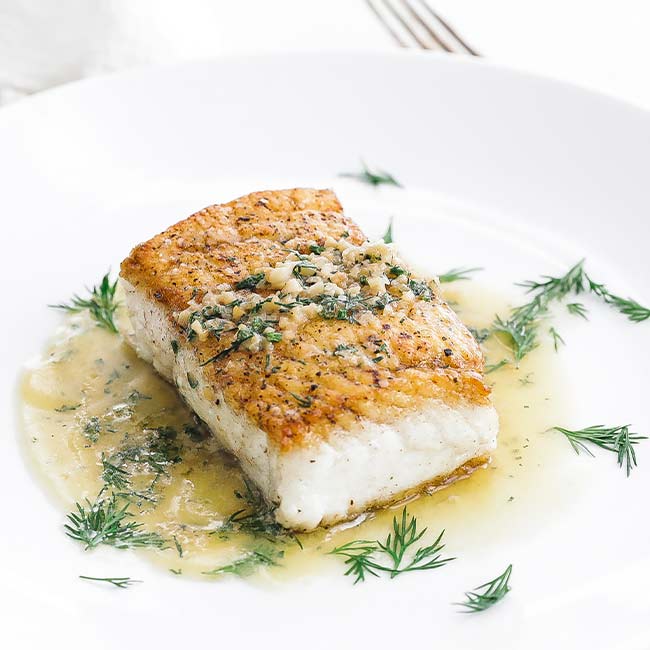
Credit: www.billyparisi.com
Essential Ingredients And Tools
To pan fry halibut, you don’t need many ingredients. Here’s a basic list for two servings:
- 2 halibut fillets (about 6 ounces each, 1 inch thick)
- Salt and pepper (to taste)
- 2 tablespoons olive oil (or canola oil)
- 1 tablespoon butter
- 1 lemon (for wedges or juice)
- Optional: Fresh herbs like parsley, dill, or thyme
You’ll need:
- Non-stick or stainless steel skillet (10–12 inch size)
- Fish spatula (thin, flexible)
- Paper towels (for drying fillets)
Many beginners skip drying the fish, but this step is crucial for a golden crust.
Step-by-step Guide To Pan Frying Halibut
1. Season The Fillets
Sprinkle both sides of the fillets with salt and pepper. If you want extra flavor, add a pinch of paprika, garlic powder, or your favorite herbs. Let the fish rest at room temperature for 10–15 minutes. This helps it cook evenly.
2. Heat The Pan
Place your skillet over medium-high heat. Add the olive oil and let it heat until shimmering but not smoking. A hot pan is essential for a crisp, brown crust.
3. Add The Halibut
Carefully place the fillets in the pan. Lay them away from you to avoid splashes. Don’t overcrowd—leave space around each piece.
4. Cook The First Side
Let the halibut cook undisturbed for 3–4 minutes. You’ll see the edges turning opaque. Resist the urge to move the fish; this helps form a crust.
5. Flip And Finish
Use a fish spatula to gently flip the fillets. Add the butter to the pan and spoon it over the fish as it melts. Cook for another 2–3 minutes until the halibut is opaque all the way through and flakes easily.
6. Rest And Serve
Transfer the fillets to a plate. Squeeze lemon juice over the top and sprinkle with fresh herbs. Let the fish rest for 2–3 minutes before serving.

Credit: www.wellseasonedstudio.com
Cooking Time And Temperature
Halibut cooks quickly. Overcooking can make it dry and tough. Here’s a handy table for ideal cooking times:
| Fillet Thickness | Cooking Time (per side) | Internal Temperature |
|---|---|---|
| 1/2 inch | 2–3 minutes | 130–135°F |
| 1 inch | 3–4 minutes | 130–135°F |
| 1.5 inch | 4–5 minutes | 130–135°F |
Use a digital thermometer to check doneness. Halibut is best when just cooked through, not dry.
Common Mistakes And How To Avoid Them
Even experienced cooks make mistakes with halibut. Here are some to watch out for:
- Overcooking: Halibut dries out quickly. Remove from heat as soon as it flakes easily.
- Crowding the pan: This causes steaming. Cook in batches if needed.
- Flipping too early: Let the crust develop before moving the fish.
- Skipping the resting step: Resting keeps juices in the fish.
A non-obvious insight: Letting the fish warm up a bit before cooking (10–15 minutes at room temperature) helps prevent the fillets from curling and ensures even cooking.
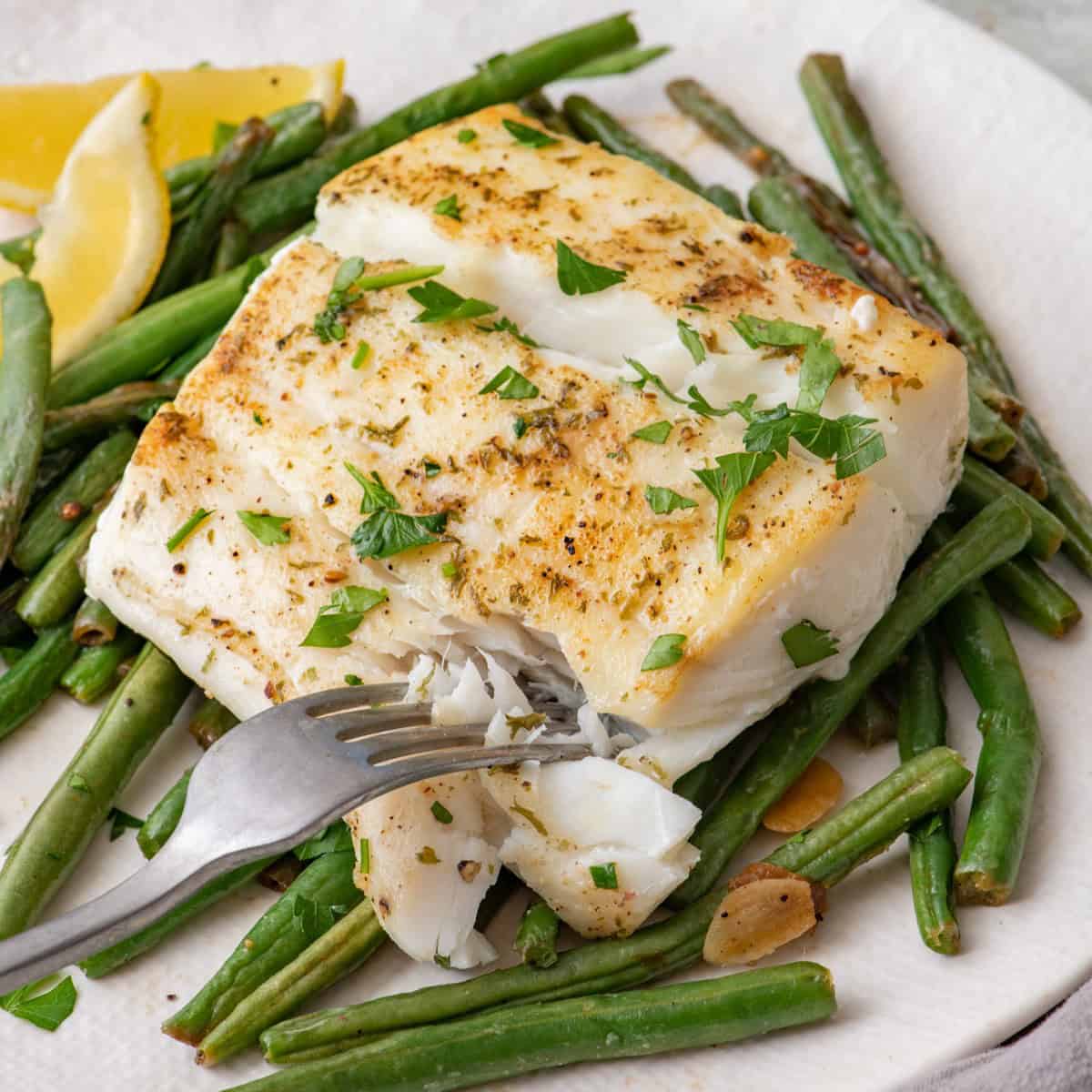
Credit: feelgoodfoodie.net
Flavor Variations And Sauces
Halibut is versatile. You can change the flavor easily. Here are some popular options:
- Lemon butter sauce: Melt butter, add lemon juice and parsley, pour over the fish.
- Herb crust: Press chopped herbs (like dill, thyme) onto the fillets before frying.
- Asian style: Use soy sauce, ginger, and sesame oil for a quick marinade.
A simple sauce can turn pan fried halibut into a special meal. Don’t be afraid to experiment.
Nutritional Benefits
Halibut is not only tasty but also nutritious. Here’s a comparison with other popular fish:
| Fish | Protein (3 oz) | Fat (3 oz) | Calories (3 oz) |
|---|---|---|---|
| Halibut | 20 g | 2 g | 90 |
| Salmon | 19 g | 7 g | 145 |
| Tuna | 22 g | 1 g | 99 |
Halibut is lower in fat than salmon, making it a lighter choice. It’s also a good source of omega-3 fatty acids, though less than salmon.
Serving Suggestions
Pan fried halibut pairs well with:
- Steamed vegetables: Asparagus, green beans, or broccoli
- Rice or quinoa: For a balanced meal
- Simple salads: Lemon vinaigrette matches the fish’s flavor
For a fancy touch, top the fish with microgreens or a drizzle of flavored oil.
Practical Tips For Perfect Pan Fried Halibut
- Dry the fillets well for a crisp crust.
- Use a fish spatula to flip without breaking.
- Don’t rush—let the crust form before flipping.
- If the fillets are very thick, finish in a 350°F oven for 3–5 minutes.
- If the fish sticks, wait—it will release when the crust forms.
A tip beginners miss: The flavor of halibut improves with a little salt added before cooking. Salt draws out moisture, helping the crust form and enhancing taste.
Cost And Availability
Halibut is often more expensive than other fish. Prices can range from $20 to $30 per pound in the US, depending on the season. Wild-caught halibut is usually pricier but has better flavor and texture.
Here’s a comparison of average retail prices:
| Fish | Average Price (per lb) | Availability |
|---|---|---|
| Halibut | $25 | Seasonal (spring-summer) |
| Salmon | $12 | Year-round |
| Tilapia | $7 | Year-round |
If you want to learn more about seafood sustainability, check the Seafood Watch site.
Cleaning Up After Cooking
Pan frying fish can leave odors and a messy pan. Here’s how to clean up easily:
- Let the pan cool before washing.
- Use warm soapy water and a soft sponge.
- For stubborn bits, soak the pan for 10–15 minutes.
To remove fish smell from your kitchen, boil water with lemon slices for a few minutes.
Frequently Asked Questions
How Do I Know When Halibut Is Done?
Halibut is done when it turns opaque and flakes easily with a fork. The internal temperature should reach 130–135°F.
Can I Use Frozen Halibut For Pan Frying?
Yes, but thaw it completely and dry it well. Frozen fish often has extra moisture, so drying is important for browning.
What Oil Is Best For Pan Frying Halibut?
Olive oil and canola oil are both good choices. Use an oil with a high smoke point to prevent burning.
Why Does My Halibut Stick To The Pan?
If the pan isn’t hot enough, or the fish is moved too soon, it can stick. Let it cook undisturbed until the crust forms, then flip.
Is Halibut Safe To Eat For People With Allergies?
Halibut is safe unless you have a fish allergy. Always check with your doctor if you’re unsure.
Pan frying halibut is a skill worth learning. With careful preparation and the right technique, you can enjoy restaurant-quality fish at home. Remember to start with fresh, high-quality halibut, season it well, and avoid overcooking. Try different flavors and sides to keep meals interesting.
With practice, you’ll gain confidence and discover how simple and satisfying pan fried halibut can be.

Hello, This is Annie Walker, a 38-year-old blogger, founder, and editor of Cookware Guider from NY, USA. I am a cookware fanatic and passionate cooker. I love to cook with different types of cooking appliances (example: all types of cookware, rice cookers, slow cookers, etc) almost every day in my kitchen. I love to share my experience with my readers in my blog. Also, I enjoy helping people to solve their problems through my website. You can follow me on Twitter & Pinterest. To know details about my blog please check the about us page.