
Cooktop stoves make kitchens look modern and clean. But scratches can ruin their beauty and make cleaning harder. Many people worry that fixing these marks is impossible or expensive. The truth is, you can remove scratches from cooktop stoves at home, often with items you already have.
This article will show you how to handle scratches, prevent new ones, and keep your cooktop looking new for years.
Understanding Cooktop Scratches
Cooktops come in different materials. The most common are glass, ceramic, and stainless steel. Each material reacts differently to scratches.
Glass and ceramic cooktops often show light scratches easily because of their shiny, flat surface. Even small marks can look worse when light hits them. Stainless steel cooktops can hide minor scratches, but deep ones are visible and can rust.
Scratches usually happen from:
- Sliding pots and pans across the surface
- Using rough cleaners or abrasive pads
- Dropping utensils or heavy objects
- Cooking with sand or grit under cookware
Light scratches are mostly cosmetic. Deep scratches can trap food, make cleaning tough, and sometimes cause cracks if not treated.
Preparing To Remove Scratches
Before you start, check the type of scratch. Light scratches are shallow and only affect the surface. Deep scratches might feel rough, catch your fingernail, or show a change in color.
Safety is important. Always unplug electric cooktops or turn off gas connections if possible. Wait until the stove is cool.
Gather these supplies:
- Soft microfiber cloths
- Baking soda
- Toothpaste (non-gel, plain white)
- Metal polish (for stainless steel)
- Cerama Bryte or similar cooktop cleaner
- Razor blade (for glass/ceramic, optional)
- Water
- Gloves
Never use steel wool, sandpaper, or harsh chemicals. They make scratches worse.

Credit: www.youtube.com
Methods For Removing Scratches
Different methods work for different cooktop types and scratch depths. Here are the best approaches:
1. Baking Soda Paste (glass/ceramic)
Baking soda is gentle yet effective for light scratches.
Steps:
- Mix 2 tablespoons of baking soda with 1 tablespoon of water to make a thick paste.
- Apply the paste to the scratched area.
- Rub gently with a microfiber cloth in circular motion.
- Wipe clean with a damp cloth.
This method works for small, shallow scratches. Do not scrub hard—pressure can cause more damage.
2. Toothpaste Trick (glass/ceramic)
Regular, non-gel toothpaste acts as a mild abrasive.
Steps:
- Put a small amount of toothpaste on a microfiber cloth.
- Rub over the scratch in small circles.
- Wipe away with a damp cloth.
This is best for tiny marks. Avoid colored or gel toothpastes.
3. Commercial Cooktop Cleaner
Cooktop cleaners like Cerama Bryte are designed for glass and ceramic stoves.
Steps:
- Apply a small amount of cleaner to the surface.
- Use a soft cloth to spread and rub it in.
- Buff the area until the scratch fades.
Some products also work for stainless steel. Always read the label.
4. Metal Polish (stainless Steel)
For stainless steel cooktops, metal polish can reduce scratches.
Steps:
- Apply a dab of metal polish to a clean, soft cloth.
- Rub gently along the grain of the steel.
- Buff until the scratch blends in.
Follow up by cleaning with mild soap and water.
5. Razor Blade Scraping (glass/ceramic)
This method is for tough marks, not deep scratches.
Steps:
- Hold a razor blade flat against the cooktop.
- Slide gently to lift off marks, not dig into the surface.
- Clean after scraping.
Do not use razor blades on stainless steel.
Comparison: Effectiveness Of Methods
Here’s a quick comparison of methods for scratch removal:
| Method | Cooktop Type | Scratch Depth | Success Rate |
|---|---|---|---|
| Baking Soda Paste | Glass/Ceramic | Light | High |
| Toothpaste Trick | Glass/Ceramic | Light | Moderate |
| Cooktop Cleaner | All | Light/Medium | High |
| Metal Polish | Stainless Steel | Light/Medium | Moderate |
| Razor Blade | Glass/Ceramic | Surface marks | Moderate |
When To Call A Professional
Some scratches are too deep to fix at home. If you see cracks, discoloration, or the scratch feels sharp, call a technician. Trying to repair these yourself can cause safety risks or void your warranty.
Professional repair costs vary. For glass cooktops, repair can cost $100–$300, while replacement may cost over $500. Stainless steel repair is usually cheaper unless the panel needs replacement.
Preventing Future Scratches
Prevention is easier than repair. Here are smart ways to protect your cooktop:
- Lift, don’t slide cookware. Always lift pots and pans instead of sliding them.
- Use soft cloths or sponges for cleaning. Avoid abrasive pads.
- Check cookware bottoms. Make sure they are clean and smooth.
- Avoid sugar spills. Sugar can cause permanent marks if cooked onto the surface.
- Use cooktop protectors. Silicone mats can protect glass and ceramic stoves.
- Store heavy objects away. Do not keep heavy items above the cooktop.
Many people forget to check their cookware regularly. Rough or dirty bottoms cause most scratches. Another overlooked tip is to clean spills quickly. Burnt-on food can damage the surface when scrubbed.
Comparing Cooktop Materials
Choosing the right cooktop material affects how easy it is to keep scratch-free. Here’s a quick look at the main types:
| Material | Scratch Resistance | Ease of Repair | Appearance |
|---|---|---|---|
| Glass | Low | Moderate | Glossy, modern |
| Ceramic | Medium | High | Sleek, smooth |
| Stainless Steel | High | Low | Professional, industrial |
Glass cooktops look great but scratch easily. Ceramic is a bit tougher. Stainless steel is the best for resisting scratches but is harder to repair.
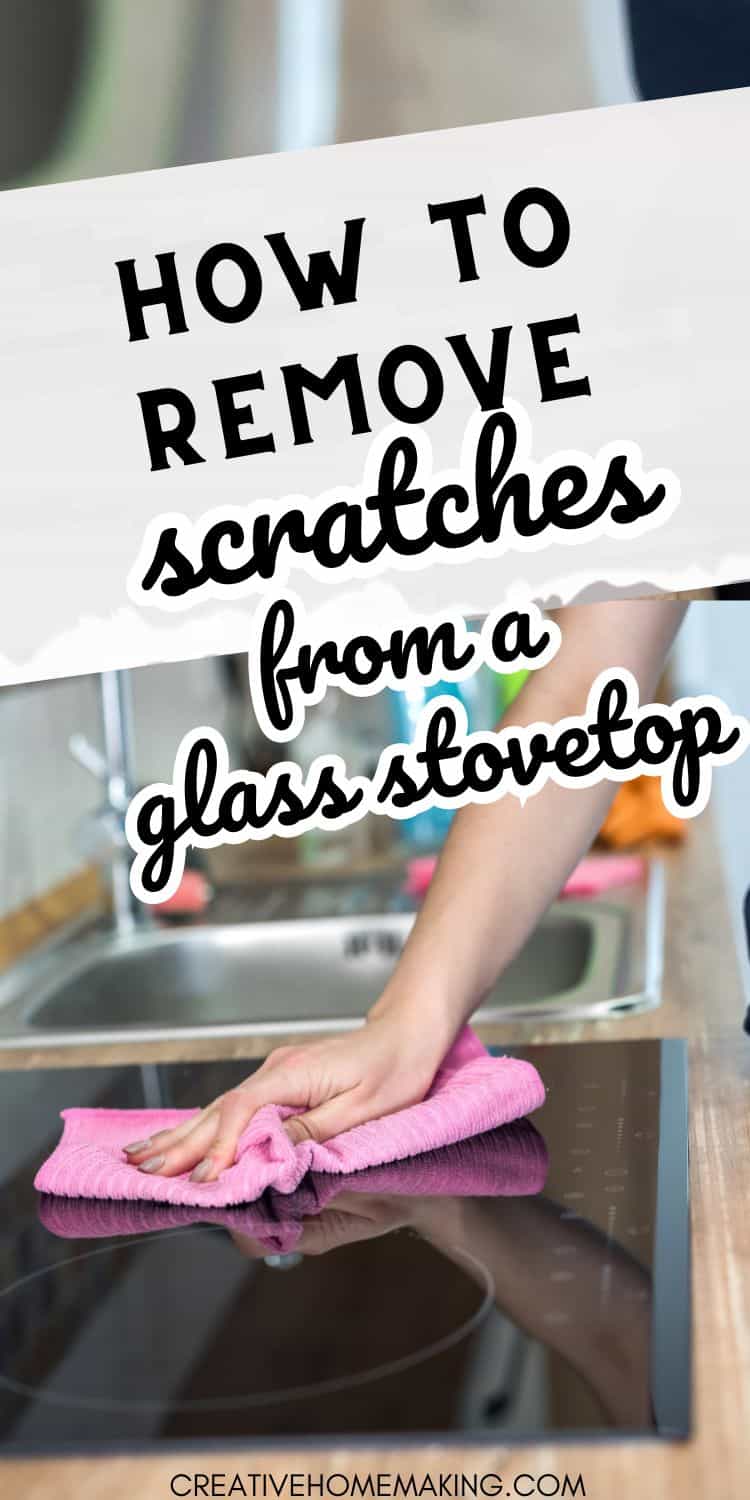
Credit: creativehomemaking.com
Common Mistakes To Avoid
Many beginners make mistakes when trying to fix scratches. Here are common errors:
- Using steel wool or rough pads. These cause more scratches.
- Using harsh chemicals. They can discolor and damage the surface.
- Scrubbing too hard. Pressure can deepen marks.
- Ignoring deep scratches. These may become cracks.
- Mixing cleaning methods. Some products react badly together.
Always read the manual for your cooktop. Manufacturers often suggest specific cleaners and warn against others.
Real-world Example
A family in Chicago had a glass cooktop with several scratches from sliding pans. They tried baking soda paste first, which reduced the marks but did not remove them all. Next, they used Cerama Bryte and saw a clear improvement.
With regular cleaning and using silicone mats, their cooktop stayed scratch-free for months.
According to a survey by the National Kitchen & Bath Association, over 60% of homeowners report scratches as the main issue with glass cooktops. Prevention and gentle cleaning are the best solutions.
How Often Should You Clean And Inspect?
Regular care keeps scratches away. Clean your cooktop daily with a soft cloth. Inspect weekly for new marks. If you find a scratch, treat it soon. Waiting can make removal harder.
Monthly, deep clean with a cooktop cleaner. Avoid over-cleaning—too much scrubbing can wear down the surface.
Comparing Home Vs Professional Repair
Is it better to fix scratches yourself or call a pro? Let’s compare:
| Repair Type | Cost | Time | Success Rate |
|---|---|---|---|
| DIY (Home) | $0–$30 | 30–60 mins | High (for light scratches) |
| Professional | $100–$300 | 2–5 hours | High (all scratches) |
DIY is best for light scratches. Professionals are needed for deep marks or cracks. Always ask about warranty options before hiring a repair service.

Credit: www.youtube.com
Extra Tips For Cooktop Care
- Clean spills while the stove is cool, not hot.
- Use vinegar and water for daily cleaning.
- Never stack heavy pots on the cooktop.
- Avoid using the cooktop as a cutting board.
- If you use a razor blade, always keep it flat to avoid new scratches.
Many people miss the importance of cleaning with the grain on stainless steel. This keeps the finish looking smooth. Also, avoid overusing baking soda—it can dull glass surfaces if used too often.
For more detailed information on cooktop care and scratch removal, visit Family Handyman.
Frequently Asked Questions
How Do I Know If A Scratch Is Too Deep To Fix Myself?
If your fingernail catches in the scratch or you see discoloration, it may be too deep. These scratches often need professional help.
Can Baking Soda Damage My Cooktop?
Baking soda is safe if used gently. Do not scrub hard or use it too often on glass; it can dull the shine.
What Type Of Cookware Causes The Most Scratches?
Cookware with rough, dirty, or uneven bottoms causes most scratches. Cast iron and uncoated metal pans are common culprits.
Are Cooktop Protectors Safe To Use?
Yes, silicone mats are safe for glass and ceramic cooktops. They help prevent scratches and make cleaning easier.
Is It Safe To Use A Razor Blade On My Cooktop?
Razor blades are safe for glass and ceramic surfaces if used flat and gently. Never use them on stainless steel or with pressure.
Scratches don’t have to ruin your cooktop. With the right methods, you can remove marks, prevent new ones, and keep your stove looking new. Remember to treat your cooktop gently, avoid common mistakes, and use the correct tools. Regular care is the secret to a beautiful kitchen.

Hello, This is Annie Walker, a 38-year-old blogger, founder, and editor of Cookware Guider from NY, USA. I am a cookware fanatic and passionate cooker. I love to cook with different types of cooking appliances (example: all types of cookware, rice cookers, slow cookers, etc) almost every day in my kitchen. I love to share my experience with my readers in my blog. Also, I enjoy helping people to solve their problems through my website. You can follow me on Twitter & Pinterest. To know details about my blog please check the about us page.