
Cooktops are the heart of most kitchens. They help us prepare meals every day, but stains and burnt spots can quickly make them look messy and old. Removing stains from your cooktop is not just about beauty—it’s also about safety and hygiene.
Many people struggle with sticky grease, burnt-on food, or hard water marks. Sometimes, using the wrong cleaning method can even damage your cooktop. This guide will show you how to remove stains from every type of cooktop, so your kitchen stays clean and inviting.
Understanding Different Cooktop Types
Before you start cleaning, it’s important to know what kind of cooktop you have. Each type needs a different cleaning method. Using the wrong cleaner can cause scratches or discoloration.
Common Cooktop Types
- Glass or Ceramic: Smooth, shiny, modern. These cooktops show stains quickly but are easy to wipe.
- Gas Stove: Has burners and grates. Grease and burnt food often build up.
- Electric Coil: Features coils that heat up. Spills can burn and stick under the coil.
- Induction: Looks like glass, but uses magnetic heating. Needs gentle cleaning.
| Cooktop Type | Main Stain Issue | Best Cleaner |
|---|---|---|
| Glass/Ceramic | Burnt-on spills | Baking soda paste |
| Gas Stove | Grease build-up | Degreaser |
| Electric Coil | Charred residue | Soapy water |
| Induction | Water spots | Vinegar solution |
Knowing your cooktop type helps you choose the right cleaning tools and products.
Common Causes Of Cooktop Stains
Understanding why stains happen makes it easier to prevent them. Here are the main causes:
- Spills: Food and liquid spills can burn onto the surface.
- Grease: Oil and fat splatters stick and attract dust.
- Minerals: Hard water leaves white spots.
- Improper cleaning: Using rough scrubbers or strong chemicals can worsen stains.
Most stains can be avoided by cleaning your cooktop soon after cooking. Even wiping with a damp cloth daily helps.
Credit: www.reddit.com
Essential Tools And Cleaners
Having the right tools makes stain removal easier and safer. Here’s what you need:
- Soft cloths: Microfiber or cotton to avoid scratches.
- Non-abrasive sponges: For gentle scrubbing.
- Plastic scraper: For burnt-on stains (especially on glass).
- Baking soda: Natural and safe abrasive.
- White vinegar: Cuts through grease and minerals.
- Commercial degreaser: For tough stains (choose one made for kitchen use).
- Dish soap: Basic cleaner for most surfaces.
| Tool | Purpose | Cooktop Type |
|---|---|---|
| Microfiber cloth | Wiping surface | All types |
| Plastic scraper | Removing burnt spots | Glass/Ceramic |
| Degreaser spray | Cutting grease | Gas stove |
| Baking soda paste | Scrubbing stains | Glass/Ceramic, Electric |
Many beginners skip using a plastic scraper, but it’s one of the safest ways to lift burnt stains without scratching glass.
How To Remove Stains From Glass Or Ceramic Cooktops
Glass and ceramic cooktops are popular because they’re easy to clean—but only if you use the right method. Here’s a step-by-step guide:
- Let the cooktop cool: Never clean a hot surface.
- Wipe loose debris: Use a dry cloth to remove crumbs.
- Apply baking soda paste: Mix 2 parts baking soda with 1 part water. Spread over stains.
- Cover with damp cloth: Place a wet microfiber cloth over the paste. Wait 15–20 minutes.
- Gently scrub: Use the cloth to rub in circles. For stubborn stains, use a plastic scraper.
- Rinse and dry: Wipe off residue with a clean, damp cloth. Dry to prevent water spots.
For tough spots, repeat steps 3–6. Avoid steel wool or harsh cleaners; they can scratch the surface.
Non-obvious tip: If you spill sugary foods (like jam or syrup), clean them immediately. Sugar burns and sticks more than other foods, making removal very difficult.
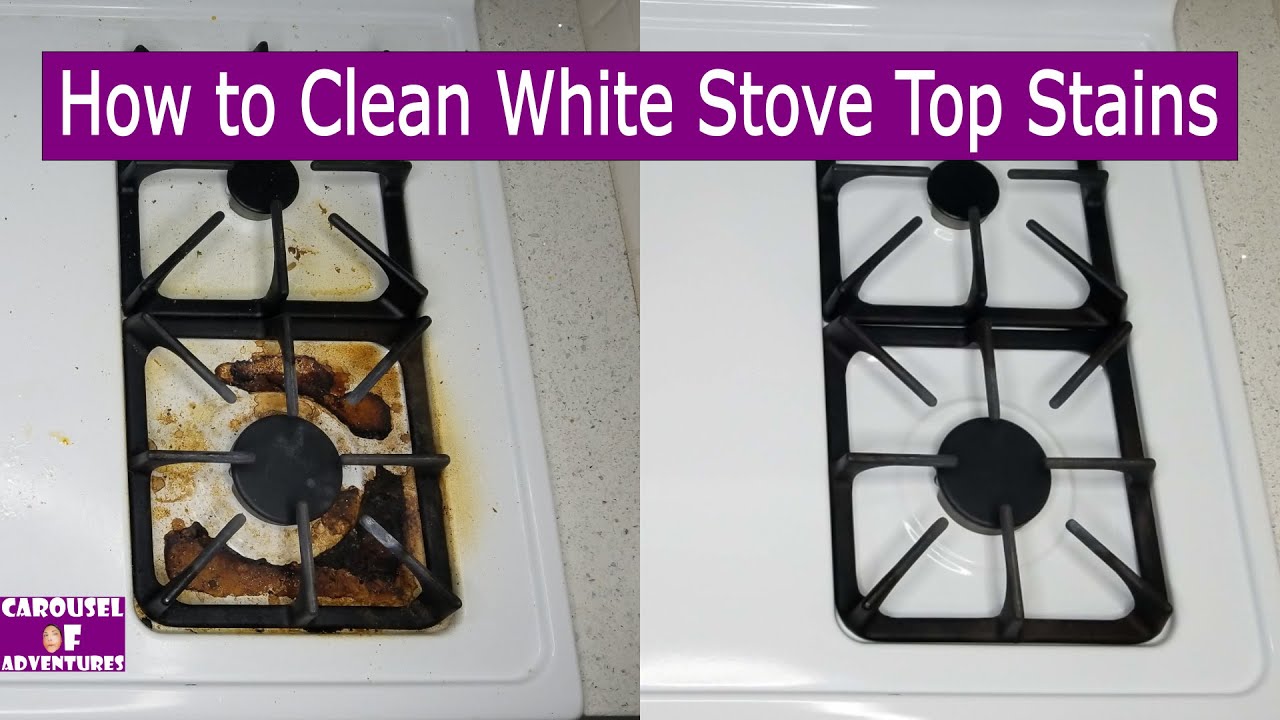
Gas Stove Stain Removal
Gas stoves get greasy fast. Burners and grates collect food and oil. Here’s how to clean them:
- Remove grates and burners: Soak them in hot, soapy water for 15–30 minutes.
- Scrub with sponge: Use a non-abrasive sponge to clean grates. For burnt spots, try baking soda paste.
- Clean stove surface: Spray a kitchen degreaser on the stove surface. Wait 5 minutes.
- Wipe with damp cloth: Remove grease and cleaner. Rinse cloth often.
- Dry and reassemble: Dry grates and burners fully before placing them back.
A common mistake: Many people forget to clean under the burners. Stains and crumbs collect there, causing odors and even fire risk.
Non-obvious tip: Use a toothbrush for tight corners and burner holes. It cleans better than a sponge.
Electric Coil Cooktop Cleaning
Electric coil cooktops need special care because spills can burn under the coils. Here’s what to do:
- Unplug the cooktop: Safety first.
- Lift coils gently: Some coils pull up easily. Check your manual.
- Clean drip pans: Remove and soak in hot, soapy water. Scrub with baking soda if needed.
- Wipe coils: Use a damp cloth. Avoid soaking coils or using too much water.
- Clean surface: Wipe with soapy water and dry.
Never immerse coils in water; it can damage them.
Experience-based tip: If your drip pans are too stained, consider replacing them. They’re inexpensive and make your cooktop look new.
Credit: www.youtube.com
Induction Cooktop Stain Removal
Induction cooktops are smooth and easy to clean, but water spots can be stubborn. Here’s the best method:
- Turn off and cool: Always wait until the surface is safe to touch.
- Wipe with damp cloth: Remove crumbs and dust.
- Apply vinegar solution: Mix equal parts white vinegar and water. Spray or wipe onto stains.
- Buff with soft cloth: Dry and polish to shine.
Avoid abrasive cleaners. Induction surfaces are sensitive and can show scratches easily.
Non-obvious tip: For fingerprint marks, use a tiny amount of glass cleaner and a microfiber cloth.
How To Remove Burnt-on Stains
Burnt stains are the hardest to remove. Whether it’s a glass, ceramic, or electric cooktop, follow these steps:
- Soften stain: Cover with a damp cloth for 20–30 minutes.
- Scrape gently: Use a plastic scraper at a shallow angle.
- Use baking soda paste: Apply and scrub in circles.
- Repeat if needed: Some burnt stains need several rounds.
If stains are still visible, try a specialty cooktop cleaner made for burnt-on residue. Always read labels.
Preventing Stains On Your Cooktop
Preventing stains saves time and keeps your kitchen looking great. Here are practical ways to avoid stains:
- Clean after cooking: Wipe spills as soon as the cooktop cools.
- Use splatter guards: These help stop oil and food from landing on the cooktop.
- Dry after cleaning: Water spots are common, especially on glass and induction.
- Avoid harsh scrubbers: Steel wool and rough pads scratch surfaces.
| Prevention Method | Effectiveness | Cooktop Type |
|---|---|---|
| Daily wipe-down | Very high | All types |
| Splatter guard | High | Gas/Electric |
| Drying after cleaning | Moderate | Glass/Induction |
Many beginners ignore prevention, but regular cleaning is much easier than removing old, burnt stains.
When To Use Professional Cleaners
Sometimes, home methods aren’t enough. If you see deep stains, discoloration, or damage, consider professional cleaners. They use special tools and chemicals that can restore your cooktop. This is especially useful for older appliances or when selling your home.
Safety Tips While Cleaning Cooktops
Safety is important. Always follow these steps:
- Turn off and cool: Never clean a hot cooktop.
- Use gloves: Protect your skin from strong cleaners.
- Ventilate kitchen: Open windows when using chemicals.
- Avoid water near electric parts: Never soak coils or let water run into control panels.
Eco-friendly Cleaning Options
If you prefer natural cleaning, baking soda and vinegar are safe and effective. They remove most stains without harming your cooktop or the environment. Lemon juice is also good for light stains and leaves a fresh smell.

Credit: www.reddit.com
Frequently Asked Questions
How Often Should I Clean My Cooktop?
It’s best to wipe your cooktop daily, especially after cooking. Deep cleaning once a week keeps stains away and your kitchen healthy.
Can I Use Bleach On My Cooktop?
Avoid bleach. It’s too harsh and can damage surfaces or discolor them. Choose gentle cleaners like baking soda or vinegar.
What Should I Do If Stains Won’t Come Off?
Try repeating the cleaning steps or use a specialty cooktop cleaner. If stains remain, contact a professional. Never use sharp tools or sandpaper.
Are Commercial Cleaners Safe For All Cooktops?
Not all commercial cleaners are safe. Always read the label and choose products made for your cooktop type. Some cleaners can scratch or dull surfaces.
Can I Use The Same Method For All Cooktops?
No. Each cooktop needs a different method. For example, glass cooktops need gentle cleaning, while gas stoves require degreasers. Always check your appliance manual.
Cleaning your cooktop doesn’t have to be stressful. With the right tools and a little patience, you can remove stains and keep your kitchen sparkling. Consistent care is key—don’t wait for stains to build up. If you need more detailed guidance, visit trusted sources like Consumer Reports for extra tips. Remember, a clean cooktop makes cooking safer, easier, and more enjoyable for everyone.

Hello, This is Annie Walker, a 38-year-old blogger, founder, and editor of Cookware Guider from NY, USA. I am a cookware fanatic and passionate cooker. I love to cook with different types of cooking appliances (example: all types of cookware, rice cookers, slow cookers, etc) almost every day in my kitchen. I love to share my experience with my readers in my blog. Also, I enjoy helping people to solve their problems through my website. You can follow me on Twitter & Pinterest. To know details about my blog please check the about us page.