
If you recently bought a Miele induction cooktop, you’ve made a smart choice. This modern appliance brings speed, safety, and precision to your kitchen. But if you’re used to gas or electric stoves, an induction cooktop can feel confusing at first. Don’t worry—using a Miele induction cooktop is easier than it looks. With the right steps, you’ll cook confidently, avoid mistakes, and get the most from your investment.
This guide explains everything in clear, simple language. You’ll learn how induction works, how to operate your Miele cooktop, and the best ways to cook safely and efficiently. You’ll also find useful tips, common errors to avoid, and answers to important questions.
By the end, you’ll know how to use your Miele induction cooktop like a pro.
How Induction Cooking Works
Induction cooking uses a different method than traditional stoves. Instead of heating the surface, it uses electromagnetic energy to heat pots and pans directly. When you place a magnetic pan on the cooktop and turn it on, the cooktop creates a magnetic field. This field makes the molecules in your pan vibrate quickly, heating the pan itself—not the cooktop.
Why does this matter? First, it’s fast. Induction can boil water in about half the time of a standard electric or gas stove. Second, it’s energy efficient. Since only the pan heats, less energy is wasted. Third, it’s safer. The glass top stays cool except under the pan, so burns are less likely.
A common mistake is trying to use non-magnetic pans. Only pots with an iron core or magnetic base will work. Stainless steel and cast iron are usually fine, but aluminum or copper pans won’t work unless they are made for induction.
Getting Started: Unpacking And Setup
When your Miele induction cooktop arrives, start by unpacking it carefully. Check for any visible damage. Keep all manuals and documents—you’ll need them for reference and warranty.
Installation Basics
Miele recommends professional installation. Induction cooktops require a strong electrical connection, usually 220-240V. Never try to install it yourself unless you are qualified. An improper setup can be dangerous and may void your warranty.
First Use Checklist
- Clean the surface with a soft, damp cloth to remove dust or packing residue.
- Check power: Make sure the unit is correctly plugged in and has power.
- Read the manual: Every model has unique features. Skim the manual to find the control panel layout and safety tips.
- Gather the right cookware: Only use induction-compatible pots and pans.

Credit: www.youtube.com
Understanding The Control Panel
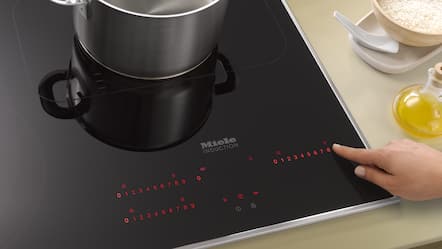
Miele’s induction cooktops are known for their intuitive touch controls and digital displays. While the design may differ slightly by model, most controls are similar.
Common Buttons And Functions
- Power On/Off: Usually a simple touch symbol.
- Cooking Zones: Each circle or square on the glass marks a zone. Touch the area to select it.
- Power Levels: Adjust heat from low (1) to high (usually 9 or 12).
- Booster Function: Delivers extra heat for quick boiling.
- Timer: Set cooking time for each zone.
- Stop & Go: Pauses all zones briefly.
- Lock/Safety: Prevents accidental changes (great if you have kids).
- Keep Warm: Maintains low heat to keep food warm.
Below is an example comparison of Miele induction cooktop controls versus traditional gas and electric stoves:
| Feature | Miele Induction | Electric Stove | Gas Stove |
|---|---|---|---|
| Heat Adjustment | Touch slider, instant | Knob, slow change | Knob, visible flame |
| Timer | Digital, per zone | Rarely available | Not available |
| Safety Lock | Yes | Sometimes | No |
| Surface Temperature | Stays cool | Gets hot | Gets hot |
| Booster Mode | Yes | No | No |
Selecting Proper Cookware
Not all pots and pans work on induction cooktops. Miele’s system needs magnetic cookware. If you’re not sure, use a magnet: if it sticks to the bottom, it’s induction-friendly.
Types Of Compatible Cookware
- Cast Iron: Works perfectly, heats evenly.
- Stainless Steel: Usually fine, but some cheap brands won’t work.
- Enameled Steel: Good option.
- Special Induction-Ready Aluminum: Only if it has a magnetic base.
Cookware Size And Shape
The base of the pot should match the size of the cooking zone. If the base is much smaller, the cooktop might not detect it or heat will be uneven. Flat-bottom pans work best; warped or curved pans can make poor contact.
Below is a quick guide comparing cookware materials:
| Material | Induction Compatible | Performance Notes |
|---|---|---|
| Cast Iron | Yes | Heavy, heats evenly, may scratch glass |
| Stainless Steel | Usually | Best if magnetic; quality varies |
| Aluminum (plain) | No | Only works with special induction base |
| Copper | No | Needs magnetic base for induction |
| Glass/Ceramic | No | Not recommended |
Non-obvious Tip
Some high-end stainless steel pans have a thick aluminum or copper core for even heating. These are fine as long as the bottom layer is magnetic.
Credit: www.miele.in
Basic Steps: Cooking On Your Miele Induction Cooktop
Once installed, using your cooktop becomes easy. Here are the key steps:
- Place compatible cookware on the desired zone. The cooktop will only work if it senses a proper pot.
- Turn on the cooktop using the main power button.
- Select the cooking zone by touching the sensor or digital area related to that zone.
- Set the power level. Use the slider or plus/minus buttons to choose the heat. Lower numbers for gentle simmering, higher for boiling or frying.
- Use the booster function for rapid heating if your model supports it.
- Set a timer if you want the cooktop to turn off automatically.
- Watch for signals: If the pan is not detected, you’ll see a symbol or hear a beep.
- When finished, turn off the zone or the whole cooktop.
Example: Boiling Water
- Fill a compatible pot with water and place it on the zone.
- Select the zone and set to maximum power or use the booster.
- Water should boil in 1–2 minutes (for 1 liter).
- Lower the heat as soon as it boils to avoid splashing.
Example: Sautéing Vegetables
- Place a pan and add a small amount of oil.
- Preheat at a medium setting (around 6 or 7).
- Add vegetables; adjust heat as needed.
- Use the timer if you want consistent results.
Using Advanced Features
Miele’s induction cooktops offer many smart features to make cooking easier and safer.
Booster And Twinbooster
These features deliver maximum power to a zone for a short time (usually 5–10 minutes). Perfect for quick boiling or searing. Afterward, power returns to your set level.
Stop & Go
This button pauses all zones at a very low heat. Useful if you need to answer the door or phone. Press again to resume your previous settings.
Keep Warm
Keeps food at serving temperature without overcooking. Ideal for sauces or melted chocolate.
Safety Lock
Prevents changes to settings. Hold the lock button for a few seconds to activate or deactivate. Essential if there are kids around.
Residual Heat Indicator
Shows which zones are still hot after use. Even though induction keeps the surface cool, the glass can get warm from the pan’s heat.
Con@ctivity (for Some Models)
Links your cooktop to a Miele range hood. The hood turns on/off automatically as you cook, adjusting fan speed to match power levels.
Cleaning And Maintenance
Induction cooktops are easier to clean than gas or electric stoves, but they need care to avoid scratches or stains.
Daily Cleaning
- Wait for the cooktop to cool.
- Wipe with a soft, damp cloth.
- For greasy spots, use a little dish soap, then rinse and dry.
Dealing With Spills
Wipe up spills quickly, especially sugar or melted plastic, as these can bond to the glass if heated. For burnt-on food, use a special glass scraper at a shallow angle.
What To Avoid
- Never use steel wool, abrasive sponges, or harsh chemicals.
- Avoid placing hot lids or pans directly on the glass—this can create a vacuum and crack the surface.
Deep Cleaning
Every week, use a dedicated ceramic cooktop cleaner. Apply with a soft cloth and polish for a streak-free finish.
Maintenance Tip
Check the vent slots on the side or under the cooktop. Keep them clear of dust for proper cooling.
Common Mistakes And How To Avoid Them
Even experienced cooks make errors when switching to induction. Here are some to watch for:
- Using non-magnetic cookware: The cooktop won’t heat up, and you might think it’s broken.
- Wrong pan size: Too small or warped pans won’t work well. Use pans that cover at least 70% of the cooking zone.
- Overheating oil: Induction heats very fast. Oil can burn before you notice. Use medium settings for frying.
- Ignoring power sharing: On some models, using several zones at maximum can reduce power in others.
- Forgetting to clean spills: Sugar and plastic can permanently damage the glass.
Energy Efficiency And Safety
Induction cooking is one of the most efficient methods available. About 90% of the energy goes into the pan, compared to 65% for electric and 55% for gas stoves. That means lower energy bills and a cooler kitchen.
Safety Features
- Auto shut-off: Turns off if no pan is detected or after a set time.
- Child lock: Prevents children from changing settings.
- Residual heat indicator: Warns if the glass is still hot.
- No open flame: Reduces the risk of fires.
Non-obvious Insight
Induction cooktops are also good for people with allergies or asthma. No combustion means fewer fumes or particles in the air.
Troubleshooting Simple Problems
If your Miele cooktop isn’t working as expected, try these steps:
- Nothing turns on: Check the circuit breaker and power connection.
- Pan not detected: Try a different pan. Make sure it’s flat and magnetic.
- Error codes: Most models display error messages. Look up the code in your manual.
- Zones won’t heat at full power: You may be using too many zones at once. Reduce the number or lower power levels.
- Beeping or flashing lights: Usually means a pan was removed or the surface is wet. Dry the surface and try again.
For more advanced support, consult Miele’s official support at Miele.com.
Comparing Miele Induction To Other Brands
Miele competes with brands like Bosch, Siemens, and Samsung. Here’s a quick comparison:
| Brand | Price Range (USD) | Unique Features | Warranty |
|---|---|---|---|
| Miele | $1,500–$3,500 | Con@ctivity, TwinBooster, Stop & Go | 2 years |
| Bosch | $1,000–$2,500 | FlexInduction zones | 1 year |
| Siemens | $1,200–$2,700 | PowerMove, flex zones | 1–2 years |
| Samsung | $900–$2,000 | Virtual Flame, Wi-Fi | 1 year |
Miele is known for durability, smart features, and quiet operation. It’s a top choice for those who want a premium cooking experience.
Practical Cooking Tips
- Preheat carefully: Induction heats fast. Don’t leave pans empty on high for long.
- Use the timer: Great for pasta, rice, or eggs.
- Try low heat for delicate foods: Sauces and chocolate won’t burn easily.
- Don’t slide pans: Lift them to avoid scratches.
- Keep the surface dry: Wet spots can confuse the sensors.
Safety Precautions
Always follow these safety basics:
- Don’t use the cooktop as a cutting board or storage surface.
- Keep metal objects (spoons, knives) away from cooking zones—they can get hot quickly.
- If the glass cracks, turn off the cooktop and call for service.
- Never block ventilation slots.
When To Call For Service
If you notice these issues, contact a professional:
- Cooktop won’t turn on after checking the basics.
- Error codes that don’t reset.
- Cracked or chipped glass.
- Smell of burning or electrical issues.
Miele has authorized service centers in most countries. Using them keeps your warranty valid.
Credit: www.youtube.com
Frequently Asked Questions
Can I Use Any Pan On My Miele Induction Cooktop?
No. Only magnetic cookware works. Test with a magnet—if it sticks well to the bottom, it’s fine. Avoid glass, ceramic, or plain aluminum pans.
Why Does My Cooktop Beep And Not Heat My Pan?
This usually means the pan is not detected. Try a different pan, or make sure it covers enough of the cooking zone. Also, check that the pan’s base is clean and flat.
How Do I Activate The Child Lock Feature?
Most Miele cooktops have a lock symbol. Hold the button for several seconds until the lock activates. To unlock, hold again. See your manual for your model’s exact steps.
Is Induction Cooking Safe For People With Pacemakers?
Induction cooktops are generally safe, but if you have a pacemaker or implanted device, consult your doctor and check the cooktop manual. Most modern devices are well-shielded.
What Should I Do If Sugar Or Plastic Melts Onto The Glass?
Turn off the cooktop and remove as much as possible while still warm (but not hot) using a special glass scraper. If it hardens, clean carefully when cool. Don’t use sharp knives or metal tools.
Switching to a Miele induction cooktop brings new speed, safety, and precision to your kitchen. With a little practice, you’ll enjoy easier cooking, faster cleanup, and better results. Remember to use the right cookware, explore smart features, and clean your cooktop regularly.
If you run into trouble, most issues are easy to solve—and Miele support is there if you need it. Enjoy your new cooking experience!

Hello, This is Annie Walker, a 38-year-old blogger, founder, and editor of Cookware Guider from NY, USA. I am a cookware fanatic and passionate cooker. I love to cook with different types of cooking appliances (example: all types of cookware, rice cookers, slow cookers, etc) almost every day in my kitchen. I love to share my experience with my readers in my blog. Also, I enjoy helping people to solve their problems through my website. You can follow me on Twitter & Pinterest. To know details about my blog please check the about us page.