
Cooking rice sounds simple, but many people struggle to get it right. Rice can turn out sticky, mushy, or even burnt if you miss a step. Perfect rice is fluffy, separate, and full of flavor. Whether you’re making rice for a quick dinner or for a special meal, knowing the right methods can help you every time. In this guide, you’ll learn how to cook perfect rice, understand common mistakes, and discover useful tips that most beginners miss. You’ll also see comparisons between rice types, methods, and tools, so you can pick the best option for your kitchen.
Understanding Rice Types
Not all rice is the same. There are hundreds of varieties, but most people use a few common types. Choosing the right rice affects the texture, flavor, and cooking method.
White Rice
White rice is the most popular. It cooks fast and has a mild flavor. The grains are polished, so they lose some nutrients but stay soft and fluffy.
Brown Rice
Brown rice keeps the bran layer, so it’s higher in fiber and vitamins. It needs more water and longer cooking time. The taste is nuttier, and the texture is firmer.
Basmati Rice
Basmati rice is long-grain and aromatic. It’s common in Indian and Middle Eastern cooking. The grains stay separate and do not stick together.
Jasmine Rice
Jasmine rice has a floral aroma. It’s softer and stickier than basmati. It’s popular in Southeast Asian dishes.
Short-grain Rice
Short-grain rice is used for sushi and risotto. It’s sticky and creamy, perfect for dishes that need rice to hold together.
Wild Rice
Wild rice is not true rice. It’s a grass seed, high in protein and fiber. It takes longer to cook and has a chewy texture.
Here’s a quick comparison of popular rice types:
| Rice Type | Texture | Cooking Time | Common Uses |
|---|---|---|---|
| White Rice | Fluffy | 15-20 min | Everyday meals |
| Brown Rice | Firm | 40-50 min | Healthy dishes |
| Basmati Rice | Separate grains | 15-20 min | Curry, pilaf |
| Jasmine Rice | Sticky | 15-20 min | Asian food |
| Short-Grain Rice | Sticky | 15-20 min | Sushi, risotto |
| Wild Rice | Chewy | 45-60 min | Salads, side dishes |
Why Rice Goes Wrong
Rice problems usually come from wrong water ratio, overcooking, or bad preparation. Many beginners don’t know that rinsing rice removes surface starch, making the grains less sticky. Also, not letting rice rest after cooking can make it mushy.
Common Mistakes
- Too much water – Makes rice soggy.
- Too little water – Leaves rice hard and undercooked.
- Not rinsing – Rice clumps together.
- Lifting lid early – Steam escapes and rice dries out.
- Cooking at high heat – Rice burns or sticks to the bottom.
- Not letting rice rest – Rice doesn’t finish steaming and stays wet.
These mistakes are easy to fix. With the right steps, you can cook perfect rice every time.
The Classic Stovetop Method
This is the most common way to cook rice. It works for most types, especially white, basmati, and jasmine rice.
Ingredients And Tools
- 1 cup rice (any type)
- Water (see ratios below)
- Salt (optional)
- Pot with lid
- Strainer (for rinsing)
Water Ratios
The water ratio depends on the rice type:
- White rice: 1 cup rice to 1.5–2 cups water
- Brown rice: 1 cup rice to 2.5 cups water
- Basmati/Jasmine: 1 cup rice to 1.5 cups water
- Wild rice: 1 cup rice to 3 cups water
Step-by-step Cooking Instructions
1. Rinse The Rice
Put rice in a strainer. Run cold water over it, gently rub grains. Rinse until water is clear (usually 2–3 times). This removes excess starch.
2. Measure Water
Put the rice in the pot. Add the correct amount of water. Add a pinch of salt if you like.
3. Bring To Boil
Set pot over medium-high heat. Wait for water to boil.
4. Reduce Heat And Cover
Once boiling, lower the heat. Cover the pot tightly. Let it simmer.
5. Cook Undisturbed
Do not lift the lid. Cook for the required time:
- White rice: 15–20 minutes
- Brown rice: 40–50 minutes
- Basmati/Jasmine: 15–20 minutes
- Wild rice: 45–60 minutes
- Let rice rest
Turn off the heat. Let rice sit, covered, for 10 minutes. This lets steam finish cooking the rice.
7. Fluff And Serve
Open the lid. Use a fork to gently fluff rice. Serve warm.
Practical Tips
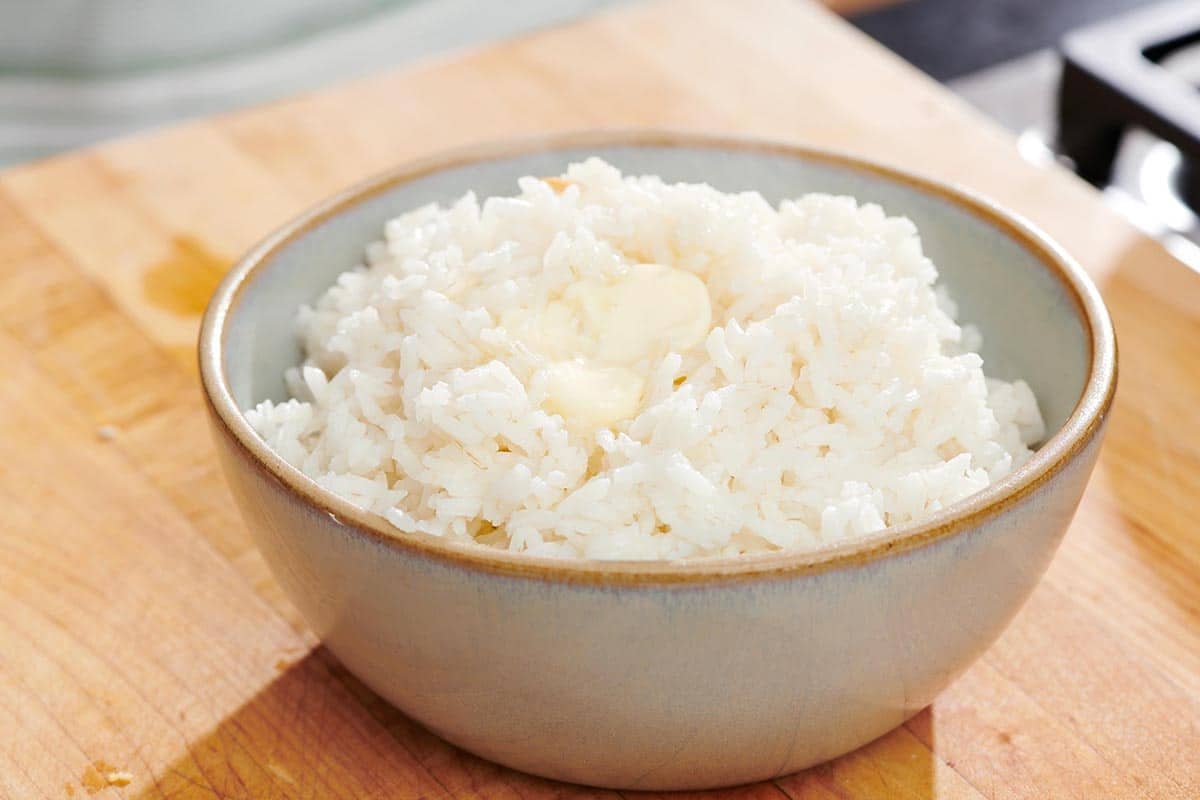
- For extra flavor, cook rice in chicken broth or add a small knob of butter before cooking.
- Use a heavy-bottomed pot to prevent burning.
- Always let rice rest after cooking; this is a step many beginners skip.
The Rice Cooker Method
Rice cookers make cooking easy. They use sensors to cook rice perfectly every time.
How Rice Cookers Work
Rice cookers heat rice and water together. When water is absorbed or evaporated, the cooker switches to “keep warm. ” This prevents overcooking and burning.
Ingredients And Steps
- 1 cup rice
- Water (see cooker markings or ratios above)
- Salt (optional)
- Rinse rice until water runs clear.
- Put rice and water in the cooker.
- Close the lid and press “cook.”
- Wait for the cooker to finish. Most switch to “keep warm” automatically.
- Let rice rest for 10 minutes with lid closed.
- Fluff rice with fork before serving.
Rice Cooker Advantages
- Easy to use – No need to watch the pot.
- Consistent results – Sensors prevent burning.
- Can cook other grains – Many cookers handle quinoa, oats, and more.
Rice Cooker Vs Stovetop
Here’s a quick comparison:
| Method | Ease of Use | Consistency | Cooking Time |
|---|---|---|---|
| Stovetop | Medium | Varies | 15–60 min |
| Rice Cooker | Easy | High | 15–60 min |
The Oven-baked Method
Baking rice in the oven is less common, but it produces fluffy grains with minimal effort. This method works well for large batches.
Steps
- Preheat oven to 375°F (190°C).
- Rinse rice and place in an oven-safe dish.
- Add boiling water (same ratios as stovetop).
- Cover tightly with foil.
- Bake for 25–30 minutes (white rice). Brown rice may need 45–50 minutes.
- Let rest for 10 minutes, then fluff.
Advantages
- Good for large amounts.
- Even heat prevents burning.
- Great for meal prep.
The Absorption Method
This method is often used in restaurants. The rice absorbs all water, leaving grains separated.
How It Works
- Use exact water-to-rice ratio.
- Do not drain water after cooking.
- Rice absorbs all liquid and flavors.
Steps
- Rinse rice.
- Add rice, water, and salt to pot.
- Bring to boil, reduce heat, cover, and simmer until water is absorbed.
- Let rest and fluff.
Key Insight
If you use too much water, rice will be mushy. If you use too little, rice will be hard. Measuring is crucial.
The Pilaf Method
This method adds flavor by sautéing rice before cooking. It’s popular for dishes like pilaf and biryani.
Steps
- Rinse rice.
- Heat oil or butter in pot.
- Add rice, stir to coat grains.
- Add water or broth.
- Cook as usual (follow stovetop steps).
Benefits
- Rich, nutty flavor.
- Grains stay separate.
- Good for special dishes.
Perfect Rice Tips Most Beginners Miss
Many guides skip these details, but they make a big difference:
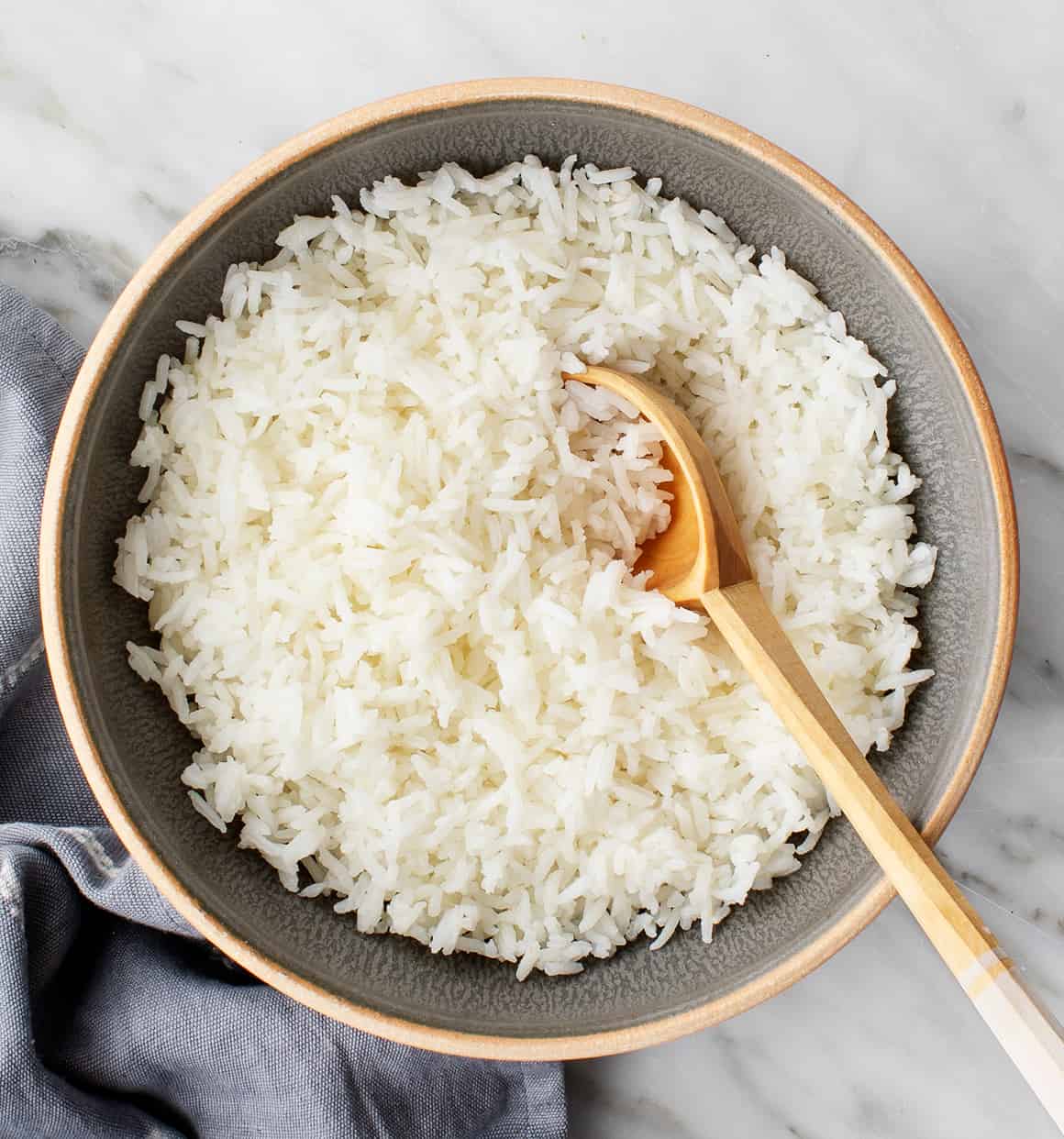
- Let rice rest after cooking. This makes grains fluffier.
- Use a fork, not a spoon to fluff rice. Spoons mash grains.
- Do not stir rice while cooking. Stirring releases starch and makes rice sticky.
- Use filtered water for better taste, especially in areas with hard tap water.
- Season rice during cooking, not after. Salt and spices absorb better.
- Store cooked rice properly. Cool quickly and refrigerate. If left out too long, bacteria can grow.
Credit: www.loveandlemons.com
Rice Cooking Tools: What Matters
Having the right tools makes rice cooking easier and more consistent.
Essential Tools
- Heavy-bottomed pot – Prevents burning.
- Rice cooker – Best for beginners.
- Fine mesh strainer – For rinsing rice.
- Measuring cups – Accurate ratios.
- Fork – For fluffing.
Advanced Tools
- Instant Pot – Cooks rice fast and can handle other foods.
- Steamer basket – For steaming sticky or glutinous rice.
Tool Comparison
| Tool | Best Use | Price Range | Ease of Cleaning |
|---|---|---|---|
| Heavy-bottomed pot | Stovetop cooking | $20–$60 | Easy |
| Rice cooker | All types | $25–$150 | Easy |
| Instant Pot | Fast, multi-use | $60–$120 | Medium |
| Steamer basket | Sticky rice | $10–$30 | Easy |
How To Flavor Your Rice
Rice is a blank canvas. You can add flavor during cooking or after.
Flavoring During Cooking
- Add spices like cumin, turmeric, or bay leaf.
- Use broth instead of water.
- Add garlic or onion to the pot.
- Mix in coconut milk for creamy rice.
After Cooking
- Stir in fresh herbs (cilantro, parsley).
- Add lemon juice or lime zest.
- Top with toasted nuts or dried fruit.
Example: Simple Spiced Rice
- 1 cup basmati rice
- 1.5 cups water
- Pinch of salt
- ½ teaspoon cumin
- 1 bay leaf
Cook using stovetop method. Fluff and serve.
Cooking Rice For Large Groups
Cooking for many people needs planning. Rice can be tricky in large batches because it’s easy to undercook or overcook the middle.
Tips
- Use a large pot or oven method.
- Keep water ratio accurate.
- Stir once before covering, then leave untouched.
- Let rice rest for 15 minutes after cooking.
Serving Size
1 cup uncooked rice makes about 3 cups cooked. This serves 2–3 people.
For 10 people:
- 3–4 cups uncooked rice
- 6–8 cups water
How To Store Cooked Rice
Cooked rice can spoil fast. Bacteria like Bacillus cereus grow quickly in rice left out at room temperature.
Safe Storage Steps
- Cool rice quickly. Spread on a tray or put in shallow container.
- Store in fridge within 1 hour.
- Keep for up to 4 days.
- Reheat until steaming hot (165°F or 74°C).
Freezing Rice
Rice freezes well. Cool and pack in airtight bags. Thaw and reheat as needed.
Nutritional Value Of Rice
Rice is a staple food for billions. Its nutrition depends on the type.
- White rice: 205 calories per cup, 4.3g protein, 0.4g fat, 44g carbs
- Brown rice: 216 calories per cup, 5g protein, 1.8g fat, 45g carbs, more fiber and minerals
- Wild rice: 166 calories per cup, 6.5g protein, 0.6g fat, 35g carbs, high in antioxidants
Brown and wild rice are healthier, but white rice is easier to digest and cook.
Troubleshooting Rice Problems
Even with experience, rice sometimes turns out wrong. Here’s how to fix common issues:
Rice Is Mushy
- Use less water next time.
- Let rice rest longer.
- Fluff with fork to separate grains.
Rice Is Hard/undercooked
- Add a few tablespoons water, cover, and steam for 5 more minutes.
- Check water ratios.
Rice Is Burnt
- Use heavy pot or lower heat.
- Scrape out unburnt rice, avoid mixing burnt part.
Rice Is Sticky
- Rinse rice before cooking.
- Do not stir while cooking.

Credit: thewanderlustkitchen.com
Cooking Specialty Rice Dishes
Some dishes need special methods.
Sushi Rice
- Use short-grain rice.
- Rinse well.
- Cook with less water for firm texture.
- Season with rice vinegar, sugar, and salt.
Risotto
- Use arborio rice.
- Stir constantly, add broth slowly.
- Cook until creamy.
Paella
- Use bomba or calasparra rice.
- Do not stir after adding broth.
- Cook uncovered for crispy bottom.
Rice Cooking Myths
Many people believe myths about rice:
- You must soak all rice: Not true. Soaking helps for brown or basmati, but is not needed for white rice.
- Rice cookers always produce perfect rice: Cookers help, but wrong water ratio can ruin rice.
- Never lift the lid: For most methods, this is true, but some recipes need stirring (like risotto).
- Only use water: Broth, coconut milk, or spices can make rice tastier.
Credit: themom100.com
Frequently Asked Questions
How Do I Fix Overcooked Rice?
If rice is mushy, spread it out on a tray. Let it cool and dry a bit. For future batches, use less water and do not stir during cooking.
Can I Cook Rice Without Rinsing?
Yes, but rice will be stickier and less fluffy. Rinsing removes excess starch, making grains separate better.
What Is The Best Rice For Meal Prep?
Brown rice and wild rice are good for meal prep. They keep texture after reheating and are more nutritious.
Can I Cook Rice In The Microwave?
Yes. Use a microwave-safe dish. Add rice and water (same ratios). Cover loosely. Cook on high for 10–15 minutes, rest for 5 minutes, fluff with fork.
Is Rice Gluten-free?
All natural rice is gluten-free. However, flavored or processed rice may contain gluten. Always check the label if you have gluten concerns.
Cooking perfect rice is a skill that anyone can learn. With the right water ratio, proper rinsing, and a little patience, you can make rice that’s fluffy and delicious every time. Remember to let rice rest after cooking, use a fork to fluff, and store leftovers safely. These small details make a big difference. If you want to read more about rice varieties and cooking methods, check out Wikipedia. With these tips, you’ll always have perfect rice on your table—ready for any meal or occasion.

Hello, This is Annie Walker, a 38-year-old blogger, founder, and editor of Cookware Guider from NY, USA. I am a cookware fanatic and passionate cooker. I love to cook with different types of cooking appliances (example: all types of cookware, rice cookers, slow cookers, etc) almost every day in my kitchen. I love to share my experience with my readers in my blog. Also, I enjoy helping people to solve their problems through my website. You can follow me on Twitter & Pinterest. To know details about my blog please check the about us page.