
Cooking long grain rice might seem easy, but getting it just right—fluffy, separated, and free from sticky clumps—can be a challenge for many home cooks. Whether you’re making a simple side dish or the base for a flavor-packed meal, mastering this kitchen staple will open up a world of recipes.
With a few simple techniques and a little attention to detail, you’ll soon be serving perfect long grain rice every time. This guide will walk you through everything you need to know, from choosing the right rice to fixing common mistakes, all explained in clear, simple English.
What Is Long Grain Rice?
Long grain rice is one of the most popular types of rice around the world. It’s known for its slender grains that are about four to five times longer than they are wide. When cooked correctly, each grain stays separate, resulting in a light and fluffy texture.
Two of the best-known varieties are Basmati and Jasmine rice, but there are many other types. Basmati, often used in Indian and Middle Eastern dishes, has a nutty aroma. Jasmine, common in Southeast Asian cuisine, offers a subtle floral scent. Both can be cooked using similar methods.
Why Long Grain Rice Is Popular
- Versatile: Works with curries, stir-fries, salads, and more.
- Texture: Stays fluffy and separated, not sticky.
- Flavor: Mild taste pairs well with many dishes.
Long grain rice is also low in fat and a good source of complex carbohydrates, making it a healthy choice for many diets.
Choosing The Right Long Grain Rice
Selecting high-quality long grain rice is the first step to a great result. Here’s what you should look for:
Types Of Long Grain Rice
- White Long Grain Rice: The most common. Polished and with the bran removed.
- Brown Long Grain Rice: Has the bran layer, so it’s higher in fiber and nutrients.
- Basmati Rice: Aromatic, long, and slender. Ideal for Indian cuisine.
- Jasmine Rice: Slightly sticky, with a floral aroma. Great for Thai dishes.
- Parboiled Rice: Partially boiled before milling. Grains are firmer and less sticky.
How To Identify Good Quality
- Look for uniform grains: Fewer broken pieces means better texture.
- Check the packaging: Avoid bags with dust or a lot of broken rice.
- Smell the rice: Should have a clean, mild aroma.
White Vs. Brown Long Grain Rice
Here’s a quick comparison to help you choose:
| Type | Cooking Time | Texture | Nutritional Value |
|---|---|---|---|
| White Long Grain | 15-20 mins | Fluffy, light | Lower fiber, fewer nutrients |
| Brown Long Grain | 35-45 mins | Chewy, nutty | Higher fiber, more vitamins |
Brown rice is the healthier option, but white rice is quicker and softer. Choose based on your needs and recipe.
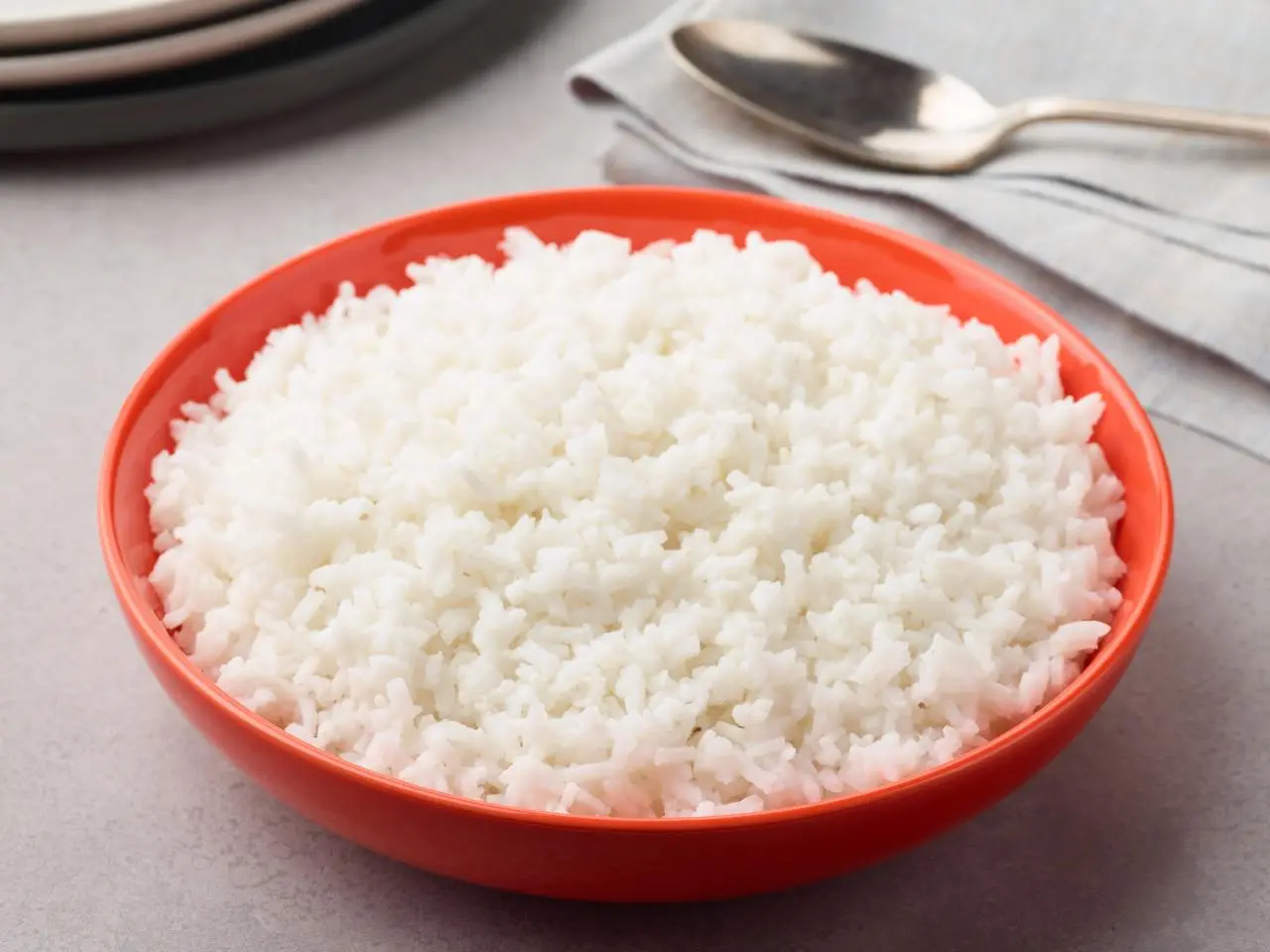
Credit: www.foodnetwork.com
Essential Equipment And Ingredients
Before you start, make sure you have the right tools and ingredients. This will make the process smoother and help you get consistent results.
Equipment
- Medium saucepan with lid: A heavy-bottomed pan prevents burning.
- Measuring cups: For rice and water.
- Fork: For fluffing the rice.
- Fine mesh sieve: For rinsing the rice.
- Timer: To avoid overcooking.
Basic Ingredients
- Long grain rice (1 cup serves 2–3 people)
- Water (see ratios below)
- Salt (optional, for taste)
- Butter or oil (optional, for flavor and texture)
Some people add a small bay leaf or cardamom pod for aroma, especially with Basmati rice.
Rinsing And Soaking: Why They Matter
One common mistake is skipping the rinsing step. Rinsing removes surface starch, which can cause rice to clump or get gummy.
How To Rinse Long Grain Rice
- Place the rice in a fine mesh sieve.
- Hold under cold running water.
- Swirl with your hand until the water runs mostly clear.
- Drain well.
For Basmati and Jasmine, rinsing is especially important for fluffy results.
To Soak Or Not To Soak?
Soaking is optional for most white long grain rice, but it can help with Basmati. Soaking for 20–30 minutes can:
- Shorten cooking time
- Make grains longer and fluffier
Brown long grain rice benefits from soaking for 1 hour, making it softer and easier to digest.
Understanding Water-to-rice Ratios
Getting the water amount right is key to perfect rice. Too much water leads to mushy rice; too little leaves it undercooked.
Standard Ratios
| Rice Type | Ratio (Rice:Water) | Notes |
|---|---|---|
| White Long Grain | 1:2 | Most common; adjust slightly for older rice |
| Basmati | 1:1.5 | After soaking |
| Jasmine | 1:1.75 | Slightly less water than regular long grain |
| Brown Long Grain | 1:2.25 | Requires more water due to bran layer |
For example, 1 cup of white long grain rice needs 2 cups of water.
Stovetop Method: Step-by-step
Cooking rice on the stovetop is the most common and gives you the most control. Here’s how to do it:
Ingredients
- 1 cup long grain rice
- 2 cups water (for white rice)
- 1/2 teaspoon salt (optional)
- 1 teaspoon butter or oil (optional)
Instructions
- Rinse the rice under cold water until the water runs clear.
- Add rice and water to your saucepan.
- Stir in salt and butter if using.
- Bring to a boil over medium-high heat (do not cover).
- Once boiling, reduce heat to low and cover with a tight-fitting lid.
- Simmer for 15–18 minutes. Do not lift the lid.
- Turn off the heat and let the rice sit, covered, for 5–10 minutes. This step finishes the steaming process.
- Fluff with a fork before serving.
Tips For Better Results
- Use a heavy-bottomed pot to prevent burning.
- Don’t stir while simmering—this can break the grains.
- Let it rest after cooking to absorb any extra moisture.
If you’re using brown rice, increase the simmer time to 35–45 minutes and let it rest for 10–15 minutes after turning off the heat.
Alternative Cooking Methods
Not everyone likes cooking rice on the stovetop. Here are some other popular ways:
Rice Cooker Method
Rice cookers make perfect rice with minimal effort.
- Rinse the rice and place it in the cooker.
- Add water according to the rice cooker’s instructions (usually the same as stovetop).
- Close the lid, press “cook,” and wait until it switches to “warm.”
- Let it rest for 10 minutes before opening the lid.
Modern rice cookers often have settings for Basmati, Jasmine, or brown rice, making the process even easier.
Instant Pot/pressure Cooker Method
Pressure cookers speed up the process and are great for brown rice.
- Rinse the rice, place it in the pot, and add water.
- For white rice, use a 1: 1 ratio; for brown rice, 1:1.25.
- Cook on high pressure for 3–5 minutes (white) or 20–22 minutes (brown).
- Allow natural pressure release for 10 minutes before opening.
Oven-baked Method
This method is almost hands-off and great for making large batches.
- Preheat oven to 375°F (190°C).
- Spread rinsed rice in a baking dish.
- Boil water separately and pour over rice (use correct ratio).
- Cover tightly with foil.
- Bake for 25 minutes (white) or 1 hour (brown).
- Let it rest for 10 minutes, then fluff with a fork.
Common Mistakes And How To Fix Them
Many home cooks struggle with rice that’s too sticky, hard, or burnt. Here’s how to avoid and fix these problems.
Mistake 1: Rice Is Too Sticky Or Mushy
- Caused by: Too much water, not rinsing, or overcooking.
- Fix: Spread rice on a baking sheet and let it dry for a few minutes. Next time, use less water and rinse well.
Mistake 2: Rice Is Undercooked Or Hard
- Caused by: Too little water or not enough cooking time.
- Fix: Add a few tablespoons of hot water, cover, and cook on low heat for a few more minutes.
Mistake 3: Rice Burns At The Bottom
- Caused by: Heat too high or thin pot.
- Fix: Use a heavy-bottomed pan and keep the heat low during simmering.
Mistake 4: Rice Sticks To The Pot
- Caused by: Not enough water or not using a nonstick pot.
- Fix: Add a teaspoon of oil or butter when cooking.
Non-obvious Tip: Resting Time Matters
Letting rice rest (covered) after cooking allows steam to finish the process, giving you fluffier grains. Don’t skip this step.
Credit: www.foodnetwork.com
Flavored And Enhanced Long Grain Rice
Plain rice is great, but sometimes you want more taste. Here are some simple ways to boost the flavor:
Additions During Cooking
- Broth instead of water: Use chicken or vegetable broth for richer taste.
- Whole spices: Add a bay leaf, cinnamon stick, or cardamom pod.
- Aromatics: Sauté chopped onions or garlic in oil, then add rice and water.
After Cooking
- Fresh herbs: Stir in chopped cilantro, parsley, or dill.
- Toasted nuts: Almonds, cashews, or pine nuts add crunch and flavor.
- Citrus zest: Lemon or lime zest brightens the dish.
Example: Simple Pilaf
- Sauté 1/4 cup chopped onion in 1 tablespoon butter.
- Add 1 cup rinsed long grain rice and cook for 1 minute.
- Add 2 cups broth, a bay leaf, and salt.
- Cook as usual.
Serving Suggestions And Recipe Ideas
Long grain rice is the foundation for many global dishes. Here are some ideas to inspire you:
- Rice bowls: Top with grilled chicken, vegetables, and a drizzle of sauce.
- Stir-fries: Use as a base for Asian-style stir-fried vegetables and meat.
- Pilaf or Pulao: Add spices, nuts, and dried fruit.
- Salads: Mix cooled rice with beans, corn, and fresh herbs.
- Fried rice: Use day-old cooked rice for best results.
How Much Rice To Make Per Person?
A good rule is 1/2 cup uncooked rice per person (about 1. 5 cups cooked). For parties, always make a bit extra.
Storing And Reheating Cooked Long Grain Rice
Proper storage and reheating will keep your rice safe and tasty.
Storing
- Cool rice quickly: Spread on a tray or place in shallow containers.
- Store in airtight containers: Refrigerate within 2 hours of cooking.
- Use within 4–6 days: Discard if you notice any sour smell.
Reheating
- Microwave: Sprinkle with a little water, cover, and heat until steaming.
- Stovetop: Add a splash of water, cover, and warm over low heat.
- Avoid reheating more than once: This prevents food poisoning from bacteria like Bacillus cereus.
Freezing
Rice freezes well. Cool, portion, and freeze in airtight bags for up to 3 months. Thaw overnight in the fridge or reheat from frozen with a little water.
Rice Nutrition And Health Facts
Long grain rice is a staple for a reason. Here’s a quick breakdown:
| 1 Cup Cooked Rice | Calories | Carbs (g) | Protein (g) | Fat (g) | Fiber (g) |
|---|---|---|---|---|---|
| White Long Grain | 205 | 45 | 4 | 0.4 | 0.6 |
| Brown Long Grain | 215 | 45 | 5 | 1.6 | 3.5 |
Brown rice has more fiber and nutrients, but both offer sustained energy. For those watching blood sugar, pairing rice with protein and vegetables can help lower the glycemic impact.
Non-obvious Insights For Success
Many beginners miss a few key things:
- Altitude changes cooking time: At high altitudes, water boils at a lower temperature. Add a few more minutes or a little extra water.
- Old rice absorbs more water: If your rice is more than a year old, increase water by 2–3 tablespoons per cup.
- Don’t skip the rest: Even if it seems done, letting rice steam off the heat makes a big difference in texture.
- Use a fork, not a spoon: Fluffing with a fork keeps grains separate.
Frequently Asked Questions
How Do I Keep Long Grain Rice From Sticking Together?
Always rinse the rice before cooking to remove extra starch. Use the correct water ratio and avoid stirring while it cooks. After cooking, let it rest for at least 5 minutes and fluff gently with a fork.
Can I Cook Long Grain Rice Without Measuring Water?
Measuring is best for beginners, but some experienced cooks use the finger method: Add rice to the pot, then fill water until it reaches the first joint of your index finger above the rice. This works for small to medium amounts but may be less accurate for large batches.
Is It Safe To Leave Cooked Rice At Room Temperature?
No. Cooked rice can grow bacteria quickly at room temperature. Always cool and refrigerate within 2 hours. For more on food safety, see the guidelines from the CDC.
Why Does My Rice Taste Bland?
Rice absorbs the flavors of what you cook it with. To boost taste, add salt, broth, or spices while cooking. Finishing with herbs, butter, or a squeeze of lemon also helps.
Can I Double Or Triple The Recipe?
Yes. Keep the same rice-to-water ratio and use a larger pot. The cooking time may increase by a few minutes, but the process is the same.
Cooking perfect long grain rice is a skill anyone can learn. With the right techniques and a little practice, you’ll be able to make delicious, fluffy rice every time—no matter the recipe or method. Whether it’s a side dish or the star of the meal, your homemade rice will be something to be proud of.
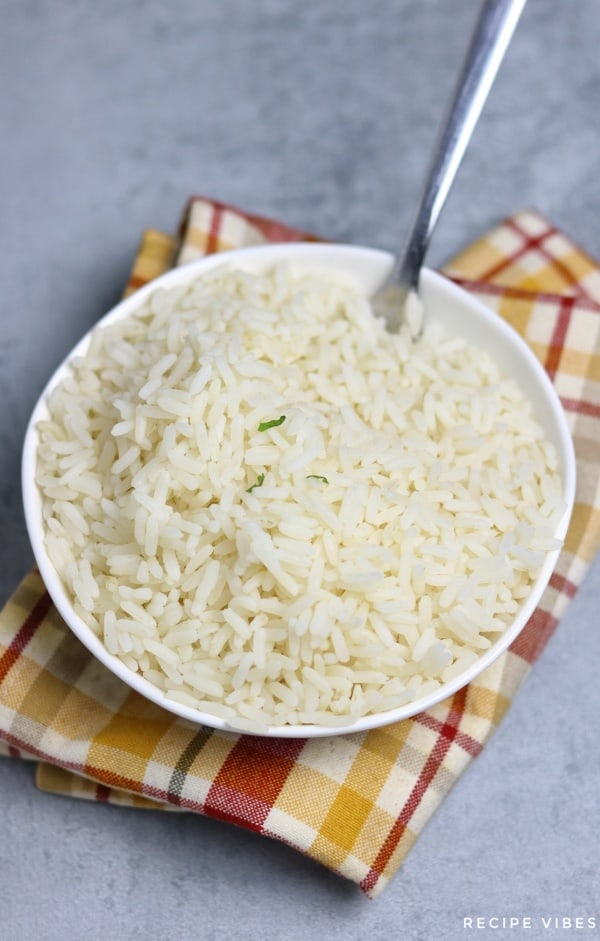
Credit: www.recipevibes.com

Hello, This is Annie Walker, a 38-year-old blogger, founder, and editor of Cookware Guider from NY, USA. I am a cookware fanatic and passionate cooker. I love to cook with different types of cooking appliances (example: all types of cookware, rice cookers, slow cookers, etc) almost every day in my kitchen. I love to share my experience with my readers in my blog. Also, I enjoy helping people to solve their problems through my website. You can follow me on Twitter & Pinterest. To know details about my blog please check the about us page.