
Cooking Spanish rice at home can turn a regular meal into something special. The rich colors, warm spices, and satisfying flavors make it a favorite in many kitchens worldwide. If you’ve ever wondered why Spanish rice tastes so good in restaurants—or why yours sometimes turns out bland or mushy—this guide will help you master every step.
You’ll learn not just the classic way to cook Spanish rice, but also how to adjust the recipe for your taste, avoid common mistakes, and serve a dish that impresses everyone at your table.
What Is Spanish Rice?
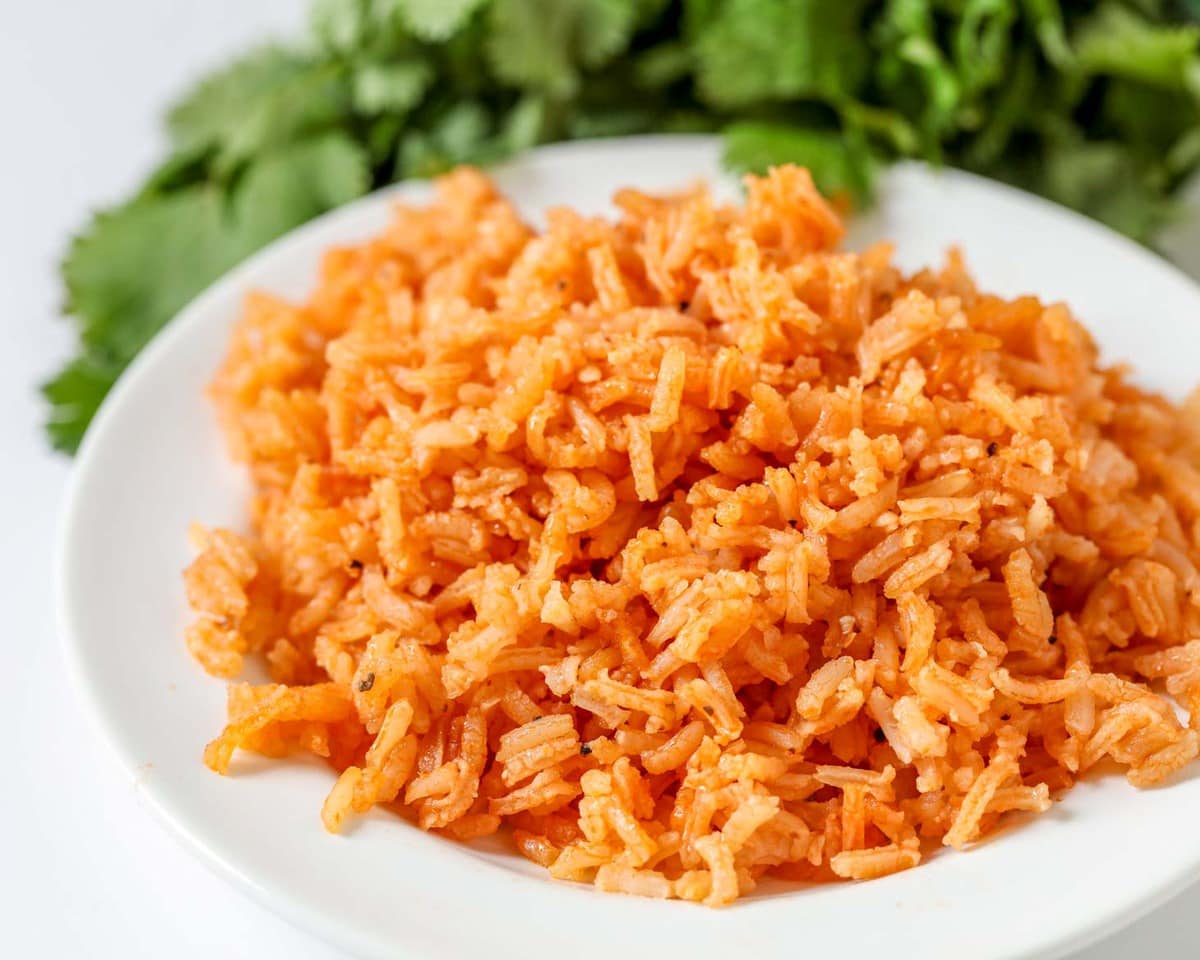
Spanish rice, also called arroz rojo or Mexican rice, is a popular side dish in Spanish-speaking countries and the southwestern United States. It’s not actually from Spain, but the name has stuck because of its red color and flavorful style. Spanish rice starts with white rice sautéed in oil, then cooked with tomatoes, onions, garlic, and spices like cumin and paprika. The result is a fluffy, reddish rice with a rich, savory taste.
This dish is a staple in Mexican cuisine, served with beans, tacos, grilled meats, or as a filling for burritos. It’s also popular in Tex-Mex restaurants. The recipe is flexible, so you can add vegetables, swap broths, or adjust spices to suit your preferences.
Why Learn To Cook Spanish Rice?
Cooking Spanish rice from scratch offers several benefits:
- Freshness and Flavor: Homemade rice has a depth of flavor that instant mixes can’t match.
- Cost Savings: Making your own is much cheaper than buying pre-made or restaurant rice.
- Customization: You can control salt, spice, and add-ins for dietary needs.
- Skill Building: Sautéing, simmering, and seasoning rice are basic kitchen skills you’ll use elsewhere.
Surprisingly, many home cooks struggle with Spanish rice. It’s easy to undercook, overcook, or end up with sticky rice. By understanding the process, you’ll avoid these issues and consistently produce light, fluffy, and flavorful rice.
Credit: lilluna.com
Core Ingredients And Why They Matter
Every ingredient in Spanish rice plays a role in taste, texture, and color. Here’s what you need for the classic version:
- Long-grain white rice (1 cup): Best for separate, fluffy grains.
- Vegetable oil (2 tablespoons): For sautéing and flavor.
- Onion (1 small, finely chopped): Adds sweetness and depth.
- Garlic (2 cloves, minced): Essential for aroma and taste.
- Tomato sauce (1/2 cup) or diced tomatoes: Gives the rice its red color and tang.
- Chicken or vegetable broth (2 cups): More flavorful than water.
- Cumin (1/2 teaspoon): Adds warmth.
- Paprika (1/2 teaspoon): For smokiness and color.
- Salt (to taste): Brings out flavors.
- Black pepper (to taste)
- Fresh cilantro (optional, for garnish)
Some recipes include peas, carrots, bell peppers, or even corn. These add sweetness and color, but the basic recipe works well on its own.
Ingredient Substitutions
If you don’t have all the classic ingredients, here are some smart swaps:
- Brown rice: Needs more liquid and time, but adds fiber.
- Olive oil: For a Mediterranean twist.
- Crushed tomatoes: If you lack tomato sauce.
- Bouillon cubes: Dissolved in water if you don’t have broth.
- Vegan option: Use vegetable broth.
Step-by-step Guide To Cooking Spanish Rice
Let’s walk through the process for perfect Spanish rice every time. You’ll find tips and a few common mistakes to avoid along the way.
1. Rinse And Drain The Rice
Rinsing removes extra starch that can make rice sticky. Place rice in a fine-mesh strainer and rinse under cold water until the water runs clear. Shake off as much water as possible.
*Insight:* If you skip rinsing, your rice may clump together and turn mushy.
2. Sauté The Rice
Heat the oil in a large skillet or saucepan over medium heat. Add the drained rice. Stir frequently for 3–4 minutes, until most grains turn a light golden color.
This step gives the rice a nutty flavor and helps keep the grains separate.
*Tip:* Do not rush this step—if the rice is not toasted enough, it will absorb liquid too quickly and get soft.
3. Add Aromatics
Stir in the chopped onion and cook for 2–3 minutes, until it softens. Add the minced garlic and cook for 30 seconds, just until fragrant.
4. Add Tomato And Spices
Pour in the tomato sauce (or diced tomatoes), cumin, paprika, salt, and pepper. Stir to coat all the rice in the tomato mixture. Let it cook for 1–2 minutes to develop flavor.
5. Add Broth And Simmer
Pour in the broth and bring to a boil. Stir once, then reduce the heat to low. Cover the pan tightly with a lid.
Simmer for 18–22 minutes, or until the rice is tender and the liquid is absorbed.
*Common mistake:* Lifting the lid often releases steam and can slow cooking or dry out the rice.
6. Rest And Fluff
Turn off the heat and let the rice sit, covered, for 5–10 minutes. This lets the steam finish cooking the rice.
Remove the lid and fluff the rice gently with a fork. Stir in chopped fresh cilantro if you like.
7. Serve
Spoon the rice onto plates or into bowls. Spanish rice pairs well with grilled chicken, tacos, enchiladas, or beans.
Cooking Spanish Rice: Ingredient And Nutrition Comparison
Understanding how Spanish rice compares to other popular rice dishes helps you choose the right one for your meal. Here’s a simple breakdown:
| Dish | Main Ingredients | Calories (per serving) | Common Uses |
|---|---|---|---|
| Spanish Rice | Rice, tomato, broth, onion, spices | 200 | Side dish with Mexican/Spanish meals |
| White Rice | Rice, water, salt | 180 | Base for curries, stir-fries |
| Pilaf | Rice, broth, onion, vegetables | 220 | Main or side dish in Middle Eastern meals |
| Risotto | Arborio rice, broth, cheese, wine | 250 | Main dish in Italian cuisine |
*Note:* Calories are approximate and depend on recipe variations.
Choosing The Right Rice And Tools
Long-grain white rice is best for Spanish rice because it stays separate and fluffy. Short-grain varieties get stickier, which isn’t ideal.
If you want more fiber and nutrition, try brown rice. However, you’ll need to increase both the cooking liquid and time.
Rice Varieties For Spanish Rice
| Rice Type | Texture | Cooking Time | Recommended? |
|---|---|---|---|
| Long-grain white | Fluffy, separate grains | 18–22 min | Yes |
| Basmati | Light, aromatic | 15–18 min | Optional |
| Jasmine | Soft, slightly sticky | 15–18 min | Optional |
| Short-grain | Sticky, clumpy | 15–18 min | No |
| Brown rice | Chewy, nutty | 35–40 min | Yes, with adjustments |
Essential tools include a large skillet or saucepan with a tight-fitting lid, a fine-mesh strainer for rinsing rice, a wooden spoon, and a measuring cup.
Credit: www.thecountrycook.net
Flavor Variations And Add-ins
Spanish rice is easy to customize. Here are ways to change up the flavor or add nutrition:
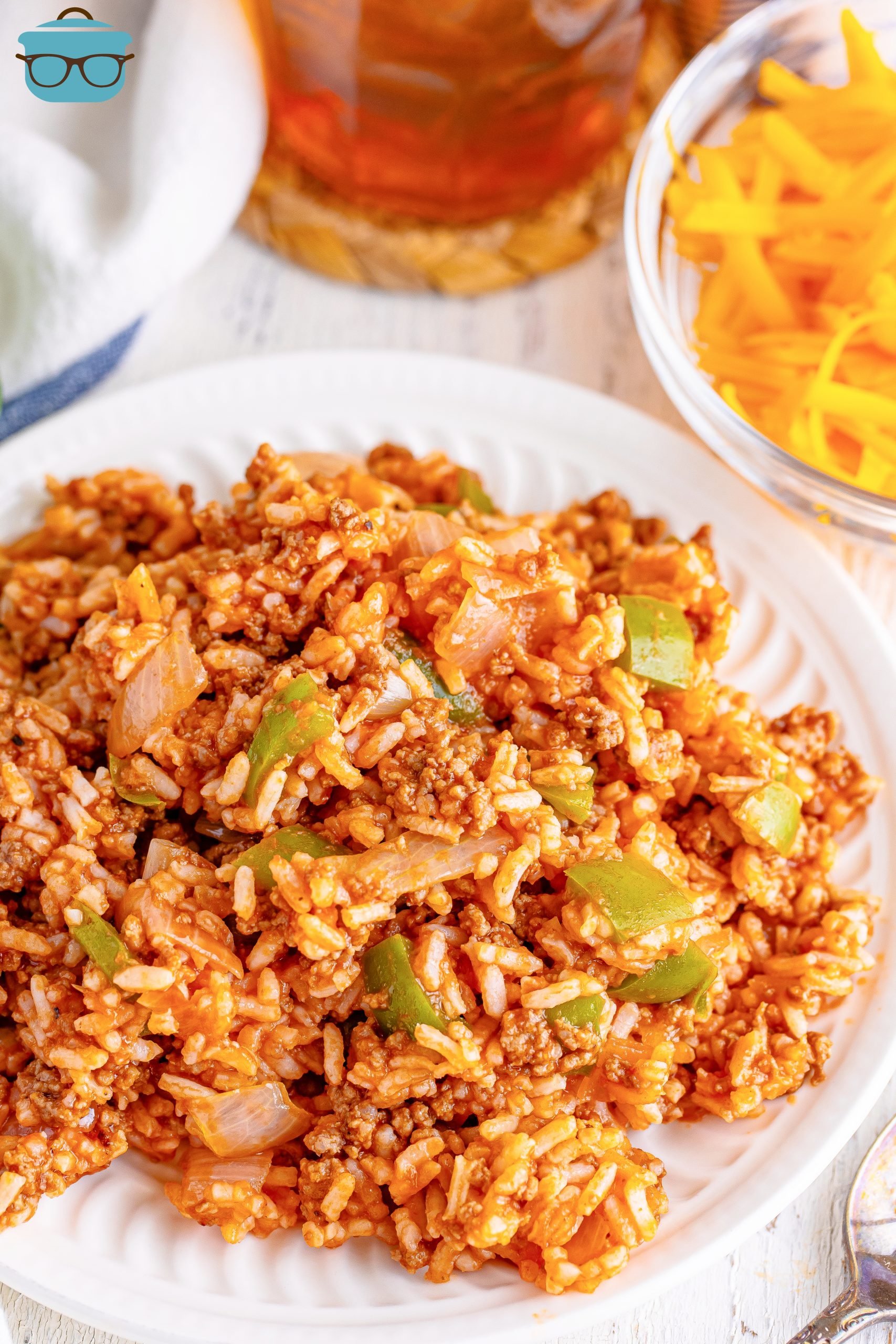
- Vegetable Spanish Rice: Add 1/2 cup each of diced carrots, peas, and bell peppers when you add the onions.
- Spicy Spanish Rice: Stir in 1/4 teaspoon cayenne pepper or a diced jalapeño with the aromatics.
- Herbed Spanish Rice: Mix in fresh oregano or parsley after cooking.
- Cheesy Spanish Rice: Sprinkle 1/2 cup shredded cheese over hot rice, cover, and let melt before serving.
- Seafood Spanish Rice: Add cooked shrimp or crab at the end for a special twist.
*Non-obvious insight:* If you add canned vegetables, drain them well to avoid extra moisture that can make the rice soggy.
Common Mistakes And How To Avoid Them
Many cooks find Spanish rice tricky. Here are the most frequent issues and how to fix them:
- Sticky or Mushy Rice: Usually caused by using too much liquid, not rinsing rice, or stirring too much during cooking.
- Burnt Bottom: Heat is too high or not enough liquid was added. Always cook on low and use a heavy-bottomed pan.
- Undercooked Rice: Not enough cooking time or not enough liquid. If the rice is still hard, sprinkle with a little broth, cover, and steam for 5 more minutes.
- Bland Flavor: Skipping the sauté step or using only water for liquid. Broth and toasting the rice develop the best taste.
- Clumped Rice: Overstirring after adding liquid can cause this. Only stir once after adding broth, then cover and don’t touch until it’s done.
*Pro tip:* If your rice always turns out bland, try adding a teaspoon of tomato paste with the tomatoes for an extra punch of umami.
Making Spanish Rice In Different Appliances
Stovetop (classic Method)
This is the most common and reliable method. It gives good control over texture and flavor.
Rice Cooker
You can make Spanish rice in a rice cooker. Toast the rice, onions, and garlic in a pan, then transfer to the cooker with tomatoes, broth, and spices. Cook as you would white rice.
*Note:* Some rice cookers run hot—check early to avoid overcooking.
Instant Pot Or Pressure Cooker
Use the sauté function for the rice and aromatics, then add the rest and cook on high pressure for 4 minutes. Let the pressure release naturally for 10 minutes before opening.
*Insight:* Using an Instant Pot can save time, but the texture is slightly softer than stovetop rice.
Adjusting For Dietary Needs
Spanish rice can fit many diets with small changes:
- Gluten-free: All main ingredients are naturally gluten-free. Check broth labels for hidden gluten.
- Vegan/Vegetarian: Use vegetable broth instead of chicken.
- Low-sodium: Choose low-salt broth and limit added salt.
- Whole grain: Use brown rice and increase broth and cooking time.
Serving Suggestions
Spanish rice is very versatile. Here are some ways to serve it:
- With grilled chicken, steak, or fish
- Alongside refried or black beans
- As a filling for burritos or stuffed peppers
- Topped with salsa and avocado for a quick bowl meal
- As a base for a rice salad with corn, beans, and lime juice
Restaurant tip: Fluff the rice and serve it warm. Cold rice loses flavor and texture.
Spanish Rice For A Crowd
Cooking for a group? Spanish rice doubles or triples easily. Use a bigger pot and increase cooking time by 5–10 minutes, checking for doneness. Stir well before serving to mix flavors evenly.
*Non-obvious insight:* When scaling up, toast the rice in batches for even browning. Mixing too much rice at once can cause uneven cooking.
How To Store And Reheat Leftover Spanish Rice
Leftover Spanish rice keeps well if stored properly:
- Cool rice quickly: Spread it out on a tray before transferring to containers.
- Refrigerate within 2 hours, in airtight containers, for up to 4 days.
- Freeze for up to 2 months. Thaw overnight in the fridge.
To reheat, sprinkle with a little water or broth, cover, and microwave or steam until hot. This brings back moisture and prevents drying.
*Tip:* Avoid reheating more than once for best quality and safety.
Spanish Rice Vs. Mexican Rice: Are They Different?
The terms are often used interchangeably, but there are small differences:
| Feature | Spanish Rice | Mexican Rice |
|---|---|---|
| Main Color | Reddish (from tomato, paprika) | Orange-red (from tomato, sometimes saffron) |
| Spices | Cumin, paprika | Cumin, chili powder |
| Texture | Fluffy | Moist, sometimes softer |
| Origin | Southwestern US, Mexico | Mexico |
In practice, the recipes are almost identical in home kitchens. If you see “Spanish rice” on a menu, it’s usually the same as the classic red Mexican rice.

Credit: www.loveandlemons.com
Tips For Perfect Spanish Rice Every Time
- Use the right rice: Long-grain white for the fluffiest results.
- Don’t skip toasting: This step adds important flavor and texture.
- Measure liquid carefully: Too much or too little makes a big difference.
- Let it rest: Steam finishes the cooking and makes rice tender.
- Fluff, don’t stir: Use a fork to gently separate grains at the end.
*Extra insight:* If you want extra tomato flavor, try roasting your tomatoes before adding, or use fire-roasted canned tomatoes.
Authentic Spanish Rice Recipe
Here’s a classic stovetop recipe for four servings:
Ingredients:
- 1 cup long-grain white rice
- 2 tablespoons vegetable oil
- 1 small onion, finely chopped
- 2 cloves garlic, minced
- 1/2 cup tomato sauce (or 1 large tomato, pureed)
- 2 cups chicken or vegetable broth
- 1/2 teaspoon ground cumin
- 1/2 teaspoon paprika
- Salt and pepper, to taste
- Optional: 1/2 cup frozen peas or diced carrots, fresh cilantro for garnish
Instructions:
- Rinse rice under cold water until clear. Drain well.
- Heat oil in a large skillet over medium heat. Add rice and toast, stirring, until golden.
- Add onion; cook 2–3 minutes. Stir in garlic; cook 30 seconds.
- Add tomato sauce, cumin, paprika, salt, and pepper. Stir to coat.
- Pour in broth. Bring to a boil, then reduce heat to low. Cover and simmer 18–22 minutes.
- Remove from heat. Let sit, covered, 5–10 minutes.
- Fluff with a fork. Garnish with cilantro and serve.
Where To Find More About Spanish Rice
If you want to learn more about the history of Spanish rice, or see regional variations, visit the Wikipedia page on Spanish rice.
Frequently Asked Questions
What’s The Difference Between Spanish Rice And Mexican Rice?
Both dishes are very similar, with rice, tomatoes, and spices. Spanish rice often uses paprika, while Mexican rice may include chili powder. In most US homes, the names mean the same dish.
Can I Make Spanish Rice Without Tomatoes?
Yes. Try replacing tomatoes with roasted red peppers, or use saffron for color and flavor. The taste will be different, but still delicious.
Why Is My Spanish Rice Always Mushy?
Too much liquid, using the wrong rice type, or not toasting the rice enough can make it mushy. Always measure carefully, rinse rice, and toast before adding liquid.
How Do I Make Spanish Rice Spicy?
Add diced jalapeños, serrano peppers, or a pinch of cayenne pepper when you sauté the aromatics. Adjust to your heat preference.
Is Spanish Rice Gluten-free?
The basic recipe is gluten-free, but always check your broth and any add-ins to be sure.
Cooking Spanish rice is a rewarding skill that brings color and flavor to your kitchen. With the right steps and a little practice, you’ll soon be making rice as tasty as any restaurant or family cook. Enjoy experimenting, and don’t be afraid to add your own twist!

Hello, This is Annie Walker, a 38-year-old blogger, founder, and editor of Cookware Guider from NY, USA. I am a cookware fanatic and passionate cooker. I love to cook with different types of cooking appliances (example: all types of cookware, rice cookers, slow cookers, etc) almost every day in my kitchen. I love to share my experience with my readers in my blog. Also, I enjoy helping people to solve their problems through my website. You can follow me on Twitter & Pinterest. To know details about my blog please check the about us page.