
Using a rice cooker is one of the simplest ways to make perfect rice, even if you’re not an expert in the kitchen. Many people around the world use rice cookers because they save time, reduce effort, and make cooking more reliable.
If you’re new to rice cookers or want to get the best results, this guide will show you step-by-step how to use a rice cooker, what to expect, and how to avoid common mistakes. Whether you cook daily or only once in a while, learning to use a rice cooker well can help you enjoy tastier rice, save money, and keep your kitchen stress-free.
Why Use A Rice Cooker?
Rice cookers are popular for several reasons. First, they make cooking rice much easier. You don’t need to watch the stove or worry about burning the rice. The cooker handles everything for you. Second, rice cookers make rice with a better texture.
The rice turns out fluffy and evenly cooked. Third, rice cookers are versatile. Many models can cook other foods, like steamed vegetables, quinoa, or even oatmeal.
For busy people, rice cookers are a time-saver. You can start the cooker, walk away, and come back to fresh rice. In countries where rice is a staple food, rice cookers are found in almost every home. According to Statista, over 60% of households in Asia own a rice cooker, and the number is growing in the US and Europe.
Types Of Rice Cookers
There are many types of rice cookers. Choosing the right one depends on your needs, budget, and what you want to cook.
| Type | Price Range | Main Features | Best For |
|---|---|---|---|
| Basic Rice Cooker | $20–$50 | Simple controls, one-touch operation | Beginners, small families |
| Digital Rice Cooker | $50–$120 | Multiple settings, timer, keep-warm mode | Medium-sized families, variety of grains |
| Micom (Microcomputer) Cooker | $100–$250 | Smart cooking, fuzzy logic, menu options | Rice lovers, frequent use |
| Induction Heating Cooker | $200–$500 | Even heating, faster cooking, premium build | Large families, advanced cooking |
Basic rice cookers are good for simple white rice and are affordable. Digital rice cookers offer more control and cook different types of rice. Micom cookers use smart technology to adjust the cooking process. Induction heating cookers are the most advanced, giving you the best rice texture and cooking speed.
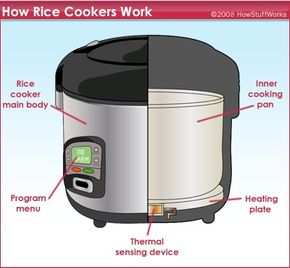
Understanding Rice Cooker Parts
Before you start, it’s helpful to know the main parts of a rice cooker:
- Inner pot: The removable bowl where you put rice and water.
- Lid: Covers the pot and keeps steam inside.
- Heating plate: Heats the inner pot.
- Control panel: Buttons or switches for cooking modes.
- Steam vent: Releases extra steam during cooking.
- Power cord: Connects to the electricity supply.
Some models have extras like a steam tray for vegetables, or a measuring cup. Always check your rice cooker’s manual for details.
How To Prepare Rice For Cooking
Getting the rice ready is just as important as using the cooker. If you skip this step, your rice may turn sticky or taste odd.
Step 1: Measure The Rice
Use the measuring cup that comes with your rice cooker. Most cups hold about 180ml (3/4 cup). If you use a regular cup, results may vary. Decide how much rice you want, but remember that rice expands during cooking. For two people, one cup is usually enough.
Step 2: Wash The Rice
Washing rice removes extra starch. This makes the rice less sticky and gives a cleaner taste. Put the rice in a bowl, add cold water, and gently swirl. Pour out the cloudy water and repeat until water is almost clear (usually 2–3 times).
Non-obvious insight: Many beginners skip washing rice, but it’s a key step for better texture. Also, washing rice can remove tiny stones or impurities.
Step 3: Add The Rice To The Cooker
After washing, drain the rice well. Put it into the inner pot of your rice cooker.
How To Add Water Correctly
The right amount of water is critical. Too much water makes rice mushy; too little makes it hard. Most rice cookers have lines inside the inner pot showing how much water to add for each cup of rice.
For white rice, the common ratio is 1 cup rice to 1.5 cups water. For brown rice, use 1 cup rice to 2 cups water. Some grains need different ratios.
| Type of Rice | Rice:Water Ratio | Notes |
|---|---|---|
| White Rice | 1:1.5 | Fluffy texture, easy to cook |
| Brown Rice | 1:2 | Takes longer to cook, needs more water |
| Jasmine Rice | 1:1.25 | Soft, slightly sticky |
| Basmati Rice | 1:1.5 | Long grains, aromatic |
| Sushi Rice | 1:1.2 | Sticky, good for rolls |
Pro tip: If your rice cooker has a “quick cook” mode, add a bit less water. If you live in a dry climate, add a little extra.
Starting The Rice Cooker
Once rice and water are in the pot, close the lid. Plug in the cooker and choose the right setting. Most basic models have one switch—just press it to start. Digital cookers let you pick the type of rice or set a timer.
Rice cookers will automatically cook the rice and switch to keep warm mode when done. This can take 15–30 minutes for white rice, or 45–60 minutes for brown rice.
Non-obvious insight: Some rice cookers make a clicking sound when the rice is finished. Others have a beep or light. If you’re not sure, check the manual.
Waiting And Steaming Time
When the rice cooker finishes, don’t open the lid immediately. Let the rice rest for 5–10 minutes. This helps the grains finish cooking and gives a better texture.
Steaming time is important because it lets extra moisture settle. If you skip this step, rice may be sticky or uneven.
Fluffing And Serving Rice
After resting, open the lid and use a rice paddle (not metal) to fluff the rice. Gently stir to separate the grains. This makes the rice lighter and easier to serve.
You can serve rice directly from the pot. If you made too much, you can keep it warm for several hours. Many rice cookers can hold rice warm for up to 12 hours without spoiling.
Cleaning Your Rice Cooker
Cleaning your rice cooker keeps it working well and prevents bad smells. Always unplug the cooker before cleaning.
Steps To Clean
- Remove the inner pot and wash with warm, soapy water.
- Clean the lid if it’s removable. Wipe the inside with a damp cloth.
- Wipe the exterior and heating plate.
- Dry all parts before reassembling.
Mistake to avoid: Never immerse the main body of the rice cooker in water. Only the inner pot and lid are safe to wash.
Cooking Other Foods In A Rice Cooker
Rice cookers can do more than just rice. Many models let you cook quinoa, oatmeal, steamed vegetables, or even soups.
Example: Cooking Quinoa
- Rinse 1 cup quinoa
- Add to inner pot with 2 cups water
- Start the rice cooker
- When done, let rest 5 minutes, fluff, and serve
Example: Steaming Vegetables
- Place vegetables in steam tray above rice
- Add water to the inner pot
- Start cooker
- Vegetables are ready when rice finishes
Advanced tip: You can cook rice and steam vegetables at the same time. This saves energy and time.
Common Mistakes And How To Avoid Them
Even experienced cooks make mistakes with rice cookers. Here are some common errors and how to fix them:
- Not washing rice: Leads to sticky or gummy rice.
- Wrong water ratio: Makes rice too hard or mushy.
- Opening lid too soon: Causes uneven texture.
- Using metal utensils: Scratches the inner pot.
- Overfilling rice cooker: Spills and messy cooking.
If you notice your rice is always too wet or too dry, try adjusting water by small amounts. Always use the rice cooker’s measuring cup for best results.
Rice Cooker Comparison: Popular Models
To help you choose, here’s a comparison of three popular rice cooker brands.
| Brand | Capacity | Settings | Price | User Rating |
|---|---|---|---|---|
| Zojirushi | 5.5 cups | White, brown, sushi, porridge | $180 | 4.7/5 |
| Panasonic | 10 cups | White, brown, keep warm | $120 | 4.5/5 |
| Instant Pot | 6 cups | Rice, steam, porridge, slow cook | $90 | 4.6/5 |
Zojirushi is known for high-quality rice and advanced features. Panasonic offers larger capacity and simple operation. Instant Pot is versatile and good for multi-purpose cooking.

Credit: www.youtube.com
Tips For Better Rice Every Time
Getting perfect rice is not just about following instructions. Here are some tips:
- Use filtered water for cleaner taste.
- Don’t overload the cooker—rice cooks best in small batches.
- Try adding a little salt or oil for flavor.
- Store leftover rice in the fridge for up to 3 days.
- Reheat rice in the cooker with a splash of water.
Expert insight: Some people add a piece of kombu (seaweed) or a bay leaf for aroma. Experiment to find your favorite flavors.
How To Choose The Right Rice Cooker
Picking the right rice cooker depends on your needs.
Consider:
- Family size: Bigger cookers for more people.
- Type of rice: Some cookers handle only white rice, others cook brown, sushi, or mixed grains.
- Budget: Prices range from $20 to $500.
- Extra features: Timer, keep-warm, steaming tray.
If you cook rice often, invest in a better model. For occasional cooking, a basic model is enough.
Credit: home.howstuffworks.com
Rice Cooker Safety Tips
Safety is important. Here are key points:
- Always unplug after use.
- Don’t touch the hot lid or steam vent.
- Keep the cooker on a flat, stable surface.
- Don’t let water spill into the main body.
Stat: According to the US Consumer Product Safety Commission, rice cookers cause fewer kitchen accidents than stovetop pots.
Rice Cooker Troubleshooting
Sometimes rice cookers don’t work as expected. Here’s how to fix common issues:
- Rice is undercooked: Add a bit more water next time.
- Rice is burnt: Check if heating plate is clean. Don’t leave rice on “keep warm” too long.
- Rice cooker won’t start: Check power cord and outlet.
- Steam leaks: Make sure lid is closed properly.
If problems persist, contact customer service or check the manual.
Cooking Rice For Different Dishes
Different cuisines use rice in various ways. Here are some examples:
- Japanese sushi rice: Sticky, seasoned with vinegar.
- Indian biryani: Flavored with spices, uses basmati.
- Chinese fried rice: Uses day-old rice for best texture.
Experiment with rice types and seasonings. The rice cooker makes it easy to try new recipes.
Environmental Benefits Of Rice Cookers
Rice cookers use less energy than stove cooking. A typical rice cooker uses about 0.5 kWh per batch, while boiling rice on the stove can use twice as much. Rice cookers also reduce food waste by cooking rice evenly, so you don’t throw away burnt or undercooked rice.
Maintaining Your Rice Cooker
Good maintenance keeps your rice cooker working for years. Here’s what to do:
- Clean after every use.
- Store in a dry place.
- Check for loose parts or cracks.
- Replace the inner pot if scratched.
Some rice cookers last 10 years or more with proper care.
Rice Cooker Myths
There are some myths about rice cookers:
- Myth 1: Only cooks white rice. (False—many cookers handle brown rice, grains, beans.)
- Myth 2: Hard to clean. (False—most inner pots are nonstick and easy to wash.)
- Myth 3: Expensive to run. (False—rice cookers are energy efficient.)
Understanding the facts helps you make the best use of your rice cooker.

Credit: www.foodnetwork.com
Smart Rice Cookers: Are They Worth It?
Modern rice cookers come with smart features. They have Wi-Fi, voice control, and can be programmed from your phone. These are good for tech lovers, but not always necessary for everyone.
If you cook rice often or want perfect results every time, smart cookers can help. But basic models still make excellent rice.
For more on rice cooker technology, see Wikipedia’s Rice Cooker Page.
Frequently Asked Questions
What Is The Best Water Ratio For Rice?
The best ratio is 1 cup rice to 1.5 cups water for white rice. For brown rice, use 1 cup rice to 2 cups water. Always check your rice cooker’s manual for special instructions.
Can I Cook Other Grains In A Rice Cooker?
Yes, most rice cookers can cook quinoa, oatmeal, and other grains. Use the right water ratio and follow similar steps as for rice.
How Do I Clean A Rice Cooker?
Wash the inner pot and lid with warm, soapy water. Wipe the main body with a damp cloth. Never immerse the main body in water.
Why Is My Rice Sticky?
Sticky rice usually means too much water or not washing rice before cooking. Try using less water and wash rice well.
Is It Safe To Leave Rice In The Rice Cooker Overnight?
It’s safe for a few hours on keep warm mode. For overnight, rice may dry out or spoil. Store cooked rice in the fridge for best results.
Learning how to use a rice cooker can change your cooking routine. With the right steps, you can enjoy perfect rice every time, try new recipes, and make your kitchen life easier. Rice cookers are simple to use and reliable, making them a great addition to any home.
If you follow these tips, you’ll get better rice, save time, and have more fun cooking.

Hello, This is Annie Walker, a 38-year-old blogger, founder, and editor of Cookware Guider from NY, USA. I am a cookware fanatic and passionate cooker. I love to cook with different types of cooking appliances (example: all types of cookware, rice cookers, slow cookers, etc) almost every day in my kitchen. I love to share my experience with my readers in my blog. Also, I enjoy helping people to solve their problems through my website. You can follow me on Twitter & Pinterest. To know details about my blog please check the about us page.