
Brown Rice How To Cook
Brown rice is often seen as a healthier choice than white rice. It has a nutty flavor, a chewy texture, and more nutrients. But many people find cooking brown rice difficult. Sometimes it turns out too hard, mushy, or unevenly cooked.
If you have struggled with brown rice before, you are not alone. The good news? With the right method, anyone can cook brown rice that is fluffy, tender, and delicious every time.
Cooking brown rice is a bit different from cooking white rice. Brown rice grains have an outer layer called bran, which is packed with fiber and vitamins. This layer makes brown rice healthier but also means it takes longer to cook.
The process needs more water, a bit more patience, and sometimes a few tricks. In this guide, you’ll learn exactly how to cook brown rice on the stove, in a rice cooker, and with other methods. You’ll also get tips to avoid common mistakes, learn about water ratios, and find answers to the most common questions.
Whether you are cooking for yourself, your family, or friends, this article will help you master brown rice and enjoy its unique taste and health benefits.
Why Cook Brown Rice?
Brown rice is often recommended by nutritionists and doctors. But what makes it a better choice? The answer lies in its structure and nutrients.
White rice is brown rice that has been stripped of its bran and germ. This process removes important nutrients, including fiber, vitamins, and minerals. Brown rice keeps these layers, making it a whole grain. Eating whole grains is linked to lower risk of heart disease, better digestion, and improved blood sugar control.
A one-cup serving of cooked brown rice (about 195 grams) provides:
- About 215 calories
- 5 grams of protein
- 45 grams of carbohydrates
- 3.5 grams of fiber
- 0.6 grams of fat
- Good source of magnesium, phosphorus, selenium, and B vitamins
Brown rice also has a lower glycemic index than white rice. This means it causes a slower rise in blood sugar, which is better for people with diabetes or those watching their blood sugar.
But brown rice is not just healthy. Its nutty flavor and chewy texture make it a tasty base for many dishes, from stir-fries to salads and bowls.
Types Of Brown Rice
Not all brown rice is the same. There are different types, and each has its own flavor, texture, and cooking time. Knowing what you have can help you get better results.
| Type of Brown Rice | Grain Length | Cooking Time (minutes) | Flavor/Texture |
|---|---|---|---|
| Short-Grain | Short & round | 45-50 | Sticky, soft |
| Medium-Grain | Medium | 40-45 | Moist, slightly sticky |
| Long-Grain | Long & slender | 35-45 | Light, separate grains |
| Basmati | Very long | 25-35 | Fluffy, aromatic |
| Jasmine | Long | 35-40 | Fragrant, soft |
Short-grain brown rice is stickier and often used in Asian dishes. Long-grain brown rice is more common in the US and is good for side dishes, pilafs, and salads. Brown basmati and brown jasmine are aromatic varieties with special flavors.

Credit: glendaembree.com
Preparing Brown Rice For Cooking
Getting the rice ready is important. Skipping these steps is a common mistake and can lead to gummy or uneven rice.
Measure The Rice
Decide how much you want to cook. A standard serving is 1/4 cup (uncooked) per person. Brown rice expands a lot, so 1 cup uncooked will give about 3 cups cooked.
Rinse The Rice
Rinsing removes dust and extra starch, leading to fluffier rice. Place the rice in a fine-mesh strainer. Rinse under cold water for 30–60 seconds, stirring with your hand, until the water runs clear.
Optional: Soak The Rice
Soaking brown rice is not required, but it can help. Soaking for 30–60 minutes reduces cooking time and makes the grains softer. To soak, place the rice in a bowl with plenty of water. Drain well before cooking.
Non-obvious tip: If you want extra tender rice, use warm water for soaking and add a pinch of salt. This helps soften the bran layer even more.
How To Cook Brown Rice On The Stove
This is the most common method and works for all types of brown rice. There are two main approaches: the absorption method and the pasta method.
Absorption Method
This is similar to cooking white rice, but you need more water and time.
Ingredients
- 1 cup brown rice (any type)
- 2 1/4 cups water (for long-grain or basmati; use 2 1/2 cups for short-grain)
- 1/2 teaspoon salt (optional)
Steps
- Rinse the rice and drain well.
- In a medium saucepan, combine the rice, water, and salt.
- Bring to a boil over medium-high heat.
- Once boiling, reduce the heat to low and cover tightly with a lid.
- Cook for 35–45 minutes (check the table above for your rice type). Do not stir or lift the lid during cooking.
- When the water is absorbed and the grains are tender, remove from heat. Leave covered for 10 minutes to let the steam finish cooking the rice.
- Fluff with a fork and serve.
Common mistake: Lifting the lid too often lets steam escape and makes the rice dry.
Non-obvious insight: If your rice is cooked but still wet, remove the lid, cover with a clean towel, and let it sit for 5–10 minutes. The towel absorbs extra moisture and keeps the grains separate.
Pasta Method
This method works well for beginners or when you are not sure about water ratios.
Ingredients
- 1 cup brown rice
- 6–8 cups water
- Salt to taste
Steps
- Rinse the rice.
- Bring a large pot of water to a boil.
- Add rice and salt. Boil uncovered for 30–35 minutes.
- Taste a grain to check doneness. When it is tender, drain the rice in a strainer.
- Return the rice to the pot off the heat. Cover and let steam for 10 minutes.
- Fluff and serve.
This method is foolproof: You can’t run out of water, and the rice is rarely sticky.
Cooking Brown Rice In A Rice Cooker
A rice cooker makes cooking brown rice easy and hands-off. Most modern cookers have a brown rice setting.
Steps
- Rinse the rice.
- Add to the rice cooker. Use 2 cups water for every 1 cup of brown rice (check your cooker’s instructions; some need a bit more).
- Add salt if you like.
- Close the lid, select the brown rice setting, and start.
- When done, let the rice sit for 10 minutes before opening the lid. Fluff with a fork.
Non-obvious tip: If your rice cooker always makes dry brown rice, add 2–4 tablespoons extra water next time.
Why Rice Cookers Sometimes Struggle With Brown Rice
Brown rice takes longer to cook, so basic rice cookers may switch off too early. If your cooker doesn’t have a brown rice setting, run a second cycle or let the rice steam longer before opening.
How To Cook Brown Rice In An Instant Pot Or Pressure Cooker
Pressure cooking is fast and gives great results.
Steps
- Rinse 1 cup of brown rice.
- Add to the Instant Pot with 1 1/4 cups water and a pinch of salt.
- Seal the lid and set to high pressure for 22 minutes.
- When the timer is done, let the pressure release naturally for 10 minutes.
- Open, fluff, and serve.
Comparison: Pressure cooking is about twice as fast as stovetop. The grains are tender, not mushy.
Oven-baked Brown Rice
Baking rice in the oven is almost foolproof and great for large batches.
Steps
- Preheat oven to 375°F (190°C).
- Pour 1 1/2 cups brown rice into an oven-safe baking dish.
- Boil 2 1/2 cups water, then pour over the rice. Add 1 tablespoon butter or oil and salt to taste.
- Cover tightly with foil.
- Bake for 1 hour.
- Remove from oven, let stand 10 minutes, then fluff with a fork.
Insight: Oven-baked rice is very forgiving. It won’t burn on the bottom, and the texture is always even.
Microwave Method For Brown Rice
The microwave is quick, but texture may not be as good as other methods.
Steps
- Rinse 1 cup brown rice. Place in a large microwave-safe bowl.
- Add 2 1/4 cups water and salt.
- Cover loosely with a microwave-safe lid or plate.
- Microwave on high for 10 minutes.
- Reduce power to 50% and cook for 20 more minutes.
- Let stand for 5 minutes before fluffing.
Warning: Watch for boiling over. Use a large bowl and check the rice halfway through.
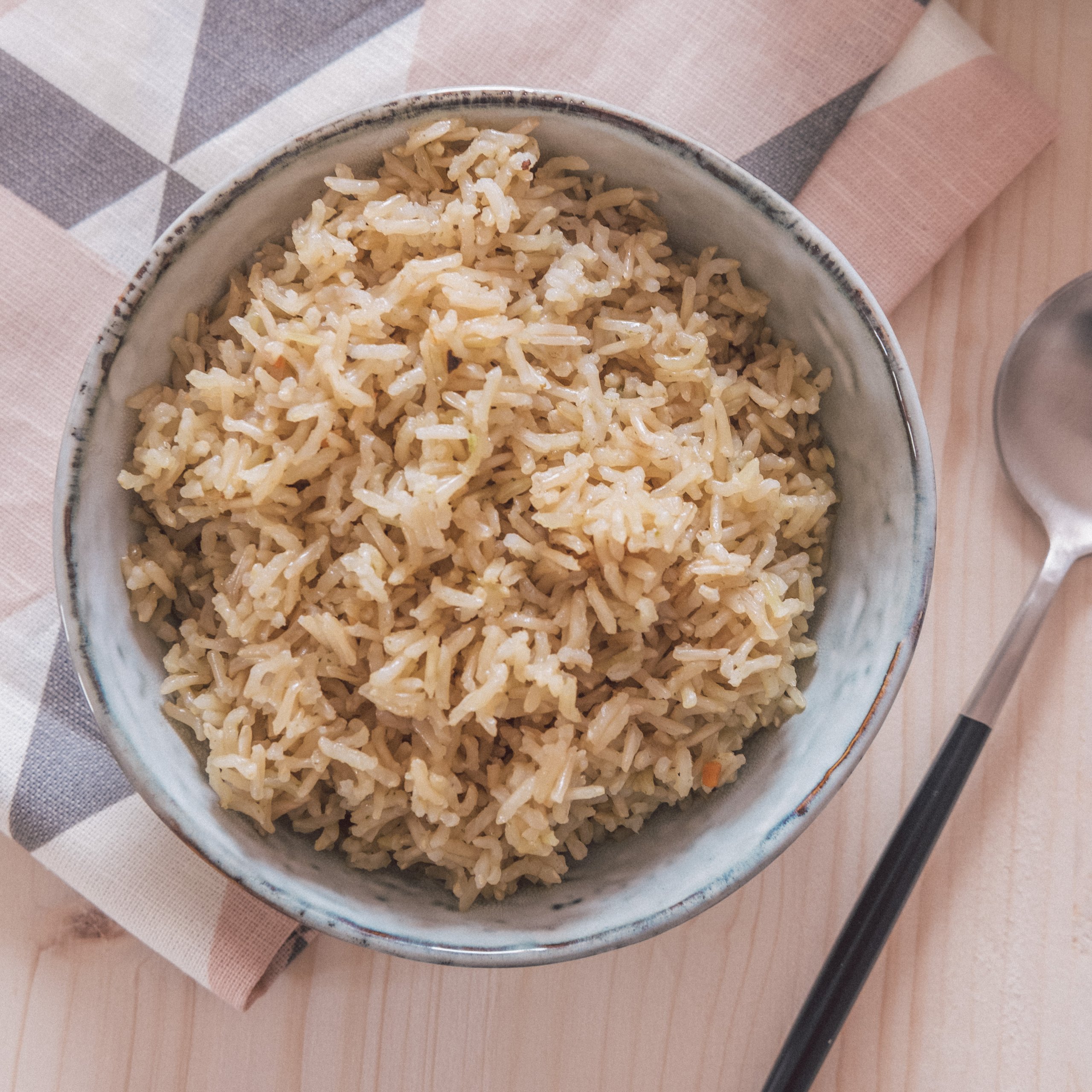
Credit: www.yuzubakes.com
Comparing Cooking Methods
Choosing the right method depends on your tools, time, and batch size.
| Method | Time | Texture | Best for |
|---|---|---|---|
| Stovetop (Absorption) | 35–50 min | Fluffy, tender | Everyday, small batches |
| Stovetop (Pasta) | 30–40 min | Light, non-sticky | Beginners, unsure water ratio |
| Rice Cooker | 45–60 min | Consistent, hands-off | Busy cooks, set-and-forget |
| Pressure Cooker | 25–35 min | Very tender | Quick meals |
| Oven-Baked | 60–70 min | Even, fluffy | Large batches, meal prep |
| Microwave | 30–35 min | Softer, less fluffy | Small, fast batches |
Flavor Boosters And Add-ins
Brown rice is tasty on its own, but you can make it even better.
- Cook in broth: Use vegetable or chicken broth instead of water.
- Add aromatics: Throw in a clove of garlic, a bay leaf, or a slice of ginger.
- Mix in vegetables: Add peas, carrots, or corn in the last 10 minutes of cooking.
- Stir in herbs: Parsley, cilantro, or green onions add color and freshness.
- Top with seeds or nuts: Toasted sesame seeds or chopped almonds give crunch.
Non-obvious tip: For a restaurant-style flavor, sauté the uncooked brown rice in 1 tablespoon of oil until golden before adding water. This creates a nutty, deeper taste.
Common Mistakes When Cooking Brown Rice
Brown rice is simple, but a few errors can ruin the final result.
- Not rinsing: Leads to sticky or gummy rice.
- Too little water: Makes rice hard and undercooked.
- Too much water: Causes mushy rice.
- Lifting the lid: Lets steam escape, leading to uneven cooking.
- Skipping the rest: Not letting the rice rest after cooking makes it less fluffy.
- Using the wrong rice type: Each type needs a different time and water ratio.
- Cooking on high heat: Rice burns or sticks to the bottom.
Extra tip: If your rice is always chewy or tough, try soaking it before cooking or increase water slightly.
Storing And Reheating Brown Rice
Cooked brown rice stores well, making it great for meal prep.
- Fridge: Store in an airtight container for up to 5 days.
- Freezer: Spread on a tray to cool, then freeze in portions. Lasts up to 3 months.
To reheat, add a splash of water and cover. Microwave or steam until hot.

Credit: www.loveandlemons.com
Is Brown Rice Safe For Everyone?
Brown rice has more nutrients, but it also contains more arsenic than white rice. Arsenic is a natural element found in soil and water. The levels in rice are usually low, but you can reduce them by rinsing the rice and cooking it with extra water (then draining). Eating brown rice a few times a week is safe for most people, but young children and pregnant women should avoid large amounts.
For more on arsenic in rice, see the FDA’s official page.
Brown Rice Cooking Tips From Experts
- Use a heavy pot with a tight lid for stovetop rice. Thin pans cause uneven cooking.
- If you want rice for salads, rinse with cold water after cooking. This stops the cooking and keeps grains separate.
- For extra flavor, try adding a cinnamon stick or cardamom pod when cooking.
- Brown rice is great for freezing. Cool quickly to avoid clumping.
Frequently Asked Questions
How Much Water Do I Need For 1 Cup Of Brown Rice?
Use 2 1/4 cups of water for long-grain or basmati brown rice, and 2 1/2 cups for short-grain. If you soak the rice, reduce water by 2–4 tablespoons.
Why Does My Brown Rice Turn Out Hard Or Chewy?
Usually, this means not enough water or not enough cooking time. Try adding a little more water or letting it cook longer, and always let it rest after cooking.
Can I Cook Brown Rice Without Soaking?
Yes, but soaking reduces cooking time and makes the rice softer. If you are short on time, skip soaking but cook the rice a bit longer.
Is Brown Rice Gluten-free?
Yes, brown rice is naturally gluten-free. It’s safe for people with celiac disease or gluten sensitivity.
How Do I Make Brown Rice Taste Better?
Cook it in broth, add aromatics, mix in herbs, or sauté before boiling. Try topping with seeds, nuts, or a drizzle of olive oil for extra flavor.
Brown rice might take more time and care than white rice, but it’s worth learning. With these simple steps and tips, you can cook brown rice that’s healthy, tasty, and never boring. Try different methods, experiment with flavors, and enjoy the benefits of this wholesome grain in your meals.

Hello, This is Annie Walker, a 38-year-old blogger, founder, and editor of Cookware Guider from NY, USA. I am a cookware fanatic and passionate cooker. I love to cook with different types of cooking appliances (example: all types of cookware, rice cookers, slow cookers, etc) almost every day in my kitchen. I love to share my experience with my readers in my blog. Also, I enjoy helping people to solve their problems through my website. You can follow me on Twitter & Pinterest. To know details about my blog please check the about us page.