
Cooking Arborio rice may sound simple, but there’s a world of technique and tradition behind this short-grain Italian rice. Known for its creamy texture, Arborio rice is the star of dishes like risotto, rice pudding, and even arancini. Getting the perfect bite—creamy on the outside, firm in the middle—requires more than just boiling water.
Whether you’re a home cook looking to impress or a food lover exploring new recipes, understanding how to cook Arborio rice can open up a variety of delicious meals. In this guide, you’ll discover not just the steps, but the reasons behind them, tips for perfect results, and common mistakes to avoid.
By the end, you’ll cook Arborio rice with confidence and maybe even a touch of Italian flair.
What Is Arborio Rice?
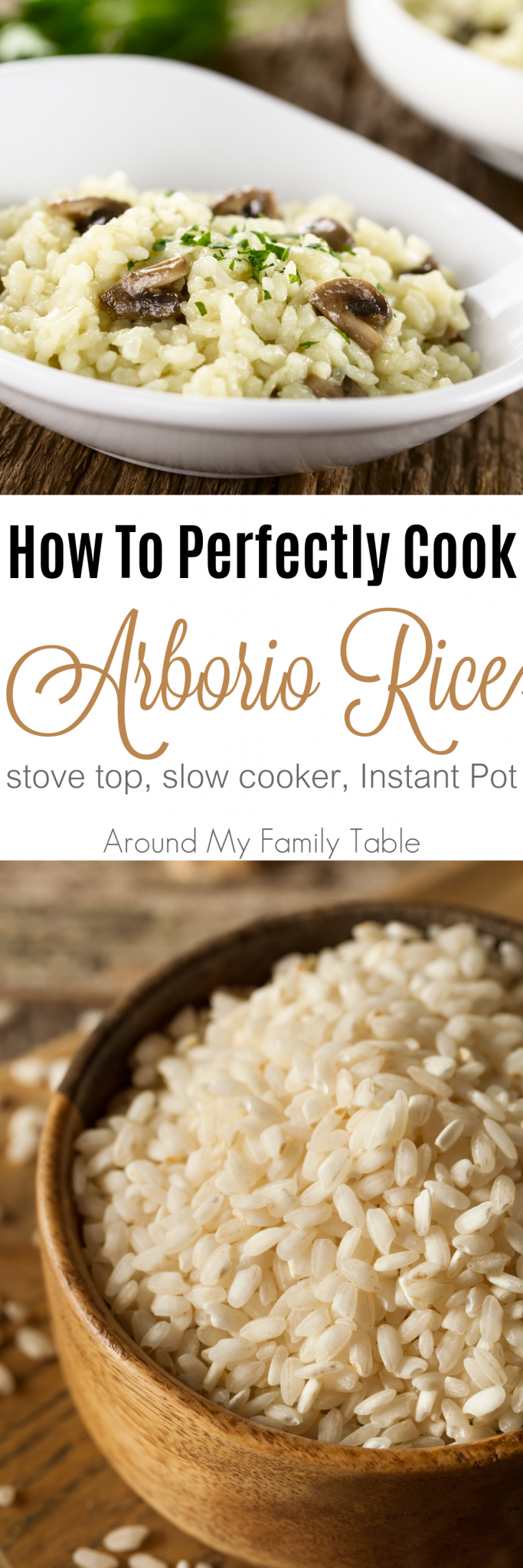
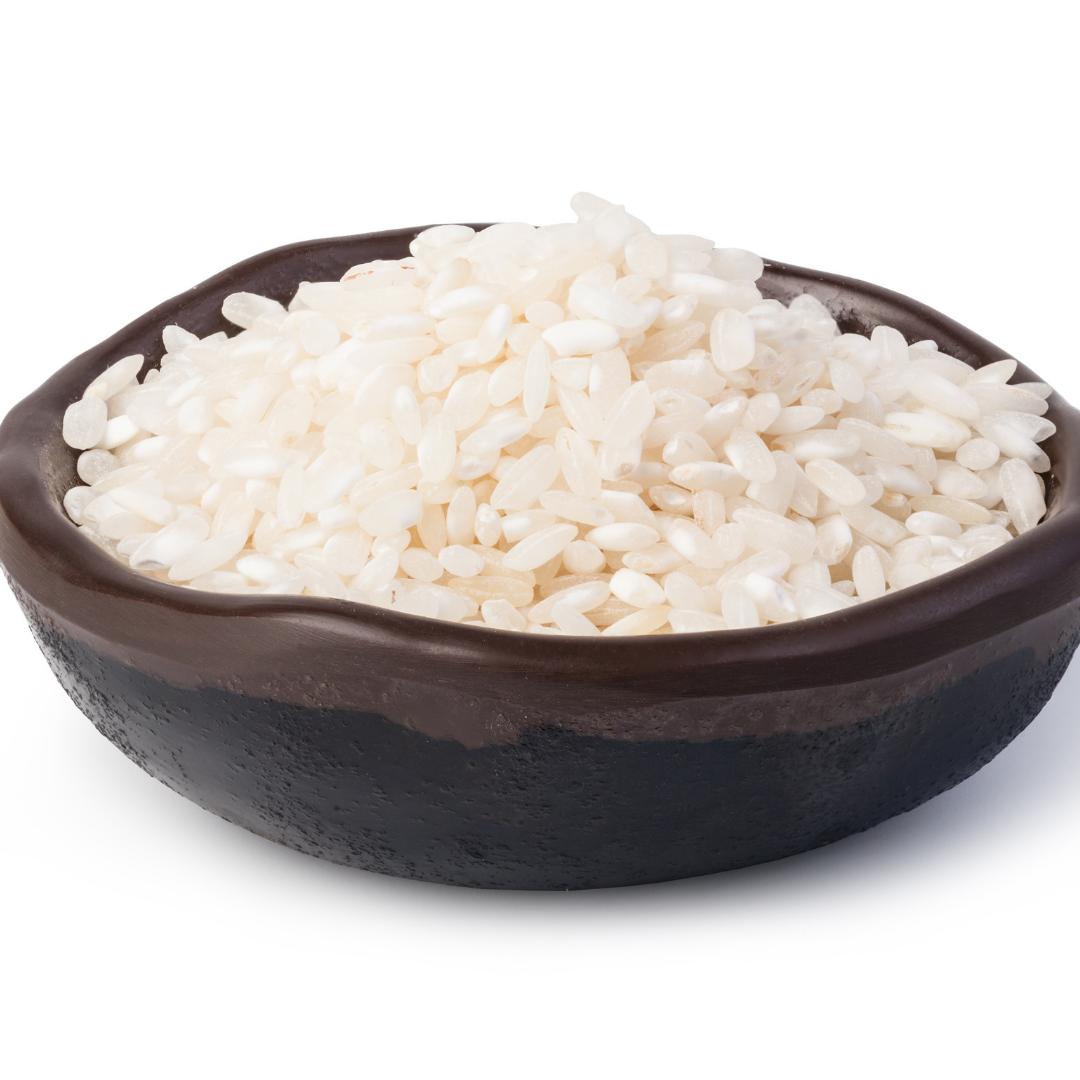
Arborio rice is a short-grain rice grown mainly in Italy’s Po Valley. Its grains are round, plump, and have a high starch content—especially a type called amylopectin. This starch is what gives Arborio its famous creaminess. Unlike long-grain rice, which stays separate, Arborio becomes sticky and velvety when cooked. This makes it the number one choice for risotto and other creamy rice dishes.
Other rice varieties, like sushi rice or carnaroli, share some traits, but Arborio is unique for its balance of chewiness and creaminess. You’ll often see it in gourmet recipes, but it’s also easy to use for everyday meals.
Arborio Rice Vs. Other Rice Types
Here’s a quick look at how Arborio compares to other common rice:
| Rice Type | Grain Length | Texture When Cooked | Main Use |
|---|---|---|---|
| Arborio | Short | Creamy, chewy | Risotto, rice pudding |
| Basmati | Long | Fluffy, separate | Pilaf, biryani |
| Jasmine | Long | Soft, slightly sticky | Asian dishes |
| Carnaroli | Short | Very creamy | Risotto (premium) |
Why Arborio Rice Needs Special Cooking
Unlike most rice, Arborio isn’t just about fluffiness. Its main feature is starch. Cooking it the traditional way slowly releases this starch, making the finished dish creamy. If you just boil it like regular rice, you lose this special quality. That’s why risotto recipes call for adding broth slowly and stirring often.
Another key is texture. You want the rice to be al dente—soft outside, just a little firm in the center. Overcooking turns it mushy, while undercooking leaves it chalky.
Credit: www.aroundmyfamilytable.com
Essential Tools And Ingredients
You don’t need a lot of fancy gear to cook Arborio rice, but a few things make the process smoother.
Tools
- Heavy-bottomed pot or deep skillet: Prevents burning and helps cook evenly.
- Wooden spoon or silicone spatula: For gentle stirring.
- Measuring cups: For rice and liquid.
- Ladle: Useful for adding broth in stages.
Main Ingredients
- Arborio rice: Look for fresh, high-quality grains.
- Broth or water: Chicken, vegetable, or beef broth adds flavor; water is neutral.
- Fat: Olive oil or butter.
- Onion or shallot (optional): Adds depth.
- Salt and pepper: For seasoning.
- Parmesan cheese (optional): For traditional risotto.
Optional Add-ins
- White wine: Adds acidity and depth.
- Herbs and spices: Thyme, saffron, or bay leaf.
- Vegetables, seafood, or meat: For one-pot meals.
Basic Arborio Rice Preparation
Before you start, measure out your ingredients. For most recipes:
- 1 cup Arborio rice serves about 2 to 3 people.
- 3 to 4 cups liquid per cup of rice.
You can rinse Arborio rice to remove some surface starch, but for risotto, most chefs skip rinsing to keep the dish creamy.
Classic Stove-top Method (risotto Style)
This is the gold standard for cooking Arborio rice. It’s hands-on but worth it for the silky texture.
Ingredients (for 2-3 Servings)
- 1 cup Arborio rice
- 3.5 cups hot broth (chicken or vegetable)
- 2 tablespoons olive oil or butter
- 1 small onion, finely chopped
- 1/2 cup dry white wine (optional)
- Salt and pepper to taste
- 1/2 cup grated Parmesan cheese (optional)
Cooking Steps
- Heat the broth in a separate saucepan and keep it warm.
- Sauté onion in olive oil or butter over medium heat, about 2 minutes.
- Add Arborio rice and stir for 1-2 minutes. The rice should look glossy.
- Pour in the wine (if using) and cook until mostly absorbed.
- Add a ladle of hot broth and stir gently. When absorbed, add more broth.
- Continue adding broth one ladle at a time, stirring often. This step takes 18-20 minutes.
- Taste for doneness: The rice should be creamy but with a slight bite.
- Stir in Parmesan and season with salt and pepper.
- Serve immediately for best texture.
Key Tips
- Don’t add all the liquid at once.
- Stir gently, not constantly—too much stirring can break the grains.
- Use hot liquid to keep the temperature steady.
Common Mistakes
- Adding cold broth: This shocks the rice and affects texture.
- Overcooking: Makes rice mushy.
- Not tasting: Check doneness often for perfect bite.
Simpler Methods For Arborio Rice
If you’re short on time or don’t want to stand at the stove, there are other ways to cook Arborio rice. While the texture won’t be exactly the same as traditional risotto, you can still get delicious, creamy rice.
Absorption Method
This method is similar to cooking regular rice.
- Heat 2 tablespoons butter or oil in a pot.
- Add 1 cup Arborio rice, stir to coat.
- Pour in 2.5 cups broth or water.
- Bring to a boil, then reduce heat to low.
- Cover and simmer for 18-20 minutes.
- Let rest for 5 minutes, then fluff gently.
This method is less creamy but easier for beginners.
Oven-baked Arborio Rice
Great for hands-off cooking and large batches.
- Preheat oven to 350°F (175°C).
- Sauté onion in butter or oil in an oven-safe pot.
- Stir in 1 cup Arborio rice, then 2.5 cups hot broth.
- Cover tightly and bake for 30 minutes.
- Stir, check doneness, and finish with cheese or herbs.
Rice Cooker Or Instant Pot
These appliances can make Arborio rice, but the result is more like sticky rice than true risotto. Use the same ratio as above and use the “white rice” setting.
Adding Flavor And Variety
One of the joys of Arborio rice is how well it absorbs other flavors. Here are some ways to customize your dish:
- Swap broths: Use mushroom, seafood, or beef broth for different bases.
- Add vegetables: Peas, mushrooms, asparagus, or pumpkin work well.
- Mix proteins: Chicken, shrimp, or sausage.
- Finish with herbs: Parsley, thyme, or chives for a fresh taste.
- Try spices: Saffron for a golden color, or a pinch of nutmeg for warmth.
Popular Arborio Rice Recipes
Arborio rice is used in classic dishes around the world. Here’s a quick look:
| Dish Name | Main Ingredients | Origin | Notes |
|---|---|---|---|
| Risotto alla Milanese | Arborio, saffron, Parmesan | Italy | Golden color, creamy |
| Arancini | Arborio, meat, peas, cheese | Sicily | Fried rice balls |
| Rice Pudding | Arborio, milk, sugar, vanilla | Global | Sweet dessert |
How To Store And Reheat Arborio Rice
Arborio rice is best fresh, but leftovers can be saved for later.
Storing Cooked Arborio Rice
- Cool quickly: Spread rice on a baking sheet to cool before storing.
- Use airtight containers: Keeps moisture and odors out.
- Refrigerate: Up to 3 days.
- Freeze: Up to 1 month, but texture may change.
Reheating Tips
- Add a splash of broth or water before reheating to bring back creaminess.
- Stovetop: Heat gently and stir often.
- Microwave: Use medium power and stir halfway through.
Avoid overheating, which can make the rice dry or gummy.
Credit: www.aroundmyfamilytable.com
Practical Tips For Perfect Arborio Rice
Here are insights and tricks that even many experienced cooks miss:
- Toast, don’t brown: Toasting the rice in fat helps coat each grain, but don’t let it brown. Browning changes the starch and affects creaminess.
- Use wide pans: A wider surface area helps the rice cook evenly and absorb liquid at the right rate.
- Watch the temperature: Too high, and the liquid evaporates before the rice is cooked; too low, and you get mushy rice.
- Salt at the end: Broths vary in saltiness, so season after the rice is almost done.
- Rest before serving: Let the rice sit for 2-3 minutes off the heat. This relaxes the starches and improves texture.
- Use homemade broth: For special meals, homemade broth gives unmatched flavor and no unwanted additives.
- Choose the right rice: Look for fresh Arborio rice. Old rice can lose moisture and starch, leading to uneven results.
Nutritional Value Of Arborio Rice
Arborio rice is more than just a comfort food. It’s a source of carbohydrates, some protein, and small amounts of vitamins and minerals. It’s naturally gluten-free.
Nutritional Breakdown (per 1 Cup Cooked, About 150g)
- Calories: ~200 kcal
- Carbs: 45g
- Protein: 4g
- Fat: 0.5g
- Fiber: 0.6g
Arborio rice is not a low-carb food, but it’s filling and pairs well with vegetables and lean proteins.
When And Why To Choose Arborio Rice
Arborio rice isn’t always the best choice for every meal, but it’s perfect when:
- You want creaminess: Risotto, rice pudding, or baked casseroles.
- You’re making Italian dishes: Many regional recipes call for it.
- Texture matters: Arborio’s bite is unique.
However, for pilafs or fried rice, long-grain varieties work better.
Common Questions And Beginner Mistakes
Even experienced cooks make mistakes with Arborio rice. Here are the most frequent ones and how to avoid them:
- Rushing the process: Risotto takes patience. Adding liquid too fast or cooking on high heat will ruin texture.
- Using cold or poor-quality broth: This shocks the rice or gives bland results.
- Overstirring: Some stirring is good for creaminess, but too much can break grains and make the dish gluey.
- Forgetting to taste: Always check for doneness with a spoon, not just by the clock.
- Not using enough liquid: Arborio needs more liquid than regular rice. Undercooking leaves it crunchy.
Arborio Rice: Sustainability And Sourcing
Most Arborio rice comes from Italy, though you’ll find it from California and other regions too. Look for brands that note sustainable practices or organic certification. Buying from reputable producers helps ensure quality and ethical farming.
For more about the history and production of Arborio rice, see this Wikipedia article.
Frequently Asked Questions
Is Arborio Rice Gluten-free?
Yes, Arborio rice is naturally gluten-free. However, always check packaging and added ingredients (like broths or sauces) if you have celiac disease or gluten sensitivity.
Can I Substitute Arborio Rice In Recipes?
You can sometimes swap Arborio with other short-grain rice like carnaroli or vialone nano for risotto. For recipes needing fluffy rice, choose long-grain types instead.
Why Is My Arborio Rice Mushy?
Mushy Arborio rice usually means too much liquid or overcooking. Stirring too much can also break the grains. Use a timer and taste test near the end of cooking.
How Do I Make Vegan Arborio Rice Dishes?
Simply use vegetable broth and plant-based fats (like olive oil or vegan butter). Skip cheese or use nutritional yeast for a cheesy flavor.
What’s The Best Way To Store Uncooked Arborio Rice?
Keep it in an airtight container in a cool, dry place. Avoid humidity, which can cause spoilage or clumping.
Cooking Arborio rice is more than just following steps—it’s about attention to detail and enjoying the process. With the techniques and tips in this guide, you’re ready to create creamy, flavorful dishes that impress friends and family. Experiment with different broths, add-ins, and even cooking methods to find your favorite way.
Enjoy the journey, and buon appetito!
:max_bytes(150000):strip_icc()/MS-857759-Easy-Arborio-RIce-Beauty-3x2_2903-c54d3f571d0242d6b630e208dbe5355c.jpg)
Credit: www.marthastewart.com

Hello, This is Annie Walker, a 38-year-old blogger, founder, and editor of Cookware Guider from NY, USA. I am a cookware fanatic and passionate cooker. I love to cook with different types of cooking appliances (example: all types of cookware, rice cookers, slow cookers, etc) almost every day in my kitchen. I love to share my experience with my readers in my blog. Also, I enjoy helping people to solve their problems through my website. You can follow me on Twitter & Pinterest. To know details about my blog please check the about us page.