
If you’re new to using an Empava cooktop, you might feel a little unsure at first. These modern appliances look sleek, but their controls and features can be confusing if you’re used to traditional stoves. The good news? Once you understand the basics, Empava cooktops are easy to use and can transform how you cook at home.
This guide will walk you through everything you need to know, from the first setup to cleaning and common troubleshooting. You’ll learn how to get safe, efficient results and discover a few tips even experienced users miss.
Understanding Your Empava Cooktop
Empava offers both induction and gas cooktops. Each type works differently and has its own strengths. Before using your cooktop, check the model number and read the user manual. If you don’t have the manual, you can often find it on the Empava website. Here’s a quick overview of the main types:
| Type | How It Heats | Common Features |
|---|---|---|
| Induction | Electromagnetic energy heats the pan directly | Touch controls, safety lock, auto shut-off |
| Gas | Burner flame heats the cookware | Knob controls, flame failure safety, cast iron grates |
Key Differences
- Induction cooktops need compatible cookware (magnetic-based, like stainless steel or cast iron).
- Gas cooktops work with any pan, but you must connect them to a gas supply and ignite the burner.
Setting Up Your Empava Cooktop
Correct installation is crucial for safety and performance. Unless you are trained, let a licensed technician handle installation. Here’s what you should know:
- Location: Place the cooktop away from flammable materials and make sure it is level.
- Electrical requirements: Induction models need a dedicated circuit. Check voltage and amperage in your manual.
- Gas connection: For gas cooktops, use a certified gas line and check for leaks.
- Ventilation: Good airflow prevents heat buildup and helps with safety.
Non-obvious tip: For induction cooktops, make sure the ventilation slots underneath are not blocked by kitchen drawers or objects. Blocked slots can cause overheating and shorten the cooktop’s life.

Credit: www.youtube.com
Basic Operation: Turning On And Off
Induction Cooktops
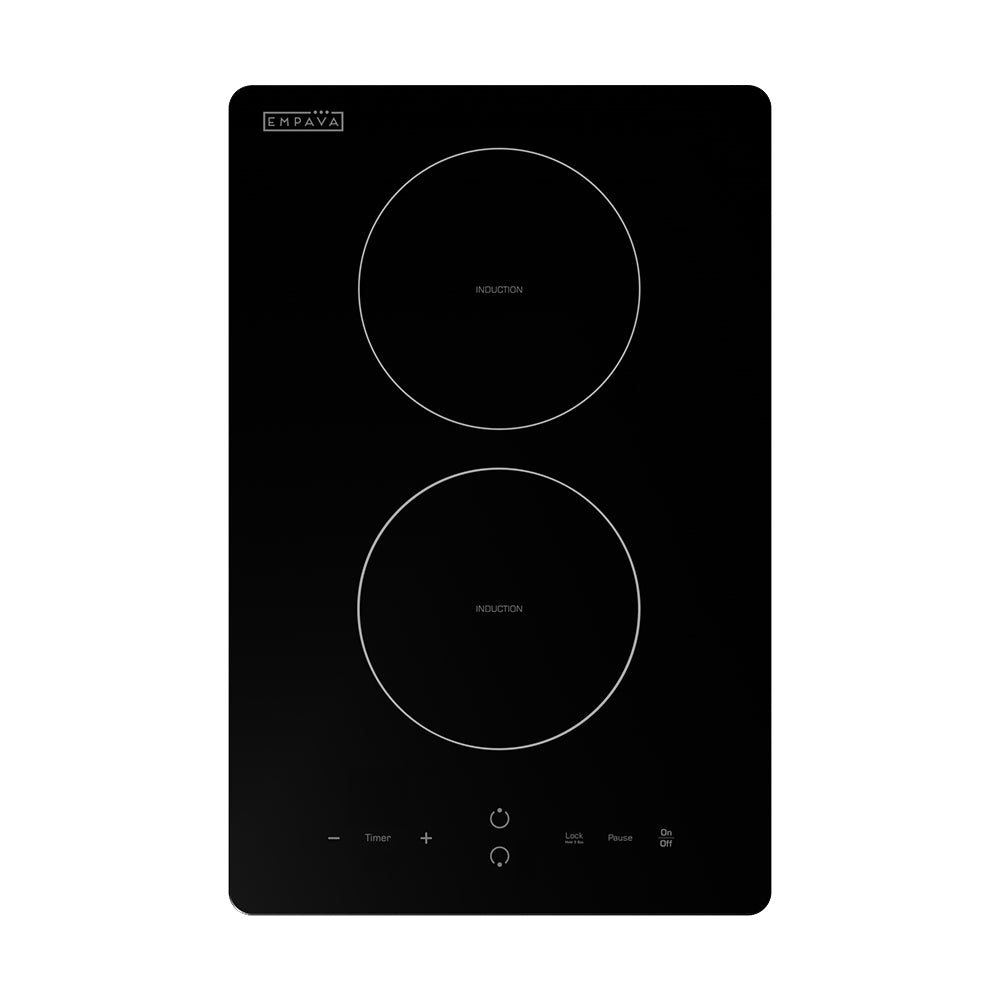
- Power button: Most Empava induction models have a main power button. Touch it to turn on.
- Zone selection: Select the cooking zone (the area you want to use).
- Heat level: Use the + and – controls or a slider to adjust power.
- Pan detection: Place your cookware on the selected zone. If the pan isn’t induction-compatible, the cooktop will beep or flash an error.
Gas Cooktops
- Ignition: Push and turn the burner knob to the “ignite” or “light” position. Hold the knob down for 2–5 seconds until the flame appears, then release.
- Adjusting flame: Turn the knob to control the size of the flame.
- Turning off: Rotate the knob to the “off” position. Make sure the flame is fully out.
Practical insight: If your gas cooktop’s igniter keeps clicking after the flame is on, it usually means moisture or food debris is stuck near the igniter. Clean and dry the area to stop the noise.
Adjusting Cooking Power And Temperature
Induction Models
Empava induction cooktops often have 9–12 power levels. Level 1 is low (good for simmering), while the highest is for boiling or frying.
- Quick boil: Use the “Boost” feature (if available) for rapid heating. Remember, this uses a lot of power and should not run for more than 10–15 minutes.
- Precision: Induction responds instantly. If food starts to burn, lower the setting right away.
Gas Models
Gas gives visual feedback through flame size. A blue, steady flame means efficient burning.
- Low flame: For gentle simmering or melting.
- Medium flame: For most cooking.
- High flame: For boiling or stir-frying.
Non-obvious tip: Large pans need more heat, but if the flame spreads beyond the pan’s bottom, you’re wasting energy and heating your kitchen, not your food.
Credit: kitchenappliancestore.com
Using Special Features
Empava cooktops include useful features that make cooking safer and easier. Here’s how to use the most common ones:
Child Lock (induction)
- How to activate: Press and hold the lock symbol for 3–5 seconds until you see a lock icon or hear a beep.
- How to deactivate: Repeat the same action.
- Purpose: Prevents accidental changes—very helpful if you have kids at home.
Timer
- Setting the timer: Choose the cooking zone, then press the timer button. Adjust the time using the +/– controls.
- Auto-off: When the time is up, the cooktop will turn off that zone automatically.
Residual Heat Indicator (induction)
After cooking, a light or symbol shows if the glass is still hot. Wait until it turns off before cleaning or touching the area.
Flame Failure Device (gas)
If the flame goes out (from wind or a spill), this feature automatically cuts off the gas. It’s a key safety advantage.
Cookware Selection
Choosing the right cookware helps you get the best results—and keeps your Empava cooktop in good shape.
Induction Cookware
- Must be magnetic. Use a fridge magnet to test your pans. If it sticks well, it’s compatible.
- Flat bottoms only. Warped pans can cause uneven heating or error codes.
- Size matters. The base should match the cooking zone. Too small, and the cooktop may not recognize it.
Gas Cookware
- Any material works, but heavy, flat-bottomed pans give better results.
- Avoid oversized pans that extend far beyond the burner; they can cause heat loss and even damage the knobs over time.
| Cookware Material | Induction | Gas |
|---|---|---|
| Stainless Steel | Yes | Yes |
| Cast Iron | Yes | Yes |
| Copper/Aluminum (non-magnetic) | No | Yes |
| Glass/Ceramic | No | Yes (with care) |
Practical tip: For induction, thin or lightweight pans can “buzz” or vibrate. This is normal, but using heavier pans reduces the noise.
Cleaning And Maintenance
Keeping your Empava cooktop clean helps it last longer and look new. Each type needs a different approach.
Induction Cooktop Cleaning
- Wipe after each use: Use a soft, damp cloth and a little dish soap for daily cleaning.
- For tough stains: Use a non-scratch sponge or a special ceramic/glass cooktop cleaner.
- Avoid: Steel wool, abrasive pads, or strong chemicals—they can scratch the glass.
- Polish: Dry with a microfiber cloth for a streak-free shine.
Gas Cooktop Cleaning
- Grates and burners: Remove and soak in warm, soapy water. Use a brush for burnt-on food.
- Knobs: Take off and wash separately.
- Surface: Wipe with a damp cloth and mild cleaner.
- Check ports: Use a pin or a brush to clear any clogged burner holes.
Experience-based advice: Clean spills right away, especially sugar or syrup. If these burn onto the glass, they can leave permanent marks. For gas, never put hot grates in cold water—they can warp or crack.
Troubleshooting Common Problems
Even the best cooktop can develop issues. Here’s how to solve the most common Empava cooktop problems:
Induction
- Cooktop won’t turn on: Check if the power supply is connected. If only one zone doesn’t work, test another pan.
- Error codes: Look in the manual for details. “E0” usually means no pan detected or wrong type of pan.
- Beeping or flashing lights: Often means something is left on the glass (like a spoon) or the controls are wet.
Gas
- No ignition: Make sure the cooktop is plugged in (most need electricity for the igniter), and that the gas valve is open.
- Weak flame: Clean the burner holes; residue or grease may block the flow.
- Gas smell: Turn off the cooktop and gas supply immediately. Open windows and call a professional—never try to fix gas leaks yourself.
Non-obvious insight: If your induction cooktop randomly shuts off, check for poor ventilation underneath, or pans that are too small for the zone.
Safety Tips For Everyday Use
Cooking should always be safe. Here are important Empava cooktop safety points:
- Never leave the cooktop unattended while in use, especially with oil or high heat.
- Keep children and pets away from the surface—even after cooking, induction glass can stay hot.
- Do not use foil or plastic on the induction surface; they can melt and damage the cooktop.
- For gas models, keep flammable items like paper towels and curtains away from burners.
- Install a smoke detector in your kitchen for extra safety.
Maximizing Performance
Get the most from your Empava cooktop with these strategies:
- Preheat pans briefly on induction—never empty for long. Excess heat can damage nonstick coatings.
- Use lids to speed up boiling and save energy.
- Spread food evenly in the pan for better results.
- Let the cooktop cool down before wiping, especially with cold water (prevents cracks).
Example: When boiling water, use the smallest pot that fits the burner or induction zone. It heats faster and uses less energy.
When To Call For Service
Some problems are best left to professionals. Contact Empava support or a licensed technician if:
- The cooktop shows repeated error codes you can’t clear.
- There’s visible damage to the glass or burner.
- You smell gas and cannot find the source.
- The unit trips your circuit breaker repeatedly.
You can find Empava’s service contacts and warranty information at their official site or in your manual. For more detailed troubleshooting, the Empava Blog offers extra guidance.
Frequently Asked Questions
How Do I Know If My Pan Works On My Empava Induction Cooktop?
Use a fridge magnet. If it sticks firmly to the bottom of your pan, it’s suitable for induction. If not, you’ll need to use a different pan.
Why Does My Induction Cooktop Beep And Not Heat?
The cooktop usually beeps if it doesn’t sense a pan, or if the pan is not induction-compatible. Make sure your pan is centered and the right size.
Can I Use Cast Iron On Both Gas And Induction Empava Cooktops?
Yes, cast iron works well on both types. It heats evenly and stays hot, making it great for searing and slow-cooking.
How Often Should I Clean My Empava Cooktop?
Wipe it down after every use. For deeper cleaning, do it weekly or when you notice build-up—especially for gas burners and grates.
My Gas Cooktop Igniter Won’t Stop Clicking. What Should I Do?
Dry the igniter area completely. If moisture or food is causing the clicking, cleaning and drying should fix it. If not, call for service.
An Empava cooktop is a smart addition to any kitchen, offering precision and safety when used correctly. With the guidance above, you can cook confidently and keep your cooktop working for years. Remember, regular cleaning and using the right pans make a big difference.
If you run into trouble, don’t hesitate to consult the manual or get expert help. Enjoy your cooking experience!

Credit: empava.com

Hello, This is Annie Walker, a 38-year-old blogger, founder, and editor of Cookware Guider from NY, USA. I am a cookware fanatic and passionate cooker. I love to cook with different types of cooking appliances (example: all types of cookware, rice cookers, slow cookers, etc) almost every day in my kitchen. I love to share my experience with my readers in my blog. Also, I enjoy helping people to solve their problems through my website. You can follow me on Twitter & Pinterest. To know details about my blog please check the about us page.